PostHeaderIcon Break IC PIC12F629 Program

The evolution of modern embedded systems relies heavily on compact silicon solutions like the PIC12F629, which powers diverse applications across industrial automation and consumer electronics. As an efficient microchip architecture, the PIC12F629 features an optimized 8-bit core that manages critical sensor telemetry and control routines. Engineers frequently select this versatile microcontroller because its internal flash and eeprom components provide reliable non-volatile memory for vital operational data, ensuring seamless performance even in harsh environments. Furthermore, understanding the foundational design of the PIC12F629 allows technical specialists to optimize legacy hardware configurations without introducing system vulnerabilities.
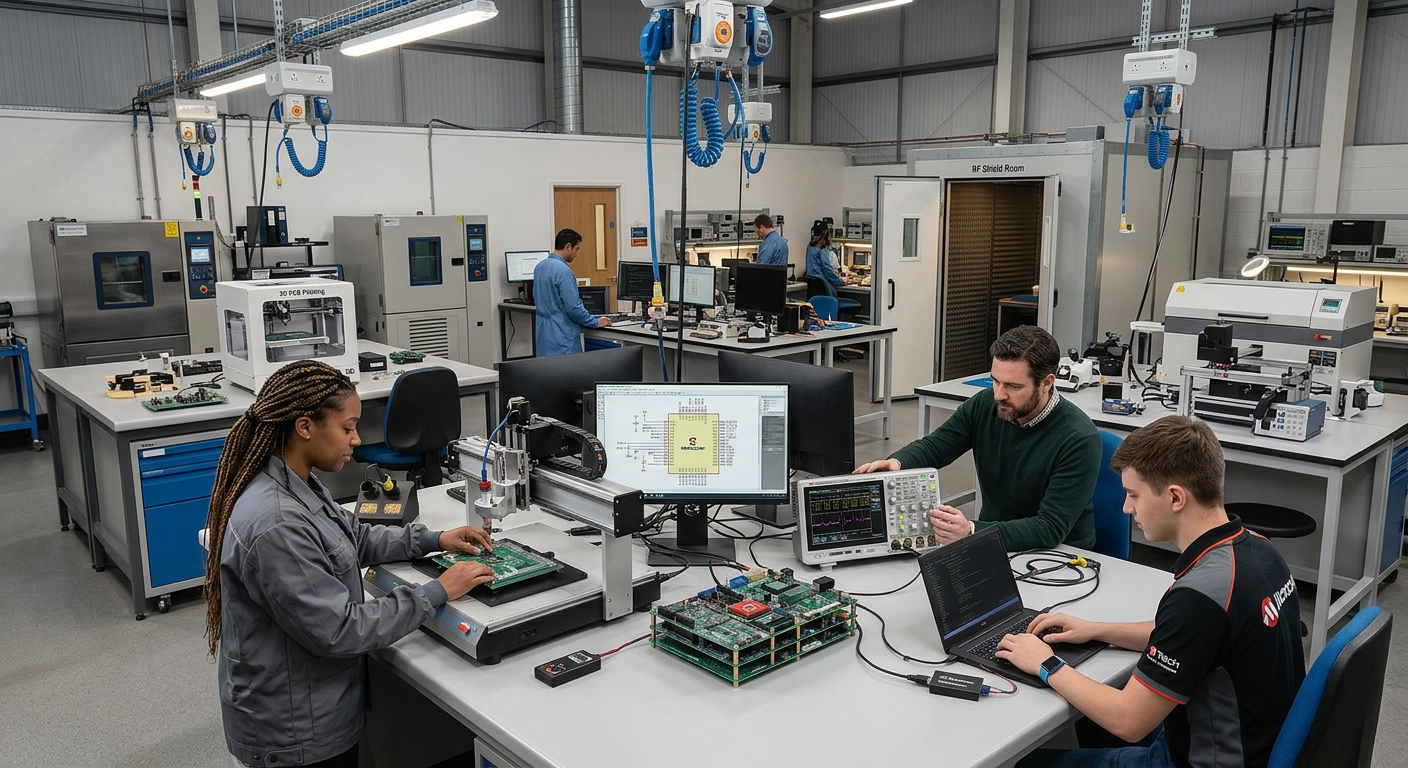
The evolution of modern embedded systems relies heavily on compact silicon solutions like the PIC12F629, which powers diverse applications across industrial automation and consumer electronics. As an efficient microchip architecture, the PIC12F629 features an optimized 8-bit core that manages critical sensor telemetry and control routines. Engineers frequently select this versatile microcontroller because its internal flash and eeprom components provide reliable non-volatile memory for vital operational data, ensuring seamless performance even in harsh environments. Furthermore, understanding the foundational design of the PIC12F629 allows technical specialists to optimize legacy hardware configurations without introducing system vulnerabilities.

Security Architecture and Firmware Extraction Objectives

When legacy industrial equipment encounters configuration locks, engineering teams often need to break ic pic12f629 program routines to audit or recover lost intellectual property. Because the PIC12F629 utilizes a locked architecture with protected fuse bits, standard debugging tools are insufficient to access the core microprocessor logic. The primary purpose of this technical intervention on the PIC12F629 is to retrieve original source code or update encrypted firmware safely. By analyzing secured memory blocks, specialists can bypass protective hardware barriers, allowing them to decode the internal binary instructions and recreate a functional program file archive.

Diagnostic Methodologies and Laboratory Procedures

Executing this advanced technical process on an advanced mcu demands specialized laboratory instruments and meticulous physical preparation. To successfully decapsulate the silicon package of a PIC12F629 unit, technicians use precise chemical etching to expose the internal die. Once physical inspection is achieved, microprobes can interact with the silicon substrate to read out heximal strings and raw binary data streams from the embedded flash arrays of the PIC12F629. This methodology ensures that every stored program segment within the PIC12F629 is thoroughly evaluated without causing permanent damage to the silicon substrate.

End-User Value and System Restoration Services

For organizations managing older electronic assets, our professional technical service delivers comprehensive system restoration and absolute transparency. The primary benefit for the end user from our service is complete asset recovery, allowing older PIC12F629 hardware to be transitioned into modern maintenance pipelines seamlessly. Clients relying on our expertise with the PIC12F629 gain precise insights into their proprietary operational logic, ensuring regulatory compliance and uninterrupted lifecycle support. Trusting our specialized laboratory for your PIC12F629 project guarantees uncompromising technical accuracy, safety, and rigorous engineering excellence.
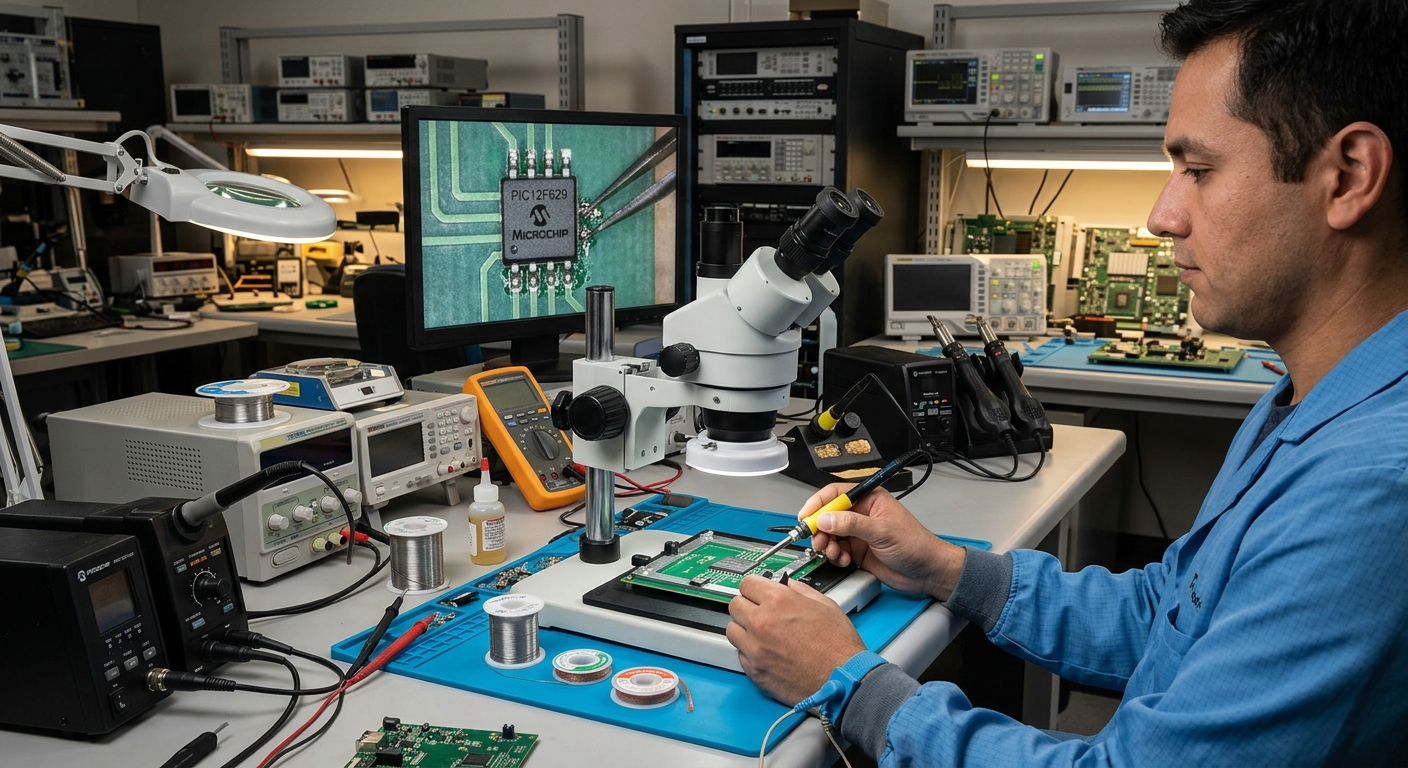
For organizations managing older electronic assets, our professional technical service delivers comprehensive system restoration and absolute transparency. The primary benefit for the end user from our service is complete asset recovery, allowing older PIC12F629 hardware to be transitioned into modern maintenance pipelines seamlessly. Clients relying on our expertise with the PIC12F629 gain precise insights into their proprietary operational logic, ensuring regulatory compliance and uninterrupted lifecycle support. Trusting our specialized laboratory for your PIC12F629 project guarantees uncompromising technical accuracy, safety, and rigorous engineering excellence.

PostHeaderIcon Break IC PIC12F639 Heximal

Industrial Applications and Unique Architectural Features of the PIC12F639

Embedded systems engineering relies heavily on robust silicon platforms to manage delicate operations across industrial automation, precision sensor monitoring, and smart consumer appliances. The PIC12F639 stands out as a sophisticated 8-bit CMOS microcontroller engineered by microchip, featuring advanced capabilities such as integrated analog-to-digital conversion channels, precision internal oscillators, and nanoWatt technology designed for ultra-low power consumption. Within these diverse industrial sectors, the PIC12F639 is frequently embedded into remote telemetry nodes and access control terminals where maintaining optimal energy efficiency is paramount. The core microprocessor handles real-time computational tasks while utilizing its internal flash and eeprom components to preserve vital non-volatile parameters. Because developers often store essential calibration tables and operational logic inside this secured memory space, understanding how the internal firmware functions is vital for long-term hardware maintenance and lifecycle management.

Security Paradigms and the Objective to Break IC PIC12F639 Heximal

When legacy industrial hardware undergoes system modernization or forensic auditing, engineers frequently encounter rigid security configurations that prevent straightforward access to the internal logic. This operational bottleneck is where our specialized service to break ic pic12f639 heximal becomes essential. The primary purpose of performing this complex procedure on the PIC12F639 is to recover lost source code, extract valid binary files, and reconstruct a comprehensive program archive for systems whose original documentation has vanished over time. Because factory fuse settings lock down the internal memory against routine reading tools, standard debugging software fails entirely. Specialists must confront these encrypted barriers directly to retrieve the underlying heximal code safely without triggering defensive data erasure mechanisms or damaging the underlying silicon substrate.
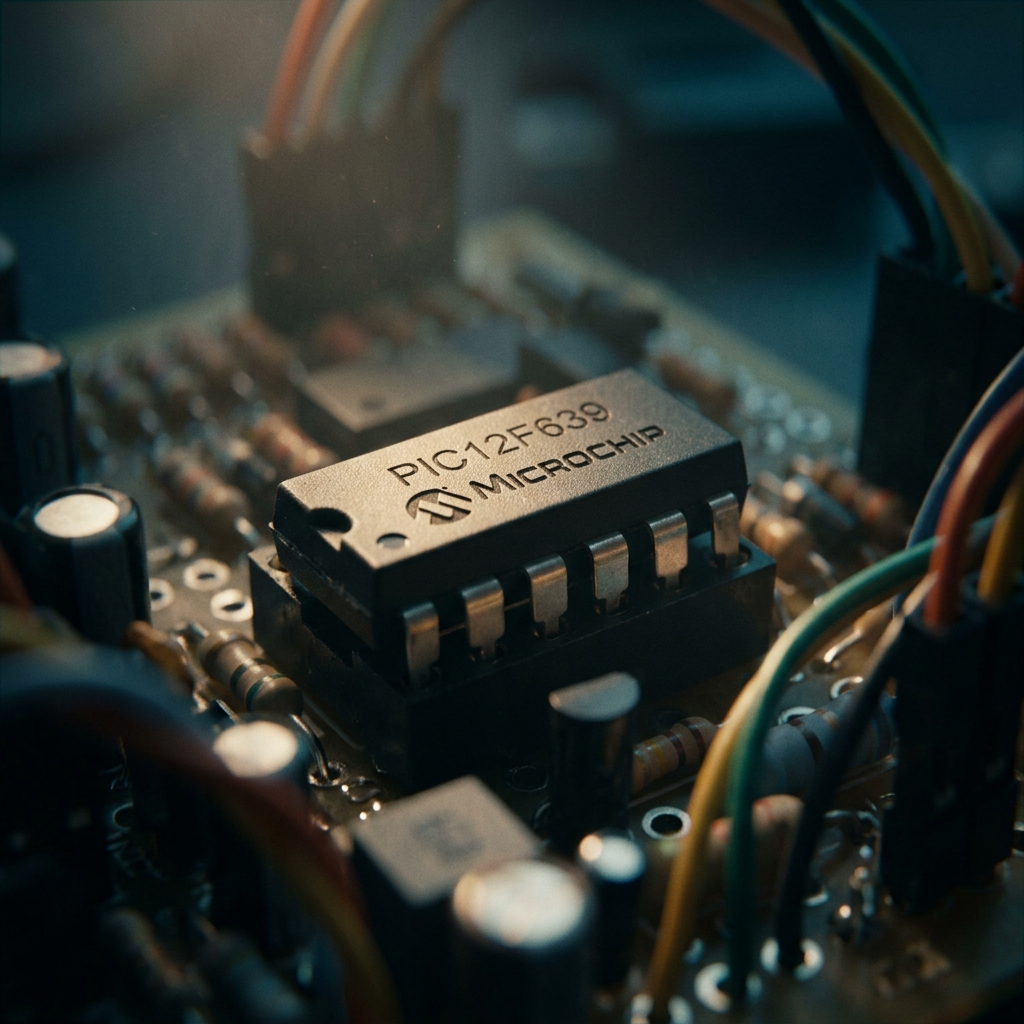
When legacy industrial hardware undergoes system modernization or forensic auditing, engineers frequently encounter rigid security configurations that prevent straightforward access to the internal logic. This operational bottleneck is where our specialized service to break ic pic12f639 heximal becomes essential. The primary purpose of performing this complex procedure on the PIC12F639 is to recover lost source code, extract valid binary files, and reconstruct a comprehensive program archive for systems whose original documentation has vanished over time. Because factory fuse settings lock down the internal memory against routine reading tools, standard debugging software fails entirely. Specialists must confront these encrypted barriers directly to retrieve the underlying heximal code safely without triggering defensive data erasure mechanisms or damaging the underlying silicon substrate.

Technical Methodologies: How to Decapsulate and Retrieve Data

Executing a successful extraction workflow requires sophisticated laboratory instruments and a deep physical understanding of advanced semiconductor architecture. To bypass hardware-level code protection on a PIC12F639 unit, technicians often need to decapsulate the silicon package using micro-chemical etching or precise laser ablation techniques. Once physical exposure of the die is achieved, specialized microprobing equipment can interact directly with the internal data buses and logic gates of the mcu. This allows the analytical team to monitor active signal paths, bypass locked security fuses, and retrieve the stored binary stream effectively. Every block of internal memory and program data is carefully mapped and translated into a readable file, ensuring that the original microprocessor instructions are captured with absolute fidelity.

End-User Value and Comprehensive System Restoration

For organizations managing aging electronic infrastructure, our professional service provides an essential bridge between obsolete hardware and modern engineering standards. The primary benefit for the end user from our service is complete asset recovery, allowing valuable intellectual property locked inside legacy PIC12F639 units to be safely restored. Instead of scrapping entire production lines or expensive control modules due to lost code, clients can rely on our precise diagnostic methodologies to generate accurate source archives. This capability ensures seamless regulatory compliance, flawless system upgrades, and uninterrupted operational continuity for any project dependent on the PIC12F639 ecosystem.

PostHeaderIcon Break IC PIC16F636 Code

The PIC16F636 is a highly versatile, embedded MCU renowned for its robust protective features, including locked flash and encrypted EEPROM sections. Widely adopted in automotive body controls, consumer electronics, industrial timers, and medical alert systems, this chip manages critical operations where reliability is non-negotiable. Its unique 14-bit core, integrated comparator module, and programmable memory architecture allow engineers to store firmware that governs everything from LED lighting sequences to sensor data logging. However, when original source code or binary files are lost due to obsolete tools, unavailable archives, or legacy product maintenance needs, a legitimate requirement emerges: to break through the chip’s own secured perimeter not for malice, but for recovery, analysis, or compatibility upgrades.
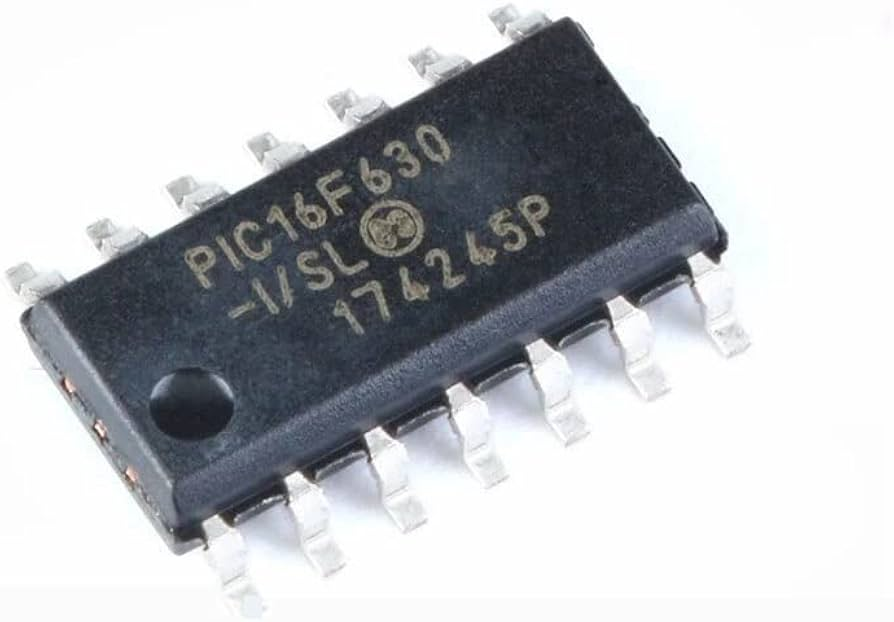
Temel amacımız, yasal sahipliği doğruladıktan sonra şifrelenmiş Microchip PIC16F636 MCU bariyerlerini aşmaktır. Microchip PIC16F636 mikroişlemcisinin bellenimini açmamıza ve almamıza izin vererek, yedek Microchip PIC16F636 MCU'lara kopyalanabilen veya yedekleme için çoğaltılabilen eksiksiz bir flash ve eeprom içeriği arşivi elde edersiniz. Korunan silikona doğrudan saldırmak için uzmanlar önce açma işlemi gerçekleştirirler - kalıbı koruyan epoksi reçineyi kimyasal olarak çıkarırlar. Mikroskobik inceleme altında, odaklanmış iyon ışını (FIB) yöntemleri veya düşük seviyeli voltaj arızaları, flash okuma korumasını aşabilir ve mühendislerin Microchip PIC16F636 mikrodenetleyicisinin belleğinden ham onaltılık (Intel HEX formatı) dosyayı almalarına olanak tanır. Başka bir yaygın yöntem ise, donanım kilitlerini tetiklemeden talimat dizilerini çözmek için yan kanal analizini kullanır. Veriler çıkarıldıktan sonra, teknisyenler EEPROM kalibrasyon değerleri ve program sayaçları da dahil olmak üzere tüm Microchip PIC16F636 MCU yapılandırmasını yeni bir çipe kopyalarlar.
Temel amacımız, yasal sahipliği doğruladıktan sonra şifrelenmiş Microchip PIC16F636 MCU bariyerlerini aşmaktır. Microchip PIC16F636 mikroişlemcisinin bellenimini açmamıza ve almamıza izin vererek, yedek Microchip PIC16F636 MCU’lara kopyalanabilen veya yedekleme için çoğaltılabilen eksiksiz bir flash ve eeprom içeriği arşivi elde edersiniz. Korunan silikona doğrudan saldırmak için uzmanlar önce açma işlemi gerçekleştirirler – kalıbı koruyan epoksi reçineyi kimyasal olarak çıkarırlar. Mikroskobik inceleme altında, odaklanmış iyon ışını (FIB) yöntemleri veya düşük seviyeli voltaj arızaları, flash okuma korumasını aşabilir ve mühendislerin Microchip PIC16F636 mikrodenetleyicisinin belleğinden ham onaltılık (Intel HEX formatı) dosyayı almalarına olanak tanır. Başka bir yaygın yöntem ise, donanım kilitlerini tetiklemeden talimat dizilerini çözmek için yan kanal analizini kullanır. Veriler çıkarıldıktan sonra, teknisyenler EEPROM kalibrasyon değerleri ve program sayaçları da dahil olmak üzere tüm Microchip PIC16F636 MCU yapılandırmasını yeni bir çipe kopyalarlar.

Peripheral Features:

· 6/12 I/O pins with individual direction control:

– High-current source/sink for direct LED drive

– Interrupt-on-pin change

– Individually programmable weak pull-ups/pull-downs

– Ultra Low-Power Wake-up

· Analog comparator module with:

– Up to two analog comparators

– Programmable on-chip voltage reference (CVREF) module (% of VDD)

– Comparator inputs and outputs externally accessible

· Timer0: 8-bit timer/counter with 8-bit programmable prescaler

· Enhanced Timer1:

– 16-bit timer/counter with prescaler

– External Gate Input mode

– Option to use OSC1 and OSC2 in LP mode as Timer1 oscillator if INTOSC mode selected

· KEELOQ® compatible hardware Cryptographic module

· In-Circuit Serial ProgrammingTM (ICSPTM) via two pins
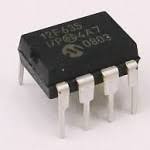
Break IC PIC12F636 Code

Low Frequency Analog Front-End Features (PIC16F639 only)

· Three input pins for 125 kHz LF input signals

· High input detection sensitivity (3 mVPP, typical)

· Demodulated data, Carrier clock or RSSI output selection

· Input carrier frequency: 125 kHz, typical

· Input modulation frequency: 4 kHz, maximum

· 8 internal configuration registers

· Bidirectional transponder communication (LF talk back)

· Programmable antenna tuning capacitance (up to 63 pF, 1 pF/step)

· Low standby current: 5 ìA (with 3 channels enabled), typical
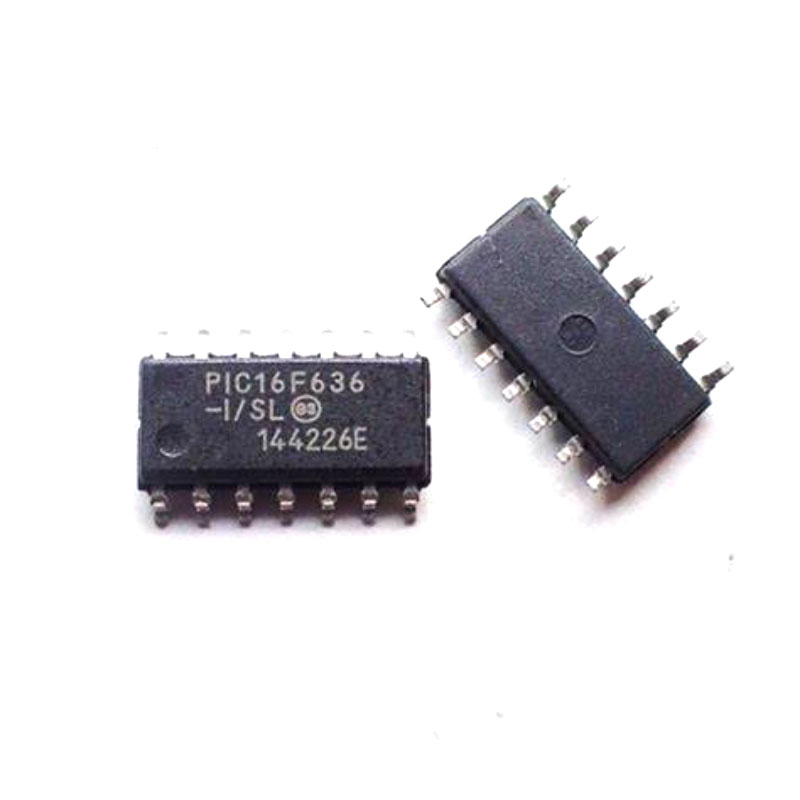
Наша основная цель — взлом зашифрованных микроконтроллеров Microchip PIC16F636 только после подтверждения законного права собственности. Доверив нам декапсуляцию и извлечение прошивки микропроцессора Microchip PIC16F636, вы получаете полный архив содержимого флэш-памяти и EEPROM, который можно клонировать на заменяющие микроконтроллеры Microchip PIC16F636 или скопировать для резервного копирования. Для прямого доступа к защищенному кристаллу специалисты сначала выполняют декапсуляцию — химическое удаление эпоксидной смолы, защищающей кристалл. При микроскопическом исследовании обходные пути с использованием сфокусированного ионного пучка (FIB) или низкоуровневые помехи напряжения могут взломать защиту чтения флэш-памяти, позволяя инженерам извлечь необработанный шестнадцатеричный файл (формат Intel HEX) из памяти микроконтроллера Microchip PIC16F636. Другой распространенный метод использует анализ побочных каналов для декодирования последовательностей инструкций без срабатывания аппаратных блокировок. После извлечения данных специалисты клонируют всю конфигурацию микроконтроллера Microchip PIC16F636, включая значения калибровки EEPROM и счетчики команд, на новый чип.

· Low operating current: 15 ìA (with 3 channels enabled), typical

· Serial Peripheral Interface (SPI™) with internal MCU and external devices

· Supports Battery Back-up mode and batteryless operation with external circuits ly LOQ® compatible hardware Cryptographic module

· In-Circuit Serial ProgrammingTM (ICSPTM) IC breakion;

 To attack the protected silicon directly, specialists first perform decapsulate – chemically removing the epoxy resin that shields the die. Under microscopic examination, focused ion beam (FIB) workarounds or low-level voltage glitching can hack the flash reading protection, allowing engineers to retrieve the raw heximal (Intel HEX format) file from memory. Another common method uses side-channel analysis to decode instruction sequences without triggering hardware locks. Once the data is extracted, technicians clone the entire MCU configuration – including eeprom calibration values and program counters – onto a new chip. Alternatively, they duplicate the archive into a software emulator, enabling firmware verification or behavioral modification. These processes require expensive labs and deep understanding of microarchitecture, which is why our service exists: to ethically break locked chips for clients who own the original hardware but cannot access its binary logic.

DEVICE OVERVIEW
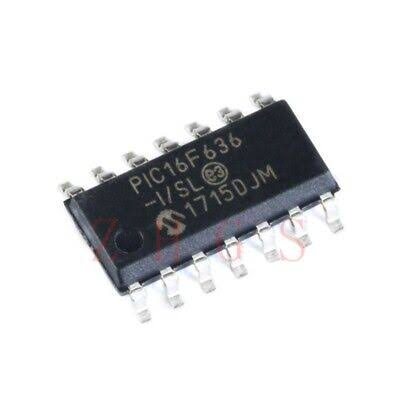
Nosso principal objetivo é invadir as barreiras criptografadas do microcontrolador Microchip PIC16F636 somente após verificar a propriedade legal. Ao nos permitir desencapsular e recuperar o firmware do microprocessador Microchip PIC16F636, você recebe um arquivo completo do conteúdo da memória flash e da EEPROM, que pode ser clonado em microcontroladores Microchip PIC16F636 de substituição ou duplicado para backup. Para atacar o silício protegido diretamente, os especialistas primeiro realizam a desencapsulação – removendo quimicamente a resina epóxi que protege o chip. Sob exame microscópico, técnicas como o feixe de íons focalizado (FIB) ou a manipulação de falhas de baixa tensão podem quebrar a proteção de leitura da memória flash, permitindo que os engenheiros recuperem o arquivo hexadecimal bruto (formato Intel HEX) da memória do microcontrolador Microchip PIC16F636. Outro método comum utiliza a análise de canal lateral para decodificar sequências de instruções sem acionar os bloqueios de hardware. Após a extração dos dados, os técnicos clonam toda a configuração do microcontrolador PIC16F636 da Microchip – incluindo os valores de calibração da EEPROM e os contadores de programa – para um novo chip.

This document contains device specific information for the PIC12F635/PIC16F636/639 devices. Additional information may be found in the “PICmicro® Mid-Range MCU Family Reference Manual” (DS33023), which may be obtained from your local Microchip Sales Representative or downloaded from the Microchip web site. The reference manual should be considered a complementary document to this data sheet and is highly recommended reading for a better understanding of the device architecture and operation of the peripheral modules.
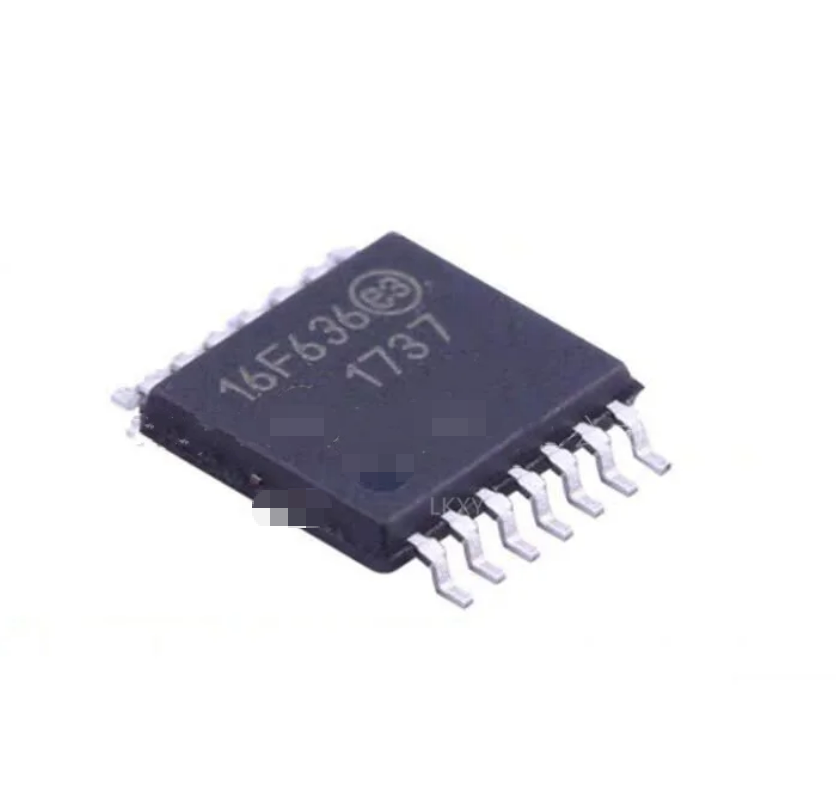
Naším hlavním účelem je prolomit šifrované bariéry mikrokontroléru Microchip PIC16F636 pouze po ověření legálního vlastnictví. Tím, že nám dovolíte dekapsulovat a získat firmware mikroprocesoru Microchip PIC16F636, získáte kompletní archiv obsahu flash a eeprom, který lze klonovat na náhradní mikrokontroléry Microchip PIC16F636 nebo duplikovat pro zálohování. Pro přímý útok na chráněný křemík specialisté nejprve provedou dekapsulaci – chemické odstranění epoxidové pryskyřice, která chrání čip. Při mikroskopickém zkoumání mohou obejití fokusovaným iontovým paprskem (FIB) nebo nízkoúrovňové napěťové zkratky prolomit ochranu proti čtení flash, což umožňuje inženýrům získat surový heximální soubor (formát Intel HEX) z paměti mikrokontroléru Microchip PIC16F636. Další běžná metoda využívá analýzu postranních kanálů k dekódování instrukčních sekvencí bez spuštění hardwarových zámků. Jakmile jsou data extrahována, technici naklonují celou konfiguraci mikrokontroléru Microchip PIC16F636 – včetně kalibračních hodnot eeprom a programových čítačů – na nový čip.

Our core purpose is to hack through encrypted barriers only after verifying legal ownership. The primary benefit is avoiding total system obsolescence. Consider an industrial conveyor controller built around the PIC16F636: if the sole source code was lost in a server crash, production lines would freeze. By allowing us to decapsulate and retrieve the firmware, you receive a complete archive of flash and eeprom content, which can be cloned onto replacement MCUs or duplicated for backup. Similarly, medical devices with secured but outdated logic can be decoded to improve safety patches without redesigning certified hardware. The data we recover remains bit-perfect – preserving timings, interrupt vectors, and trim values that generic heximal files often miss. End users gain a second life for embedded products, reduce e-waste, and circumvent expensive redesigns. Our service transforms a locked silicon puzzle into an open program that you control again, legally and efficiently.
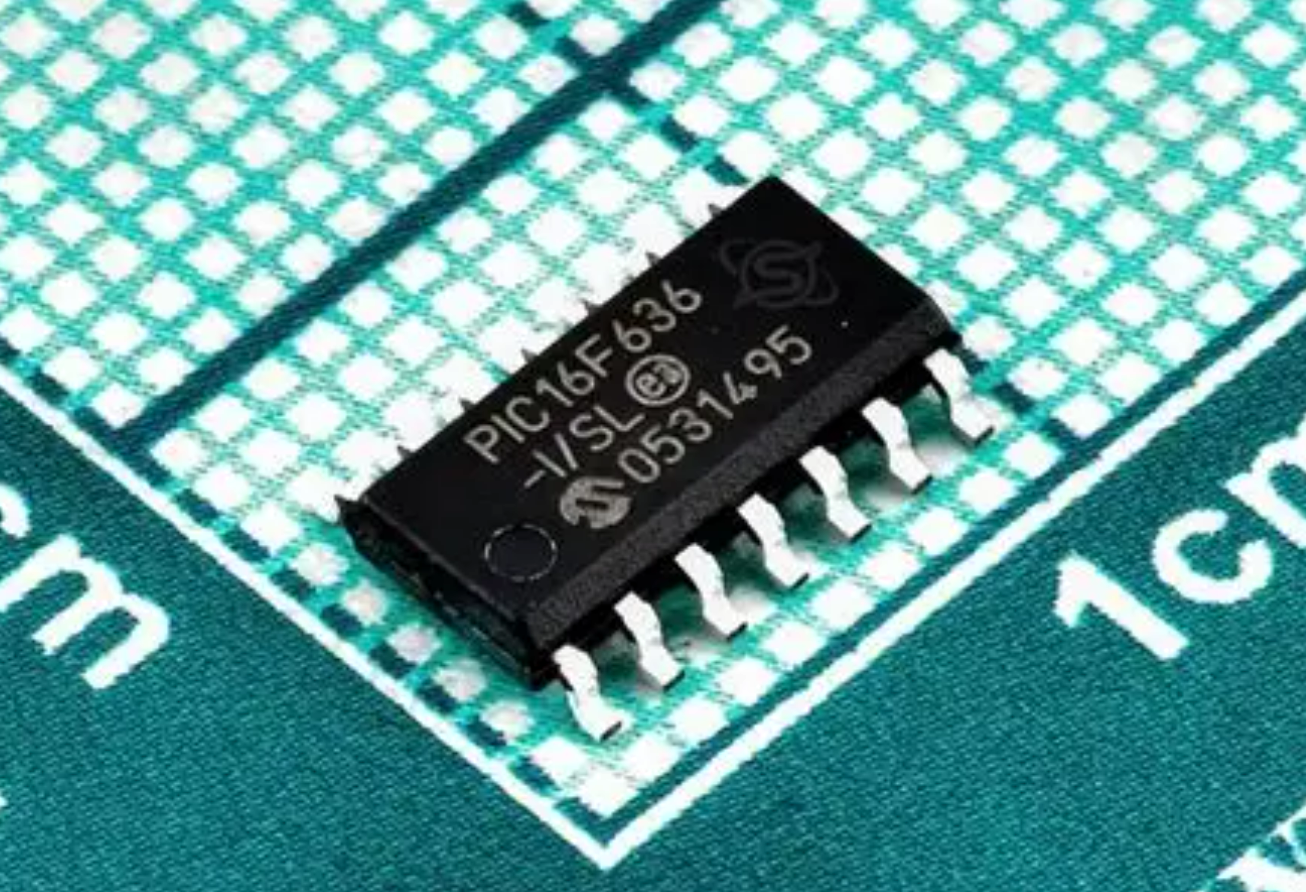
Fő célunk a titkosított Microchip PIC16F636 MCU-k védelmi vonalainak feltörése, kizárólag a jogi tulajdonjog ellenőrzése után. Azzal, hogy engedélyezzük számunkra a Microchip PIC16F636 mikroprocesszor firmware-jének dekapszulázását és visszaszerzését, a flash és eeprom tartalom teljes archívumát kapja meg, amelyet klónozhat a csere Microchip PIC16F636 MCU-kra, vagy lemásolhat biztonsági mentés céljából. A védett szilícium közvetlen megtámadásához a szakemberek először dekapszulázást végeznek – kémiailag eltávolítják a chipet védő epoxigyantát. Mikroszkópos vizsgálat alatt fókuszált ionsugaras (FIB) megoldásokkal vagy alacsony szintű feszültségzavarral feltörhetik a flash olvasásvédelmet, lehetővé téve a mérnökök számára, hogy a nyers heximális (Intel HEX formátumú) fájlt kinyerjék a Microchip PIC16F636 mikrovezérlő memóriájából. Egy másik elterjedt módszer az oldalcsatorna-analízist használja az utasításszekvenciák dekódolására hardveres zárolások kiváltása nélkül. Miután az adatokat kinyerték, a technikusok a teljes Microchip PIC16F636 MCU konfigurációt – beleértve az eeprom kalibrációs értékeket és a programszámlálókat is – egy új chipre klónozzák.

PostHeaderIcon Break IC PIC12F635 Program

Break IC PIC12F635 Program

Break IC PIC12F635 Program from eeprom and flash memory, and extract it out from it:

High-Performance RISC CPU:

· Only 35 instructions to learn:

– All single-cycle instructions except branches

· Operating speed:

– DC – 20 MHz oscillator/clock input

– DC – 200 ns instruction cycle

· Interrupt capability

· 8-level deep hardware stack

· Direct, Indirect and Relative Addressing modes

Special Microcontroller Features:

· Precision Internal Oscillator:

– Factory calibrated to ±1%

– Software selectable frequency range of 8 MHz to 31 kHz

– Software tunable

– Two-Speed Start-up mode

– Crystal fail detect for critical applications

· Clock mode switching for low power operation

· Power-saving Sleep mode

· Wide operating voltage range (2.0V-5.5V)

· Industrial and Extended Temperature range

· Power-on Reset (POR)

· Wake-up Reset (WUR)

· Independent weak pull-up/pull-down resistors

· Programmable Low-Voltage Detect (PLVD)

· Power-up Timer (PWRT) and Oscillator Start-up Timer (OST)

· Brown-out Detect (BOD) with software control option

· Enhanced Low-Current Watchdog Timer (WDT) with on-chip oscillator (software selectable nominal 268 seconds with full prescaler) with software enable

· Multiplexed Master Clear with pull-up/input pin

· Programmable code protection (program and data independent)

· High-Endurance Flash/EEPROM cell:

– 100,000 write Flash endurance

– 1,000,000 write EEPROM endurance

– Flash/Data EEPROM Retention: > 40 years

· Standby Current:

– 1 nA @ 2.0V, typical

· Operating Current:

– 8.5 ìA @ 32 kHz, 2.0V, typical

– 100 ìA @ 1 MHz, 2.0V, typical

· Watchdog Timer Current:

– 1 ìA @ 2.0V, typical

PostHeaderIcon Break IC PIC12F609 Heximal

Break IC PIC12F609 Heximal

Break IC PIC12F609 Heximal from eeprom and flash memory, and then transfer the heximal into other blank PIC12F609 which will provide the same functions:

Program Memory Organization

The PIC12F609 has a 13-bit program counter capable of addressing an 8K x 14 program memory space. Only the first 1K x 14 (0000h-03FFh) for the PIC12F609/615/12HV609/615 is physically implemented. Accessing a location above these boundaries will cause a wraparound within the first 1K x 14 space. The Reset vector is at 0000h and the interrupt vector is at 0004h.

Data Memory Organization

The data memory (see Figure 2-2) is partitioned into two banks, which contain the General Purpose Registers (GPR) and the Special Function Registers (SFR). The Special Function Registers are located in the first 32 locations of each bank.

Register locations 40h-7Fh in Bank 0 are General Purpose Registers, implemented as static RAM. Register locations F0h-FFh in Bank 1 point to addresses 70h-7Fh in Bank 0. All other RAM is unimplemented and returns ‘0’ when read. The RP0 bit of the STATUS register is the bank select bit.
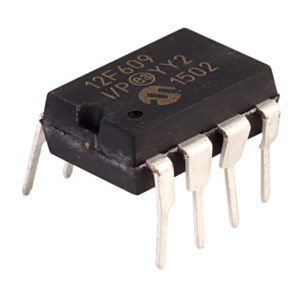
Break IC PIC12F609 Heximal

Break IC PIC12F609 Heximal

The Special Function Registers are registers used by the CPU and peripheral functions for controlling the desired operation of the device. These registers are static RAM.

The special registers can be classified into two sets: core and peripheral. The Special Function Registers associated with the “core” are described in this section. Those related to the operation of the peripheral features are described in the section of that peripheral feature.

The STATUS register, shown in Register 2-1, contains:

· the arithmetic status of the ALU

· the Reset status

· the bank select bits for data memory (RAM)

The STATUS register can be the destination for any instruction, like any other register. If the STATUS register is the destination for an instruction that affects the Z, DC or C bits, then the write to these three bits is disabled. These bits are set or cleared according to the device logic. Furthermore, the TO and PD bits are not writable. Therefore, the result of an instruction with the STATUS register as destination may be different than intended for the purpose of CLONE IC.

PostHeaderIcon Break IC PIC12F615 Software

Break IC PIC12F615 Software

Break IC PIC12F615 Software from its memory, it is important to know the basic features of PIC12F615 and then disable its protection mechanism:


High-Performance RISC CPU:

· Only 35 instructions to learn:

– All single-cycle instructions except branches

· Operating speed:

– DC – 20 MHz oscillator/clock input

– DC – 200 ns instruction cycle

· Interrupt capability

· 8-level deep hardware stack

· Direct, Indirect and Relative Addressing modes


Special Microcontroller Features:

· Precision Internal Oscillator:

– Factory calibrated to ±1%, typical

– Software selectable frequency: 4 MHz or 8 MHz

· Power-Saving Sleep mode

· Voltage range:

– PIC12F609/615: 2.0V to 5.5V

– PIC12HV609/615: 2.0V to user defined maximum (see note)

· Industrial and Extended Temperature range

· Power-on Reset (POR)

· Power-up Timer (PWRT) and Oscillator Start-up Timer (OST)

· Brown-out Reset (BOR)

· Watchdog Timer (WDT) with independent oscillator for reliable operation

· Multiplexed Master Clear with pull-up/input pin

· Programmable code protection

· High Endurance Flash:

– 100,000 write Flash endurance

– Flash retention: > 40 years
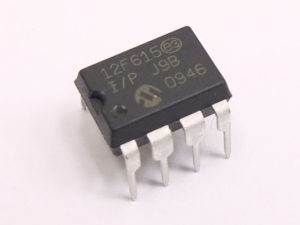
Break IC PIC12F615 Software

Break IC PIC12F615 Software

Low-Power Features:

· Standby Current:

– 50 nA @ 2.0V, typical

· Operating Current:

– 11 ìA @ 32 kHz, 2.0V, typical

– 260 ìA @ 4 MHz, 2.0V, typical

· Watchdog Timer Current:

– 1 ìA @ 2.0V, typical


Peripheral Features:

· Shunt Voltage Regulator (PIC12HV609/615 only)

– 5 volt regulation

– 4 mA to 50 mA shunt range

· 5 I/O pins and 1 input only

· High current source/sink for direct LED drive

– Interrupt-on-pin change or pins

– Individually programmable weak pull-ups

· Analog Comparator module with:

– One analog comparator

– Programmable on-chip voltage reference (CVREF) module (% of VDD)

– Comparator inputs and output externally accessible

– Built-In Hysteresis (software selectable)

· Timer0: 8-bit timer/counter with 8-bit programmable prescaler

· Enhanced Timer1:

– 16-bit timer/counter with prescaler

– External Timer1 Gate (count enable)

– Option to use OSC1 and OSC2 in LP mode as Timer1 oscillator if INTOSC mode selected

– Option to use system clock as Timer1

· In-Circuit Serial ProgrammingTM (ICSPTM) via two pins

PIC12F615/HV615 ONLY:

· Enhanced Capture, Compare, PWM module:

– 16-bit Capture, max. resolution 12.5 ns

– Compare, max. resolution 200 ns

– 10-bit PWM with 1 or 2 output channels, 1 output channel programmable “dead time”, max. frequency 20 kHz, auto-shutdown

· A/D Converter:

– 10-bit resolution and 4 channels, samples internal voltage references

· Timer2: 8-bit timer/counter with 8-bit period register, prescaler and postscaler

PostHeaderIcon Break IC PIC16F616 Heximal

Break IC PIC16F616 Heximal

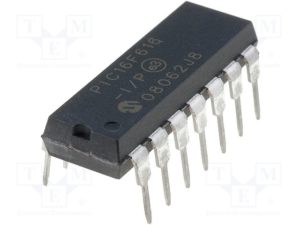
Break IC PIC16F616 Heximal from the program memory, below we will introduce the program memory organization chart so you can have a better idea about how to get access to the wafer die:


PIC16F616/16HV616 only:

· A/D Converter:

– 10-bit resolution

– 8 external input channels

– 2 internal reference channels

· Timer2: 8-bit timer/counter with 8-bit period register, prescaler and postscaler

· Enhanced Capture, Compare, PWM module:

– 16-bit Capture, max. resolution 12.5 ns

– 16-bit Compare, max. resolution 200 ns

– 10-bit PWM with 1, 2 or 4 output channels, programmable “dead time”, max. frequency 20 kHz

Program Memory Organization of PIC16F616/16HV616

The PIC16F610/616/16HV610/616 has a 13-bit program counter capable of addressing an 8k x 14 program memory space. Only the first 1K x 14 (0000h-3FF) for the PIC16F610/16HV610 and the first 2K x 14 (0000h-07FFh) for the PIC16F616/16HV616 is physically implemented. Accessing a location above these boundaries will cause a wraparound within the first 1K x 14 space (PIC16F610/16HV610) and 2K x 14 space (PIC16F616/16HV616). The Reset vector is at 0000h and the interrupt vector is at 0004h.
 

Break IC PIC16F616 Heximal

Break IC PIC16F616 Heximal


The data memory (see Figure 2-4) is partitioned into two banks, which contain the General Purpose Registers (GPR) and the Special Function Registers (SFR). The Special Function Registers are located in the first 32 locations of each bank.

PIC16F610/16HV610 Register locations 40h-7Fh in Bank 0 are General Purpose Registers, implemented PC gram counter capable of addressing an 8k x 14 program memory space. Only the first 1K x 14 (0000h-3FF) for the PIC16F610/16HV610 and the first 2K x 14 (0000h-07FFh) for the PIC16F616/16HV616 is physically implemented.

Accessing a location above these boundaries will cause a wraparound within the first 1K x 14 space (PIC16F610/16HV610) and 2K x 14 space (PIC16F616/16HV616). The Reset vector is at 0000h and the interrupt vector is at 0004h.

PostHeaderIcon Attack PIC MCU 16F506 Code

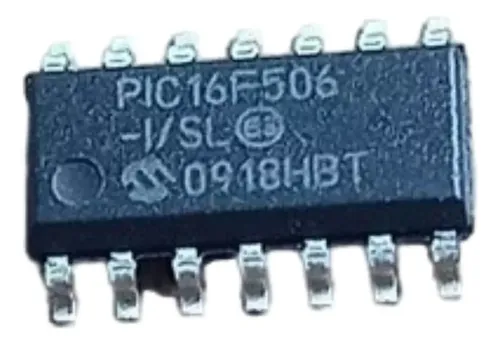
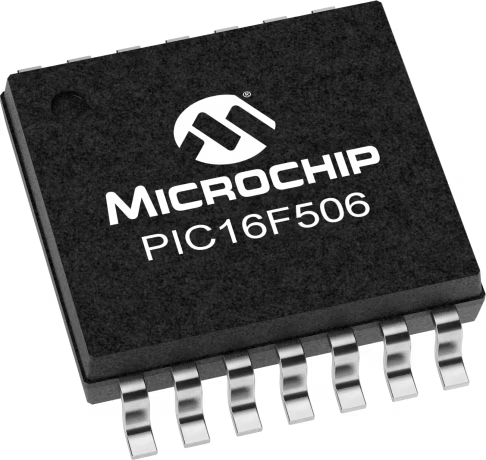
The PIC16F506 is a remarkably compact and efficient 14-pin MCU that has found its way into countless specialized applications since its inception. Known for its cost-effective Flash-based CMOS technology, this microcontroller is widely utilized in sectors ranging from basic consumer electronics and toy manufacturing to more sophisticated automotive climate controls and industrial timing relays. Its unique features, such as an internal 4MHz oscillator and a diverse set of I/O pins within a small footprint, make it an ideal candidate for embedded systems where space and power efficiency are paramount. However, most of these units are deployed with protective security bits enabled, creating a locked environment that safeguards the internal logic. For many organizations, the inability to access this secured program during a hardware failure or after losing the original development archive can lead to a complete operational standstill.
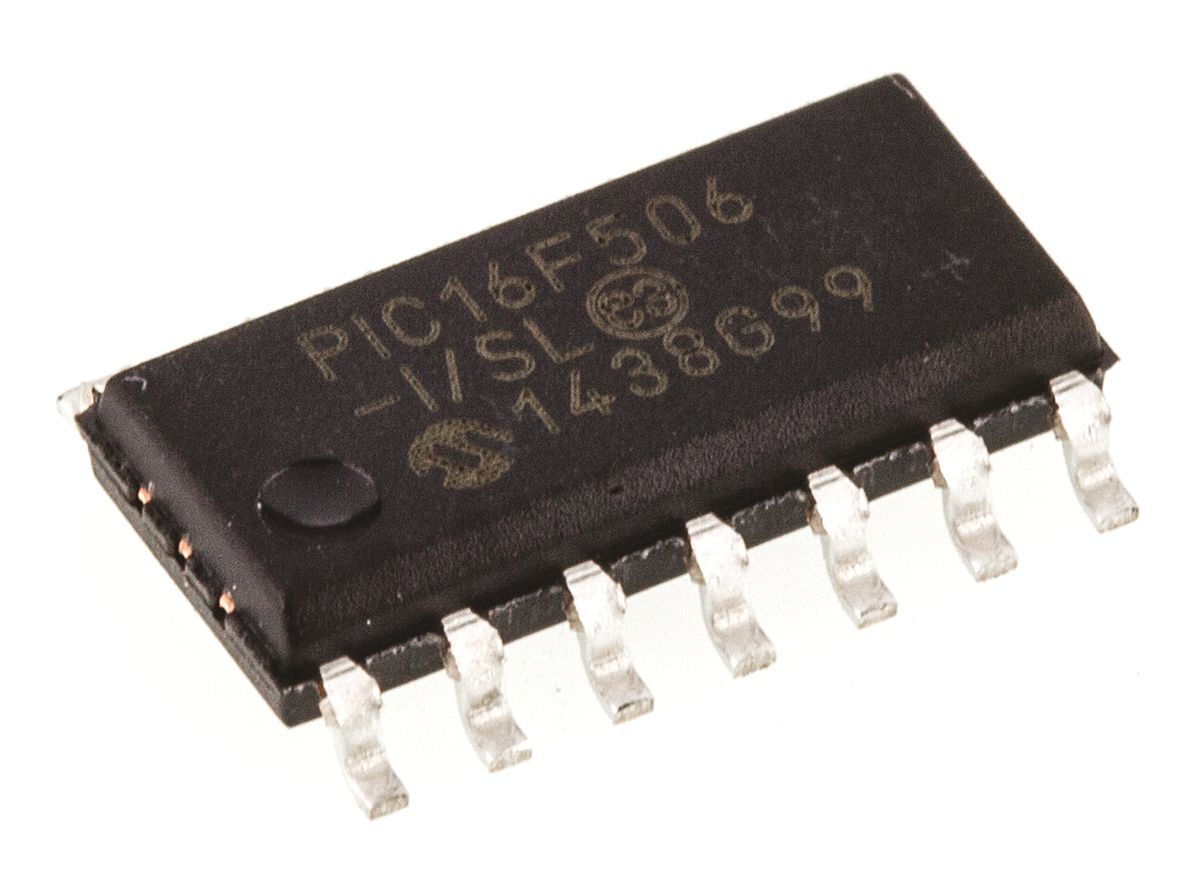
Hexal programı kolayca alabilir ve kilitli verileri doğrudan yeni bir Microchip PIC16F506 MCU'ya kopyalayabilirsiniz. Bu yüksek güvenlikli Microchip PIC16F506 mikrodenetleyicilerini açmak ve bunlara saldırmak için gereken hassasiyet konusunda uzmanlaşmış durumdayız. Güvenli bir Microchip PIC16F506 mikroişlemcisinin yazılımını çözmek ve kopyalamak için güvenilir bir yol sağlayarak, korunan bir arşivi mevcut teknolojik ekosisteminizin yaşayan, işlevsel bir parçasına dönüştürüyoruz. Bu donanım düzeyindeki engellere saldırın ve silikon içinde depolanan kritik ikili verileri alın. Korunan bir Microchip PIC16F506 MCU'nun güvenliğini başarıyla kırmak için laboratuvarımız, Microchip PIC16F506 mikrodenetleyicisini açmak ve iç bellek yapısını doğrudan analiz için ortaya çıkarmak üzere özel bir işlem kullanır. Bu, mühendislerimizin hexal dosyayı doğrudan flash veya eeprom segmentlerinden çözmesine ve güvenli Microchip PIC16F506 mikroişlemcisinin şifrelenmiş veya güvenli durumunu etkili bir şekilde atlamasına olanak tanır. İster üretim hattı sürekliliğini sağlamak için eski bir Microchip PIC16F506 mikrodenetleyicisini klonlamak, isterse de önemli bakım için kilitli bir üniteden bellenimi kopyalamak olsun, hizmetimiz çipin fiziksel sınırlamalarını aşmanın en güvenilir yolunu sunar.
Hexal programı kolayca alabilir ve kilitli verileri doğrudan yeni bir Microchip PIC16F506 MCU’ya kopyalayabilirsiniz. Bu yüksek güvenlikli Microchip PIC16F506 mikrodenetleyicilerini açmak ve bunlara saldırmak için gereken hassasiyet konusunda uzmanlaşmış durumdayız. Güvenli bir Microchip PIC16F506 mikroişlemcisinin yazılımını çözmek ve kopyalamak için güvenilir bir yol sağlayarak, korunan bir arşivi mevcut teknolojik ekosisteminizin yaşayan, işlevsel bir parçasına dönüştürüyoruz. Bu donanım düzeyindeki engellere saldırın ve silikon içinde depolanan kritik ikili verileri alın. Korunan bir Microchip PIC16F506 MCU’nun güvenliğini başarıyla kırmak için laboratuvarımız, Microchip PIC16F506 mikrodenetleyicisini açmak ve iç bellek yapısını doğrudan analiz için ortaya çıkarmak üzere özel bir işlem kullanır. Bu, mühendislerimizin hexal dosyayı doğrudan flash veya eeprom segmentlerinden çözmesine ve güvenli Microchip PIC16F506 mikroişlemcisinin şifrelenmiş veya güvenli durumunu etkili bir şekilde atlamasına olanak tanır. İster üretim hattı sürekliliğini sağlamak için eski bir Microchip PIC16F506 mikrodenetleyicisini klonlamak, isterse de önemli bakım için kilitli bir üniteden bellenimi kopyalamak olsun, hizmetimiz çipin fiziksel sınırlamalarını aşmanın en güvenilir yolunu sunar.

Our high-precision technical service offers a professional methodology to attack these hardware-level barriers and retrieve the critical binary data stored within the silicon. To successfully break the security of a protected MCU, our laboratory utilizes a specialized process to decapsulate the chip, exposing the internal memory structure for direct analysis. This allows our engineers to decode the heximal file directly from the flash or eeprom segments, effectively bypassing the encrypted or secured status of the device. Whether the objective is to clone a legacy controller to ensure production line continuity or to duplicate the firmware from a locked unit for essential maintenance, our service provides the most reliable way to hack the physical limitations of the chip. By transforming a protected binary back into a usable source code resource, we ensure that your embedded intelligence is never truly lost.
We can attack PIC MCU 16F506 Code, please view the PIC MCU features for your reference:

High-Performance RISC CPU:

· Only 33 single-word instructions to learn

· All single-cycle instructions except for program branches, which are two-cycle

· 12-bit wide instructions

· 2-level deep hardware stack

· Direct, Indirect and Relative Addressing modes for data and instructions

· 8-bit wide data path

· 10 Special Function Hardware registers (PIC12F510)

· 13 Special Function Hardware registers (PIC16F506)

· Operating speed:

– DC – 8 MHz Crystal Oscillator (PIC12F510)

– DC – 500 ns instruction cycle (PIC12F510)

– DC – 20 MHz Crystal Oscillator (PIC16F506)

– DC – 200 ns instruction cycle (PIC16F506)

Special Microcontroller Features:
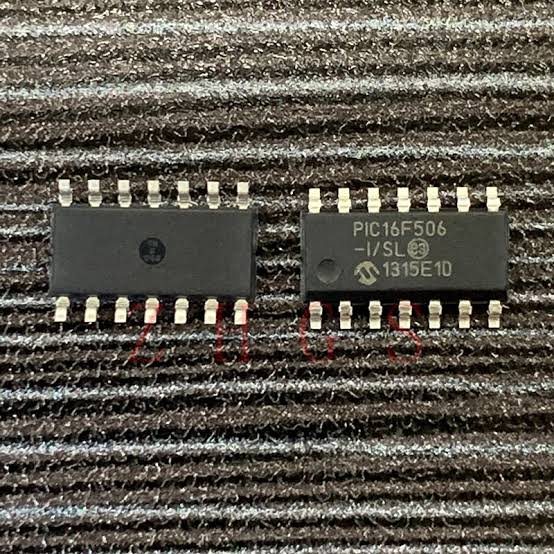
Вы можете легко получить шестнадцатеричный код программы и клонировать заблокированные данные непосредственно на новый микроконтроллер Microchip PIC16F506. Мы специализируемся на точности, необходимой для декапсуляции и атаки на эти высокозащищенные микроконтроллеры Microchip PIC16F506. Предоставляя надежный способ декодирования и копирования прошивки защищенного микропроцессора Microchip PIC16F506, мы превращаем защищенный архив в живую, функциональную часть вашей текущей технологической экосистемы. Атакуйте эти аппаратные барьеры и получите критически важные двоичные данные, хранящиеся внутри кремния. Для успешного взлома защищенного микроконтроллера Microchip PIC16F506 наша лаборатория использует специализированный процесс декапсуляции микроконтроллера Microchip PIC16F506, открывая внутреннюю структуру памяти для прямого анализа. Это позволяет нашим инженерам декодировать шестнадцатеричный файл непосредственно из сегментов флэш-памяти или EEPROM, эффективно обходя зашифрованное или защищенное состояние защищенного микропроцессора Microchip PIC16F506. Независимо от того, является ли целью клонирование устаревшего микроконтроллера Microchip PIC16F506 для обеспечения непрерывности производственной линии или дублирование прошивки с заблокированного устройства для необходимого технического обслуживания, наша услуга предоставляет наиболее надежный способ преодоления физических ограничений микросхемы.

· 4 or 8 MHz selectable precision internal oscillator:

– Factory calibrated to ±1% when attack PIC MCU

· In-Circuit Serial Programming™ (ICSP™)

· In-Circuit Debugging (ICD) support

· Power-on Reset (POR)

· Device Reset Timer (DRT):

– Short DRT (1.125 ms, typical) for INTOSC, EXTRC and EC

– DRT (18 ms, typical) for HS, XT and LP

· Watchdog Timer (WDT) with dedicated on-chip RC oscillator for reliable operation

· Programmable code protection

· Multiplexed MCLR input pin if attack PIC MCU

· Selectable internal weak pull-ups on I/O pins

· Power-Saving Sleep mode

· Wake-up from Sleep on pin change

· Wake-up from Sleep on comparator change

Selectable oscillator options:

– INTOSC: 4/8 MHz precision Internal oscillator

– EXTRC: External low-cost RC oscillator

– XT: Standard crystal/resonator

– LP: Power-saving, low-frequency crystal

– HS: High-speed crystal/resonator (PIC16F506 only)

– EC: High-speed external clock input (PIC16F506 only)

· Analog-to-Digital (A/D) Converter:

– 8-bit resolution

– 4-input channels (1 channel is dedicated to conversion of the internal 0.6V absolute voltage reference)

· High current sink/source for direct LED drive

· 8-bit real-time clock/counter (TMR0) with 8-bit programmable prescaler

Low-Power Features/CMOS Technology:
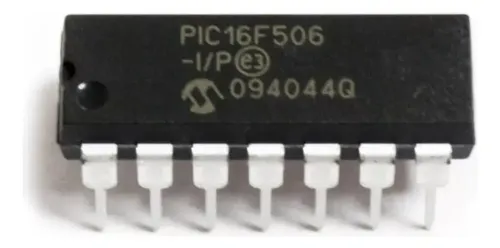
Você pode simplesmente recuperar o programa hexadecimal e clonar os dados bloqueados diretamente para um novo microcontrolador Microchip PIC16F506. Somos especializados na precisão necessária para desencapsular e atacar esses microcontroladores Microchip PIC16F506 de alta segurança. Ao fornecer um método confiável para decodificar e duplicar o firmware de um microprocessador Microchip PIC16F506 protegido, transformamos um arquivo protegido em uma parte funcional e ativa do seu ecossistema tecnológico atual. Ataque essas barreiras de hardware e recupere os dados binários críticos armazenados no silício. Para quebrar com sucesso a segurança de um microcontrolador Microchip PIC16F506 protegido, nosso laboratório utiliza um processo especializado para desencapsular o microcontrolador, expondo a estrutura de memória interna para análise direta. Isso permite que nossos engenheiros decodifiquem o arquivo hexadecimal diretamente dos segmentos de flash ou eeprom, contornando efetivamente o status criptografado ou seguro do microprocessador Microchip PIC16F506. Seja para clonar um microcontrolador Microchip PIC16F506 antigo e garantir a continuidade da linha de produção, ou para duplicar o firmware de uma unidade bloqueada para manutenção essencial, nosso serviço oferece a maneira mais confiável de contornar as limitações físicas do chip.

· Operating Current:

– < 170 ìA @ 2V, 4 MHz

· Standby Current:

– 100 nA @ 2V, typical

· Low-power, high-speed Flash technology:

– 100,000 cycle Flash endurance

– > 40-year retention

· Fully static design

· Wide operating voltage range: 2.0V to 5.5V

· Wide temperature range:

– Industrial: -40°C to +85°C

– Extended: -40°C to +125°C e:AR-SA’>programmable prescaler

The fundamental purpose of performing a targeted attack to break the security of a PIC16F506 is to protect the long-term viability of proprietary technology in an era of rapid obsolescence. For end users, the ability to retrieve a heximal archive from a locked MCU is often the only way to clone or duplicate vital system components when a supplier no longer exists. By choosing to decode or hack the secured architecture of an existing chip, you can successfully migrate your program data to new hardware without the massive expense of a ground-up redesign. Our expertise ensures that you can duplicate the flash and eeprom contents of any embedded controller, ensuring that your protected logic remains an accessible asset for your organization. This technical bridge allows for the seamless recovery of a binary file that would otherwise be permanently trapped within a secured silicon housing.
Můžete jednoduše načíst heximální program a naklonovat uzamčená data přímo na nový mikrokontrolér Microchip PIC16F506. Specializujeme se na přesnost potřebnou k dekapsulaci a útoku na tyto vysoce zabezpečené mikrokontroléry Microchip PIC16F506. Poskytováním spolehlivého způsobu dekódování a duplikace firmwaru zabezpečeného mikroprocesoru Microchip PIC16F506 proměňujeme chráněný archiv v živou a funkční součást vašeho současného technologického ekosystému. Zaútočte na tyto hardwarové bariéry a načtěte kritická binární data uložená v křemíku. Abychom úspěšně prolomili zabezpečení chráněného mikrokontroléru Microchip PIC16F506, naše laboratoř využívá specializovaný proces k dekapsulaci mikrokontroléru Microchip PIC16F506, čímž odhaluje strukturu vnitřní paměti pro přímou analýzu. To umožňuje našim inženýrům dekódovat heximální soubor přímo ze segmentů flash nebo eeprom, čímž efektivně obcházejí šifrovaný nebo zabezpečený stav zabezpečeného mikroprocesoru Microchip PIC16F506. Ať už je cílem naklonovat starší mikrokontrolér Microchip PIC16F506 pro zajištění kontinuity výrobní linky, nebo duplikovat firmware z uzamčené jednotky pro nezbytnou údržbu, naše služba poskytuje nejspolehlivější způsob, jak obejít fyzická omezení čipu.

Ultimately, our recovery service provides the end user with an unparalleled level of hardware independence and peace of mind. Instead of struggling with the impossible task of recreating lost source code, you can simply retrieve the heximal program and clone the locked data directly onto a fresh MCU. We specialize in the precision required to decapsulate and attack these high-security chips, ensuring that every binary file is handled with surgical accuracy and total integrity. By providing a reliable way to decode and duplicate the firmware of a secured PIC16F506, we turn a protected archive into a living, functional part of your current technological ecosystem. Our commitment is to ensure that your data, memory, and program files remain within your control, regardless of the protective measures originally placed upon the embedded silicon.
Egyszerűen lekérheti a heximális programot, és a zárolt adatokat közvetlenül egy új Microchip PIC16F506 MCU-ra klónozhatja. Szakterületünk a nagy biztonságú Microchip PIC16F506 mikrovezérlők dekapszulázásához és támadásához szükséges pontosság. Azzal, hogy megbízható módszert biztosítunk a biztonságos Microchip PIC16F506 mikroprocesszor firmware-jének dekódolására és másolására, a védett archívumot a jelenlegi technológiai ökoszisztéma élő, funkcionális részévé alakítjuk. Támadja meg ezeket a hardverszintű akadályokat, és nyerje vissza a szilíciumban tárolt kritikus bináris adatokat. A védett Microchip PIC16F506 MCU biztonságának sikeres feltöréséhez laboratóriumunk egy speciális eljárást alkalmaz a Microchip PIC16F506 mikrovezérlő dekapszulázására, a belső memória szerkezetét közvetlen elemzés céljából elérhetővé téve. Ez lehetővé teszi mérnökeink számára, hogy a heximális fájlt közvetlenül a flash vagy eeprom szegmensekből dekódolják, hatékonyan megkerülve a biztonságos Microchip PIC16F506 mikroprocesszor titkosított vagy biztonságos állapotát. Akár egy régebbi Microchip PIC16F506 mikrovezérlő klónozása a gyártósor folytonosságának biztosítása érdekében, akár a firmware másolása egy zárolt egységről az alapvető karbantartás érdekében, szolgáltatásunk a legmegbízhatóbb módszert kínálja a chip fizikai korlátainak feltörésére.

PostHeaderIcon Recover Chip PIC16C77 Code

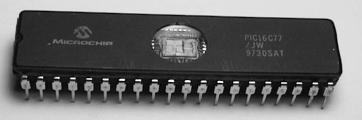
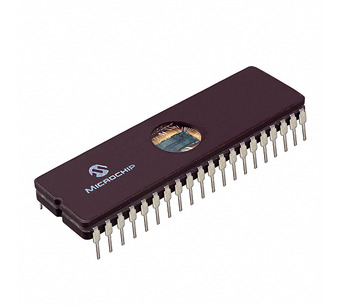
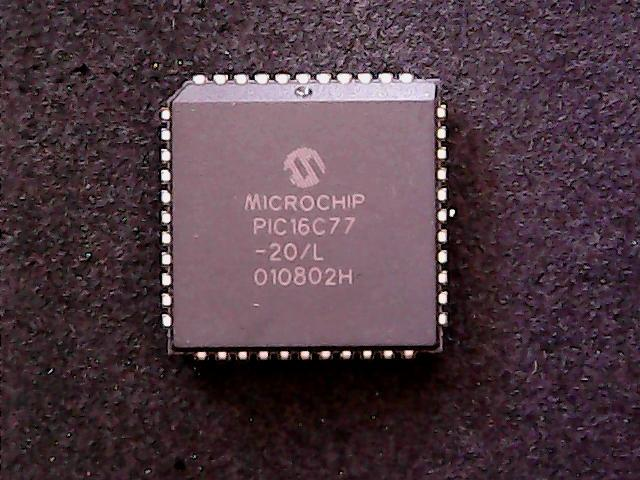
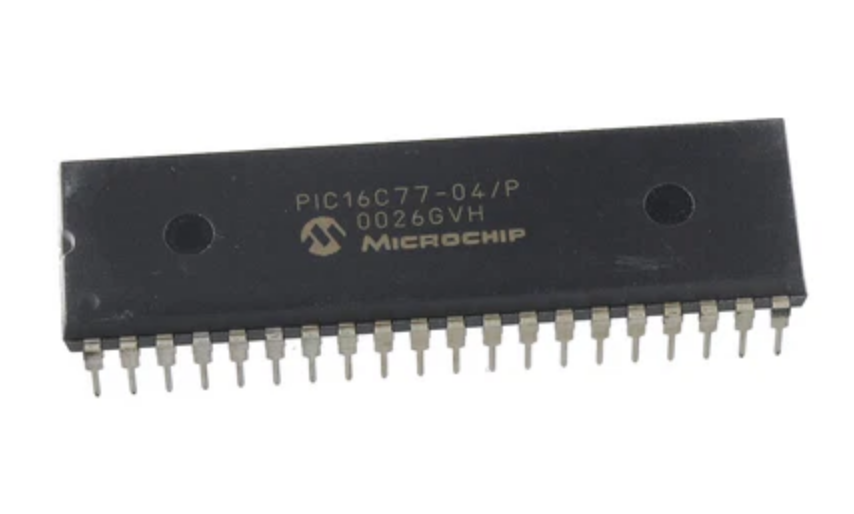
The PIC16C77 stands as a robust pillar in the world of 8-bit embedded control, specifically engineered for high-end applications requiring extensive I/O and sophisticated timing functions. This versatile MCU is a critical component in various high-stakes industries, including aerospace instrumentation, heavy industrial robotics, and advanced telecommunication switching systems. Its unique features—such as a large memory space for its era and high-speed execution—make it indispensable for managing complex data streams and real-time control algorithms. However, because these chips often utilize protective security bits to keep the internal firmware locked, many organizations find themselves in a precarious position when a device fails or the original source code is lost, leaving the secured logic unreachable through conventional means.
Korunan bir Microchip PIC16C77 mikrodenetleyicisinin güvenliğini kırmak için hedefli bir saldırı gerçekleştirmek, aksi takdirde zorunlu eskimeye maruz kalacak kritik altyapının sürekliliğini sağlamak içindir. Kilitli bir Microchip PIC16C77 MCU'dan onaltılık arşivi alma yeteneği, toplam sistem yeniden tasarımının getirdiği büyük maliyetlerden kaçınmayı sağlayan stratejik bir gerekliliktir. Güvenli Microchip PIC16C77 mikroişlemcisinin dahili belleğini çözmeyi veya hacklemeyi seçerek, müşterilerimiz hayati önem taşıyan yazılımlarını yeni Microchip PIC16C77 MCU donanımına başarıyla kopyalayabilir veya çoğaltabilirler. Bu, ikili verilerin, orijinal üretici artık parçayı desteklemediğinde bile işlevsel bir varlık olarak kalmasını sağlar. Uzmanlığımız, herhangi bir gömülü Microchip PIC16C77 mikrodenetleyicisinin flash ve eeprom içeriğini kopyalamanıza olanak tanıyarak, korunan mantığınızın uzun vadede korunmasını sağlar.
Korunan bir Microchip PIC16C77 mikrodenetleyicisinin güvenliğini kırmak için hedefli bir saldırı gerçekleştirmek, aksi takdirde zorunlu eskimeye maruz kalacak kritik altyapının sürekliliğini sağlamak içindir. Kilitli bir Microchip PIC16C77 MCU’dan onaltılık arşivi alma yeteneği, toplam sistem yeniden tasarımının getirdiği büyük maliyetlerden kaçınmayı sağlayan stratejik bir gerekliliktir. Güvenli Microchip PIC16C77 mikroişlemcisinin dahili belleğini çözmeyi veya hacklemeyi seçerek, müşterilerimiz hayati önem taşıyan yazılımlarını yeni Microchip PIC16C77 MCU donanımına başarıyla kopyalayabilir veya çoğaltabilirler. Bu, ikili verilerin, orijinal üretici artık parçayı desteklemediğinde bile işlevsel bir varlık olarak kalmasını sağlar. Uzmanlığımız, herhangi bir gömülü Microchip PIC16C77 mikrodenetleyicisinin flash ve eeprom içeriğini kopyalamanıza olanak tanıyarak, korunan mantığınızın uzun vadede korunmasını sağlar.

Our high-tech laboratory provides a specialized pathway to break through these hardware-level barriers and retrieve the essential binary archive that keeps your systems operational. To successfully attack a secured MCU, our specialists often use advanced physical techniques to decapsulate the silicon die, allowing for a precise micro-analysis of the protected logic gates. This method enables us to decode the heximal data directly from the internal flash or eeprom layers without destroying the underlying intelligence. Whether the goal is to clone a legacy controller to prevent factory downtime or duplicate the program from an encrypted chip for security auditing, our service provides the technical bridge to hack the limitations of embedded silicon. By focusing on the PIC16C77 architecture, we ensure that every locked file or program is recovered with surgical accuracy, transforming a “black box” back into a usable source code asset.
Целенаправленная атака на защищенный микроконтроллер Microchip PIC16C77 обеспечивает непрерывность работы критически важной инфраструктуры, которая в противном случае была бы вынужденно устаревала. Возможность извлечения шестнадцатеричного архива из заблокированного микроконтроллера Microchip PIC16C77 является стратегической необходимостью, позволяющей избежать огромных затрат, связанных с полной перепроектировкой системы. Расшифровывая или взламывая защищенную внутреннюю память микропроцессора Microchip PIC16C77, наши клиенты могут успешно клонировать или дублировать свою важную прошивку на новое оборудование Microchip PIC16C77. Это гарантирует, что двоичные данные останутся функциональным активом даже после того, как производитель прекратит поддержку данного компонента. Наш опыт позволяет дублировать содержимое флэш-памяти и EEPROM любого встроенного микроконтроллера Microchip PIC16C77, обеспечивая долгосрочное сохранение вашей защищенной логики.

There are actually two 8-bit latches, one for data-out (from the PIC16/17) and one for data input. The user writes 8-bit data to PORTD data latch and reads data, Chip Select from the port pin latch (note that they have the same address). In this mode, the TRISD register is ignored, since the microprocessor is controlling the direction of A write to the PSP occurs when both the CS and WR lines are first detected low. When either the CS or WR lines become high (level triggered), then the Input Buffer Full status flag bit IBF (TRISE<7>) is set on the Q4 clock cycle, following the next Q2 cycle, to signal the write is complete (Figure 5-12). The interrupt flag bit PSPIF (PIR1<7>) is also set on the same Q4 clock cycle. IBF can only be cleared by reading the PORTD input latch. The input Buffer Overflow status flag bit IBOV (TRISE<5>) is set if a second write to the Parallel Slave Port is attempted when the previous byte has not been read out of the buffer.
Realizar um ataque direcionado para quebrar a segurança de um microcontrolador Microchip PIC16C77 protegido é essencial para garantir a continuidade de infraestruturas críticas que, de outra forma, enfrentariam obsolescência programada. A capacidade de recuperar um arquivo hexadecimal de um microcontrolador Microchip PIC16C77 bloqueado é uma necessidade estratégica que evita os custos exorbitantes associados a uma reformulação completa do sistema. Ao optar por decodificar ou invadir a memória interna protegida do microprocessador Microchip PIC16C77, nossos clientes podem clonar ou duplicar com sucesso seu firmware vital em um novo hardware de microcontrolador Microchip PIC16C77. Isso garante que os dados binários permaneçam um ativo funcional mesmo quando o fabricante original deixar de oferecer suporte ao componente. Nossa expertise permite duplicar o conteúdo da memória flash e da EEPROM de qualquer microcontrolador Microchip PIC16C77 embarcado, garantindo que sua lógica protegida seja preservada a longo prazo.

A read from the PSP occurs when both the CS and RD lines are first detected low. The Output Buffer Full status flag bit OBF (TRISE<6>) is cleared immediately (Figure 5-13) indicating that the PORTD latch is waiting to be read by the external bus before Recover Chip PIC16C77 Code.

When either the CS or RD pin becomes high (level triggered), the interrupt flag bit PSPIF is set on the Q4 clock cycle, following the next Q2 cycle, indicating that the read is complete. OBF remains low until data is written to PORTD by the user firmware.

When not in Parallel Slave Port mode, the IBF and OBF bits are held clear. However, if flag bit IBOV was previously set, it must be cleared in firmware. An interrupt is generated and latched into flag bit PSPIF when a read or write operation is completed. PSPIF must be cleared by the user in firmware and the interrupt can be disabled by clearing the interrupt enable bit PSPIE (PIE1<7>).
Provedení cíleného útoku za účelem prolomení zabezpečení chráněného mikrokontroléru Microchip PIC16C77 má zajistit kontinuitu kritické infrastruktury, která by jinak čelila nucenému zastarávání. Schopnost získat heximální archiv z uzamčeného mikrokontroléru Microchip PIC16C77 je strategickou nutností, která zabraňuje masivním nákladům spojeným s celkovou rekonstrukcí systému. Volbou dekódování nebo hacknutí zabezpečené interní paměti mikroprocesoru Microchip PIC16C77 mohou naši klienti úspěšně klonovat nebo duplikovat svůj důležitý firmware na nový hardware mikroprocesoru Microchip PIC16C77. To zajišťuje, že binární data zůstanou funkčním aktivem, i když původní výrobce již danou součástku nepodporuje. Naše odborné znalosti vám umožňují duplikovat obsah flash a eeprom jakéhokoli vestavěného mikrokontroléru Microchip PIC16C77 a zajistit tak dlouhodobé zachování vaší chráněné logiky.

The Timer0 module is a simple 8-bit overflow counter.

The clock source can be either the internal system clock (Fosc/4) or an external clock. When the clock CCP Overview source is an external clock, the Timer0 module can be selected to increment on either the rising or falling edge.

The Timer0 module also has a programmable prescaler option. This prescaler can be assigned to either the Timer0 module or the Watchdog Timer. Bit PSA (OPTION<3>) assigns the prescaler, and bits PS2:PS0 (OPTION<2:0>) determine the prescaler value. Timer0 can increment at the following rates: 1:1 (when pres-caler assigned to Watchdog timer), 1:2, 1:4, 1:8, 1:16, 1:32, 1:64, 1:128, and 1:256 (Timer0 only) if Recover Chip PIC16C77 Code.

Synchronization of the external clock occurs after the prescaler. When the prescaler is used, the external clock frequency may be higher then the device’s frequency. The maximum frequency is 50 MHz, given the high and low time requirements of the clock Timer1 is a 16-bit timer/counter.

The clock source can be either the internal system clock (Fosc/4), an external clock, or an external crystal. Timer1 can operate as either a timer or a counter. When operating as a counter (external clock source) when Recover Chip, the counter can either operate synchronized to the device or asynchronously to the device. Asynchronous operation allows Timer1 to operate during sleep, which is useful for applications that require a real-time clock as well as the power savings of SLEEP mode.

Timer1 also has a prescaler option which allows Timer1 to increment at the following rates: 1:1, 1:2, 1:4, and 1:8. Timer1 can be used in conjunction with the Capture/Compare/PWM module. When used with a CCP module, Timer1 is the time-base for 16-bit Capture or the 16-bit Compare and must be synchronized to the device after Recover Chip PIC16C77 Code.
Egy védett Microchip PIC16C77 mikrovezérlő biztonságának feltörésére irányuló célzott támadás végrehajtása biztosítja a kritikus infrastruktúra folytonosságát, amely egyébként kényszerű elavulással nézne szembe. A zárolt Microchip PIC16C77 MCU-ból származó heximális archívum visszanyerésének lehetősége stratégiai szükségszerűség, amely elkerüli a teljes rendszer újratervezésével járó hatalmas költségeket. A védett Microchip PIC16C77 mikroprocesszor belső memóriájának dekódolásával vagy feltörésével ügyfeleink sikeresen klónozhatják vagy másolhatják létfontosságú firmware-jüket egy új Microchip PIC16C77 MCU hardverre. Ez biztosítja, hogy a bináris adatok funkcionális eszközként szolgáljanak akkor is, ha az eredeti gyártó már nem támogatja az alkatrészt. Szakértelmünk lehetővé teszi bármely beágyazott Microchip PIC16C77 mikrovezérlő flash és eeprom tartalmának másolását, biztosítva, hogy a védett logika hosszú távon megőrizhető legyen.

The CCP module(s) can operate in one of these three modes: 16-bit capture, 16-bit compare, or up to 10-bit Pulse Width Modulation (PWM). Capture mode captures the 16-bit value of TMR1 into the CCPRxH:CCPRxL register pair. The capture event can be programmed for either the falling edge, rising edge, fourth rising edge, or the sixteenth rising edge of the CCPx pin.

The fundamental purpose of performing a targeted attack to break the security of a protected PIC16C77 is to ensure the continuity of critical infrastructure that would otherwise face forced obsolescence. For many end users, the ability to retrieve a heximal archive from a locked MCU is a strategic necessity that avoids the massive costs associated with a total system redesign. By choosing to decode or hack the secured internal memory, our clients can successfully clone or duplicate their vital firmware onto fresh hardware. This ensures that the binary data remains a functional asset even when the original manufacturer no longer supports the part. Our expertise allows you to duplicate the flash and eeprom contents of any embedded controller, ensuring that your protected logic is preserved for the long term.

Ultimately, our recovery service grants the end user total control over their proprietary technology and hardware lifecycle. Instead of struggling with the impossible task of rewriting ancient source code, you can simply retrieve the heximal file and clone the locked program directly onto a replacement MCU. We specialize in the precision required to decapsulate and attack these high-security chips, ensuring that the binary data is handled with the highest level of integrity. By providing a reliable way to decode and duplicate the firmware of a secured PIC16C77, we turn a protected archive into a living part of your current operations. Our commitment is to ensure that your data, memory, and program files remain accessible, regardless of the protective measures originally placed upon the silicon, giving you the freedom to maintain your equipment on your own terms.

PostHeaderIcon Attack MCU PIC16C712 Binary

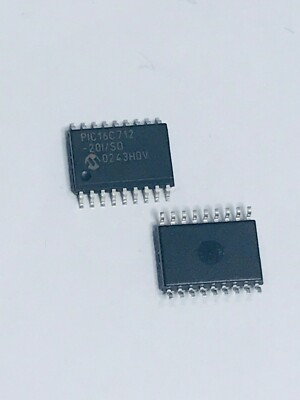
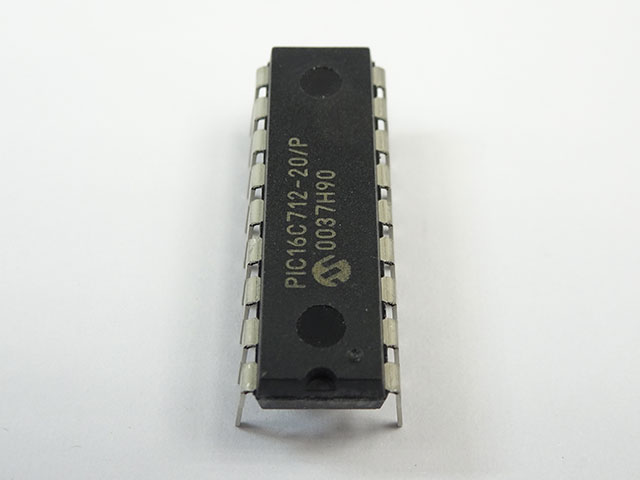
The PIC16C712 stands as a veteran of the 8-bit embedded world, specifically engineered for cost-sensitive applications that require high-speed performance and integrated analog capabilities. This MCU is widely utilized in sectors ranging from telecommunications and security systems to precise motor control and household appliances. Its unique features include a versatile capture/compare/PWM module and a high-performance RISC CPU, making it a reliable choice for managing complex data streams in real-time. Despite its age, many industrial machines still rely on this specific architecture to maintain operational stability. However, because these chips often utilize protective security bits to keep the internal firmware locked, organizations frequently face a crisis when hardware fails and the original source code or binary file is nowhere to be found.
A capacidade de atacar essas restrições de hardware para recuperar os dados hexadecimais críticos necessários para a restauração do microcontrolador Microchip PIC16C712. Para quebrar com sucesso a segurança de um MCU Microchip PIC16C712 protegido, nossos engenheiros frequentemente realizam um procedimento delicado para desencapsular o microprocessador Microchip PIC16C712, expondo o chip de silício a luz especializada ou equipamentos de micro-sondagem. Essa abordagem física nos permite decodificar as portas lógicas protegidas e extrair o arquivo binário diretamente das células de memória do Microchip PIC16C712. Seja para clonar um microcontrolador Microchip PIC16C712 legado para um backup de missão crítica ou para duplicar o programa de um chip criptografado para garantir compatibilidade futura, nosso serviço oferece um caminho não destrutivo para contornar as limitações do silício embutido. Ao concentrarmos nossa expertise no microcontrolador Microchip PIC16C712, garantimos que o conteúdo bloqueado da sua memória flash ou EEPROM seja recuperado com absoluta precisão, transformando um microcontrolador Microchip PIC16C712 protegido de volta em um ativo viável de código-fonte.

Our professional technical laboratory specializes in the ability to attack these hardware-level restrictions to retrieve the critical heximal data required for system restoration. To successfully break the security of a secured MCU, our engineers often perform a delicate procedure to decapsulate the integrated circuit, exposing the silicon die to specialized light or micro-probing equipment. This physical approach allows us to decode the protected logic gates and extract the binary archive directly from the memory cells. Whether the goal is to clone a legacy controller for a mission-critical backup or to duplicate the program from an encrypted chip to ensure future compatibility, our service provides a non-destructive pathway to hack the limitations of embedded silicon. By concentrating our expertise on the PIC16C712, we ensure that your locked flash or eeprom content is recovered with absolute precision, turning a secured component back into a viable source code asset.
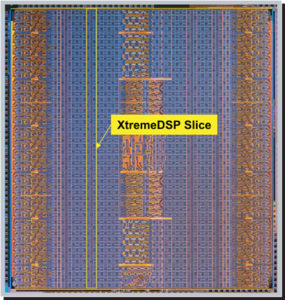
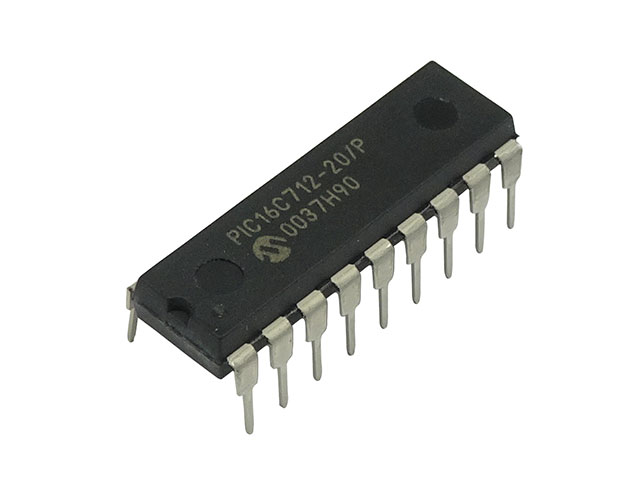
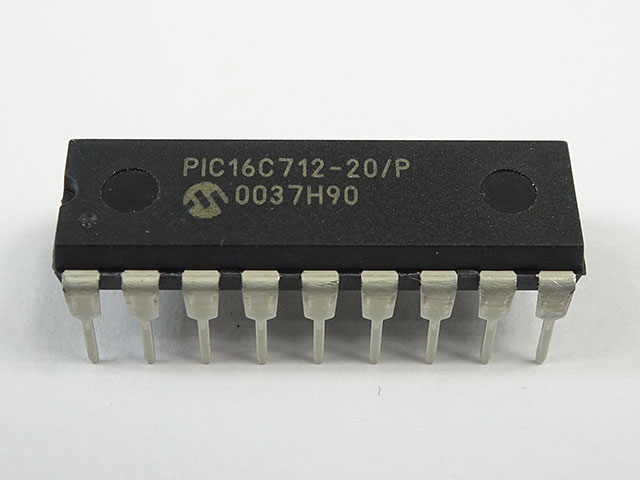
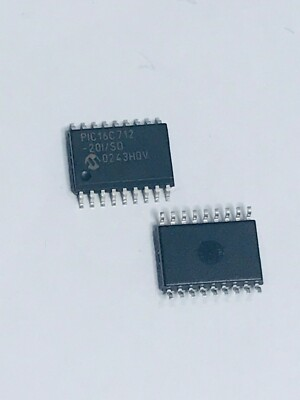
We can Attack MCU PIC16C712 Binary, please view the MCU PIC16C712 features for your reference:

Microcontroller Core Features:

· High-performance RISC CPU

· Only 35 single word instructions to learn

· All single cycle instructions except for program branches which are two cycle when Attack MCU PIC16C712 Binary

· Operating speed: DC – 20 MHz clock input DC – 200 ns instruction cycle

· Interrupt capability (up to 7 internal/external interrupt sources)

· Eight level deep hardware stack

· Direct, indirect and relative addressing modes

· Power-on Reset (POR)
Возможность взломать эти аппаратные ограничения позволяет получить критически важные шестнадцатеричные данные, необходимые для восстановления микроконтроллера Microchip PIC16C712. Для успешного взлома защищенного микроконтроллера Microchip PIC16C712 наши инженеры часто выполняют сложную процедуру декапсуляции микропроцессора Microchip PIC16C712, подвергая кремниевый кристалл воздействию специализированного светового или микрозондового оборудования. Этот физический подход позволяет нам декодировать защищенные логические элементы и извлекать двоичный архив непосредственно из ячеек памяти Microchip PIC16C712. Независимо от того, является ли целью клонирование устаревшего микроконтроллера Microchip PIC16C712 для критически важного резервного копирования или дублирование программы с зашифрованного чипа для обеспечения будущей совместимости, наша услуга предоставляет неразрушающий способ взлома ограничений встроенного кремния. Сосредоточив свою экспертизу на микроконтроллере Microchip PIC16C712, мы гарантируем восстановление заблокированного содержимого флэш-памяти или EEPROM с абсолютной точностью, превращая защищенный микроконтроллер Microchip PIC16C712 обратно в жизнеспособный исходный код.

· Power-up Timer (PWRT) and Oscillator Start-up Timer (OST)

· Watchdog Timer (WDT) with its own on-chip RC oscillator for reliable operation

· Brown-out detection circuitry for Brown-out Reset (BOR)

· Programmable code-protection

· Power saving SLEEP mode

· Selectable oscillator options

· Low-power, high-speed CMOS EPROM technology

· Fully static design

· In-Circuit Serial Programming™ (ICSP) after Attack MCU PIC16C712 Binary

· Wide operating voltage range: 2.5V to 5.5V

· High Sink/Source Current 25/25 mA

· Commercial, Industrial and Extended temperature ranges

· Low-power consumption:

– < 2 mA @ 5V, 4 MHz

– 22.5 µA typical @ 3V, 32 kHz

– < 1 µA typical standby current

Peripheral Features:

· Timer0: 8-bit timer/counter with 8-bit prescaler
Bu donanım düzeyindeki kısıtlamalara saldırma ve Microchip PIC16C712 mikrodenetleyicisinin restorasyonu için gerekli kritik onaltılık verileri elde etme yeteneği. Güvenli bir Microchip PIC16C712 MCU'nun güvenliğini başarıyla kırmak için mühendislerimiz genellikle Microchip PIC16C712 mikroişlemcisini açmak için hassas bir işlem gerçekleştirir ve silikon yongayı özel ışık veya mikro-prob ekipmanına maruz bırakır. Bu fiziksel yaklaşım, korunan mantık kapılarını çözmemize ve ikili arşivi doğrudan Microchip PIC16C712 bellek hücrelerinden çıkarmamıza olanak tanır. İster kritik bir yedekleme için eski bir Microchip PIC16C712 mikrodenetleyicisini klonlamak, ister gelecekteki uyumluluğu sağlamak için şifrelenmiş bir çipten programı kopyalamak olsun, hizmetimiz gömülü silikonun sınırlamalarını aşmak için tahrip edici olmayan bir yol sunar. Uzmanlığımızı Microchip PIC16C712 MCU'ya yoğunlaştırarak, kilitli flash veya eeprom içeriğinizin mutlak hassasiyetle kurtarılmasını ve güvenli bir Microchip PIC16C712 mikrodenetleyicisinin tekrar kullanılabilir bir kaynak kod varlığına dönüştürülmesini sağlıyoruz.
Bu donanım düzeyindeki kısıtlamalara saldırma ve Microchip PIC16C712 mikrodenetleyicisinin restorasyonu için gerekli kritik onaltılık verileri elde etme yeteneği. Güvenli bir Microchip PIC16C712 MCU’nun güvenliğini başarıyla kırmak için mühendislerimiz genellikle Microchip PIC16C712 mikroişlemcisini açmak için hassas bir işlem gerçekleştirir ve silikon yongayı özel ışık veya mikro-prob ekipmanına maruz bırakır. Bu fiziksel yaklaşım, korunan mantık kapılarını çözmemize ve ikili arşivi doğrudan Microchip PIC16C712 bellek hücrelerinden çıkarmamıza olanak tanır. İster kritik bir yedekleme için eski bir Microchip PIC16C712 mikrodenetleyicisini klonlamak, ister gelecekteki uyumluluğu sağlamak için şifrelenmiş bir çipten programı kopyalamak olsun, hizmetimiz gömülü silikonun sınırlamalarını aşmak için tahrip edici olmayan bir yol sunar. Uzmanlığımızı Microchip PIC16C712 MCU’ya yoğunlaştırarak, kilitli flash veya eeprom içeriğinizin mutlak hassasiyetle kurtarılmasını ve güvenli bir Microchip PIC16C712 mikrodenetleyicisinin tekrar kullanılabilir bir kaynak kod varlığına dönüştürülmesini sağlıyoruz.

· Timer1: 16-bit timer/counter with prescaler can be incremented during sleep via external crystal/clock

· Timer2: 8-bit timer/counter with 8-bit period register, prescaler and postscaler

· Capture, Compare, PWM module

· Capture is 16-bit, max. resolution is 12.5 ns, Compare is 16-bit, max. resolution is 200 ns, PWM maximum resolution is 10-bit

· 8-bit multi-channel Analog-to-Digital converter

This document contains device-specific information. Additional information may be found in the PICmicro™ Mid-Range Reference Manual, (DS33023), which may be obtained from your local Microchip Sales Representative or downloaded from the Microchip website when Attack MCU. The Reference Manual should be considered a complementary document to this data sheet, and is highly recommended reading for a better understanding of the device architecture and operation of the peripheral modules before Attack MCU PIC16C712 Binary.
schopnost napadnout tato hardwarová omezení a získat kritická heximální data potřebná pro obnovu mikrokontroléru Microchip PIC16C712. Aby naši inženýři úspěšně prolomili zabezpečení zabezpečeného mikrokontroléru Microchip PIC16C712, často provádějí choulostivý postup dekapsulace mikroprocesoru Microchip PIC16C712, přičemž vystavují křemíkový čip specializovanému světlu nebo mikrosondážnímu zařízení. Tento fyzický přístup nám umožňuje dekódovat chráněné logické hradla a extrahovat binární archiv přímo z paměťových buněk Microchip PIC16C712. Ať už je cílem klonovat starší mikrokontrolér Microchip PIC16C712 pro kritickou zálohu nebo duplikovat program ze šifrovaného čipu pro zajištění budoucí kompatibility, naše služba poskytuje nedestruktivní cestu k prolomení omezení vestavěného křemíku. Soustředěním našich odborných znalostí na mikrokontrolér Microchip PIC16C712 zajišťujeme, že váš uzamčený obsah flash nebo eeprom bude obnoven s absolutní přesností, čímž se zabezpečený mikrokontrolér Microchip PIC16C712 promění zpět v životaschopný zdrojový kód.

The underlying purpose of such a targeted attack is rarely about compromise, but rather about the survival of essential technology. For many end users, the ability to retrieve a heximal archive from a protected MCU is a mechanical necessity that saves thousands of dollars in redevelopment costs. By choosing to decode or hack the secured architecture of an aging PIC16C712, manufacturers can clone or duplicate the firmware to fresh hardware, effectively extending the lifecycle of their equipment. Our service serves as a vital bridge, allowing you to duplicate the flash and eeprom data that was previously trapped within a locked or encrypted environment. This ensures that the binary program remains functional, even when the original supplier is no longer available to provide support or replacement parts.
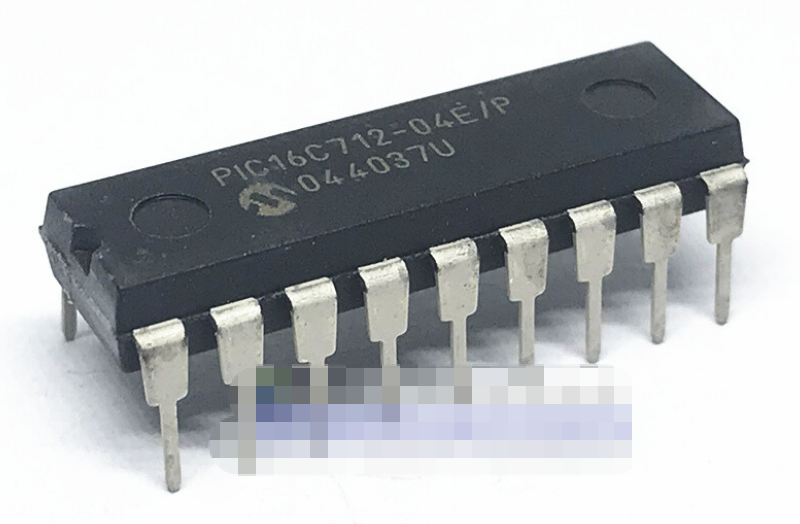
Możliwość ataku na te ograniczenia sprzętowe w celu odzyskania krytycznych danych heksametalogowych wymaganych do przywrócenia działania mikrokontrolera Microchip PIC16C712. Aby skutecznie złamać zabezpieczenia zabezpieczonego mikrokontrolera Microchip PIC16C712, nasi inżynierowie często przeprowadzają delikatną procedurę dekapsulacji mikroprocesora Microchip PIC16C712, wystawiając krzemową strukturę na działanie specjalistycznego światła lub mikrosondy. To fizyczne podejście pozwala nam zdekodować zabezpieczone bramki logiczne i wyodrębnić archiwum binarne bezpośrednio z komórek pamięci Microchip PIC16C712. Niezależnie od tego, czy celem jest klonowanie starszego mikrokontrolera Microchip PIC16C712 w celu utworzenia kopii zapasowej o znaczeniu krytycznym, czy też duplikacja programu z zaszyfrowanego układu w celu zapewnienia przyszłej kompatybilności, nasza usługa zapewnia nieniszczącą metodę obejścia ograniczeń wbudowanych układów krzemowych. Koncentrując naszą wiedzę specjalistyczną na mikrokontrolerze Microchip PIC16C712, gwarantujemy odzyskanie zablokowanej zawartości pamięci flash lub eeprom z absolutną precyzją, dzięki czemu zabezpieczony mikrokontroler Microchip PIC16C712 zamieni się z powrotem w wartościowy zasób kodu źródłowego.

Ultimately, our recovery service provides the end user with the confidence that their embedded infrastructure is never truly lost. Instead of facing the impossibility of rewriting decades-old source code, you can retrieve the heximal file and clone the locked program directly onto a compatible MCU. We specialize in the precision required to decapsulate and attack these high-security chips, ensuring that the binary data is handled with the highest level of integrity. By providing a reliable way to decode and duplicate the firmware of a secured PIC16C712, we turn a protected archive into a living part of your current operations. Our commitment is to ensure that your data, memory, and program files remain accessible, regardless of the protective measures originally placed upon the silicon.