 Recover MCU PIC16F72 Code
 January 9th, 2015 |
  Author:
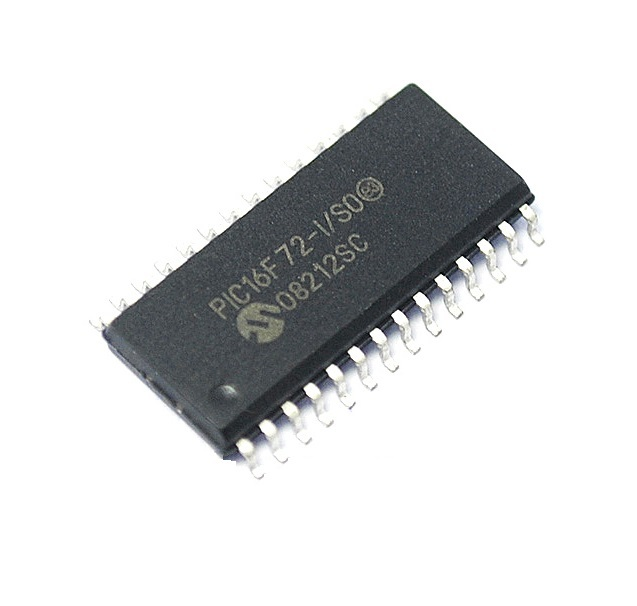
 The PIC16F72 microcontroller stands as a cornerstone of embedded engineering, widely deployed across automotive control modules, consumer appliances, industrial automation, and smart medical devices. Known for its cost-effective architecture, integrated analog-to-digital converters, and highly reliable flash execution, this chip frequently acts as the primary brain harboring critical operating firmware. For organizations aiming to repair legacy systems, maintain long-term infrastructure, or conduct legitimate interoperability analysis, accessing the compiled software dentro these units is vital. However, because these systems are routinely deployed with their security mechanisms fully active, engineers frequently encounter a locked or protective environment designed to prevent direct readout of the internal eeprom and flash memory data.
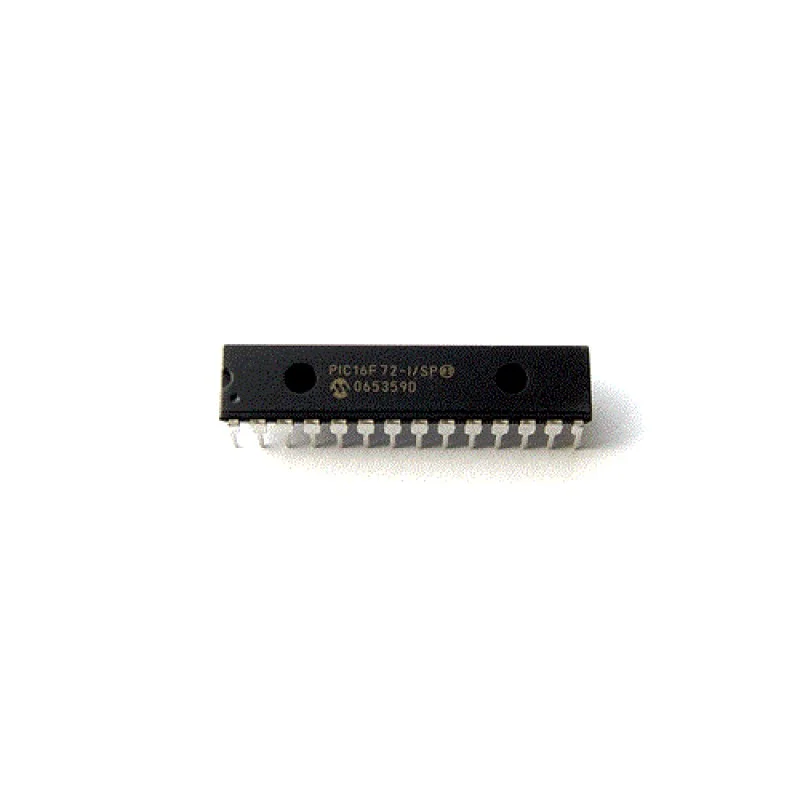
When organizations face a bricked system or a legacy hardware bottleneck without original documentation, our professional services provide a safe, reliable path to retrieve the binary payload. We specialize in advanced hardware analysis to safely bypass the secured or encrypted flags on the chip, enabling clients to recover MCU PIC16F72 code seamlessly. The technical process requires deep expertise in physical and electrical domain methodologies. Engineers safely break the exterior molding using specialized techniques to decapsulate the chip, exposing the raw silicon die structure under microscopic instrumentation. From there, micro-probing or controlled environmental adjustments are utilized to decode the state of the configuration registers, allowing us to attack the hardware boundaries safely without destroying the underlying architecture. This allows a technician to successfully hack past the embedded security bits to extract the pristine heximal program file.
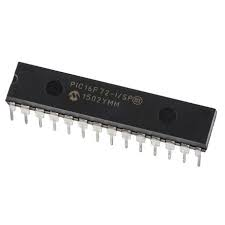
High Performance RISC CPU:
· Only 35 single word instructions to learn
· All single cycle instructions except for program branches, which are two-cycle
· Operating speed: DC – 20 MHz clock input DC – 200 ns instruction cycle
· 2K x 14 words of Program Memory, 128 x 8 bytes of Data Memory (RAM)
· Pinout compatible to PIC16C72/72A and PIC16F872
· Interrupt capability
· Eight-level deep hardware stack
· Direct, Indirect and Relative Addressing modes
Peripheral Features:
· High Sink/Source Current: 25 mA
· Timer0: 8-bit timer/counter with 8-bit prescaler
· Timer1: 16-bit timer/counter with prescaler, can be incremented during SLEEP via external crystal/clock
· Timer2: 8-bit timer/counter with 8-bit period register, prescaler and postscaler
· Capture, Compare, PWM (CCP) module
– Capture is 16-bit, max. resolution is 12.5 ns
– Compare is 16-bit, max. resolution is 200 ns
– PWM max. resolution is 10-bit
· 8-bit, 5-channel analog-to-digital converter
· Synchronous Serial Port (SSP) with SPI™ (Master/Slave) and I2C™ (Slave)
· Brown-out detection circuitry for Brown-out Reset (BOR)
CMOS Technology:
Low power, high speed CMOS FLASH technology
Wide operating voltage range: 2.0V to 5.5V
Industrial temperature range
Low power consumption:
Special Microcontroller Features:
· 1,000 erase/write cycle FLASH program memory typical
· Power-on Reset (POR), Power-up Timer (PWRT) and Oscillator Start-up Timer (OST)
· Watchdog Timer (WDT) with its own on-chip RC oscillator for reliable operation
· Programmable code protection
· Power saving SLEEP mode
Selectable oscillator options
· In-Circuit Serial Programming™ (ICSP™) via 2 pins
· Processor read access to program memory
RC oscillator for reliable operation
· Programmable code protection
· Power saving SLEEP mode
The primary purpose of performing this precise technical analysis is to prevent devastating operational downtime and protect significant historical investments in hardware design. By choosing to clone or duplicate an unproducible control board, industrial plants and medical device managers can bypass years of redundant reverse-engineering and software development. Our service ensures that the final extracted source code or binary archive is perfectly preserved, allowing an exact replication of the original system behavior. The ultimate benefit for the end user is an efficient, non-destructive recovery path that converts a protected, unreadable piece of hardware back into an accessible, maintainable asset, ensuring full operational continuity.
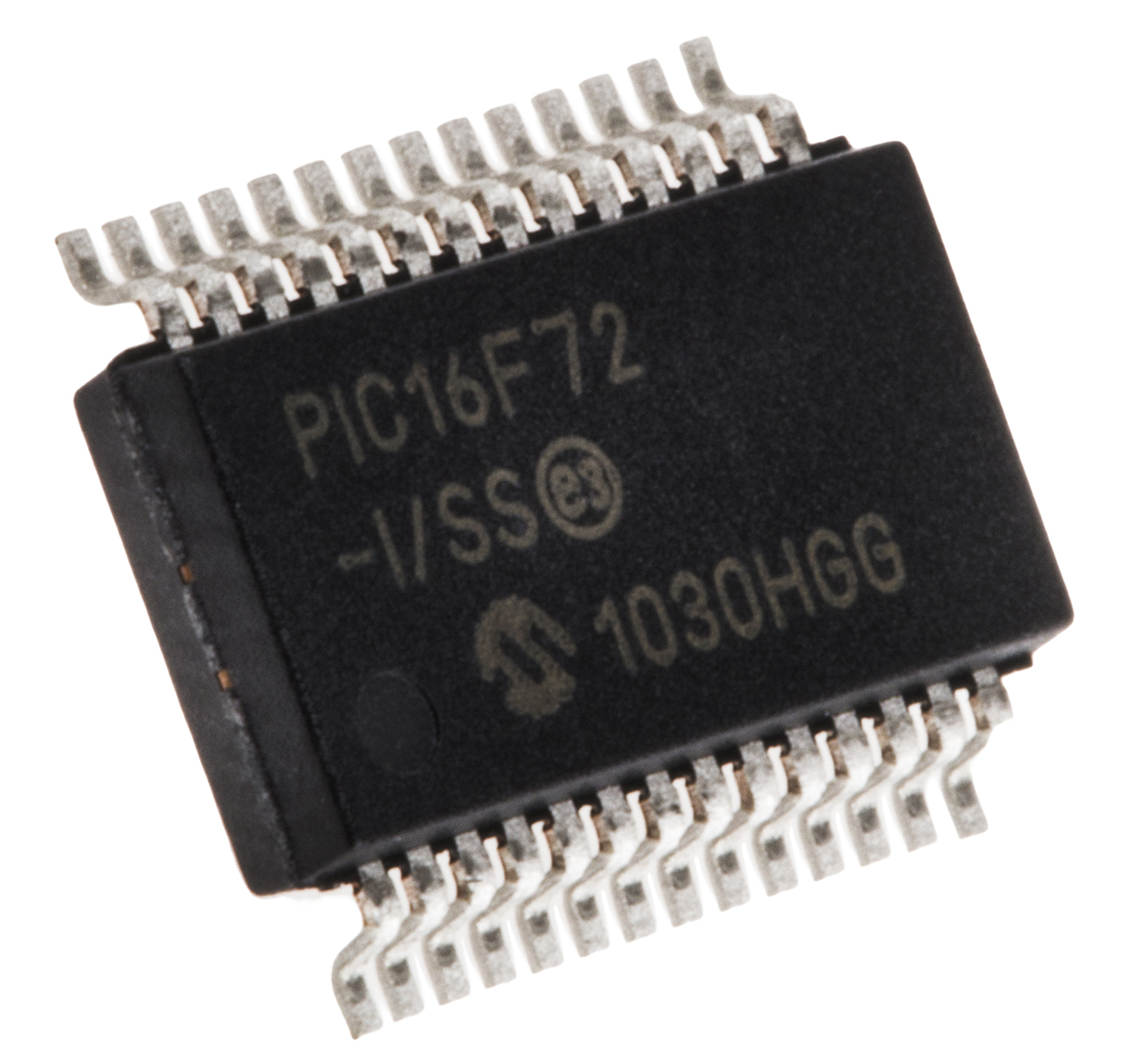
Engineering & Recovery Considerations
While chip decapsulation and hardware analysis are invaluable for legacy maintenance and system recovery, executing these procedures requires specialized laboratory equipment and strict adherence to industry best practices:
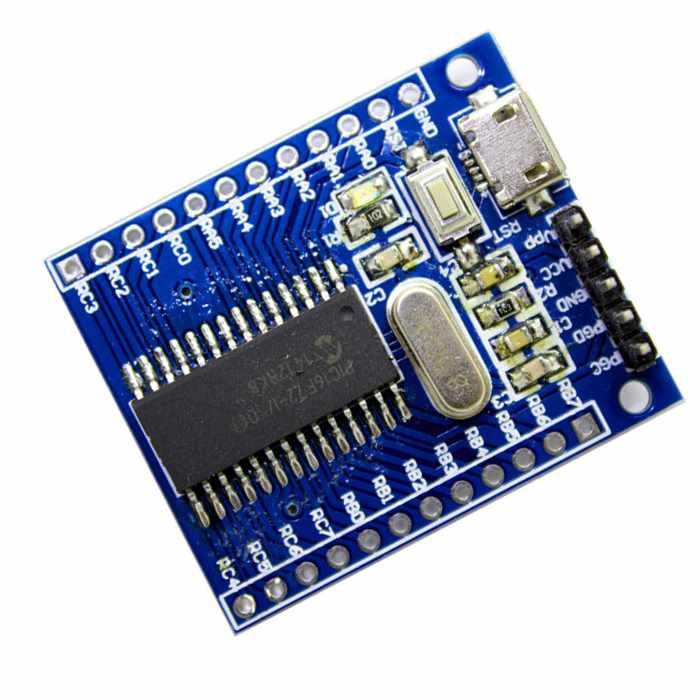
- Environmental Safety: Chemical or mechanical decapsulation involves specialized tools and materials that require strict laboratory containment and personal protective equipment (PPE).
- Signal Integrity Maintenance: Exposing the silicon die requires precision handling to avoid destroying the microscopic bond wires connected to the lead frame, which could render the data permanently unrecoverable.
- Alternative Diagnostics: Before pursuing physical extraction, utilize non-invasive troubleshooting such as bus monitoring, in-circuit serial programming (ICSP) state analysis, and power-rail testing to rule out simpler hardware faults.
 Posted in Recover Chip