 Break IC PIC16F917 Heximal
 November 6th, 2010 |
  Author:
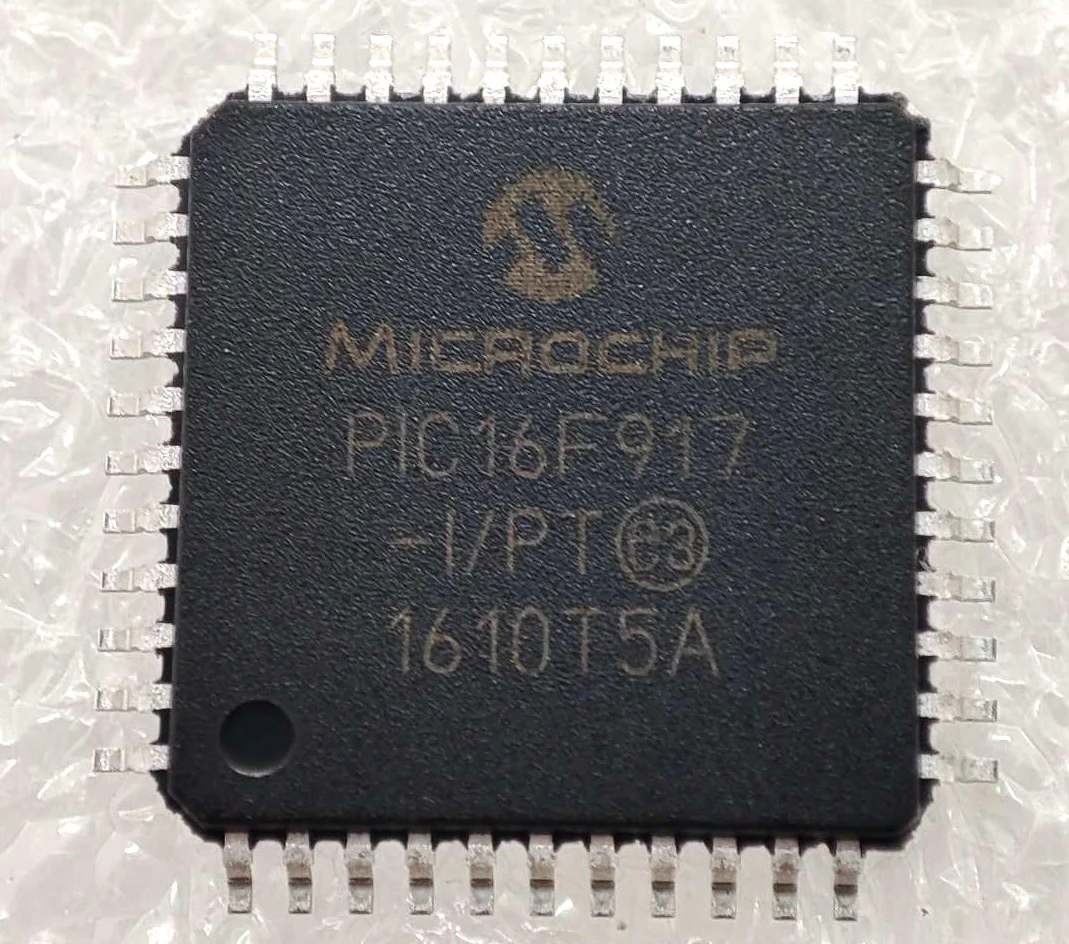
 The PIC16F917 is a versatile microcontroller widely integrated into modern embedded electronic systems requiring reliable control, compact architecture, and low-power operation. This IC is commonly deployed in industrial instrumentation, automotive electronics, smart metering equipment, consumer appliances, and medical monitoring devices. Its integrated peripherals and onboard memory architecture allow manufacturers to store complex firmware, operational program logic, and critical data directly inside the chip. In many commercial applications, these internal resources are intentionally protected, locked, and sometimes encrypted to prevent unauthorized access to the original source code, binary, or heximal file archive. While this security is important for intellectual property protection, it can also create serious obstacles when systems require maintenance, duplication, or redevelopment years later.
The external Resistor-Capacitor (RC) modes support the use of an external RC circuit. This allows the designer maximum flexibility in frequency choice while keeping costs to a minimum when clock accuracy is not required. There are two modes: RC and RCIO.
In RC mode, the RC circuit connects to OSC1. OSC2/CLKOUT outputs the RC oscillator frequency divided by 4. This signal may be used to provide a clock for external circuitry, synchronization, calibration, test or other application requirements. Figure 4-5 shows the external RC mode connections. The INTOSC and INTOSCIO modes configure the internal oscillators as the system clock source when (SCS) bit of the OSCCON register. user-adjusted via software using the OSCTUNE register (Register 4-2).
2. The LFINTOSC (Low-Frequency Internal Oscillator) is uncalibrated and operates at 31 kHz. The system clock speed can be selected via software.
INTERNAL CLOCK MODEL
The Oscillator module has two independent, internal oscillators that can be configured or selected as the system clock source.
1. The HFINTOSC (High-Frequency Internal Oscillator) is factory calibrated and operates at 8 MHz. The frequency of the HFINTOSC can be user-adjusted via software using the OSCTUNE register (Register 4-2).
2. The LFINTOSC (Low-Frequency Internal Oscillator) is uncalibrated and operates at 31 kHz. The system clock speed can be selected via software using the Internal Oscillator Frequency Select bits IRCF<2:0> of the OSCCON register. an> The INTOSC and INTOSCIO modes configure the internal oscillators as the system clock source when bit of the OSCCON register. See Section 4.6 user-adjusted via software using the OSCTUNE register (Register 4-2).
2. The LFINTOSC (Low-Frequency Internal Oscillator) is uncalibrated and operates at 31 kHz. The system clock speed can be selected via software.
Our “Break IC PIC16F917 Heximal” service is specifically developed to attack, break, and decode highly secured microcontrollers while preserving the integrity of the internal data structure. By combining advanced decapsulate methods with precision electronic analysis, our engineering team can retrieve hidden firmware, extract complete binary and heximal files, and reconstruct the original source code from internal flash, EEPROM, and embedded memory regions. Even when the device contains sophisticated protective mechanisms or encrypted storage configurations, we apply specialized techniques to effectively hack through these barriers and obtain a usable archive of the original program. The recovered information can then be utilized to clone, duplicate, repair, or migrate legacy systems into updated hardware environments without losing functionality or compatibility.
Technically, the recovery workflow involves several layers of analysis. The first stage often includes controlled decapsulation, exposing the silicon die for direct interaction with internal circuitry. This enables accurate retrieval of low-level embedded data from protected memory cells. Once the raw binary or heximal dump has been collected, proprietary decode algorithms are used to organize fragmented files into structured firmware archives. This process allows the original program logic and operational sequences to be reconstructed with high precision. In addition, our engineers verify the integrity of each extracted data file, ensuring the resulting source code accurately reflects the behavior of the original PIC16F917 IC. Through this combination of physical analysis and logical reconstruction, we are able to overcome many forms of locked and secured firmware protection.
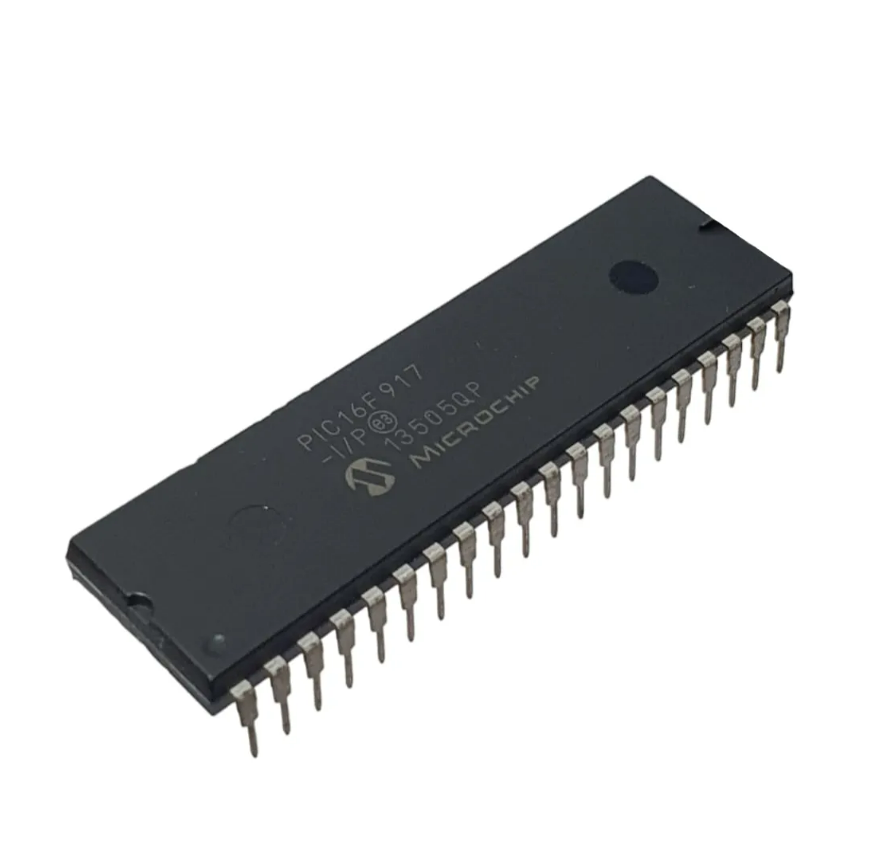
For end users, the advantages of recovering PIC16F917 firmware and heximal data are substantial. Manufacturers facing discontinued components, missing development documentation, or supply chain shortages can regain complete access to critical embedded assets without redesigning an entire system. By using our service to attack, decode, and recover protected memory, customers can preserve legacy equipment, accelerate product maintenance, and efficiently duplicate proven designs. Whether the objective is long-term product support, reverse engineering research, or rapid redevelopment, our capability to break and reconstruct PIC16F917 binary archives provides a dependable solution for unlocking valuable electronic intellectual property.
 Posted in Break IC