Archive for the ‘Recover Chip’ Category
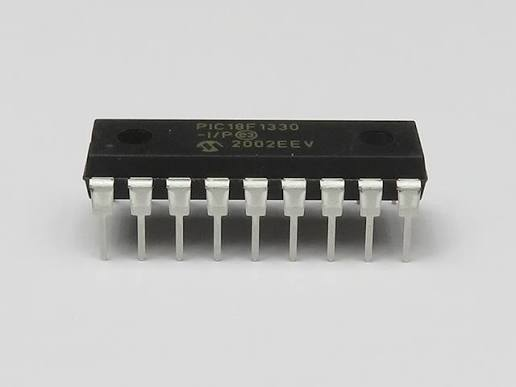
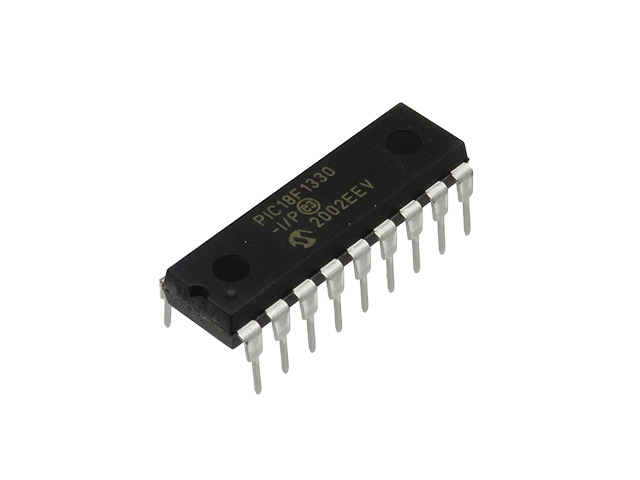
 Recover Chip PIC18F1330 Code
 August 23rd, 2014 |
  Author:
 The PIC18F1330 is a high‑performance 8‑bit microcontroller from Microchip, featuring 8KB of flash program memory, 256 bytes of EEPROM data storage, and 256 bytes of SRAM. It also includes a unique high‑voltage program interface and a built‑in motor control PWM module, making it ideal for automotive power windows, industrial servo drives, robotic actuators, and medical pump controllers. Unlike standard chips, the PIC18F1330 integrates embedded peripherals that require precisely tuned firmware to operate safely. Manufacturers often set protective lock bits to prevent unauthorised readout, turning the microcontroller into a secured black box. When the original source code is lost or the vendor discontinues support, the only archive of the binary file remains trapped inside the locked memory. Recovering that data becomes essential to avoid scrapping expensive equipment.
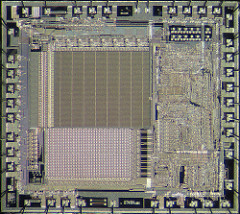
Memory Endurance: The Enhanced Flash cells for both program memory and data EEPROM are rated to last for many thousands of erase/write cycles – up to 100,000 for program memory and 1,000,000 for EEPROM. Data retention without refresh is conservatively estimated to be greater than 40 years.
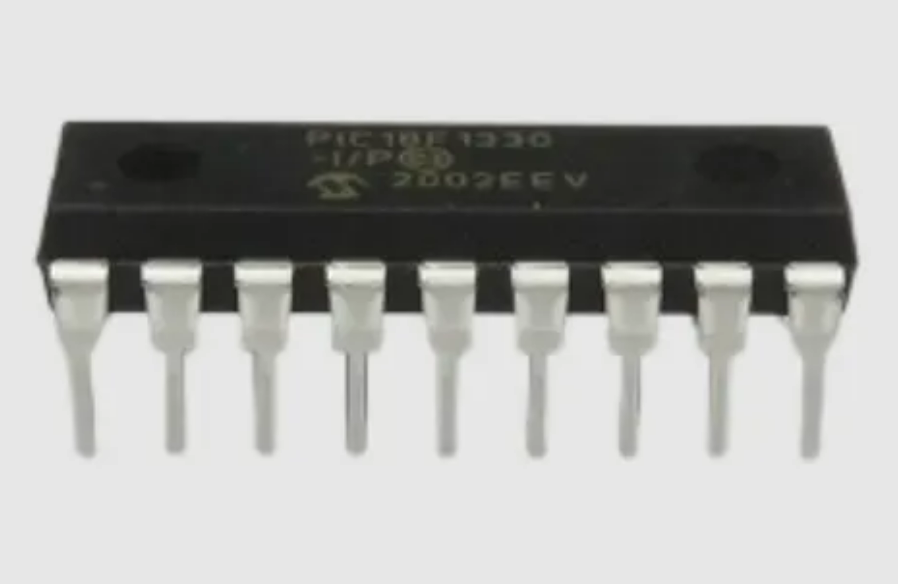
Self-Programmability: These devices can write to their own program memory spaces under internal software control. By using a boot loader routine located in the protected Boot Block at the top of program memory, it becomes possible to create an application that can update itself in the field.
To recover the firmware from a locked PIC18F1330, one cannot simply use a standard programmer because the protective encrypted lock bits block any readout of the flash or EEPROM. Our service employs advanced techniques to break this protection. First, we may decapsulate the chip using precision etching to expose the silicon die, then hack into the memory array via micro‑probing. Alternatively, we utilise fault injection or side‑channel analysis to decode the secured program without destroying the microcontroller. The goal is to retrieve the complete binary or heximal file that contains the original source code logic. Once extracted, we can clone or duplicate this firmware into a fresh PIC18F1330 chip, effectively restoring the embedded software. This attack on the protected memory does not alter the original data; it simply makes the archive accessible for legitimate maintenance and reverse engineering.
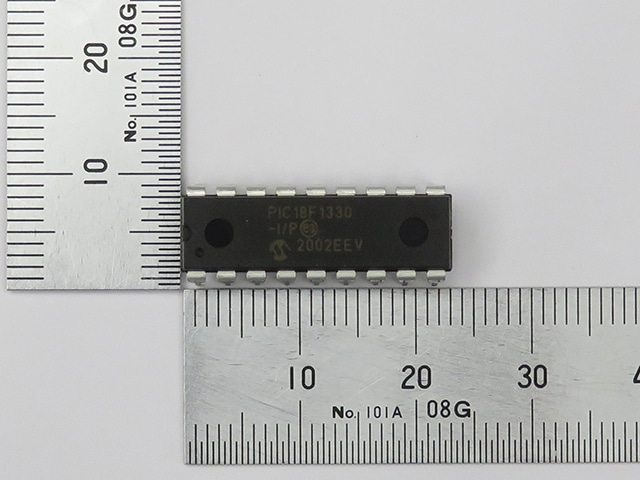
· Extended Instruction Set: The PIC18F1230/1330 family introduces an optional extension to the PIC18 instruction set, which adds eight new instructions and an Indexed Addressing mode. This extension, enabled as a device configuration option, has been specifically designed to optimize re-entrant application code originally developed in high-level languages, such as C.
· Power Control PWM Module: This module provides up to six modulated outputs for controlling half-bridge and full-bridge drivers. Other features include auto-shutdown on Fault detection and auto-restart to reactivate outputs once the condition has cleared.
· Enhanced Addressable USART: This serial communication module is capable of standard RS-232 operation and provides support for the LIN bus protocol. Other enhancements include automatic baud rate detection and a 16-bit Baud Rate Generator for improved resolution from Recover Chip PIC18F1330 Code.
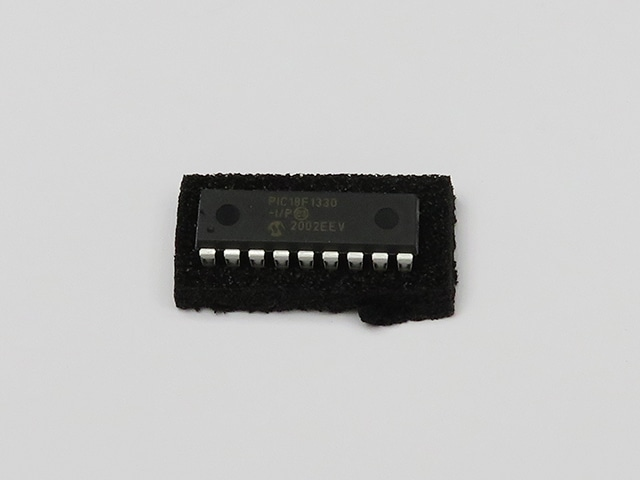
The market demand for recover services comes from three real‑world situations. First, obsolete equipment: many industrial motor drives and automotive modules still rely on the PIC18F1330, but the original source code file was lost when a supplier went bankrupt. Second, embedded firmware corruption: a flash memory bit‑flip can render the program non‑functional, and without a backup binary, the entire system stops. Third, reverse engineering for compatibility: companies need to clone a secured microcontroller to produce drop‑in replacements. By performing a clean decode and retrieve of the heximal archive, we enable clients to duplicate the program into new chips, avoiding costly redesigns. The benefit is tangible: extended product lifecycle, reduced e‑waste, and preserved intellectual property.
When the microcontroller is using the internal oscillator block, the EUSART provides stable operation for applications that talk to the outside world without using an external crystal (or its accompanying power requirement).
· 10-Bit A/D Converter: This module incorporates programmable acquisition time, allowing for a channel to be selected and a conversion to be initiated without waiting for a sampling period and thus, reducing code overhead.
· Extended Watchdog Timer (WDT): This enhanced version incorporates a 16-bit prescaler, allowing an extended time-out range that is stable across operating voltage and temperature.
See Section 22.0 “Electrical Characteristics” for time-out periods. Devices in the PIC18F1230/1330 family are available in 18-pin, 20-pin and 28-pin packages. The devices are differentiated from each other in one way:
1. Flash program memory (4 Kbytes for PIC18F1230, 8 Kbytes for PIC18F1330). All other features for devices in this family are identical. Like all Microchip PIC18 devices, members of the PIC18F1230/1330 family are available as both standard and low-voltage devices.
Standard devices with Enhanced Flash memory, designated with an “F” in the part number (such as PIC18F1330), accommodate an operating VDD range of 4.2V to 5.5V. Low-voltage parts, designated by “LF” (such as PIC18LF1330), function over an extended VDD range of 2.0V to 5.5V.
We offer confidential, fast, and professional recover services for the PIC18F1330 and many other microcontrollers. Every break procedure is performed with care to preserve the data integrity. Contact us with your locked chip, and we will decapsulate, decode, and retrieve the complete binary or heximal file – turning a protective memory into a usable archive for production, maintenance, or cloning.
Recover Microcontroller MSP430F4361 Flash
Recover Microcontroller MSP430F4361 Flash from Texas Instruments (TI) are 16-bit, RISC-based, mixed-signal processors designed specifically for ultra-low-power. MSP430 MCUs have the right mix of intelligent peripherals, ease-of-use, low cost and lowest power consumption for thousands of applications – including Recover Microcontroller MSP430F4361 Flash.
TI offers robust design support for the MSP430 MCU platform along with technical documents, training, tools and software to help designers develop products and release them to market faster. Learn more at www.ti.com/msp430.
Ultra-Low Power
The MSP430 MCU is designed specifically for ultra-low-power applications. Its flexible clocking system, multiple low-power modes, instant wakeup and intelligent autonomous peripherals enable true ultra-low-power optimization, dramatically extending battery life.
Flexible Clocking System – The MSP430 MCU clock system has the ability to enable and disable various clocks and oscillators which allow the device to enter various low-power modes (LPMs). The flexible clocking system optimizes overall current consumption by only enabling the required clocks when appropriate.
Multiple-Oscillator Clock System
Key Features
· Ultra-low-power (ULP) architecture and flexible clock system extend battery life: 0.1-µA RAM retention, <1-µA RTC mode,
<100 µA MHz
· Integrated intelligent peripherals including a wide range of high-performance analog and digital peripherals that off-load the CPU
· Easy-to-use 16-bit RISC CPU architecture enables new applications with industry-leading code density
· Complete development ecosystem with tools starting at $4.30
· Enhanced libraries to benefit several applications such as capacitive touch, metering metrology, low power design and debugging to Recover Microcontroller MSP430F4361 Flash.
400+ Ultra-Low-Power Devices
8-MHz to 25-MHz CPU Speed
0.5KB to 256KB Flash
128B to 18KB RAM
14 to 113 pins; 25+ packages
Sub-Main Clock (SMCLK) – Source for faster individual peripheral modules that may be driven by the internal DCO up to 25 MHz or with external crystal to Recover Microcontroller MSP430F4361 Flash.
Instant Wakeup – The MSP430 MCU can wake-up instantly from LPMs. This ultra-fast wake-up is enabled by the MSP430 MCU’s internal digitally controlled oscillator (DCO), which can source up to 25 MHz and be active and stable in 1µs. Instant wake-up functionality is important in ultra-low-power applications since it allows the microcontroller to use the CPU in very efficient bursts and spend more time in LPMs.
Zero-Power Brown-Out Reset (BOR) – The MSP430 MCU’s BOR is always enabled and active in all modes of operation.
the most reliable performance possible while maintaining ultra-low-power consumption. The BOR circuit detects low supply voltages and Lower-Power Peripherals resets the device when power is applied or removed. This functionality is especially critical in battery-power applications.
Recover IC PIC16C74 Code
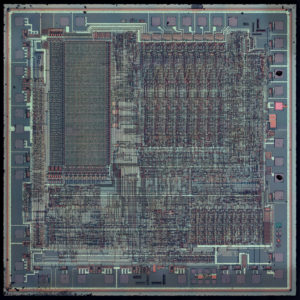
A variety of frequency ranges and packaging options are available when Recover IC PIC16C74 Code. Depending on application and production requirements, the proper device option can be selected using the information in the PIC16C7X Product Identification System section at the end of this data sheet.
When placing orders, please use that page of the data sheet to specify the correct part number.
Recover IC PIC16C74 Code
For the PIC16C7X family, there are two device “types” as indicated in the device number:
1. C, as in PIC16C74. These devices have EPROM type memory and operate over the standard voltage range.
2. LC, as in PIC16LC74. These devices have EPROM type memory and operate over an extended voltage range.
The UV erasable version, offered in CERDIP package is optimal for prototype development and pilot programs. This version can be erased and reprogrammed to any of the oscillator modes to Recover IC PIC16C74 Code. Microchip’s PICSTART® Plus and PRO MATE® II programmers both support programming of the PIC16C7X.
The OTP devices, packaged in plastic packages, permit the user to program them once. In addition to the program memory, the configuration bits must also be programmed.
Microchip offers a QTP Programming Service for factory production orders. This service is made available for users who choose not to program a medium to high quantity of units and whose code patterns have stabilized. The devices are identical to the OTP devices but with all EPROM locations and configuration options already programmed by the factory.
Microchip offers a unique programming service where a few user-defined locations in each device are programmed with different serial numbers. The serial numbers may be random, pseudo-random, or sequential. Serial programming allows each device to have a unique number which can serve as an entry-code, password, or ID number.
Copy CPLD EPM9320ARC208-10 Binary
High-performance CMOS EEPROM-based programmable logic devices (PLDs) built on third-generation Multiple Array MatriX (MAX®) architecture which is the main reason for requirement on Copy CPLD EPM9320ARC208-10 Binary.
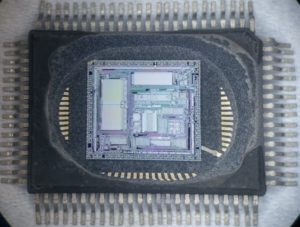
Copy CPLD EPM9320ARC208-10 Binary
5.0-V in-system programmability (ISP) through built-in IEEE Std.
1149.1 Joint Test Action Group (JTAG) interface
Built-in JTAG boundary-scan test (BST) circuitry compliant with IEEE Std. 1149.1-1990
High-density erasable programmable logic device (EPLD) family ranging from 6,000 to 12,000 usable gates (see Table 1)
10-ns pin-to-pin logic delays with counter frequencies of up to 144 MHz
Fully compliant with the peripheral component interconnect Special Interest Group’s (PCI SIG) PCI Local Bus Specification, Revision 2.2
Dual-output macrocell for independent use of combinatorial and registered logic
FastTrack® Interconnect for fast, predictable interconnect delays
Input/output registers with clear and clock enable on all I/O pins
Programmable output slew-rate control to reduce switching noise
MultiVolt™ I/O interface operation, allowing devices to interface with 3.3-V and 5.0-V devices
Configurable expander product-term distribution allowing up to 32 product terms per macrocell
Programmable power-saving mode for more than 50% power reduction in each macrocell
Programmable macrocell flipflops with individual clear, preset, clock, and clock enable controls
Programmable security bit for protection of proprietary designs which must be disable when Copy CPLD EPM9320ARC208-10 Binary
Software design support and automatic place-and-route
Altera’s MAX+PLUS® II development system on Windows-based PCs as well as Sun SPARCstation, HP 9000 Series 700/800, and IBM RISC System/6000 workstations
Additional design entry and simulation support provided by EDIF 200 and 300 netlist files, library of parameterized modules (LPM), Verilog HDL, VHDL, and other interfaces to popular EDA tools from manufacturers such as Cadence, Exemplar Logic, Mentor Graphics, OrCAD, Synopsys, Synplicity, and VeriBest
Programming support with Altera’s Master Programming Unit (MPU), BitBlasterTM serial download cable, ByteBlasterTM parallel port download cable, and ByteBlasterMVTM parallel port download cable, as well as programming hardware from third-party manufacturers.
Offered in a variety of package options with 84 to 356 pins.
 Posted in Recover Chip |
  Tags: атаковать интегральная схема binary, атаковать интегральная схема data, атаковать интегральная схема eeprom, атаковать интегральная схема file, атаковать интегральная схема firmware, атаковать интегральная схема heximal, атаковать интегральная схема memory, атаковать интегральная схема program, प्रतिलिपि ic hex, प्रतिलिपि microcontroller bin, प्रतिलिपि इंटीग्रेटेड सर्किट firmware, प्रतिलिपि एमसीयू software, प्रतिलिपि टुकड़ा program, बचाना ic eeprom, बचाना microcontroller flash, बचाना इंटीग्रेटेड सर्किट code, बचाना एमसीयू dump, बचाना टुकड़ा archive |
  Comments Closed
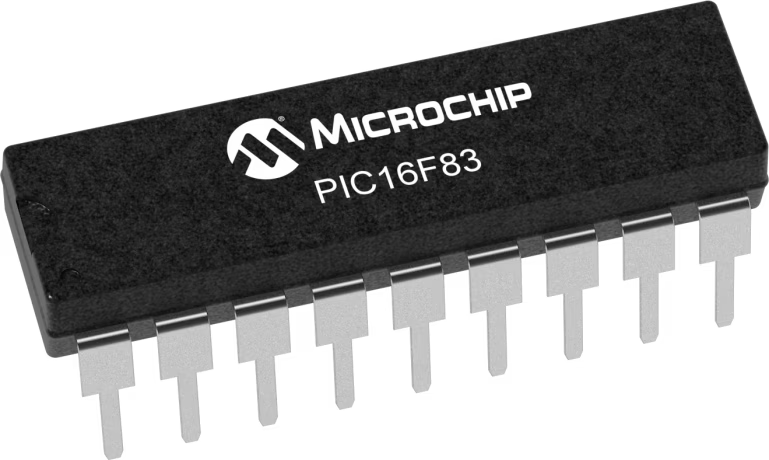
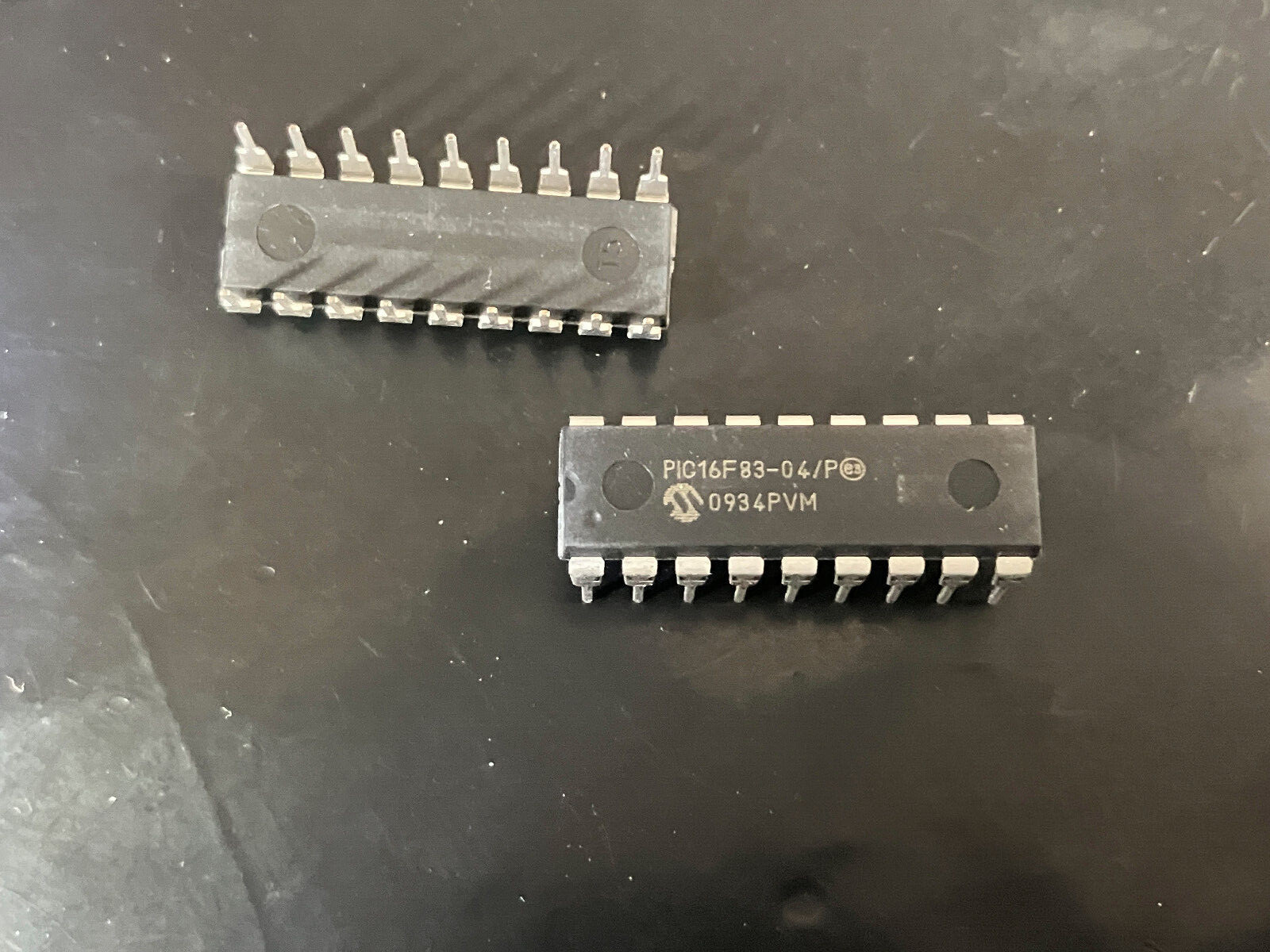
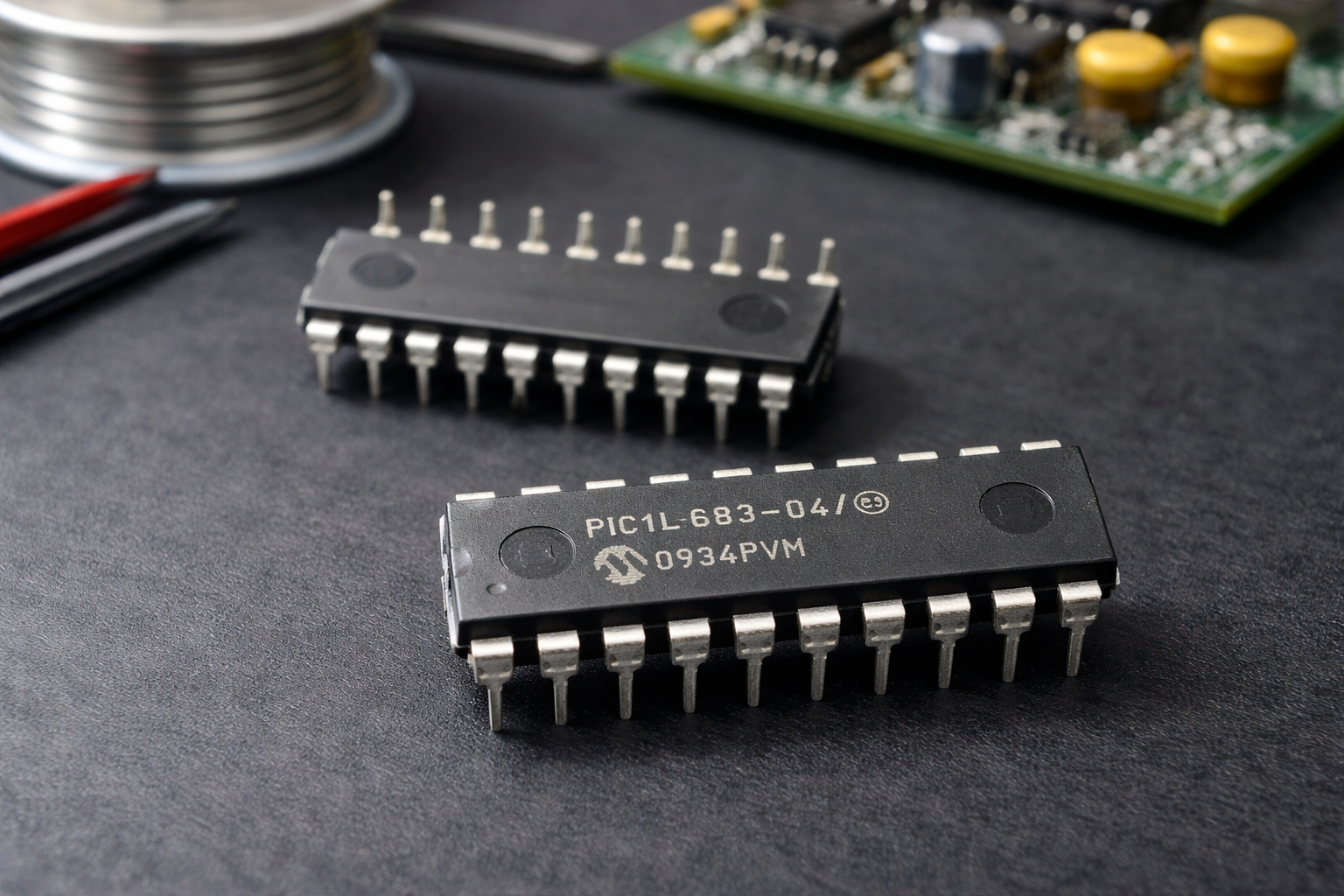
Recover Microcontroller PIC16F83 Eeprom
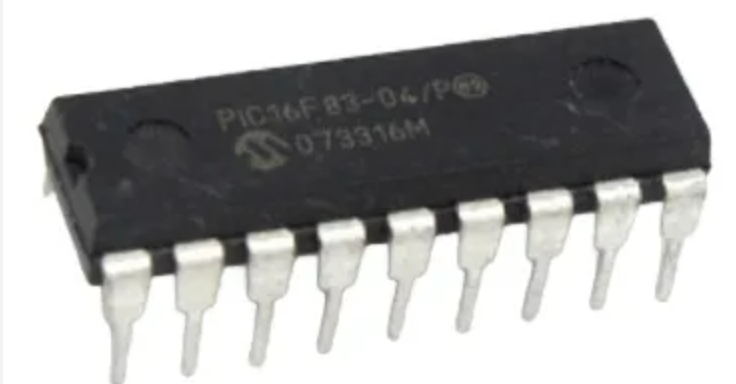
The PIC16F83 microcontroller is a well-established device in early embedded system design, widely used in industrial controllers, security panels, instrumentation modules, motor control units, and compact automation systems. Its integration of flash program memory and EEPROM for non-volatile data storage makes it especially valuable in applications where configuration parameters and calibration data must be retained reliably. Even today, many legacy systems built around the PIC16F83 continue to operate in production environments. However, a common issue arises when original firmware archives, source code, or program files are lost, making maintenance, duplication, or system upgrades extremely challenging. The Recover Microcontroller PIC16F83 Eeprom service is designed to address this exact problem by restoring access to critical embedded firmware and data resources.
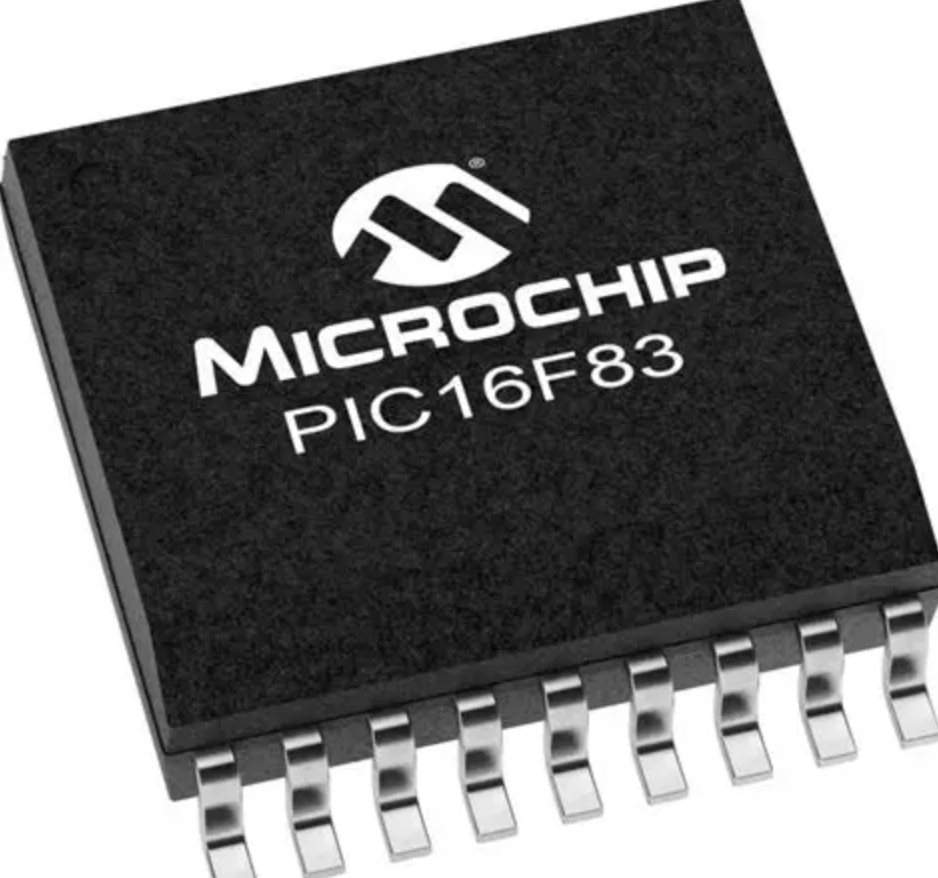
In many deployed systems, the PIC16F83 is configured with protective, protected, locked, or encrypted mechanisms to secure firmware, binary, and heximal program data stored in flash and EEPROM memory. These security features prevent direct access, even for legitimate maintenance purposes. Our service provides a controlled and engineering-focused approach to attack, break, or carefully decode these protections, allowing authorized users to retrieve embedded firmware and data from secured devices. Through advanced diagnostic techniques, we reconstruct program files, recover firmware binary images, and rebuild complete archive structures from inaccessible memory regions. In particularly challenging cases, specialized decapsulate methods may be considered to access deeply secured internal structures and extract critical EEPROM and flash content that cannot be reached through conventional means.
High Performance RISC CPU Features:
• Only 35 single word instructions to learn
• All instructions single cycle except for program branches which are two-cycle Operating speed: DC – 10 MHz clock input
DC – 400 ns instruction cycle
14-bit wide instructions
8-bit wide data path
15 special function hardware registers
Eight-level deep hardware stack
Direct, indirect and relative addressing modes
Four interrupt sources:
– External RB0/INT pin
– TMR0 timer overflow
– PORTB<7:4> interrupt on change
– Data EEPROM write complete
· 1000 erase/write cycles Flash program memory
· 10,000,000 erase/write cycles EEPROM data memory
· EEPROM Data Retention > 40 years
Peripheral Features:
· 13 I/O pins with individual direction control
· High current sink/source for direct LED drive
– 25 mA sink max. per pin
– 20 mA source max. per pin
· TMR0: 8-bit timer/counter with 8-bit programmable prescaler
Special Microcontroller Features:
· In-Circuit Serial Programming (ICSP™) – via two pins (ROM devices support only Data EEPROM programming)
· Power-on Reset (POR)
· Power-up Timer (PWRT)
· Oscillator Start-up Timer (OST)
· Watchdog Timer (WDT) with its own on-Microcontroller RC oscillator for reliable operation
· Code-protection
· Power saving SLEEP mode
· Selectable oscillator options
CMOS Flash/EEPROM Technology:
Low-power, high-speed technology
· Fully static design
· Wide operating voltage range:
– Commercial: 2.0V to 6.0V
– Industrial: 2.0V to 6.0V
· Low power consumption:
– < 2 mA typical @ 5V, 4 MHz
– 15 µA typical @ 2V, 32 kHz
– < 1 µA typical standby current @ 2V
After successful retrieval, the raw memory data undergoes a structured reconstruction process. Extracted firmware, EEPROM configuration blocks, and embedded control logic are analyzed and converted into consistent heximal or binary formats suitable for engineering use. This enables the recovered firmware to be validated, documented, and prepared for reuse. With properly reconstructed program files and partial source code equivalents, clients can clone or duplicate the original functionality of the PIC16F83 microcontroller. This process ensures that legacy systems can continue to operate reliably while maintaining compatibility with existing hardware configurations and operational requirements.
The value of the Recover Microcontroller PIC16F83 Eeprom service lies in its ability to preserve and extend the life of embedded systems. Manufacturers and service providers can maintain critical equipment, reproduce hardware units, and avoid costly redesign efforts caused by inaccessible firmware. Instead of replacing entire systems due to locked or secured devices, organizations can regain control over their embedded program, firmware data, and memory resources. By combining deep technical expertise with careful handling of protected microcontrollers, this service provides a reliable and efficient solution for recovering valuable firmware assets and ensuring long-term operational continuity across a wide range of industries.
Recover MCU PIC16C71 Code
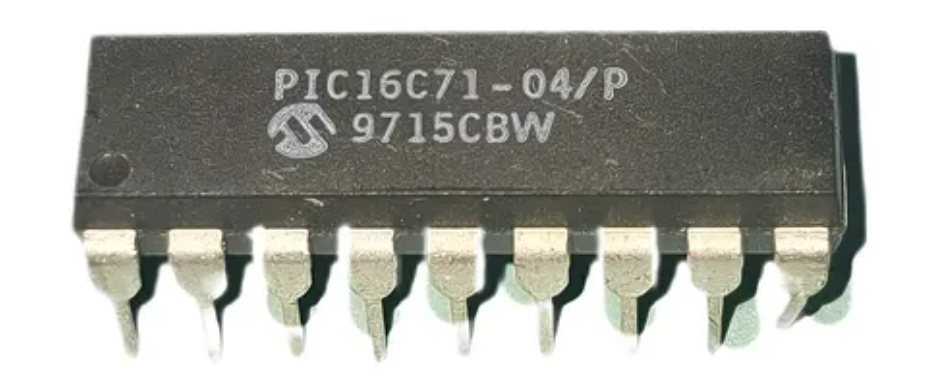
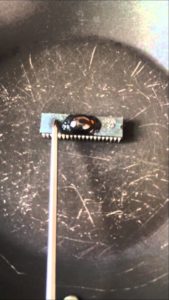
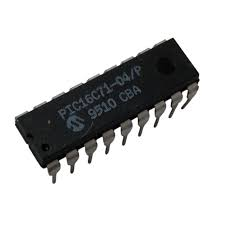
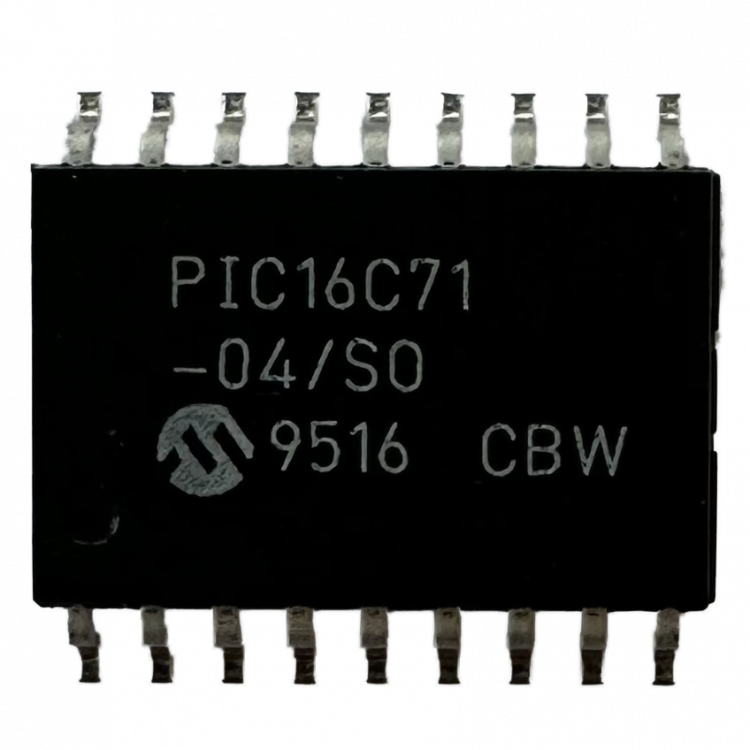
The PIC16C71 is an early-generation microcontroller that still exists in many long-running embedded systems across industrial control, measurement instruments, motor drivers, power regulation units, and legacy consumer electronics. Despite its relatively simple architecture, it integrates essential features such as analog-to-digital conversion, program memory, and embedded control logic that make it suitable for stable, low-cost designs. Many of these systems remain operational decades after deployment, but the original firmware archive, development files, or source code is often lost due to supplier changes or outdated documentation practices. In such cases, Recover MCU PIC16C71 Code becomes a critical service for restoring access to embedded program logic and ensuring continued system functionality.
In real-world applications, the PIC16C71 is frequently configured with protective, protected, locked, or even encrypted mechanisms to prevent unauthorized access to firmware and internal memory. These configurations restrict standard readout of binary, heximal, or program data stored in flash-like memory structures. Our service focuses on helping authorized clients attack, break, or carefully decode these protections using controlled engineering processes. Through detailed analysis, we are able to retrieve embedded firmware, reconstruct lost program files, and rebuild structured archive data from secured microcontrollers. When necessary, advanced methods such as selective decapsulate procedures may be applied to access deeply secured regions of the chip and extract internal data that cannot be reached through conventional interfaces. The goal is not simply to hack the device, but to recover usable firmware and source code equivalents that can support further engineering work.
The separate instruction and data buses of the Harvard architecture allow a 14-bit wide instruction word with the separate 8-bit wide data. The two stage instruction pipeline allows all instructions to execute in a single cycle, except for program branches which require two cycles. A total of 35 instructions (reduced instruction set) are available in the process of Crack MCU Program. Additionally, a large register set gives some of the architectural innovations used to achieve a very high performance.
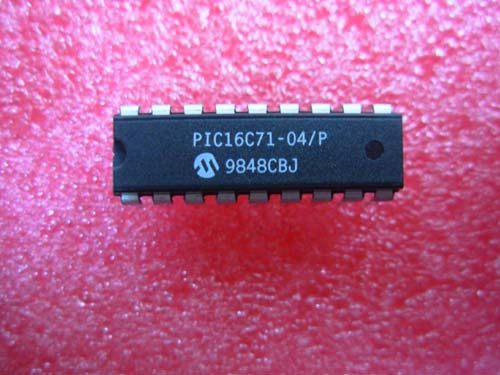
PIC16CXX microcontrollers typically achieve a 2:1 code compression and a 4:1 speed improvement over other 8-bit microcontrollers in their class. The PIC16C71 devices have 36 bytes of RAM, the PIC16C711 has 68 bytes of RAM and the PIC16C715 has 128 bytes of RAM. Each device has 13 I/O pins. In addition a timer/counter is available. Also a 4-channel high-speed 8-bit A/D is provided which provide support.
The 8-bit resolution is ideally suited for applications requiring low-cost analog interface, e.g. thermostat control, pressure sensing, etc. The PIC16C71X family has special features to reduce external components, thus reducing cost, enhancing system reliability and reducing power consumption. There are four oscillator options, of which the single pin RC oscillator provides a low-cost solution, the LP oscillator minimizes power consumption, XT is a standard crystal, and the HS is for High Speed crystals. The SLEEP (power-down) feature provides a power saving mode. The user can wake up the MCU from SLEEP through several external and internal interrupts and resets.
Once the embedded memory content has been successfully extracted, the next phase involves processing and verification. Raw binary dumps and heximal data are decoded, organized, and validated to ensure they accurately represent the original firmware behavior. EEPROM-related configuration data, control parameters, and operational logic are carefully reconstructed into a complete program file structure. This enables clients to clone or duplicate the PIC16C71 functionality on replacement devices or to integrate the recovered firmware into updated embedded platforms. By transforming secured data into usable engineering assets, we help preserve the integrity of legacy systems and ensure reliable operation moving forward.
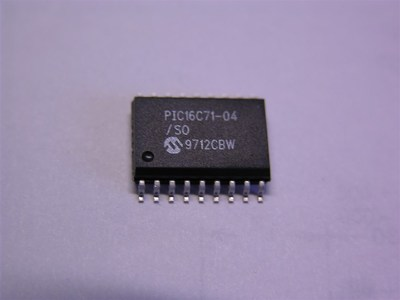
For manufacturers, maintenance providers, and system integrators, the advantages of Recover MCU PIC16C71 Code are substantial. Access to recovered firmware and program data allows continued support of legacy equipment, reduces the need for costly redesign, and enables production of spare units with identical functionality. Instead of abandoning systems due to locked or secured microcontrollers, organizations can regain control over their embedded firmware and memory resources. Through disciplined recovery workflows and careful handling of protected devices, our service provides a dependable solution for retrieving critical embedded data, extending product lifecycles, and safeguarding valuable technical knowledge across a wide range of industries.
Recover IC PIC16C554 Software
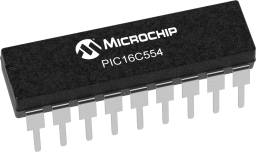
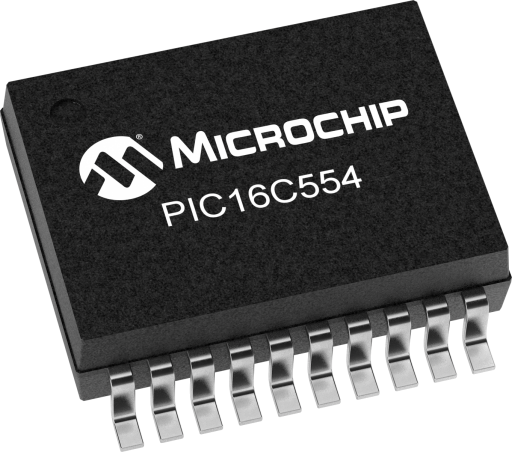
The PIC16C554 microcontroller is a classic embedded control device widely used in compact electronic products where reliability and simplicity are essential. It has been deployed in household appliances, small industrial controllers, motor drivers, access systems, security devices, and measurement equipment. Although the architecture is relatively simple compared with modern microcontrollers, the PIC16C554 remains present in many long-lifecycle products that continue to operate in factories, laboratories, and field installations. Over time, however, companies often lose the original firmware archive, development documentation, or program file that controls the device. When the original source code, firmware binary, or heximal file is no longer available, maintaining or reproducing the system becomes extremely difficult. Our Recover IC PIC16C554 Software service addresses this challenge by helping authorized clients regain access to valuable embedded program logic stored inside the device.
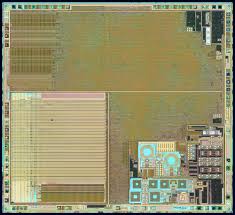
We can Recover IC PIC16C554 Software, please view the Ic PIC16C554 features for your reference:
High Performance RISC CPU:
· Only 35 instructions to learn
· All single-cycle instructions (200 ns), except for program branches which are two-cycle
· Operating speed:
– DC – 20 MHz clock input
– DC – 200 ns instruction cycle
16 special function hardware registers
Special Ic Features (cont’d)
8-level deep hardware stack
Direct, Indirect and Relative addressing modes
Programmable code protection
Power saving SLEEP mode
Peripheral Features:
· 13 I/O pins with individual direction control
· High current sink/source for direct LED drive Selectable oscillator options Serial in-circuit programming (via two pins) Four user programmable ID locations
· Timer0: 8-bit timer/counter with 8-bit programmable prescaler
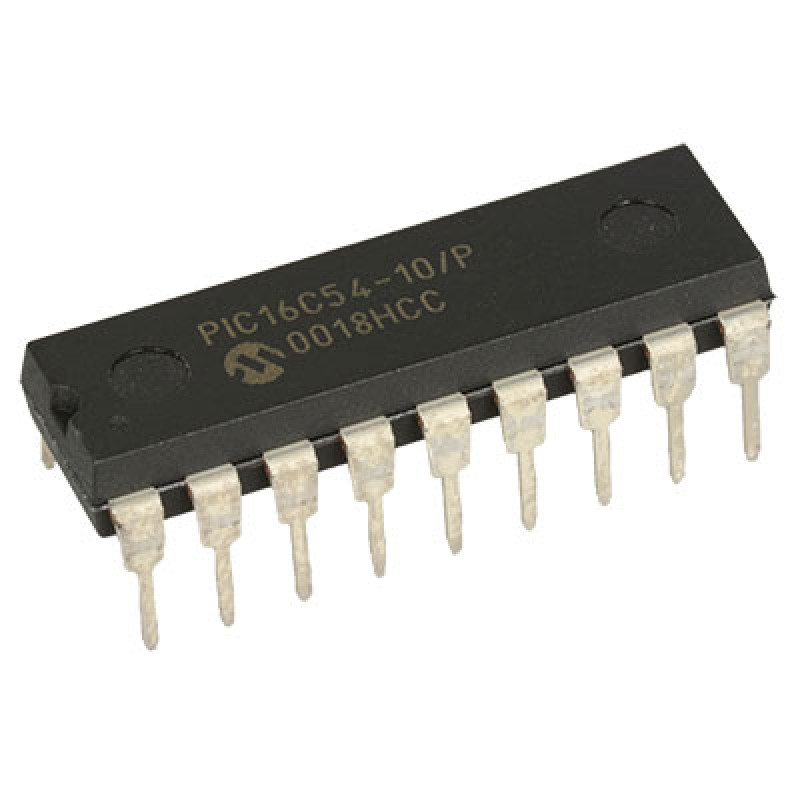
In many production environments, manufacturers configure the PIC16C554 with protective, protected, locked, or even encrypted security settings to safeguard their embedded firmware and program data. These mechanisms prevent direct access to internal memory, including flash or configuration areas where the firmware binary and operational parameters are stored. Our recovery service focuses on carefully analyzing these secured devices and applying controlled engineering methods to attack, break, or decode restricted access mechanisms when legitimate recovery is required. Through advanced technical workflows, our engineers can retrieve embedded firmware, extract binary or heximal program files, and reconstruct the original archive of embedded software. In certain complex cases where conventional interfaces cannot access the secured memory, controlled decapsulate procedures may be applied to expose the silicon structure and allow deeper analysis of internal data storage regions.
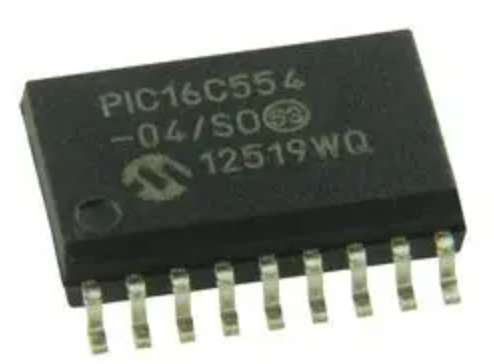
After the embedded memory content has been successfully retrieved, the next step is transforming raw data into usable engineering resources. The recovered firmware binary, EEPROM configuration information, and program file structures are carefully analyzed and verified. This allows the reconstructed firmware archive to be used for engineering validation, documentation recovery, and product continuity. The extracted heximal or binary firmware images can then be used to clone or duplicate the behavior of the original PIC16C554 device on replacement components. By rebuilding the missing source code equivalents and program structures from protected embedded memory, our service enables companies to recover valuable intellectual assets that would otherwise be permanently lost.
Special Ic Features:
· Power-on Reset (POR)
· Power-up Timer (PWRT) and Oscillator Start-up Timer (OST)
· Watchdog Timer (WDT) with its own on-chip RC oscillator for reliable operation
CMOS Technology:
· Low-power, high-speed CMOS EPROM technology
· Fully static design
· Wide operating voltage range
– 2.5V to 5.5V PIC16C55X
– 3.0 to 5.5V PIC16C55XA
· Commercial, industrial and extended temperature range
· Low power consumption
– < 2.0 mA @ 5.0V, 4.0 MHz
– 15 µA typical @ 3.0V, 32 kHz
– < 1.0 µA typical standby current @ 3.0V
For equipment manufacturers, maintenance providers, and system integrators, the benefits of Recover IC PIC16C554 Software are significant. Recovering embedded firmware data makes it possible to maintain legacy systems, repair field devices, and reproduce hardware units without redesigning the entire control platform. Organizations can continue manufacturing spare units, extend the operational lifespan of existing products, and avoid costly redevelopment. Instead of abandoning proven equipment due to locked or secured microcontrollers, companies can regain access to their embedded program logic and memory resources. Through disciplined handling of protected devices and advanced firmware reconstruction techniques, our service offers a reliable path for retrieving critical software assets and preserving the functionality of embedded electronic systems across multiple industries.
Recover MCU ATmega8 Flash
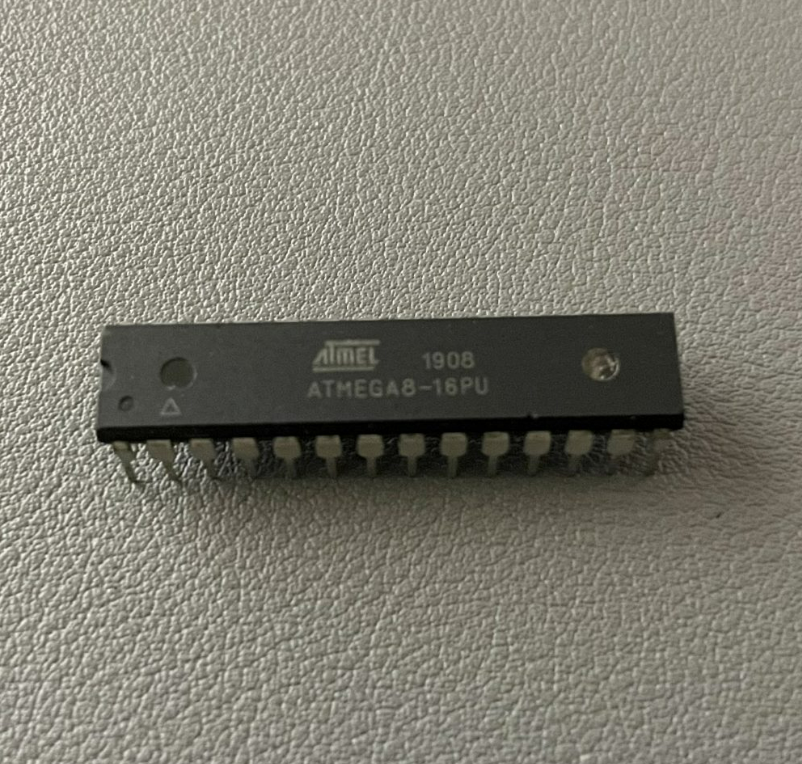
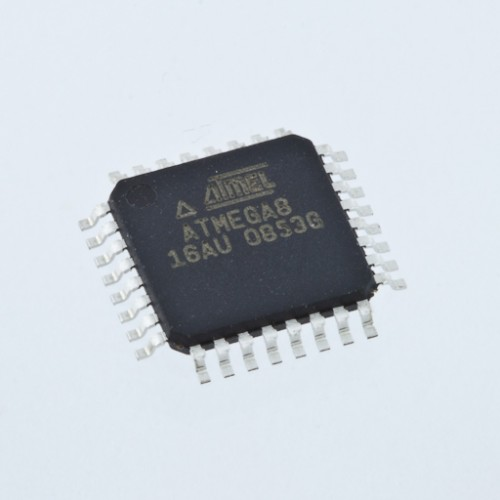
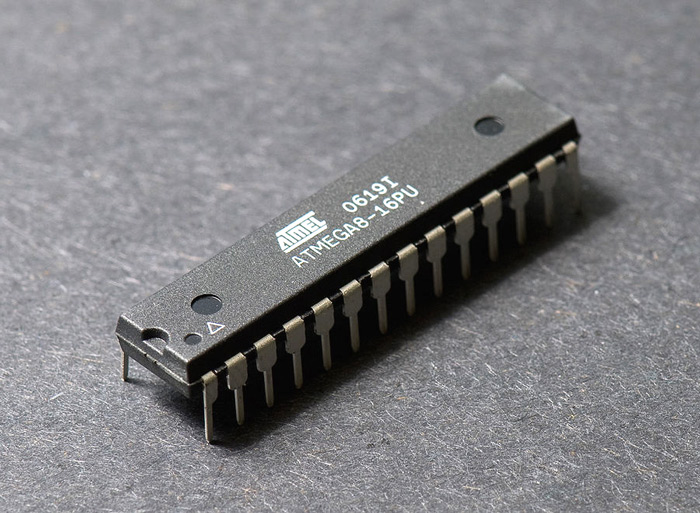
Recover MCU ATmega8 Flash is a specialized service designed to help customers regain access to valuable embedded firmware stored inside ATmega8 microcontrollers when the original source code or programming files are no longer available. The ATmega8 is a widely used 8-bit AVR MCU known for its balanced performance, low power consumption, and flexible on-chip flash and EEPROM architecture. It has been extensively adopted in industrial controllers, consumer electronics, power tools, automotive subsystems, access control devices, and various embedded automation products. In many of these applications, the firmware is stored in a protected or locked flash memory to prevent unauthorized access, which makes long-term maintenance and product continuity a challenge once documentation or original developers are gone.
We can Recover MCU ATMEGA8 Flash, please see below MCU ATMEGA8 features for your reference:
Features
· High-performance, Low-power AVR® 8-bit Microcontroller
· Advanced RISC Architecture
– 130 Powerful Instructions – Most Single-clock Cycle Execution
– 32 x 8 General Purpose Working Registers
– Fully Static Operation
– Up to 16 MIPS Throughput at 16 MHz
– On-chip 2-cycle Multiplier
Nonvolatile Program and Data Memories
Our service focuses on professionally retrieving embedded firmware from secured ATmega8 devices while respecting practical engineering constraints. Whether the flash memory is protected, encrypted, or locked, our technical workflow is designed to attack and break access barriers in a controlled manner, enabling clients to retrieve binary, heximal, or archived program data for further use. The recovered firmware or EEPROM memory content can then be used to clone or duplicate the MCU for production continuity, analyze legacy logic, or support functional upgrades. For many customers, this recovery process is essential to avoid costly full redesigns and to extend the lifecycle of proven embedded systems.
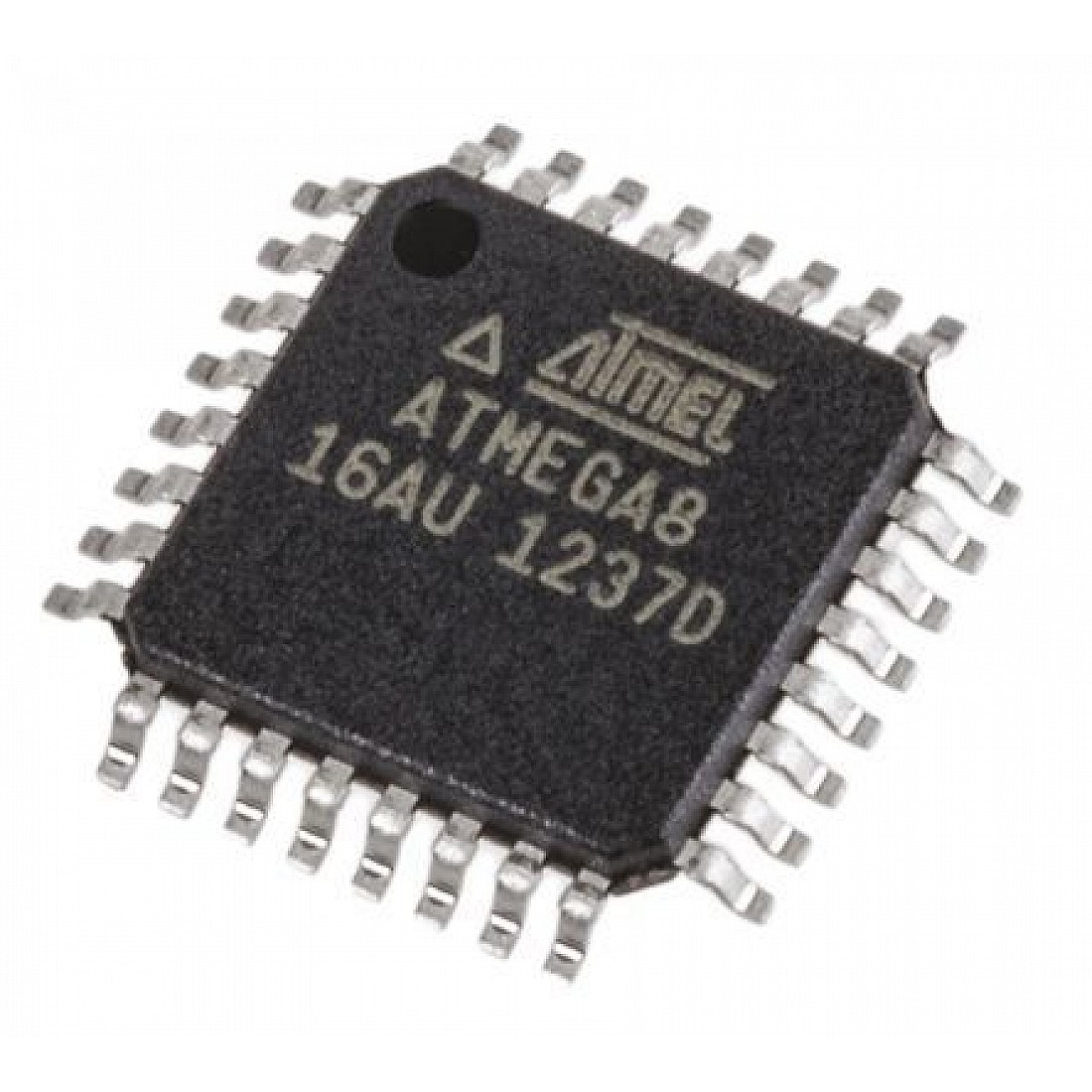
From a technical perspective, recovering ATmega8 flash involves a combination of hardware-level access, logical analysis, and data reconstruction. Depending on the security configuration, the process may involve controlled decode operations, non-invasive extraction, or, in more complex cases, selective decapsulate procedures to access embedded memory structures. The goal is not simply to hack a device, but to reliably retrieve usable firmware data, reconstruct source code representations where possible, and verify memory integrity across flash and EEPROM regions. Each step is performed carefully to minimize risk to the MCU and maximize data accuracy.
– 8K Bytes of In-System Self-Programmable Flash
Endurance: 10,000 Write/Erase Cycles
– Optional Boot Code Section with Independent Lock Bits
In-System Programming by On-chip Boot Program
True Read-While-Write Operation
– 512 Bytes EEPROM
Endurance: 100,000 Write/Erase Cycles
– 1K Byte Internal SRAM
– Programming Lock for Software Security
Peripheral Features
– Two 8-bit Timer/Counters with Separate Prescaler, one Compare Mode
– One 16-bit Timer/Counter with Separate Prescaler, Compare Mode, and Capture
Mode
– Real Time Counter with Separate Oscillator
– Three PWM Channels
– 8-channel ADC in TQFP and QFN/MLF package
Eight Channels 10-bit Accuracy
– 6-channel ADC in PDIP package
Eight Channels 10-bit Accuracy
– Byte-oriented Two-wire Serial Interface
– Programmable Serial USART
– Master/Slave SPI Serial Interface
– Programmable Watchdog Timer with Separate On-chip Oscillator
– On-chip Analog Comparator
Special Microcontroller Features
However, this work is not without difficulty. Protective fuse settings, encrypted memory blocks, aging silicon, and unknown firmware revisions can all complicate recovery. Timing sensitivities, readout noise, and partial data corruption are common challenges when dealing with older embedded chips. Our experience allows us to manage these risks and deliver stable results that benefit end users by restoring control over their own firmware assets. With Recover MCU ATmega8 Flash services, customers gain a practical path to retrieve critical program files, secure long-term support, and preserve the value of their embedded systems without unnecessary redevelopment.
– Power-on Reset and Programmable Brown-out Detection
– Internal Calibrated RC Oscillator
– External and Internal Interrupt Sources
– Five Sleep Modes: Idle, ADC Noise Reduction, Power-save, Power-down, and Standby
I/O and Packages
– 23 Programmable I/O Lines
– 28-lead PDIP, 32-lead TQFP, and 32-pad QFN/MLF
Operating Voltages
– 2.7 – 5.5V (ATmega8L)
– 4.5 – 5.5V (ATmega8)
Speed Grades
– 0 – 8 MHz (ATmega8L)
– 0 – 16 MHz (ATmega8)
Power Consumption at 4 Mhz, 3V, 25°C
Posted in Recover Chip |
Tags: odnaleźć mikrokontroler bin, odnaleźć mikrokontroler code, odnaleźć mikrokontroler data, odnaleźć mikrokontroler eeprom, odnaleźć mikrokontroler file, odnaleźć mikrokontroler firmware, odnaleźć mikrokontroler flash, odnaleźć mikrokontroler hex, odnaleźć mikrokontroler memory, odnaleźć mikrokontroler program, recover mcu locked binary, recover mcu locked content, recover mcu locked data, recover mcu locked file, recover mcu locked flash, recover mcu locked heximal, recover mcu locked software |
Comments Closed
Recover Microcontroller STM32F105RCT6TR Binary
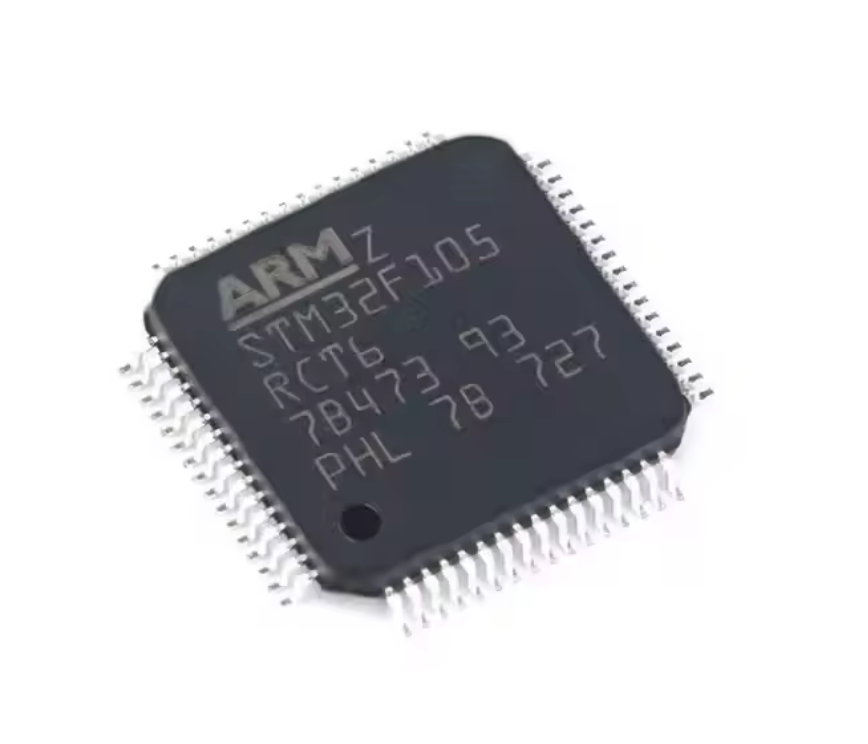
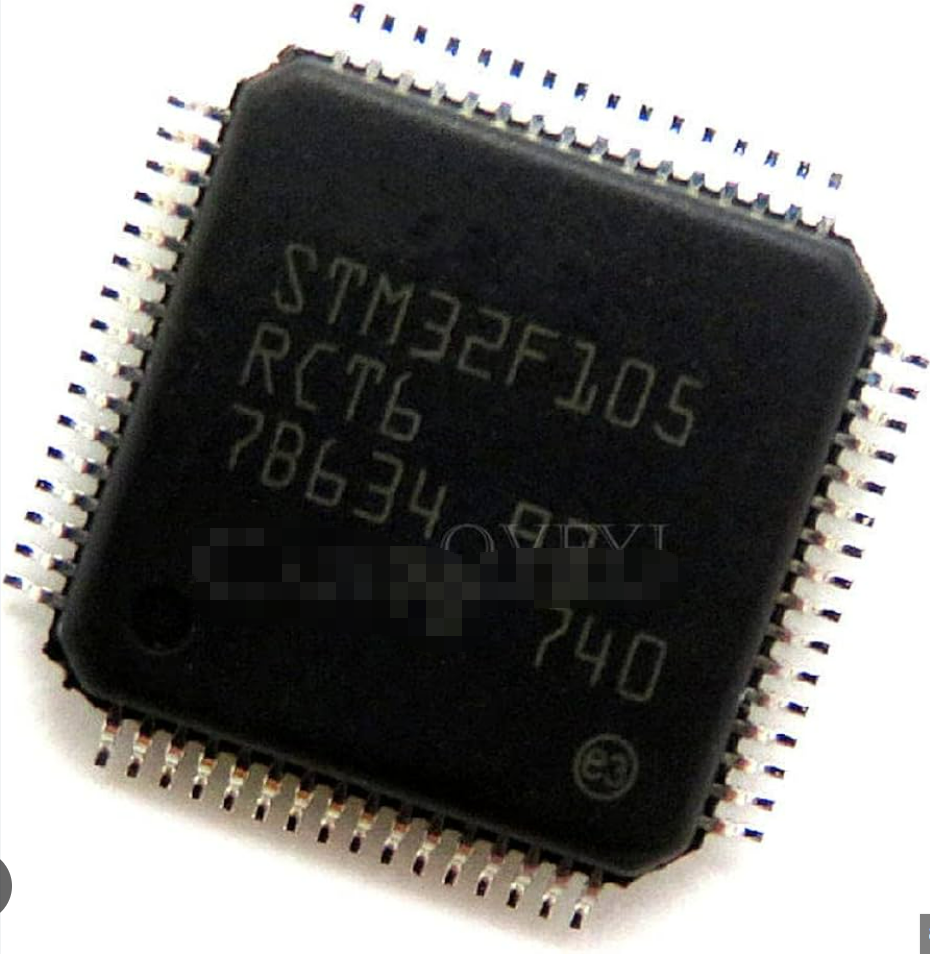
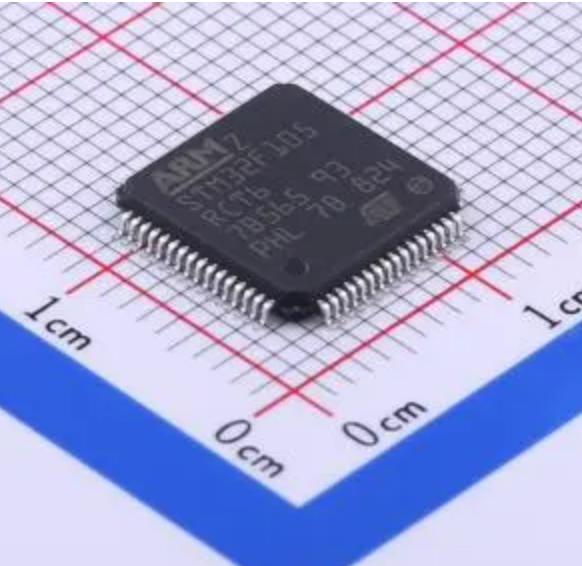
Recovering embedded firmware from a protected STM32F105RCT6TR is a common requirement in industrial maintenance, legacy system support, and product migration projects. Our service for Recover Microcontroller STM32F105RCT6TR Binary is designed to assist authorized users in retrieving critical firmware, binary, or heximal data from locked, encrypted, or secured devices when original source code or archives are no longer available. Based on the ARM Cortex-M3 core, the STM32F105RCT6TR is widely used in industrial automation, power control, medical devices, communication gateways, and automotive subsystems due to its high performance, rich peripheral set, and reliable embedded flash and EEPROM emulation. When firmware stored in flash memory becomes inaccessible because of protective configuration or lost documentation, recovering the program file can be essential for product continuity and lifecycle management.
We can Recover Microcontroller STM32F105RCT6TR Binary, please view below Microcontroller STM32F105RCT6TR features for your reference:
Features
Core: ARM 32-bit Cortex™-M3 CPU
– 72 MHz maximum frequency, 1.25 DMIPS/MHz (Dhrystone 2.1) performance at 0 wait state memory
LQFP100 14 × 14 mm
LQFP64 10 × 10 mm
access
– Single-cycle multiplication and hardware division
Memories
– 64 to 256 Kbytes of Flash memory
– up to 64 Kbytes of general-purpose SRAM Clock, reset and supply management
– 2.0 to 3.6 V application supply and I/Os
– POR, PDR, and programmable voltage detector (PVD)
– 3-to-25 MHz crystal oscillator
– Internal 8 MHz factory-trimmed RC
– Internal 40 kHz RC with calibration
From a technical perspective, STM32F105 devices implement multiple layers of protection to secure embedded firmware and source code, including readout protection levels, debug port locking, and encrypted memory access. These mechanisms are designed to prevent unauthorized copy or clone of firmware, binary, or data stored in flash or EEPROM. In legitimate scenarios such as product refurbishment or system upgrade, engineers may need to retrieve, decode, or duplicate the embedded program without revealing implementation details. Our recovery service approaches this challenge at a professional level, focusing on controlled analysis of protected memory, secure handling of extracted data, and careful validation of recovered firmware archives. The process may involve non-invasive and semi-invasive analysis concepts, always respecting legal ownership and authorization requirements, while avoiding unnecessary risk to the device or stored data.
– 32 kHz oscillator for RTC with calibration Low power
– Sleep, Stop and Standby modes
– VBAT supply for RTC and backup registers
2 × 12-bit, 1 µs A/D converters (16 channels)
– Conversion range: 0 to 3.6 V
– Sample and hold capability
– Temperature sensor
– up to 2 MSPS in interleaved mode 2 × 12-bit D/A converters DMA: 12-channel DMA controller
– Supported peripherals: timers, ADCs, DAC, I2Ss, SPIs, I2Cs and USARTs
Up to 10 timers with pinout remap capability
– Up to four 16-bit timers, each with up to 4 IC/OC/PWM or pulse counter and quadrature (incremental) encoder input
– 1 × 16-bit motor control PWM timer with dead-time generation and emergency stop
– 2 × watchdog timers (Independent and Window)
– SysTick timer: a 24-bit downcounter
– 2 × 16-bit basic timers to drive the DAC Up to 14 communication interfaces with pinout remap capability
– Up to 2 × I2C interfaces (SMBus/PMBus)
– Up to 5 USARTs (ISO 7816 interface, LIN, IrDA capability, modem control)
– Up to 3 SPIs (18 Mbit/s), 2 with a multiplexed I2S interface that offers audio class accuracy via advanced PLL schemes
The benefits of using our STM32F105RCT6TR firmware recovery service are significant for end users. Successfully retrieving a locked or encrypted binary allows companies to restore production, migrate firmware to a new microcontroller, perform compatibility updates, or clone functionality for backup systems without redesigning the entire product. It also reduces downtime, engineering cost, and the risk associated with rewriting complex embedded logic from scratch.
At the same time, the recovery process presents real difficulties, including advanced protection mechanisms, potential data loss during attack or break attempts, and the complexity of handling secured memory layouts. Our experience enables us to manage these challenges responsibly, delivering reliable results while maintaining confidentiality and compliance. For organizations seeking a dependable way to retrieve STM32F105RCT6TR firmware, binary, or program data, our service offers a practical and professional solution tailored to modern embedded systems.
– 2 × CAN interfaces (2.0B Active) with 512 bytes of dedicated SRAM
– USB 2.0 full-speed device/host/OTG controller with on-chip PHY that supports HNP/SRP/ID with 1.25 Kbytes of dedicated SRAM
– 10/100 Ethernet MAC with dedicated DMA and SRAM (4 Kbytes): IEEE1588 hardware support, MII/RMII available on all packages
Table 1.
Device summary
– Serial wire debug (SWD) & JTAG interfaces
Reference
Part number
– Cortex-M3 Embedded Trace Macrocell™
Up to 80 fast I/O ports
– 51/80 I/Os, all mappable on 16 external interrupt vectors and almost all 5 V-tolerant CRC calculation unit, 96-bit unique ID
STM32F105xx
STM32F107xx
STM32F105R8, STM32F105V8
STM32F105RB, STM32F105VB
STM32F105RC, STM32F105VC
STM32F107RB, STM32F107VB
STM32F107RC, STM32F107VC
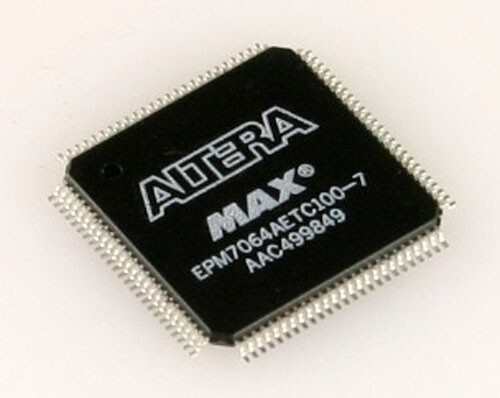
Recover Chip EPM7064AETC100-4N Software
Recover Chip EPM7064AETC100-4N Software is a professional service designed to retrieve critical design data from Altera MAX 7000 series CPLDs used in a wide range of embedded and industrial systems. The EPM7064AETC100-4N is commonly found in industrial control panels, communication equipment, automotive electronics, test instruments, and legacy automation platforms. Its compact logic architecture, fast response, and stable embedded performance make it ideal for glue logic, protocol handling, and custom control logic where firmware, binary, and archived program files are central to system operation.
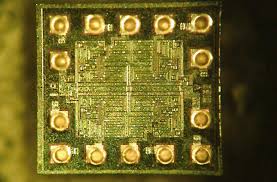
We can recover Chip EPM7064AETC100-4N software, please view below Chip EPM7064AETC100-4N features for your reference:
High-performance 3.3-V EEPROM-based programmable logic devices (PLDs) built on second-generation Multiple Array MatriX
3.3-V in-system programmability (ISP) through the built-in IEEE Std. 1149.1 Joint Test Action Group (JTAG) interface with advanced pin-locking capability
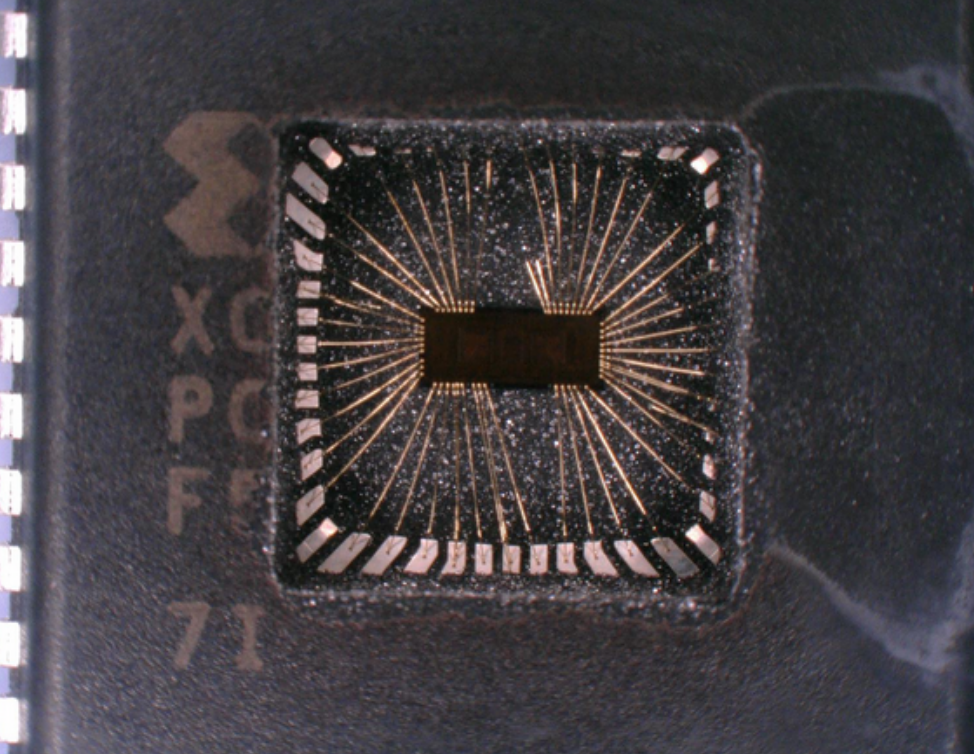
In many real-world cases, the original source code or configuration files are lost due to staff changes, discontinued suppliers, or aging storage media. Our service focuses on retrieving protected and locked design data from secured devices so that clients can restore functionality or duplicate existing hardware. Whether the goal is to recover a binary or heximal file, reconstruct embedded logic behavior, or extract archived program data for maintenance, we apply structured methods to decode and retrieve usable information while respecting device constraints. This enables safe cloning or controlled duplication without redesigning the entire system.
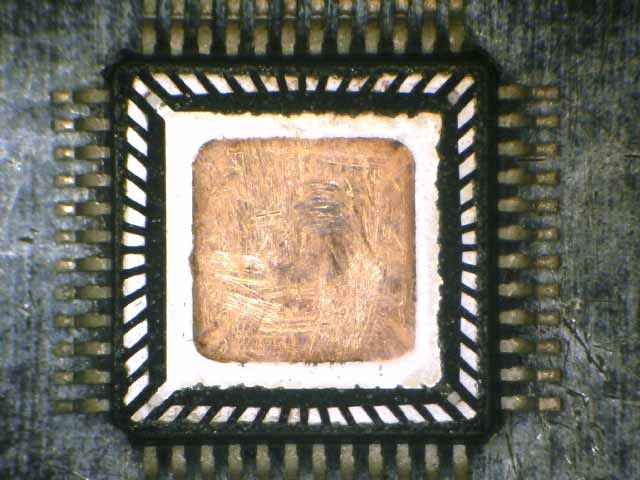
From a technical standpoint, EPM7064AETC100-4N recovery can be challenging because CPLDs rely on internal non-volatile memory structures rather than conventional flash or EEPROM layouts. Devices are often encrypted or secured with protection bits, making standard readout impossible. Depending on the condition and protection level, engineers may need to attack protection mechanisms, break access controls, or decapsulate the package for deeper analysis. These steps require experience to avoid data corruption and to ensure the recovered firmware or memory image accurately reflects the original embedded logic and timing behavior.
– MAX 7000AE device in-system programmability (ISP) circuitry compliant with IEEE Std. 1532
– EPM7128A and EPM7256A device ISP circuitry compatible with IEEE Std. 1532
Built-in boundary-scan test (BST) circuitry compliant with IEEE Std. 1149.1
Supports JEDEC Jam Standard Test and Programming Language (STAPL) JESD-71
Enhanced ISP features
– Enhanced ISP algorithm for faster programming (excluding EPM7128A and EPM7256A devices)
– ISP_Done bit to ensure complete programming (excluding EPM7128A and EPM7256A devices)
– Pull-up resistor on I/O pins during in-system
– Pin-compatible with the popular
4.5-ns pin-to-pin logic delays with counter frequencies of up to 227.3 MHz
MultiVoltTM I/O interface enables device core to run at 3.3 V, while I/O pins are compatible with 5.0-V, 3.3-V, and 2.5-V logic levels Pin counts ranging from 44 to 256 in a variety of thin quad flat pack (TQFP), plastic quad flat pack (PQFP), ball-grid array (BGA), space-saving FineLine BGATM, and plastic J-lead chip carrier (PLCC) packages.
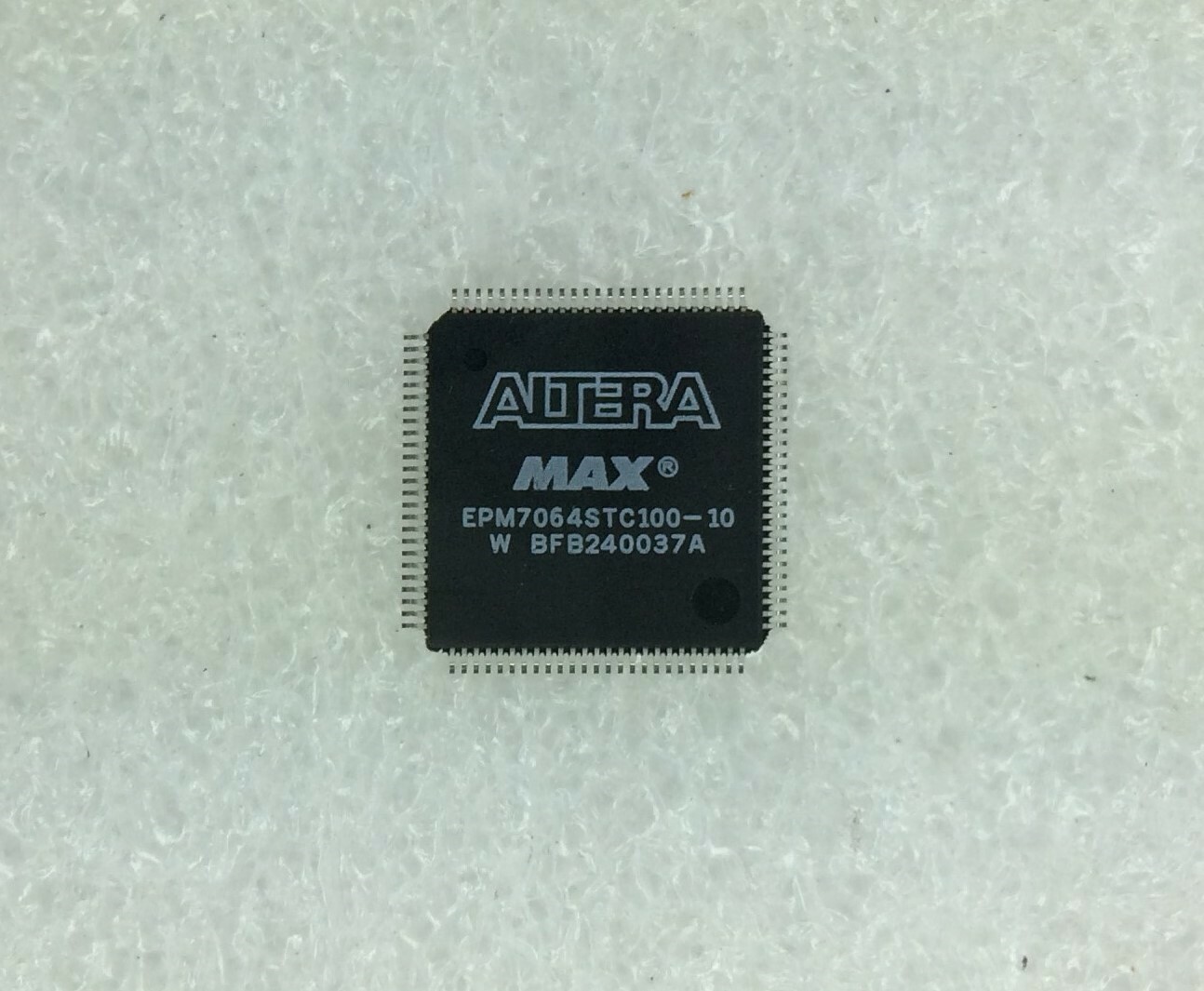
The purpose of recovering EPM7064AETC100-4N software is to deliver tangible value to end users. By retrieving critical data and program files, manufacturers can extend product life cycles, support installed equipment, migrate designs to newer platforms, or audit legacy logic for compliance and safety. Our service reduces downtime, minimizes redevelopment costs, and preserves intellectual investment locked inside protected chips. Even in complex scenarios involving encrypted or secured devices, our structured recovery workflow helps clients regain control of their embedded systems with confidence and long-term reliability.
Supports hot-socketing in MAX 7000AE devices
Programmable interconnect array (PIA) continuous routing structure for fast, predictable performance
PCI-compatible
Bus-friendly architecture, including programmable slew-rate control
Open-drain output option
Programmable macrocell registers with individual clear, preset, clock, and clock enable controls
Programmable power-up states for macrocell registers in MAX 7000AE devices
Programmable power-saving mode for 50% or greater power reduction in each macrocell
Configurable expander product-term distribution, allowing up to 32 product terms per macrocell
Programmable security bit for protection of proprietary designs 6 to 10 pin- or logic-driven output enable signals
Two global clock signals with optional inversion
Enhanced interconnect resources for improved routability
Fast input setup times provided by a dedicated path from I/O pin to macrocell registers
Programmable output slew-rate control
Programmable ground pins
Software design support and automatic place-and-route provided by Altera’s development systems for Windows-based PCs and Sun SPARCstation, and HP 9000 Series 700/800 workstations Additional design entry and simulation support provided by EDIF 2 0 0 and 3 0 0 netlist files, library of parameterized modules (LPM), Verilog HDL, VHDL, and other interfaces to popular EDA tools from manufacturers such as Cadence, Exemplar Logic, Mentor Graphics, OrCAD, Synopsys, Synplicity, and VeriBest
Programming support with Altera’s Master Programming Unit (MPU), MasterBlasterTM serial/universal serial bus (USB) communications cable, ByteBlasterMVTM parallel port download cable, and BitBlasterTM serial download cable, as well as programming hardware from third-party manufacturers and any JamTM STAPL File (.jam), Jam Byte-Code File (.jbc), or Serial Vector Format File- (.svf) capable in-circuit tester.