 Attack MCU PIC16F630 Firmware
 October 14th, 2014 |
 Author:
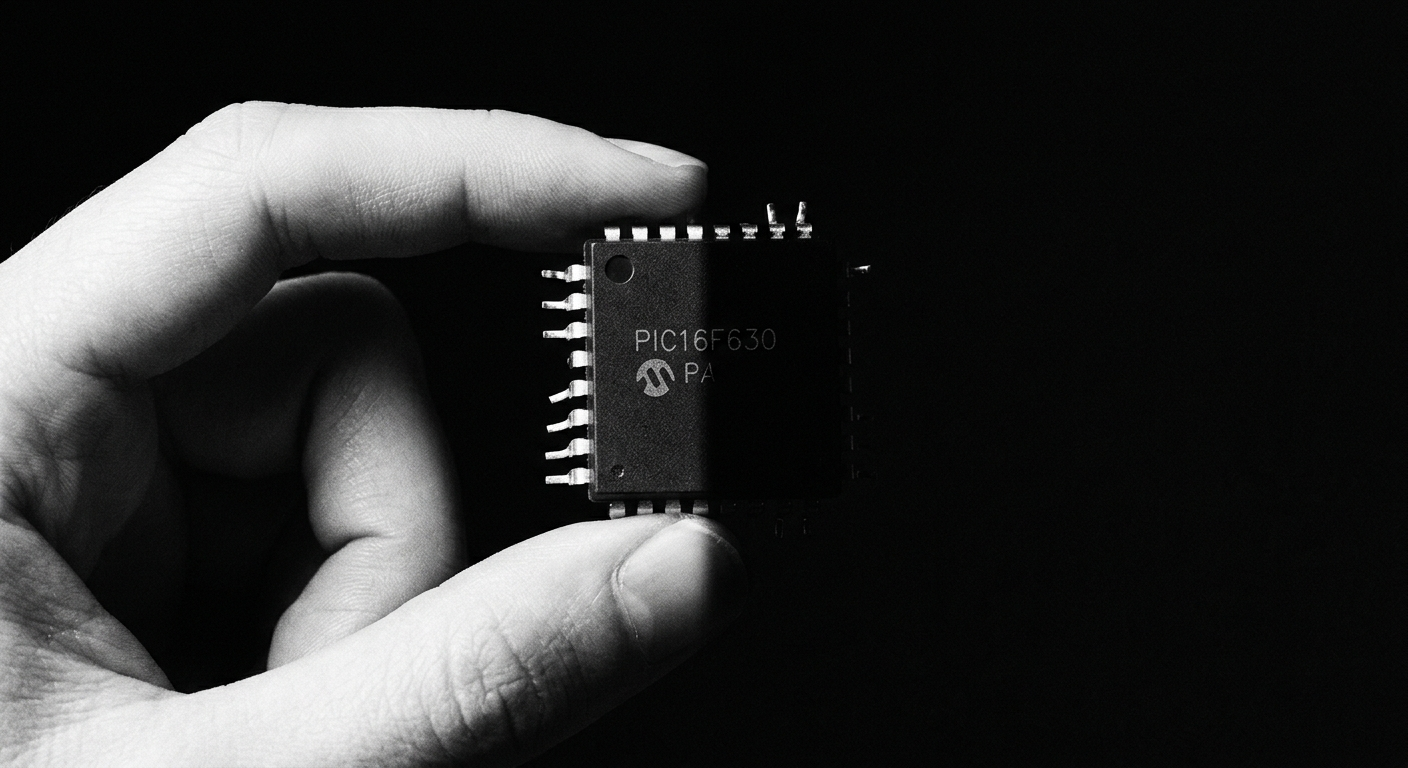
The Microchip PIC16F630 is a popular, robust 8-bit flash-based microcontroller that has found its way into countless embedded systems, ranging from legacy industrial controllers and automotive modules to consumer electronics. Because these devices often control critical hardware or contain proprietary logic, understanding their security architecture is vital. When security researchers or forensic engineers set out to Attack MCU PIC16F630 Firmware, their objectives typically revolve around recovering lost source code, assessing intellectual property vulnerability, or conducting rigorous hardware security audits.
The Architecture and Code Protection Mechanisms
To understand how firmware analysis is approached on this chip, one must first examine its built-in security features. The PIC16F630 features internal flash program memory, EEPROM data memory, and RAM. To prevent unauthorized extraction of compiled code, Microchip implemented a hardware-level feature known as Code Protection (CP).
When the Code Protection bit is enabled during the programming process, the internal flash memory is shielded from external reads via the ICSP (In-Circuit Serial Programming) interface. Under normal operating conditions, any attempt to read the program memory results in scrambled or blank data, effectively safeguarding the developer’s intellectual property.
Methodologies in Hardware Security Analysis
Security researchers and vulnerability analysts utilize specialized techniques to evaluate the resilience of legacy silicon. When researchers attempt to Attack MCU PIC16F630 Firmware, they generally rely on advanced hardware hacking methodologies rather than traditional software exploits:
- Voltage and Clock Glitching: By injecting precise, rapid fluctuations into the power supply or clock signal during boot-up or read routines, analysts sometimes attempt to bypass security checks or instruction execution flows.
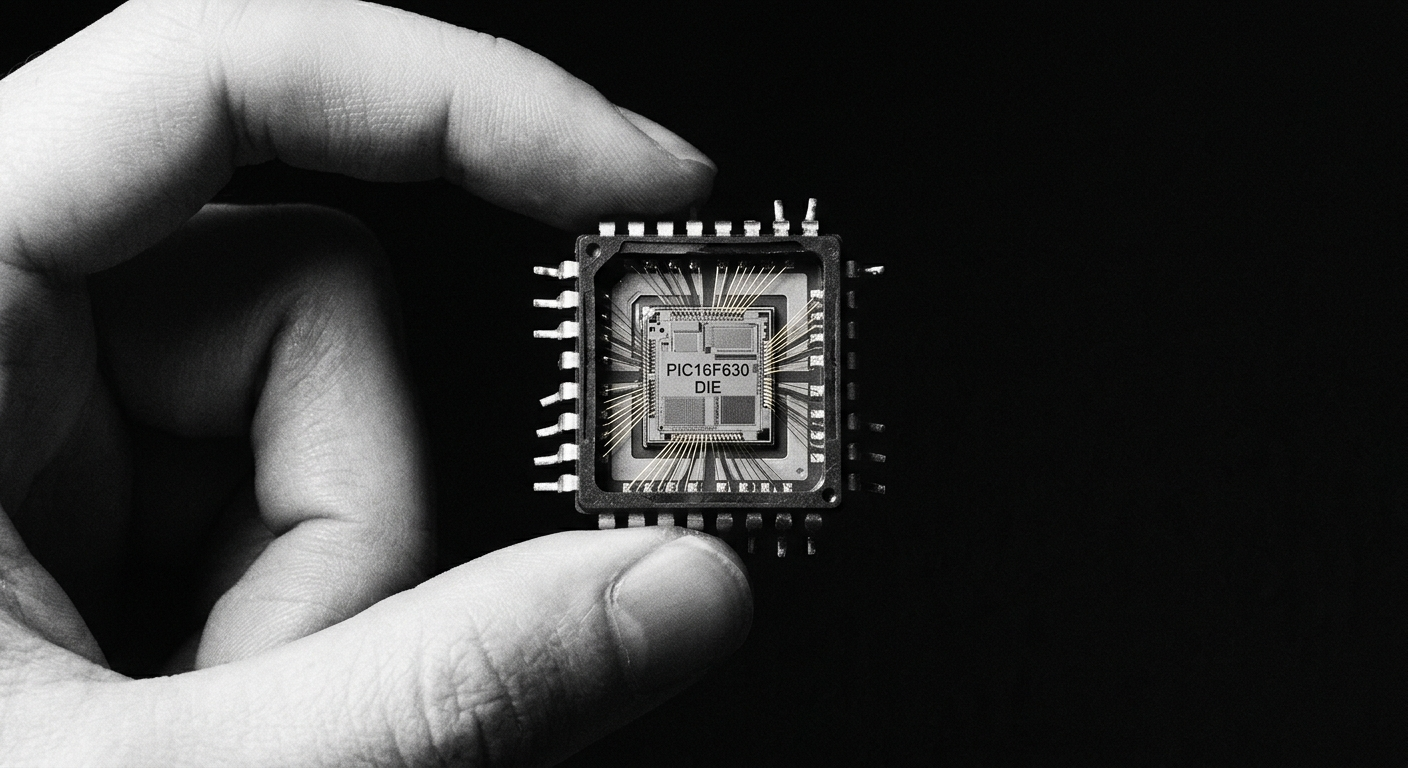
- Microprobing and Optical Inspection: Older 8-bit architectures with larger process nodes are occasionally susceptible to invasive physical attacks. Using micro-manipulators and scanning electron microscopes, advanced laboratories can sometimes bypass fuse bits or read charge states directly from the silicon die.
- Side-Channel Analysis (SCA): Monitoring power consumption or electromagnetic emissions during cryptographic or operational routines can reveal internal states, though this is more commonly applied to encryption keys than simple flash extraction.
It is important to note that these techniques require specialized laboratory equipment, deep domain expertise, and significant time investment, making them economically unfeasible for casual tampering but relevant for high-value forensic investigations.
Implications for Embedded Engineers
The challenges involved when individuals or organizations Attack MCU PIC16F630 Firmware highlight important lessons for modern embedded system design:
- Relying on Obscurity is Insufficient: While the PIC16F630’s code protection stops basic reading tools, older architectures lack modern countermeasures like secure boot, hardware-based root of trust, and encrypted flash buses.
- Legacy Risk Management: Many systems using the PIC16F630 have been deployed for over a decade. Components in the field can suffer from physical accessibility risks if enclosures lack tamper-evident seals.
- Defense-in-Depth: Protecting firmware should never rely solely on a single configuration bit. Implementing software-level authentication, encrypted communication protocols between chips, and robust physical enclosure security provides much stronger protection.
Conclusion
The PIC16F630 remains a textbook example of classic 8-bit microcontroller design. Exploring how engineers Attack MCU PIC16F630 Firmware sheds light on the delicate balance between hardware usability and security. As embedded systems continue to evolve, understanding the limitations of legacy silicon ensures that modern developers build more resilient, secure, and tamper-resistant devices from the ground up.
 Posted in Break IC