 Copy Microcontroller PIC16C770 Eeprom
 July 27th, 2014 |
  Author:
 The PIC16C770 microcontroller has long been used in embedded control systems where compact design, stable performance, and cost efficiency are essential. It can be found in industrial controllers, sensor modules, measurement equipment, power management units, and various consumer electronic devices. With its integrated EEPROM, reliable program memory architecture, and flexible peripheral configuration, the PIC16C770 is well suited for systems that must store calibration parameters, configuration data, and embedded firmware logic. However, in many legacy devices the original firmware archive, binary file, or source code documentation is no longer available, making maintenance or system duplication extremely difficult. In these situations, a specialized Copy Microcontroller PIC16C770 Eeprom service becomes a valuable solution for recovering critical embedded data and preserving long-term system functionality.
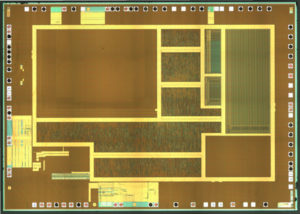
In practical embedded products, manufacturers frequently enable protective, protected, locked, or encrypted configurations to secure firmware and program memory stored inside the microcontroller. These mechanisms protect intellectual property but can also prevent legitimate recovery when systems must be repaired or upgraded. Our Copy Microcontroller PIC16C770 Eeprom service focuses on helping authorized clients attack, break, or carefully decode these restrictions in a controlled engineering environment in order to retrieve valuable firmware, binary, or heximal data from flash and EEPROM memory. Through advanced analysis, our engineers can reconstruct program file archives and restore embedded data structures when the original development materials have been lost. In complex scenarios where internal protection mechanisms prevent normal access, specialized techniques including controlled decapsulate procedures may be considered to reach secured memory regions and extract the required firmware content.
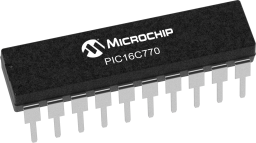
This document contains device-specific information. Additional information may be found in the PICmicroTM Mid-Range Reference Manual, (DS33023), which may be obtained from your local Micromicrocontroller Sales Representative or downloaded from the Micromicrocontroller website.
The Reference Manual should be considered a complementary document to this data sheet, and is highly recommended copying for a better understanding of the device architecture and operation of the peripheral modules.
There are two memory blocks in each of these PICmicro ® microcontrollers. Each block (Program Memory and Data Memory) has its own bus, so that concurrent access can occur. Additional information on device memory may be found in the PICmicro Mid-Range Reference Manual, (DS33023).
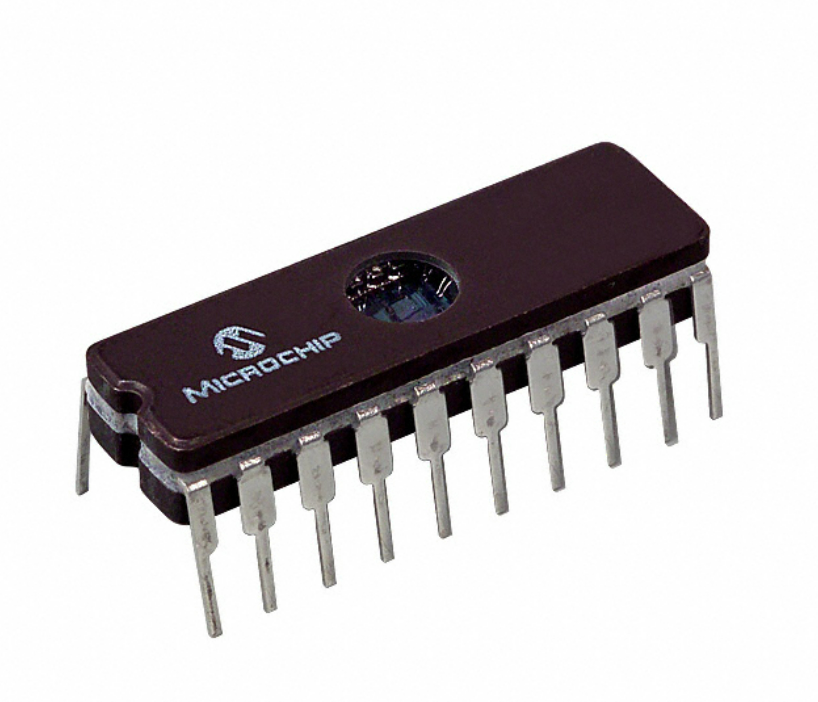
The PIC16C717/770/771 devices have a 13-bit program counter capable of addressing an 8K x 14 program memory space. The PIC16C717 and the PIC16C770 have 2K x 14 words of program memory. The PIC16C771 has 4K x 14 words of program memory. Accessing a location above the physically implemented address will cause a wraparound which can facilitate the MCU Cracking.
The reset vector is at 0000h and the interrupt vector is at 0004h. Each bank extends up to 7Fh (128 bytes). The lower locations of each bank are reserved for the Special Function Registers. Above the Special Function Registers are General Purpose Registers, implemented as static RAM. All implemented banks contain special function registers if Copy Microcontroller. Some frequently used special function registers from one bank are mirrored in another bank for code reduction and quicker access.
The Special Function Registers are registers used by the CPU and Peripheral Modules for controlling the desired operation of the device. These registers are implemented as static RAM. The special function registers can be classified into two sets; core (CPU) and peripheral. Those registers associated with the core functions are described in detail in this section. Those related to the operation of the peripheral features are described in detail in that peripheral feature section.
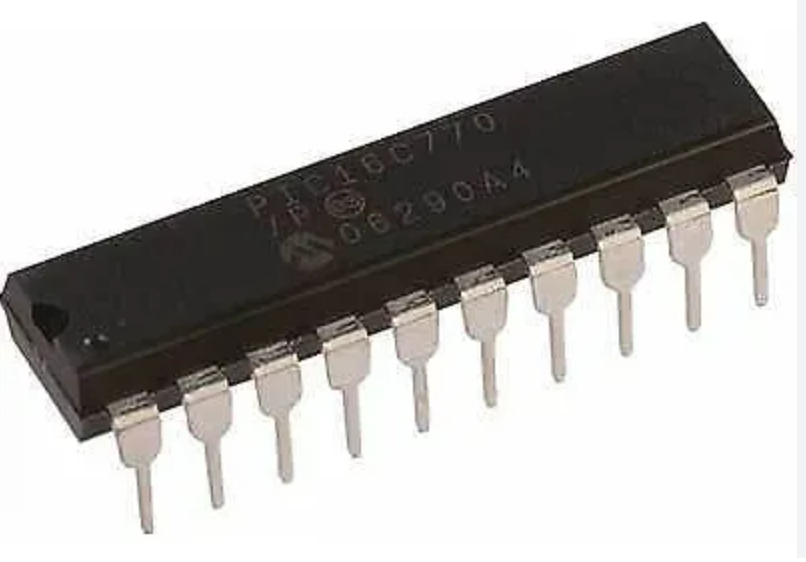
Once the embedded memory data has been successfully retrieved, the next stage is to convert raw dumps into structured and usable program assets. Firmware blocks stored in flash and configuration parameters stored in EEPROM are carefully analyzed, verified, and organized into reliable binary or heximal program files. These reconstructed archives allow clients to clone or duplicate the original microcontroller functionality on replacement devices while maintaining compatibility with existing hardware systems. By decoding secured firmware structures and rebuilding program data, our service enables companies to preserve embedded logic that would otherwise be inaccessible due to lost source code or protected device configurations.
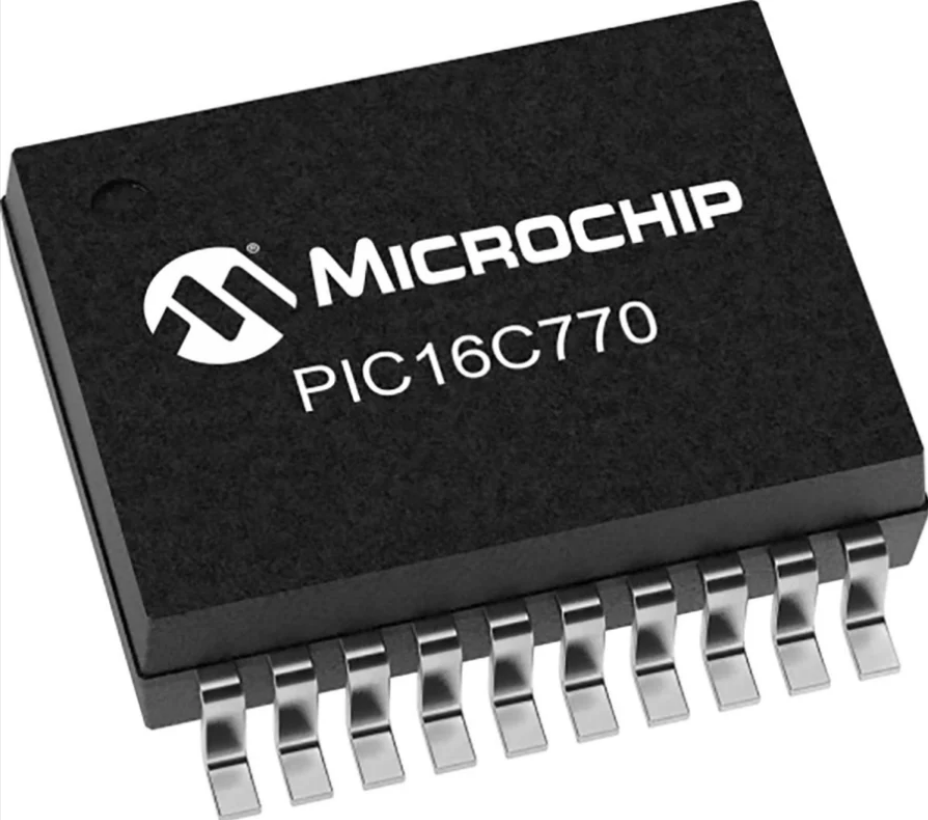
The advantages for end users are significant. Recovering the firmware and EEPROM data from a PIC16C770 microcontroller allows companies to maintain legacy equipment, support spare unit production, and avoid expensive system redesign. Industrial operators, equipment manufacturers, and maintenance providers can extend the lifecycle of deployed devices while ensuring operational stability. Instead of abandoning proven hardware due to locked or secured microcontrollers, organizations can regain access to their embedded program logic and memory resources. Through careful handling of protected devices and disciplined firmware reconstruction methods, our Copy Microcontroller PIC16C770 Eeprom service provides a reliable path for retrieving valuable embedded data and sustaining critical electronic systems across many industries.
 Posted in Reverse Engineer Microcontroller