 Recover MCU PIC16C63A Firmware
 March 5th, 2015 |
  Author:
 The PIC16C63A has earned a reputation as a dependable microcontroller for industrial and commercial electronics that require stable operation over many years. Even though newer devices have entered the market, countless legacy systems continue to rely on this controller because of its mature architecture, reliable peripheral integration, and predictable performance. It can be found in industrial automation equipment, security systems, environmental monitoring devices, communication interfaces, consumer electronics, laboratory instruments, automotive accessories, and intelligent control modules. Within these applications, the microcontroller stores essential firmware, operational program logic, calibration data, and system parameters inside its internal memory resources.
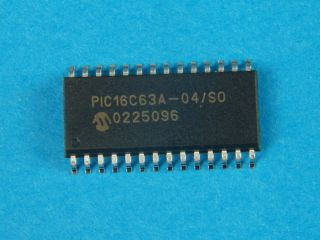
As these products remain in service for decades, manufacturers frequently discover that the original source code, binary, heximal development file, or engineering archive has been misplaced or no longer exists. At the same time, the device may be configured as protected, locked, secured, or encrypted, making recovery of valuable engineering information significantly more challenging. In these situations, preserving the embedded knowledge inside the MCU becomes essential for continued maintenance, product upgrades, and manufacturing continuity.
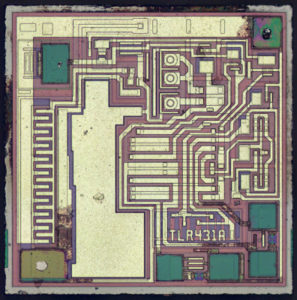
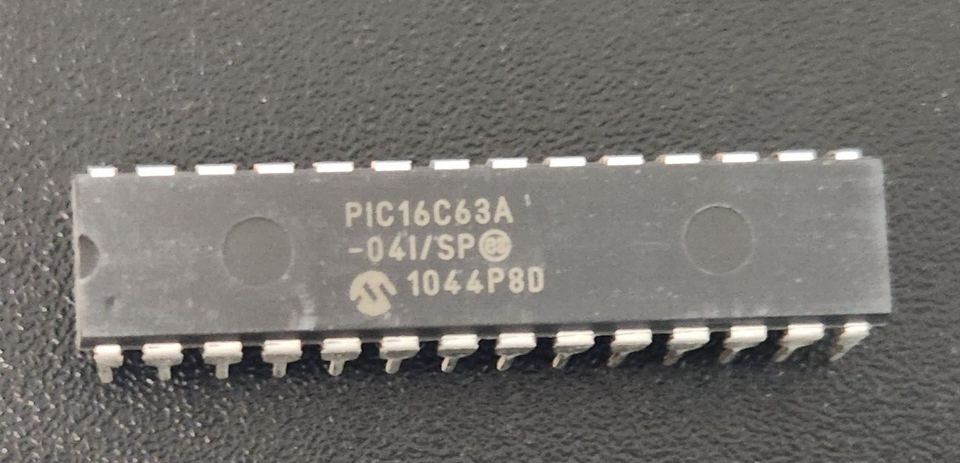
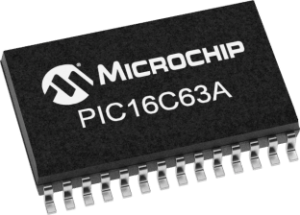
We can Recover MCU PIC16C63A Firmware, please view the MCU PIC16C63A features for your reference:
PIC16CXX Microcontroller Core Features:
· High performance RISC CPU
· Only 35 single word instructions to learn
· All single cycle instructions except for program branches which are two cycle
· Operating speed: DC – 20 MHz clock input DC – 200 ns instruction cycle
· 4 K x 14 words of Program Memory, 192 x 8 bytes of Data Memory (RAM)
· Interrupt capability
· Eight-level deep hardware stack
· Direct, indirect and relative addressing modes
· Power-on Reset (POR)
· Power-up Timer (PWRT) and Oscillator Start-up Timer (OST)
· Watchdog Timer (WDT) with its own on-chip RC oscillator for reliable operation
· Programmable code protection
· Power-saving SLEEP mode crystal/clock
· Timer2: 8-bit timer/counter with 8-bit period register, prescaler and postscaler
· Capture, Compare, PWM modules
– Capture is 16-bit, max. resolution is 200 ns
– Compare is 16-bit, max. resolution is 200 ns
– PWM max. resolution is 10-bit
· 8-bit multichannel Analog-to-Digital converter
· Synchronous Serial Port (SSP) with SPITM and I2CTM
· Universal Synchronous Asynchronous Receiver Transmitter (USART/SCI)
· Parallel Slave Port (PSP), 8-bits wide with external RD, WR and CS controls
· Brown-out detection circuitry for Brown-out Reset (BOR)
· Selectable oscillator options
· Low power, high speed CMOS EPROM technology
· Wide operating voltage range: 2.5V to 5.5V
· High Sink/Source Current 25/25 mA
· Commercial, Industrial and Automotive temperature ranges after Recover MCU PIC16C63A Firmware
· Low power consumption:
– < 5 mA @ 5V, 4 MHz
– 23 µA typical @ 3V, 32 kHz
– < 1.2 µA typical standby current
Our Recover MCU PIC16C63A firmware service is designed to help equipment manufacturers, maintenance organizations, and authorized product owners regain access to valuable engineering assets stored within legacy microcontrollers. Using advanced laboratory analysis together with structured recovery workflows, our engineering team can retrieve available firmware, organize historical binary and heximal images, and reconstruct meaningful engineering data from internal memory.
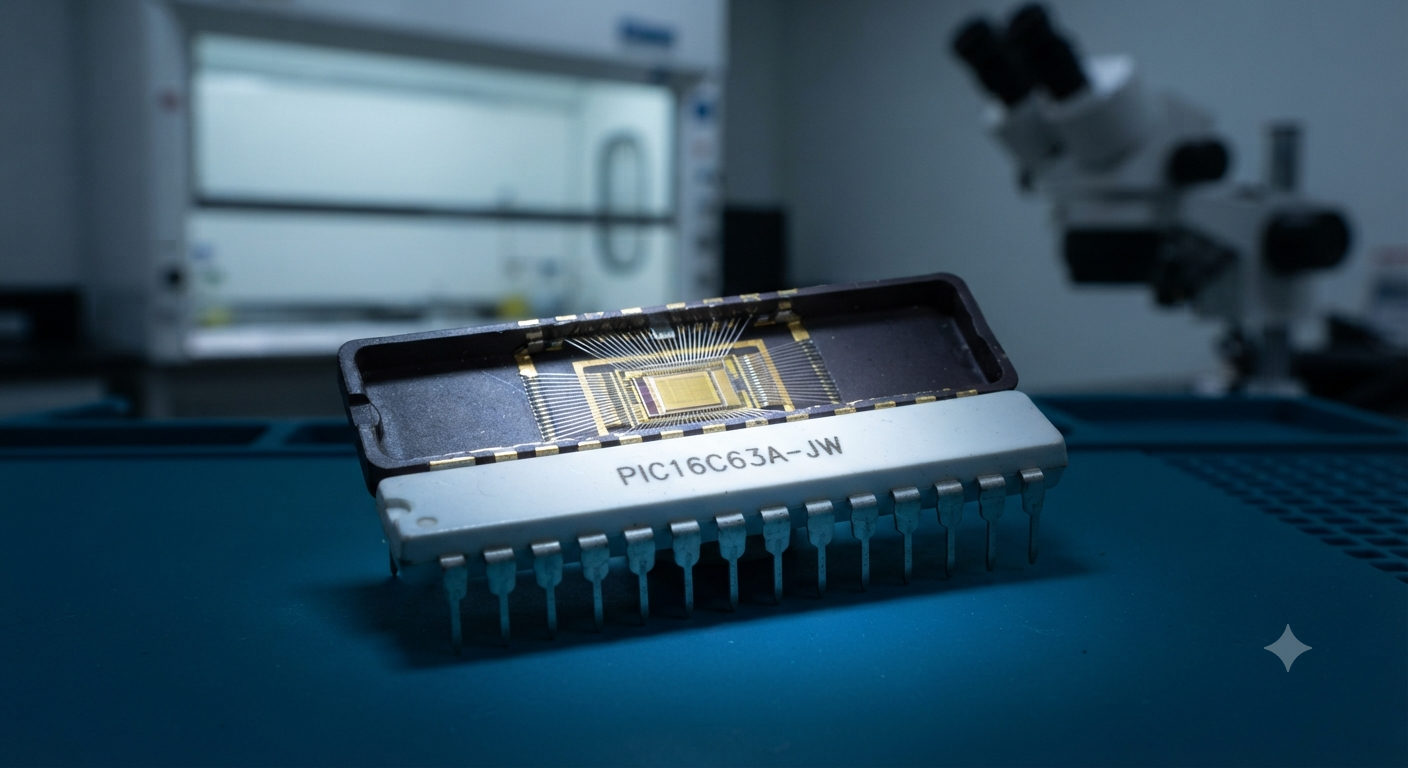
Depending on the project requirements and the condition of the device, carefully controlled semiconductor examination, including specialized decapsulate procedures where appropriate, may assist in understanding the storage organization of the microcontroller. Sophisticated decode techniques are then used to interpret recovered program structures and convert fragmented data into organized file and archive formats suitable for engineering evaluation. For organizations maintaining discontinued products, the recovered information can support documentation rebuilding, compatibility verification, controlled clone development, and limited duplicate manufacturing of existing hardware.
Projects involving protected, locked, or encrypted devices are evaluated individually so the most appropriate recovery methodology can be selected. Rather than simply attempting to attack, break, or hack a device, our objective is to preserve valuable embedded engineering information while respecting customer ownership and authorization requirements.
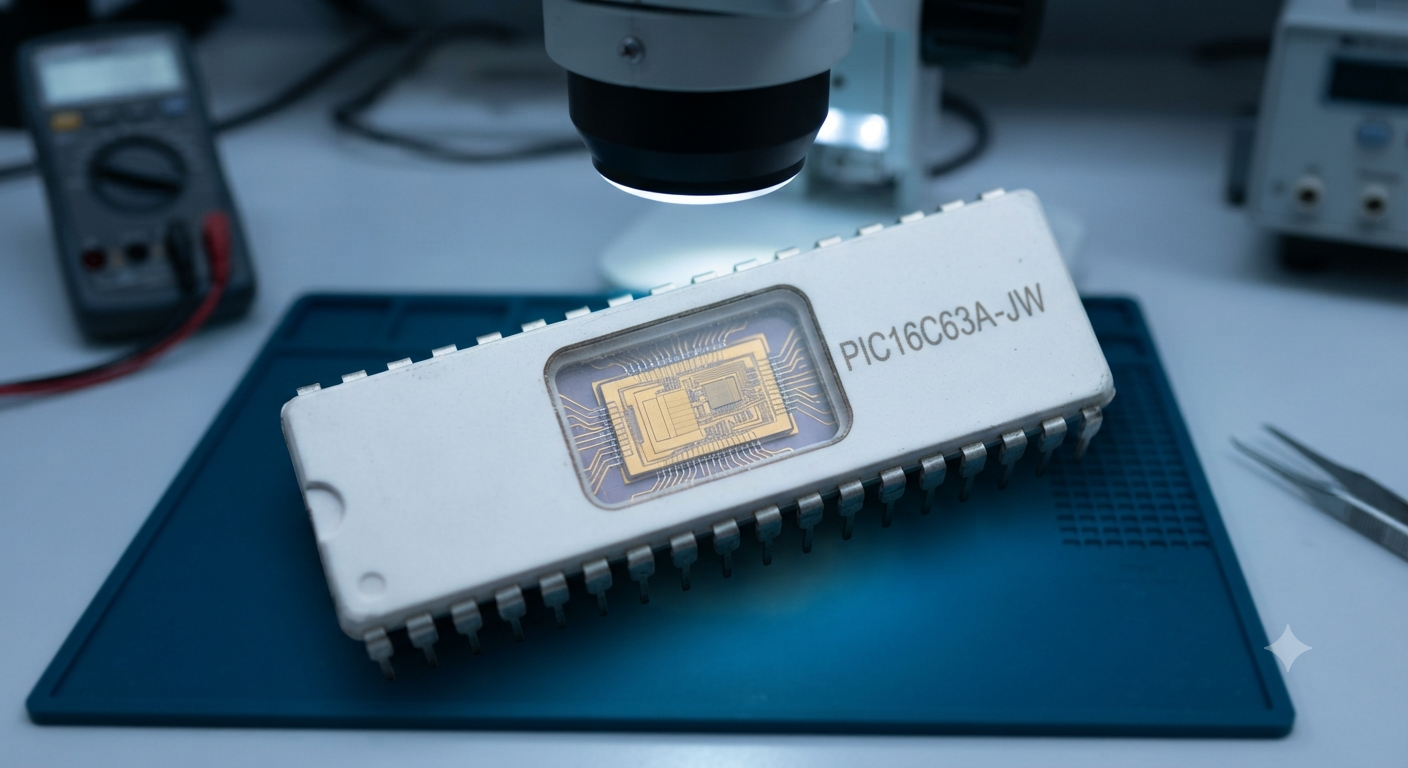
Every firmware recovery project requires a combination of semiconductor expertise and software analysis. Our workflow begins with a comprehensive assessment of the MCU to determine the condition of its internal memory, the integrity of stored data, and the feasibility of reconstructing the original firmware. Once the available binary or heximal information has been collected, multiple validation stages are performed to ensure consistency and completeness. Engineers analyze relationships between recovered program sections, configuration information, and supporting archive records to rebuild useful engineering resources.
Where appropriate, advanced laboratory techniques assist in examining difficult-to-access memory regions that have been configured with additional protective security mechanisms. The recovered source code references, file structures, and firmware images provide valuable technical insight that can be used to understand product operation, verify historical revisions, support hardware migration, or facilitate future redevelopment. Throughout the process, the emphasis remains on accurate retrieve, careful decode, and reliable preservation of embedded knowledge rather than destructive experimentation.
For end users, recovering the PIC16C63A firmware offers practical advantages that extend well beyond obtaining a simple memory image. Access to historical firmware, validated binary files, organized archive records, and reconstructed source code can significantly reduce redevelopment costs while extending the service life of existing products. Engineering teams are able to maintain legacy equipment, replace obsolete components, improve technical documentation, and support future modernization without redesigning proven systems from the beginning.
Whether the objective is lifecycle management, long-term maintenance, compatibility analysis, or preservation of valuable embedded intellectual property, our recovery service transforms inaccessible engineering assets into reusable technical resources. By combining extensive experience in embedded electronics, firmware analysis, and memory recovery, we provide customers with a dependable solution that helps preserve critical technologies and supports the continued success of legacy electronic products for many years to come.
 Posted in
Break IC PIC16F72A Binary
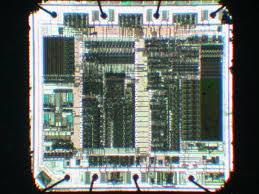
Break IC PIC16F72A Binary
This document contains device-specific information which could be quite useful for Break IC PIC16F72A Binary. Additional information may be found in the PICmicro™ Mid-Range Reference Manual, (DS33023), which may be obtained from your local Microchip Sales Representative or downloaded from the Microchip website.
The Reference Manual should be considered a complementary document to this data sheet, and is highly recommended reading for a better understanding of the device architecture and operation of the peripheral modules.
There are two devices (PIC16C72A) covered by this datasheet. The PIC16C62B does not have the A/D module implemented. The Special Function Registers are registers used by the CPU and Peripheral Modules for controlling the desired operation of the device to facilitate the process of Break MCU PIC16C717 Program. These registers are implemented as static RAM.
The STATUS register, shown in Register 2-1, contains the arithmetic status of the ALU, the RESET status and the bank select bits for data memory.
Break IC PIC16F72A Binary
The STATUS register can be the destination for any instruction, as with any other register. If the STATUS register is the destination for an instruction that affects the Z, DC or C bits in the process of MCU Crack, the write to these three bits is disabled.
These bits are set or cleared according to the device logic. The TO and PD bits are not writable. The result of an instruction with the STATUS register as destination may be different than intended. For example, CLRF STATUS will clear the upper-three bits and set the Z bit. This leaves the STATUS register as 000u u1uu (where u = unchanged).
Circuit Engineering Company Limited continues to be recognized as the Southern China Leader in Services for IC Read, MCU Break, Chip Extract, Microcontroller Reverse Engineering service. With the advancement of today’s modern circuit board technology, it is more important than ever to have specialists available to help you at a moment’s notice. Our engineering and commercial teams collectively have a vast amount of electronic experience covering field include Consumer Electronics, Industrial Automation Electronics, Wireless Communication Electronics., etc. For more information please contact us through email.
Recover Chip PIC16C62B Eeprom
The PIC16C62B has been a dependable microcontroller in countless embedded applications for many years. Its compact architecture, stable operating characteristics, and low power consumption have made it a popular choice for industrial automation equipment, security controllers, consumer electronics, environmental monitoring devices, medical instruments, communication interfaces, and automotive accessories. Within these products, the microcontroller stores critical firmware, application program logic, operational data, and configuration parameters inside internal eeprom and other memory resources. As equipment remains in service long after development has ended, manufacturers frequently discover that the original source code, binary, heximal, engineering file, or project archive has disappeared. At the same time, the device itself is often configured with protected, locked, secured, or encrypted settings to safeguard valuable intellectual property throughout the product lifecycle.
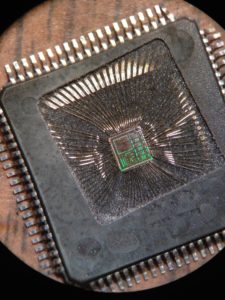
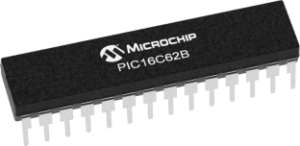
We can recover Chip PIC16C62B Eeprom, please view the Chip PIC16C62B features for your reference:
Microcontroller Core Features:
· High-performance RISC CPU
· Only 35 single word instructions to learn
· All single cycle instructions except for program branches, which are two cycle
· Operating speed: DC – 20 MHz clock input DC – 200 ns instruction cycle
· 2K x 14 words of Program Memory, 128 x 8 bytes of Data Memory (RAM)
· Interrupt capability
· Eight level deep hardware stack
· Direct, indirect, and relative addressing modes
· Power-on Reset (POR)
· Power-up Timer (PWRT) and Oscillator Start-up Timer (OST)
· Watchdog Timer (WDT) with its own on-chip RC oscillator for reliable operation
· Brown-out detection circuitry for Brown-out Reset (BOR)
· Programmable code-protection
· Power saving SLEEP mode
· Selectable oscillator options
· Low-power, high-speed CMOS EPROM technology
· Fully static design
· In-Circuit Serial Programming (ICSP)
· Wide operating voltage range: 2.5V to 5.5V
· High Sink/Source Current 25/25 mA
· Commercial, Industrial and Extended temperature ranges
· Low-power consumption:
– < 2 mA @ 5V, 4 MHz
– 22.5 µA typical @ 3V, 32 kHz
– < 1 µA typical standby current
Peripheral Features:
· Timer0: 8-bit timer/counter with 8-bit prescaler
· Timer1: 16-bit timer/counter with prescaler, can be incremented during sleep via external crystal/clock
· Timer2: 8-bit timer/counter with 8-bit period register, prescaler and postscaler
· Capture, Compare, PWM module
· Capture is 16-bit, max. resolution is 12.5 ns,
Compare is 16-bit, max. resolution is 200 ns, PWM maximum resolution is 10-bit
· 8-bit multi-channel Analog-to-Digital converter
Our “Recover Chip PIC16C62B eeprom” service is designed to help equipment owners and authorized manufacturers regain access to these important engineering assets. Using advanced laboratory analysis and structured recovery techniques, our specialists can retrieve valuable firmware, organize historical data, and reconstruct available binary and heximal information from internal memory. Depending on the condition of the device and project requirements, controlled semiconductor examination, including carefully managed decapsulate procedures where appropriate, may assist the recovery process. Sophisticated decode methods help interpret recovered program structures and organize them into meaningful file and archive formats for engineering evaluation. When customers need to preserve existing products or maintain production continuity, recovered information can support compatible clone verification, controlled duplicate manufacturing, documentation rebuilding, and long-term maintenance planning. Projects involving highly protected or encrypted devices are evaluated individually to determine the most appropriate recovery methodology while respecting ownership and authorization requirements.
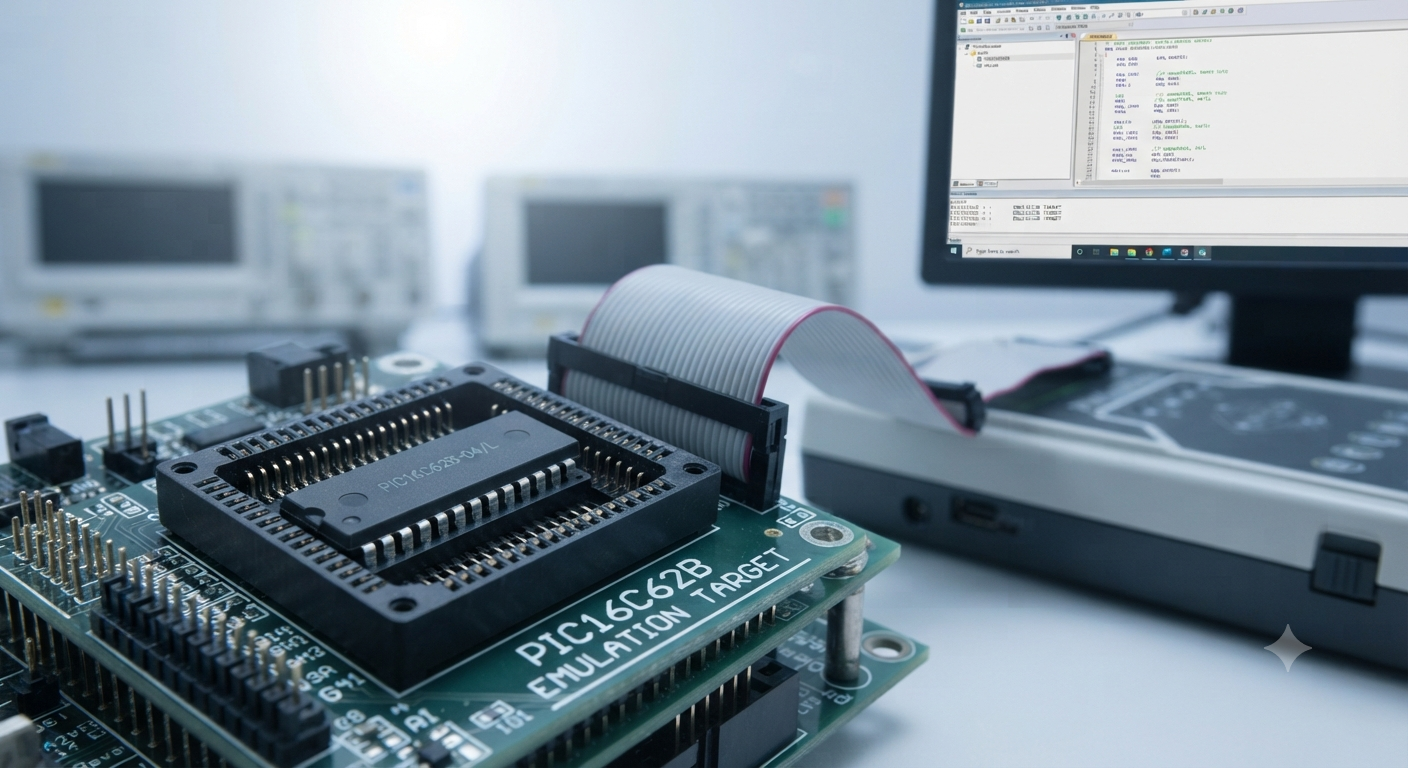
The recovery workflow combines extensive hardware knowledge with advanced firmware analysis. Engineers first evaluate the condition of the microcontroller and its internal memory organization before collecting available data from the device. Recovered binary images are validated and processed to reconstruct meaningful firmware, application program behavior, and historical source code references whenever feasible. Throughout the process, specialized analytical tools are used to decode storage structures and verify the consistency of recovered archive contents. Where legally authorized, advanced laboratory techniques may assist in understanding inaccessible memory regions that have been configured with locked, secured, or protective settings. Rather than simply attempting to attack, break, or hack a device, the objective is to preserve valuable engineering information and transform fragmented electronic assets into reliable technical documentation that supports future product development.
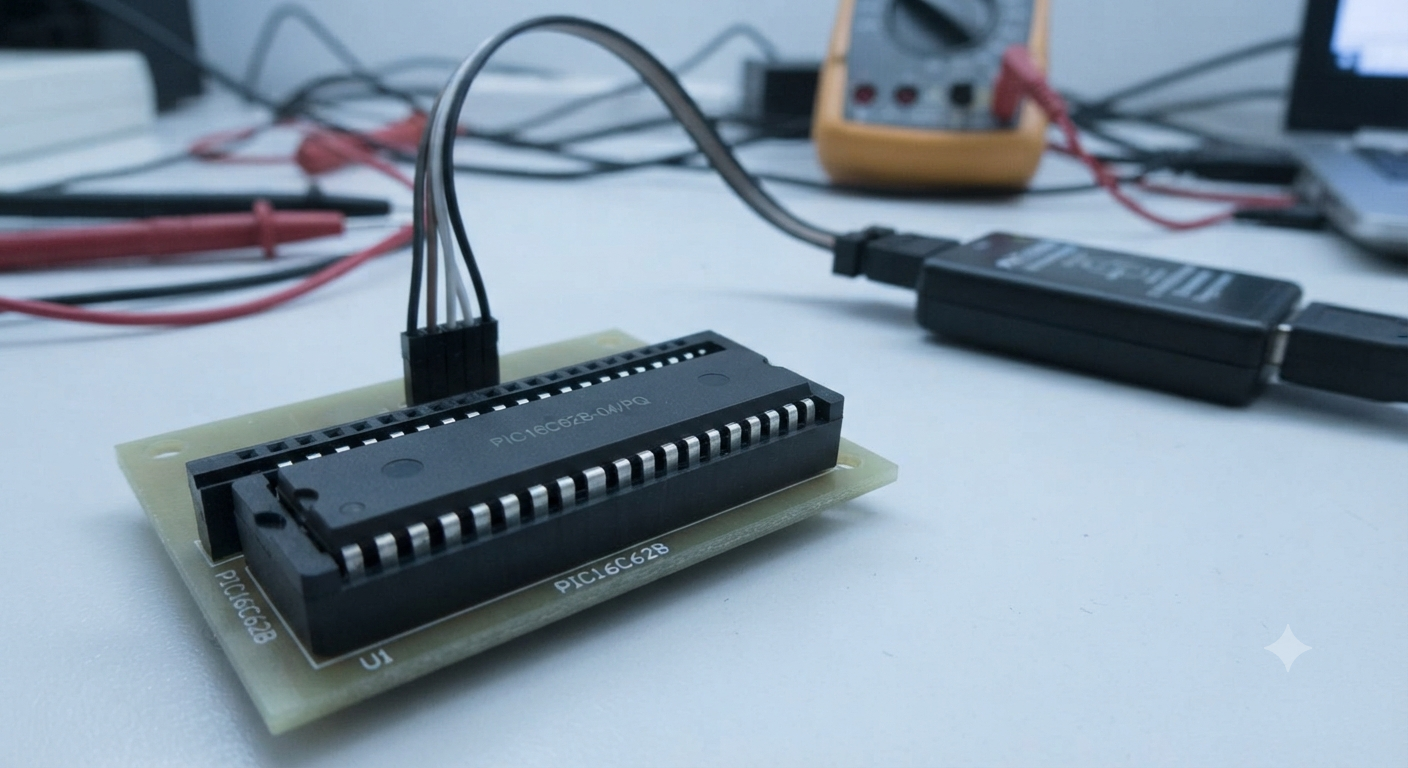
For manufacturers, maintenance providers, and engineering organizations, recovering PIC16C62B eeprom contents delivers significant long-term value. Access to historical firmware, organized data archives, reconstructed source code, and validated program information can reduce redevelopment costs, extend product life, improve repair capability, and preserve compatibility across multiple hardware generations. Instead of redesigning proven systems from the beginning, organizations can utilize recovered engineering resources to maintain legacy equipment and support future modernization projects. With extensive experience in embedded firmware analysis and memory recovery, our service provides a dependable solution for preserving valuable electronic knowledge and ensuring that important technologies remain available for years to come.
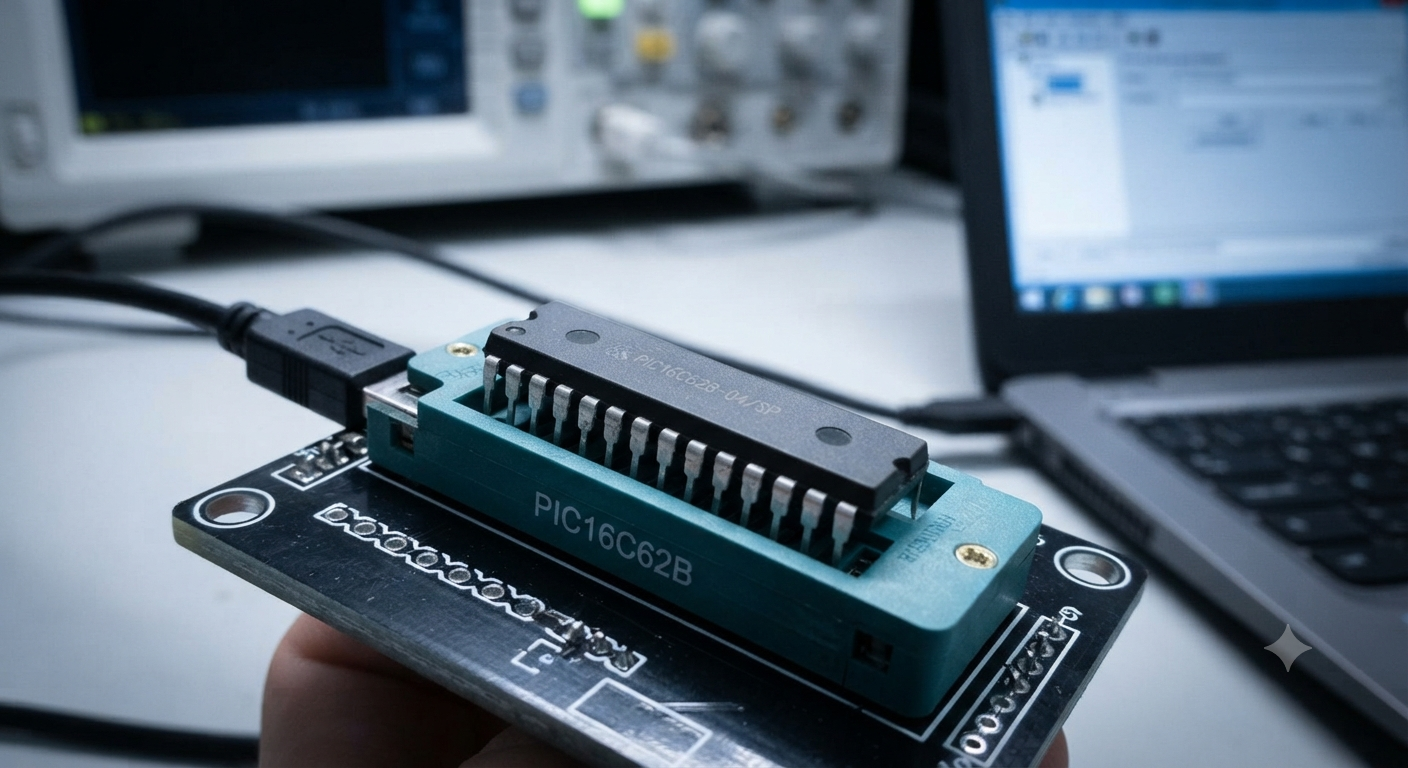
Break IC PIC16F884 Code
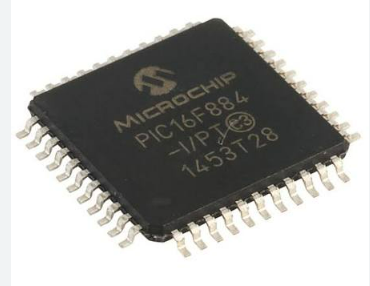
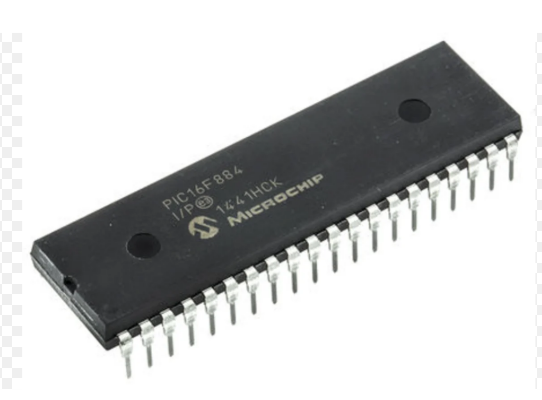
The Microchip PIC16F884 is a highly reliable 44-pin microcontroller widely adopted across global industries due to its expansive input/output capabilities and precision analog peripherals. Featuring 35 independent I/O pins, a 14-channel 10-bit Analog-to-Digital Converter, and enhanced capture-compare-PWM modules, this component serves as the core intelligence in sophisticated HVAC controllers, industrial automation machinery, automotive dashboard assemblies, and commercial security systems.
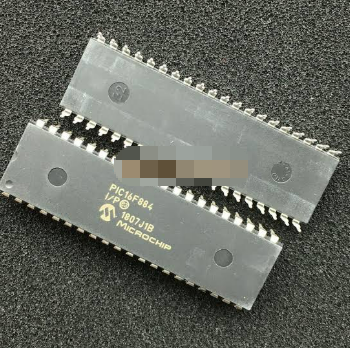
Its unique ability to manage complex timing schedules and diverse sensor arrays under extreme environmental conditions makes it a preferred choice for engineering teams building heavy-duty electronics. The internal architecture integrates a balanced hardware layout optimized for seamless instruction execution, enabling real-time diagnostic reporting and efficient power management in multi-functional smart devices. Because of its enduring legacy, many commercial infrastructure platforms still rely on this specific silicon architecture to maintain their core operational workflows.
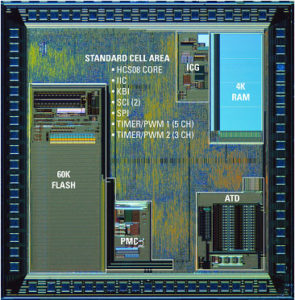
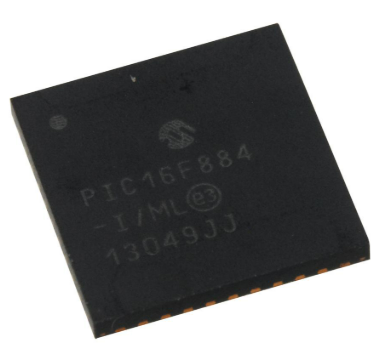
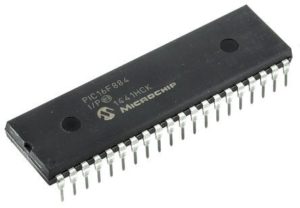
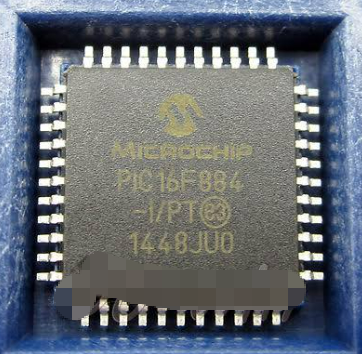
The PIC16F884 is covered by this data sheet. The PIC16F884 is available in 28-pin PDIP, SOIC, SSOP and QFN packages. The PIC16F884 is available in a 40-pin PDIP and 44-pin QFN and TQFP packages when Break IC. Figure 1-1 shows the block diagram of PIC16F882/883/886 and Figure 1-2 shows a block diagram of the PIC16F884/887 device. Table 1-1 and Table 1-2 show the corresponding pinout descriptions. The PIC16F882/883/884/886/887 has a 13-bit program counter capable of addressing a 2K x 14 (0000h-07FFh) for the PIC16F882, 4K x 14 (0000h-0FFFh) for the PIC16F883/PIC16F884, and 8K x 14 (0000h-1FFFh) for the PIC16F886/PIC16F887 program memory space.
In long-term industrial manufacturing operations, companies frequently encounter critical business disruptions when an aging system fails and the original engineering documentation is entirely missing. When an organization must recover lost intellectual assets to maintain active production lines, our specialized engineering team provides an expert technical pathway to break ic pic16f884 code. If your business needs to clone an unavailable control module or duplicate a legacy circuit board, we possess the proprietary methodologies required to decode the integrated software layers. Even when a microcontroller operates as a locked device protected by advanced hardware security bits, we can systematically attack the configuration restrictions to read the secured instructions.
Our advanced laboratory environments allow us to safely bypass the protective mechanisms of an encrypted controller, ensuring we can retrieve the precise firmware file without damaging the underlying silicon logic. By knowing how to hack past standard validation checks, our technicians can cleanly copy a protected program from a secured chip, giving companies a viable strategy to rescue a lost archive rather than enduring an expensive redevelopment cycle.
Accessing a location above these boundaries will cause a wrap-around within the first 8K x 14 space. The Reset vector is at 0000h and the interrupt vector is at 0004h. The data memory is partitioned into four banks which contain the General Purpose Registers (GPR) and the Special Function Registers (SFR). The Special Function Registers are located in the first 32 locations of each bank. The General Purpose Registers, implemented as static RAM, are located in the last 96 locations of each Bank.
Register locations F0h-FFh in Bank 1, 170h-17Fh in Bank 2 and 1F0h-1FFh in Bank 3, point to addresses 70h-7Fh in Bank 0. The actual number of General Purpose Resisters (GPR) implemented in each Bank depends on the device. Details are shown in Figures 2-5 and 2-6. All other RAM is unimplemented and returns ‘0’ when read. RP<1:0> of the STATUS register are the bank select bits for the purpose:
RP1 RP0
→Bank 0 is selected
→Bank 1 is selected
→Bank 2 is selected
→Bank 3 is selected
The exact technical procedure utilized to access a highly fortified chip demands a meticulous combination of physical chemistry and micro-electronic alignment. To inspect the internal layout of a secured device, our engineers use specialized micro-milling and microscopic chemical procedures to decapsulate the outer composite shell, safely exposing the inner wafer. Once the physical silicon surface is open to inspection, we analyze the embedded structures where the original operating logic is saved.
Technicians navigate through the internal circuit traces to access the on-chip flash partitions and the independent eeprom segments where sensitive operational parameters reside. By capturing the raw electrical states of the internal memory array, we extract the raw binary data strings directly from the silicon gates. This raw information is then converted back into a standard heximal format, which serves as a flawless digital mirror of the original instructions. This complete extraction pipeline effectively translates inaccessible, encrypted bits back into an organized layout that acts as a foundational source code surrogate, providing an exact blueprint of the system’s true programming.
Partnering with our specialized engineering service delivers a decisive economic and operational advantage to manufacturers seeking to protect their market presence and minimize operational downtime. Instead of allocating massive budgets and thousands of engineering hours toward rewriting legacy software from absolute scratch—a process often prone to unexpected coding errors—your team can instantly regain full control over your technological assets. This efficient technical intervention dramatically lowers research and development costs, eliminates supply chain bottlenecks caused by component obsolescence, and extends the functional life of high-value industrial machinery. We ensure that every extracted delivery performs identically to the original product configuration, providing you with seamless compatibility and absolute peace of mind during equipment maintenance and component reproduction.
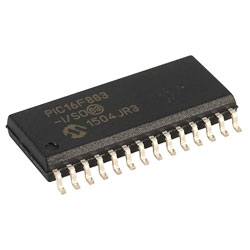
Break Chip PIC16F883 Eeprom
The Microchip PIC16F883 is a highly versatile 28-pin microcontroller that has found its way into countless industrial and consumer applications due to its cost-effectiveness, low power consumption, and robust peripheral set. Featuring advanced nanoWatt technology, an operating speed up to 20 MHz, and a rich assortment of internal peripherals like an Analog-to-Digital Converter (ADC) and multiple serial communication interfaces, it remains a staple in automotive control modules, medical monitoring instruments, home appliances, and smart energy meters. Its architectural layout includes robust internal non-volatile storage, making it incredibly dependable for executing complex control tasks in harsh environments. Manufacturers heavily rely on this specific microcontroller to store critical operational profiles and system instructions, ensuring long-term hardware reliability across diverse commercial sectors.
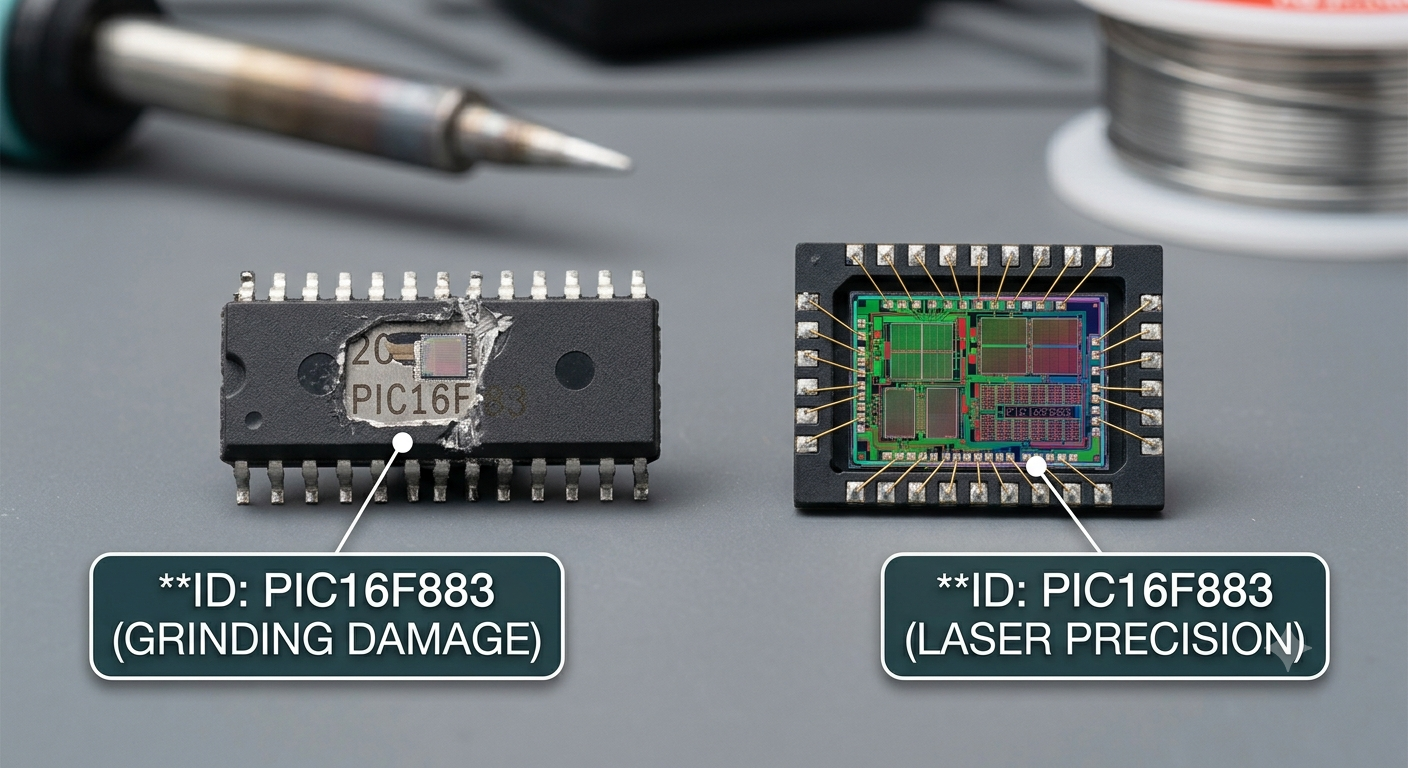
Over time, many companies face situations where they lose their original engineering records, leaving them with an operational device but no way to update or replicate the inner intelligence. When a business needs to recover lost data, our specialized engineering services offer a reliable pathway to retrieve the essential programming. If you need to clone an obsolete module or duplicate a failing control board, we possess the capabilities to safely decode the internal eeprom and extract the vital binary payload.
Even when a microcontroller is set as a locked device under high-security configurations, our team can successfully break the digital barriers to read the underlying flash segments. We systematically attack the structural boundaries of the hardware to access the hidden firmware, enabling clients to regenerate a functional program layout. By executing a clean operation to hack past standard validation checks, we ensure that the entire memory contents are precisely duplicated, allowing engineers to reconstruct a lost file or restore an operational archive without starting their development cycle from scratch.
Low-Power Features:
· Standby Current:
– 50 nA @ 2.0V, typical
· Operating Current:
– 11 ìA @ 32 kHz, 2.0V, typical
– 220 ìA @ 4 MHz, 2.0V, typical
· Watchdog Timer Current:
– 1 ìA @ 2.0V, typical
Peripheral Features:
· 24/35 I/O Pins with Individual Direction Control:
– High current source/sink for direct LED drive
– Interrupt-on-Change pin
– Individually programmable weak pull-ups
– Ultra Low-Power Wake-up (ULPWU)
· Analog Comparator Module:
– Two analog comparators
– Programmable on-chip voltage reference (CVREF) module (% of VDD)
– Fixed voltage reference (0.6V)
– Comparator inputs and outputs externally accessible
– SR Latch mode
– External Timer1 Gate (count enable)
· A/D Converter:
– 10-bit resolution and 11/14 channels
· Timer0: 8-bit Timer/Counter with 8-bit Programmable Prescaler
· Enhanced Timer1:
– 16-bit timer/counter with prescaler
– External Gate Input mode which can be used
– Dedicated low-power 32 kHz oscillator
· Timer2: 8-bit Timer/Counter with 8-bit Period Register, Prescaler and Postscaler
· Enhanced Capture, Compare, PWM+ Module:
– 16-bit Capture, max. resolution 12.5 ns
– Compare, max. resolution 200 ns
– 10-bit PWM with 1, 2 or 4 output channels, programmable “dead time”, max. frequency 20 kHz
– PWM output steering control
· Capture, Compare, PWM Module:
– 16-bit Capture, max. resolution 12.5 ns
– 16-bit Compare, max. resolution 200 ns
– 10-bit PWM, max. frequency 20 kHz
· Enhanced USART Module:
– Supports RS-485, RS-232, and LIN 2.0
– Auto-Baud Detect
– Auto-Wake-Up on Start bit
· In-Circuit Serial ProgrammingTM (ICSPTM) via Two Pins
· Master Synchronous Serial Port (MSSP) Module supporting 3-wire SPI (all 4 modes) and I2C™
Master and Slave Modes with I2C Address Mask
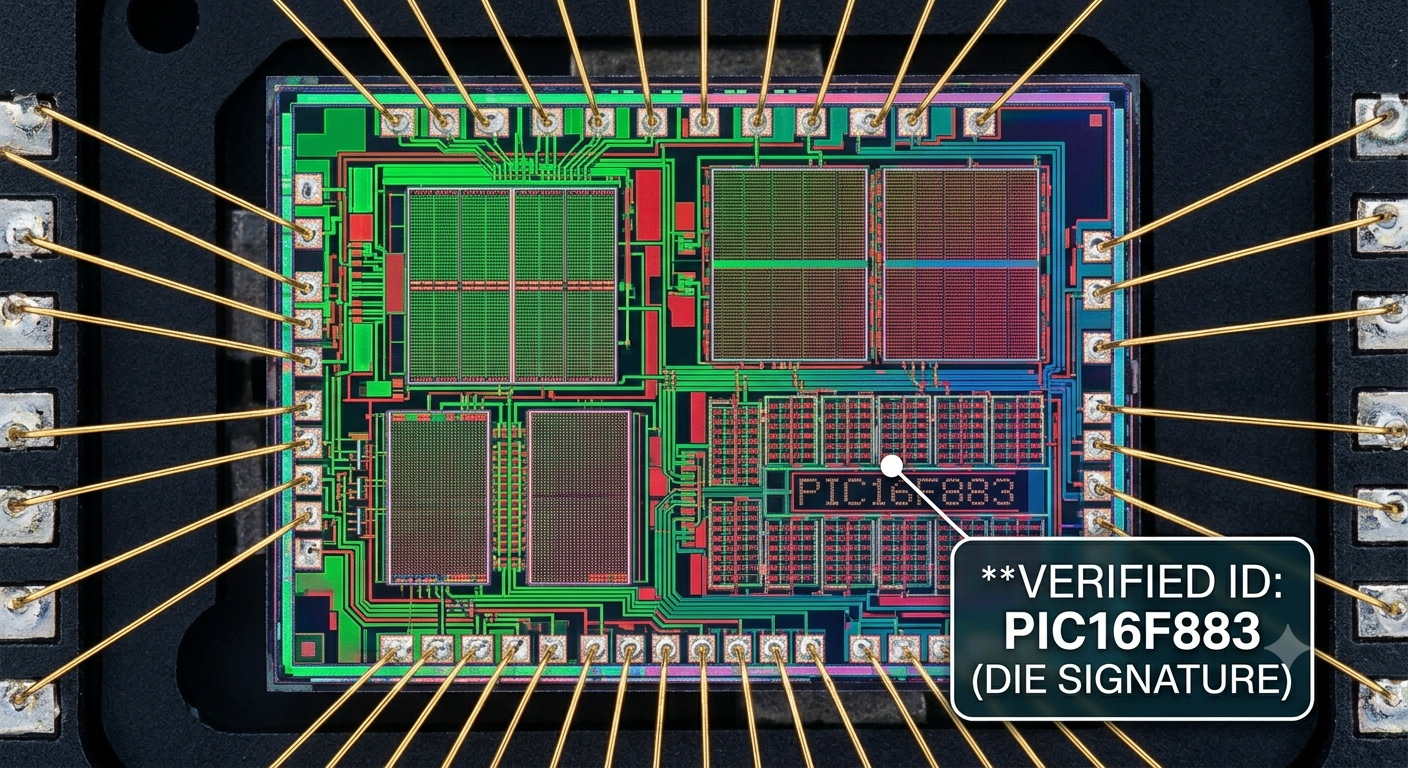
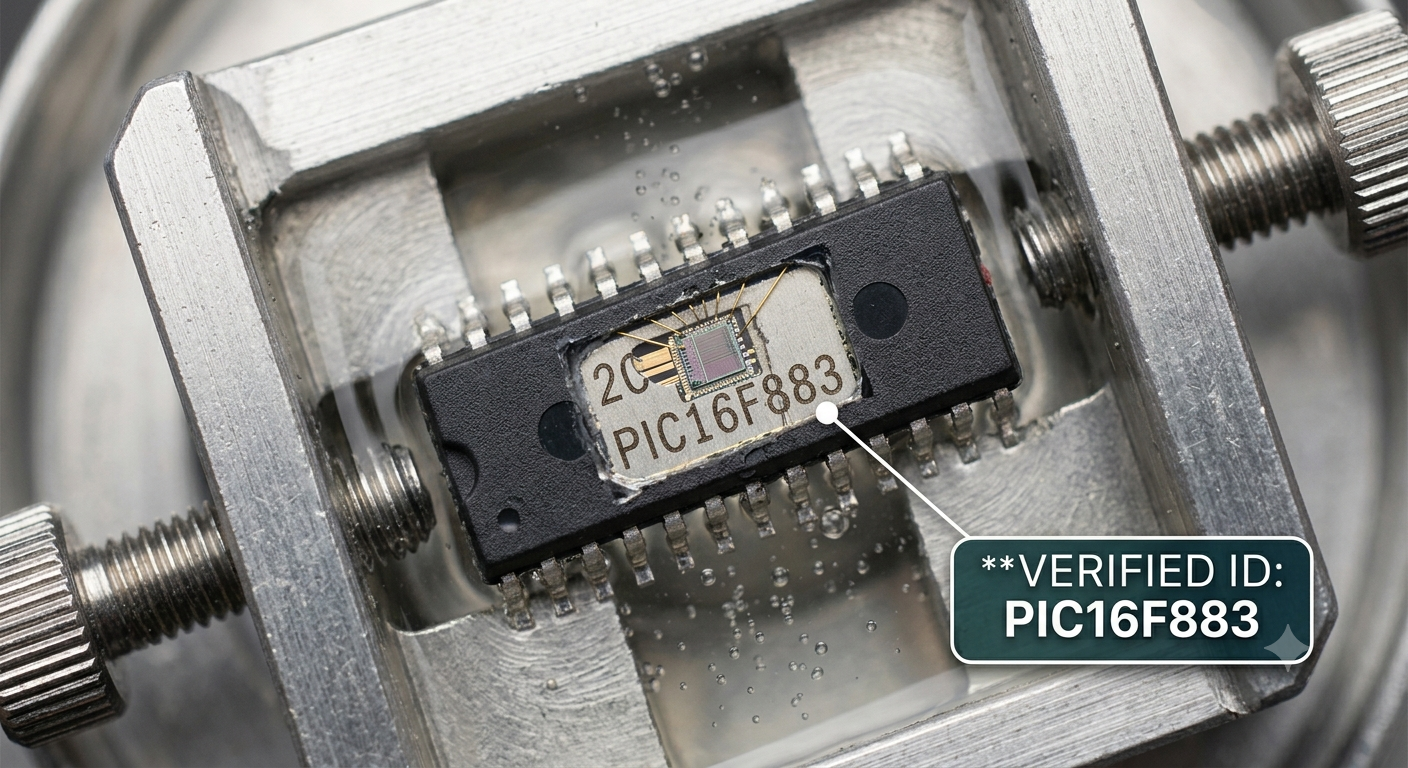
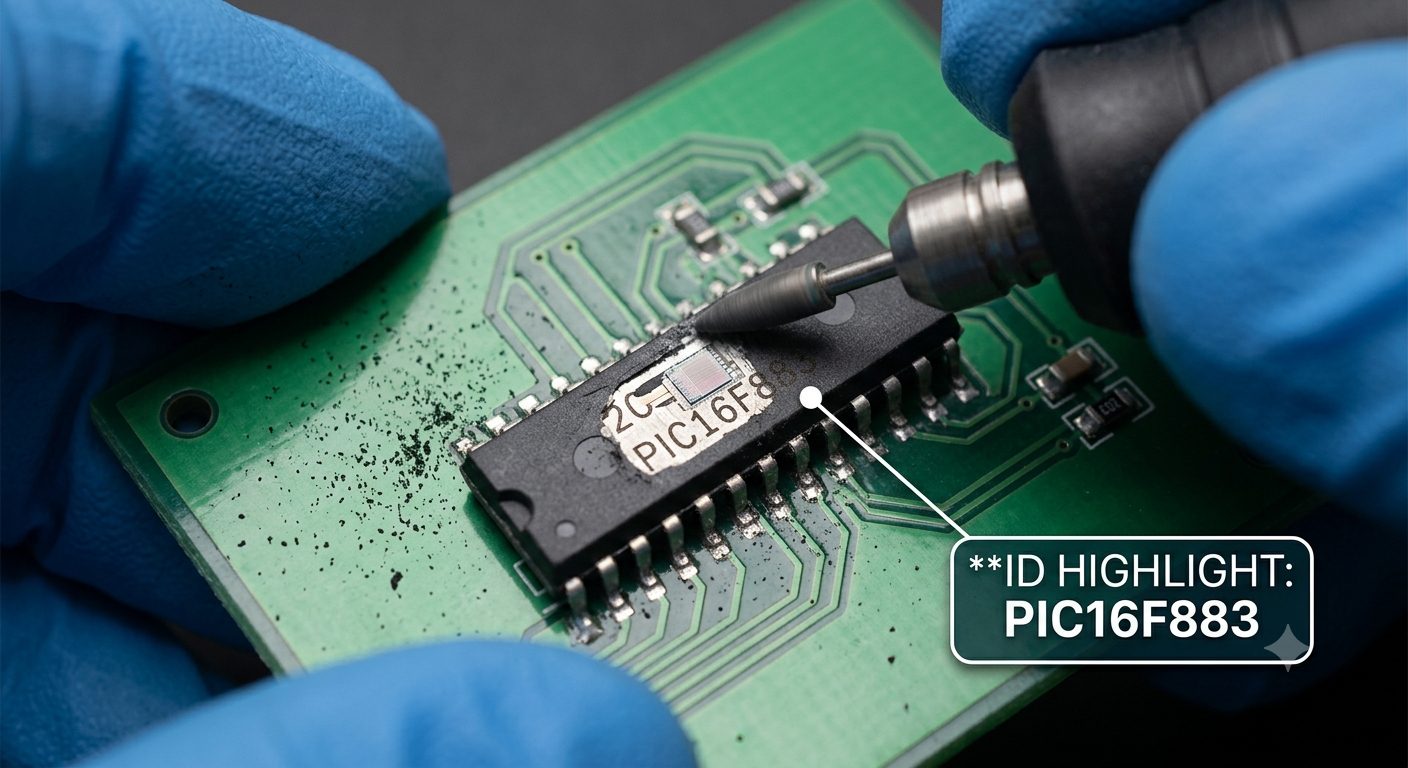
The technical process required to handle a highly secured component involves advanced hardware engineering methodologies. To extract the underlying information from a protected microcontroller, technicians must physically decapsulate the outer epoxy molding compound to expose the internal silicon wafer. Once the die is accessible, specialized laboratory equipment is utilized to bypass the protective coating layers that prevent direct optical or electrical measurement. Analysts then read the embedded logic directly from the silicon structures, navigating around any encrypted pathways or hardware fuses designed to restrict external access.
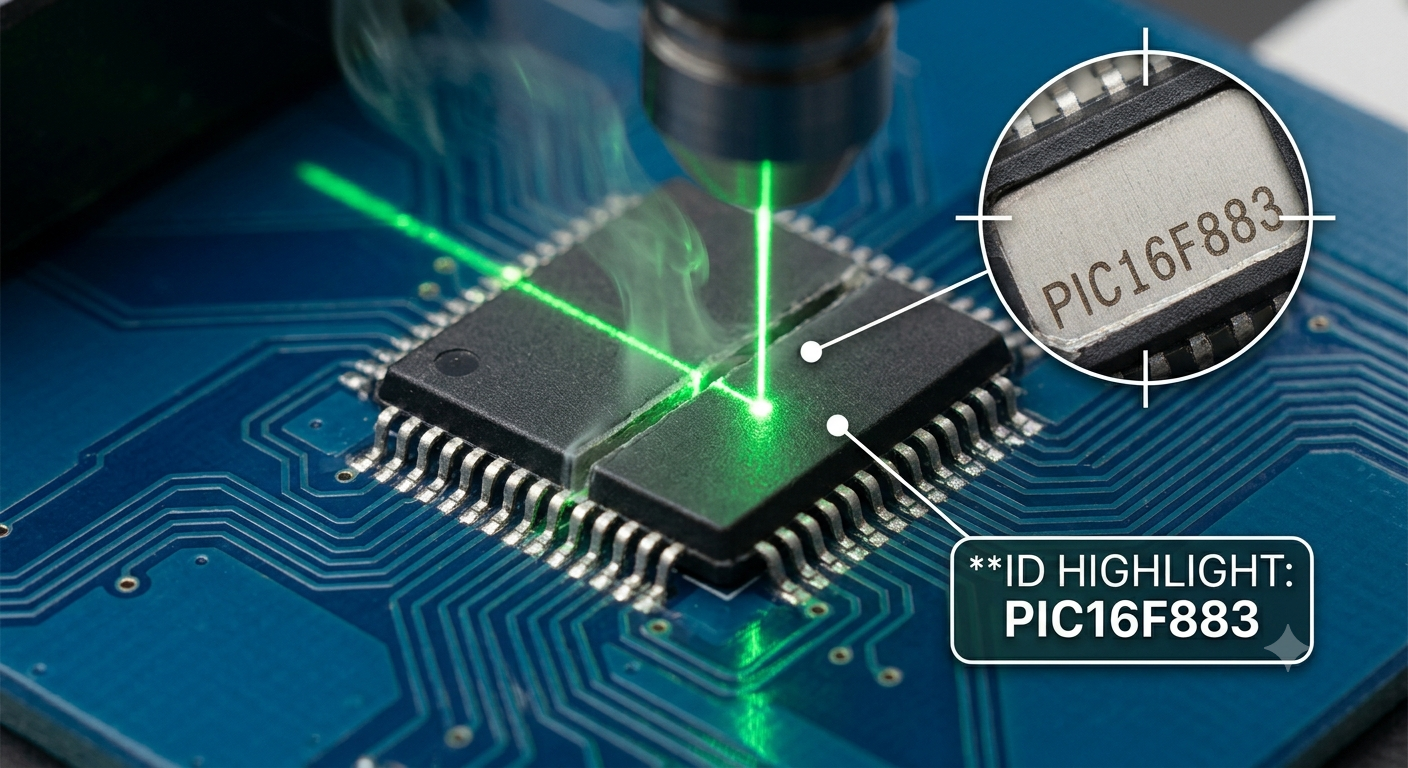
This careful physical manipulation allows us to safely isolate the internal memory arrays where the original program code resides. Once the silicon-level access is established, the engineering team can read out the exact heximal data strings that represent the core operating logic. This complex process turns a seemingly inaccessible piece of hardware into an accessible source code structure, ensuring that every byte of the original configuration is compiled cleanly into a deployable delivery format.
Utilizing our premium engineering service provides substantial advantages to manufacturers and developers looking to safeguard their operational continuity. Instead of spending months re-engineering a legacy system from the ground up, businesses can directly obtain the precise operational assets needed to sustain their product lifecycles. This drastically reduces research and development expenses, accelerates time-to-market for replacement components, and mitigates the risks associated with component obsolescence. Our dedication to precision ensures that the recovered code behaves identically to the original system, giving you complete confidence and control over your legacy technological assets.
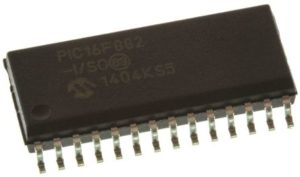
Reverse Engineering Microcontroller PIC16F882 Heximal
The PIC16F882 microcontroller stands out as an exceptionally versatile workhorse across a spectrum of modern industries, frequently serving as the core computational engine in advanced medical monitoring devices, HVAC environmental controllers, industrial motor drives, and complex security alarm panels. Celebrated for its unique architectural features—including an ultra-low-power wake-up mode, a highly precise internal oscillator, up to 11 channels of 10-bit Analog-to-Digital conversion, and an independent In-Circuit Serial Programming infrastructure—this chip excels at executing time-sensitive routines in demanding hardware environments.
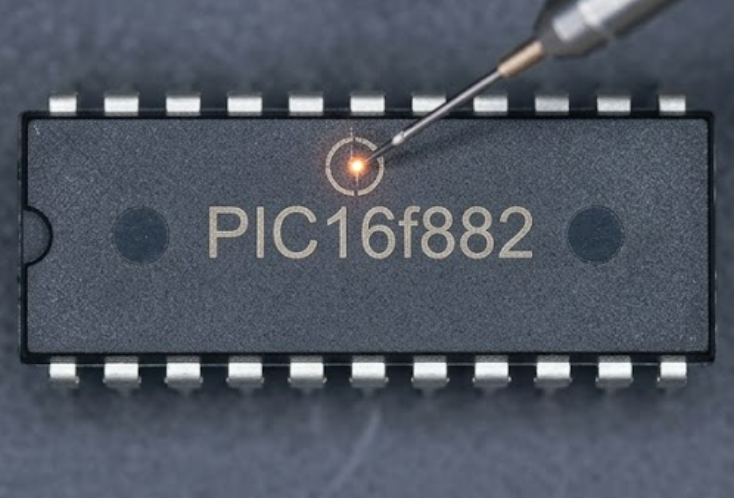
However, when a legacy device requires urgent maintenance or updates, manufacturers are frequently blindsided to discover that the original development files, source code, or system documentation have been lost or corrupted over time. When production lines face grinding halts due to component shortages, recovering the core operational instructions becomes a critical business imperative. Our specialized laboratory offers high-end extraction services precisely tailored to reverse engineering microcontroller PIC16F882 heximal parameters, providing an elite lifeline that restores full access to your mission-critical system logic.
High-Performance RISC CPU:
· Only 35 Instructions to Learn:
– All single-cycle instructions except branches
· Operating Speed:
– DC – 20 MHz oscillator/clock input
– DC – 200 ns instruction cycle
· Interrupt Capability
· 8-Level Deep Hardware Stack
· Direct, Indirect and Relative Addressing modes
Special Microcontroller Features:
· Precision Internal Oscillator:
– Factory calibrated to ±1%
– Software selectable frequency range of 8 MHz to 31 kHz
– Software tunable
– Two-Speed Start-up mode
– Crystal fail detect for critical applications
– Clock mode switching during operation for power savings
· Power-Saving Sleep mode
· Wide Operating Voltage Range (2.0V-5.5V)
· Industrial and Extended Temperature Range
· Power-on Reset (POR)
· Power-up Timer (PWRT) and Oscillator Start-up Timer (OST)
· Brown-out Reset (BOR) with Software Control Option
· Enhanced Low-Current Watchdog Timer (WDT) with On-Chip Oscillator (software selectable nominal 268 seconds with full prescaler).
· Multiplexed Master Clear with Pull-up/Input Pin
· Programmable Code Protection
· High Endurance Flash/EEPROM Cell:
– 100,000 write Flash endurance
– 1,000,000 write EEPROM endurance
– Flash/Data EEPROM retention: > 40 years
· Program Memory Read/Write during run time
· In-Circuit Debugger (on board)
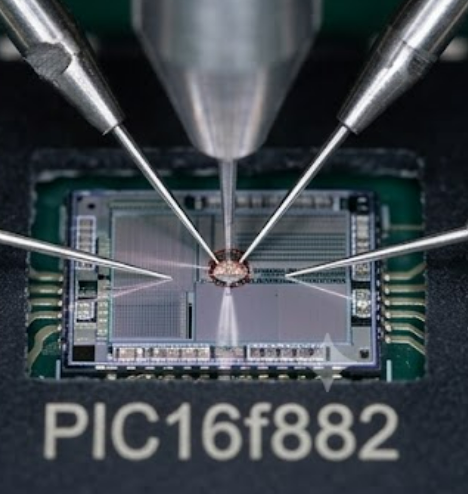
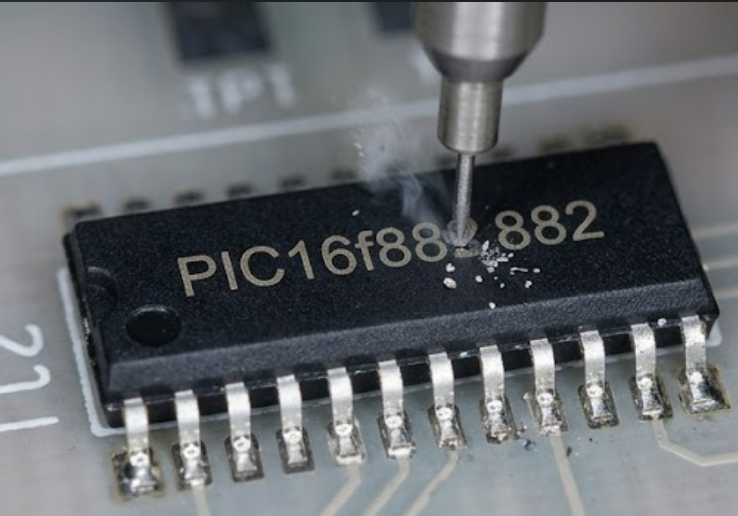
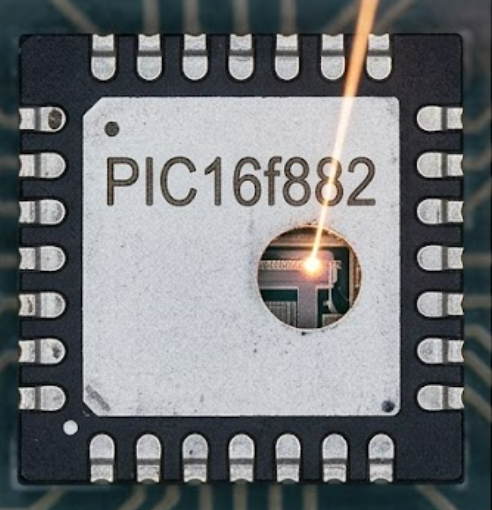
To systematically attack, break, and decode the advanced internal security layers of a secured, locked integrated circuit, our engineering facility deploys highly specialized micro-electronics laboratory equipment. The extraction process begins with precision chemical engineering, where our technicians decapsulate the external plastic mold of the chip to expose the raw, intricate silicon architecture resting beneath the surface. Once the internal circuitry is completely visible under high-magnification microscopy, we can carefully bypass the internal protective code fuses and security bits that natively restrict external reading. By applying targeted micro-probing techniques or precise optical adjustments directly to the layout configuration, our team can safely read out the tightly guarded internal memory arrays without causing structural degradation to the hardware. This targeted intervention allows us to seamlessly retrieve the entire embedded firmware stack, translating hidden physical states into a pristine binary data stream. The definitive output of this delicate procedure is a flawless, uncorrupted heximal file that mirrors the exact operational parameters of your original application.
The ultimate purpose of choosing to hack or duplicate a highly protected microcontroller is to insulate an enterprise from severe supply chain vulnerabilities and prevent the exorbitant costs of a ground-up hardware redesign. When access to an active system archive is completely severed, engineers can utilize our specialized extraction services to salvage vital machine instructions from older flash sectors, peripheral PLD arrays, or internal eeprom memory blocks. Once our laboratory successfully extracts the raw data, engineering teams gain the immediate capability to clone the entire logic structure onto readily available, modern alternative silicon. This comprehensive recovery ensures you can easily duplicate the exact operational profiles of legacy components, compile an entirely fresh software backup, and confidently manufacture drop-in replacements that protect your active product lines from experiencing unplanned downtime or operational obsolescence.
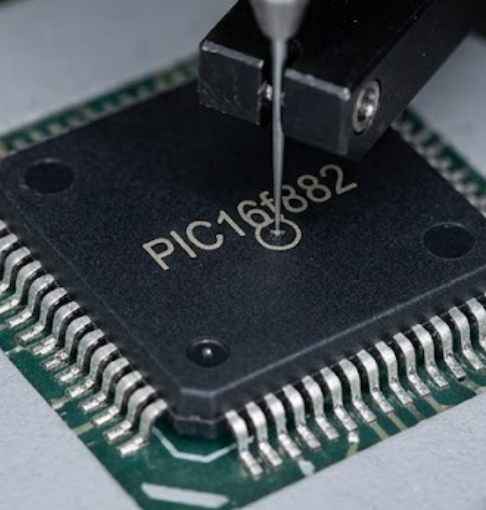
Partnering with an elite engineering team to unlock and extract embedded software provides transformative technical and financial advantages for system integrators, maintenance engineers, and product developers alike. Instead of exhausting thousands of dollars and months of valuable engineering time attempting to manually reverse-engineer and rewrite complex code from scratch—a high-risk strategy that notoriously introduces hidden software bugs—our advanced laboratory delivers a direct path to a fully verified, operational program file. This absolute operational consistency guarantees that every newly generated duplicate board performs identically to the field-proven units your clients rely on daily. By utilizing our custom extraction services, your business effectively eliminates the existential risks of parts obsolescence, safeguards vital corporate intellectual property, and establishes a completely secure, predictable roadmap for your industrial hardware investments for many years to come.
Recover MCU PIC16C622A Software
The PIC16C622A microcontroller is widely celebrated across industrial manufacturing, automotive sub-systems, commercial security setups, and smart consumer appliances due to its efficient 8-bit architecture, an integrated analog comparator module, and highly flexible power-managed modes. This versatile microcontroller acts as the central brain for thousands of legacy hardware applications, coordinating precise operations using proprietary instructions safely embedded deep within its silicon fabric. However, component obsolescence or unexpected corporate mergers frequently leave engineering teams stranded without the original engineering files when a system needs maintenance or migration. When a critical device breaks down and the underlying blueprint is entirely missing, finding a reliable method to pull the original software becomes an absolute operational necessity. Our engineering lab specializes in advanced extraction techniques designed specifically to safely recover MCU PIC16C622A software, providing a seamless lifeline that protects your operational continuity and restores complete access to your valuable hardware logic.
The high performance of the PIC16C62X family can be attributed to a number of architectural features commonly found in RISC microprocessors. To begin with, the PIC16C62X uses a Harvard architecture, in which, program and data are accessed from separate memories using separate busses. This improves bandwidth over traditional von Neumann architecture where program and data are fetched from the same memory. Separating program and data memory further allows instructions to be sized differently than 8-bit wide data word. Instruction opcodes are 14-bits wide making it possible to have all single word instructions.
A 14-bit wide program memory access bus fetches a 14-bit instruction in a single cycle. A two-stage pipeline overlaps fetch and execution of instructions, Consequently, all instructions (35) execute in a single-cycle (200 ns @ 20 MHz) except for program branches. The PIC16C620A and PIC16CR620A address 512 x 14 on-chip program memory. The PIC16C621(A) addresses 1K x 14 program memory. The PIC16C622(A) addresses 2K x 14 program memory. All program memory is internal. The PIC16C62X can directly or indirectly address its register files or data memory. All special function registers including the program counter are mapped in the data memory. The PIC16C62X have an orthogonal (symmetrical) instruction set that makes it possible to carry out any operation on any register using any addressing mode.
This symmetrical nature and lack of ‘special optimal situations’ make programming with the PIC16C62X simple yet efficient. In addition, the learning curve is reduced significantly. The PIC16C62X devices contain an 8-bit ALU and working register. The ALU is a general purpose arithmetic unit. It performs arithmetic and Boolean functions between data in the working register and any register file.
The ALU is 8-bit wide and capable of addition, subtraction, shift and logical operations. Unless otherwise mentioned, arithmetic operations are two’s complement in nature. In two-operand instructions, typically one operand is the working register (W register). The other operand is a file register or an immediate constant. In single operand instructions, the operand is either the W register or a file register. The W register is an 8-bit working register used for ALU operations. It is not an addressable register. Depending on the instruction executed, the ALU may affect the values of the Carry (C), Digit Carry (DC), and Zero (Z) bits in the STATUS register. The C and DC bits operate as a Borrow and Digit Borrow out bit, respectively, bit in subtraction. See the SUBLW and SUBWF instructions for examples.
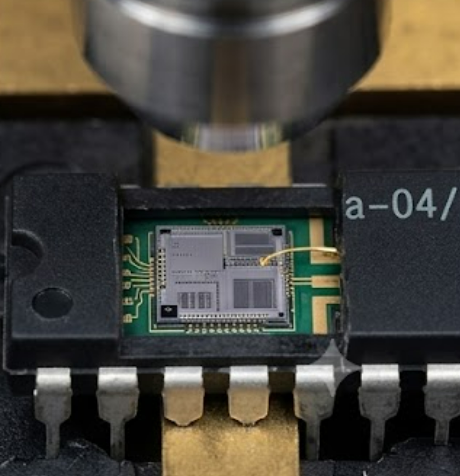
Extracting code from a locked microcontroller requires navigating sophisticated hardware-level barriers intentionally designed to prevent unauthorized access. To bypass these complex layout constraints, our laboratory utilizes a meticulous, multi-stage physical and electrical process. First, technicians carefully decapsulate the outer epoxy packaging of the integrated circuit using specialized chemical agents, exposing the raw silicon micro-architecture beneath. Once the internal structures are fully visible under high-power microscopy, we carefully attack the internal security mechanisms. By manipulating the internal memory arrays through targeted micro-probing or precise laser tuning, our team can safely bypass the protective code fuses and security bits without degrading the underlying hardware. This allows us to smoothly decode the architecture, break through the embedded encryption, and safely retrieve the complete, unmodified binary data. The ultimate result of this non-destructive extraction is a flawless heximal file, giving you a perfect digital copy of the original machine instructions.
The primary purpose of choosing to hack or decode a heavily secured microcontroller is to safeguard proprietary operational logic from disappearing due to supply chain disruption. When companies cannot locate their original source code, firmware, or system archive, our specialized recovery services step in to prevent a catastrophic, multi-million dollar system redesign. Whether your original software architecture is stored in vintage OTP EPROM, modern flash, or specialized external PLD memory blocks, our custom extraction tools can read and copy every hidden sector. Once the internal program data and configuration matrices are fully extracted, our engineers can seamlessly duplicate the behavior of the device. This comprehensive data capture allows you to clone the original system performance perfectly, giving your team the power to burn the recovered file onto modern, readily available replacement microcontrollers without experiencing a single day of system downtime.
Partnering with an elite laboratory to bypass protected microcontrollers delivers immense financial and technical advantages to project managers and product developers alike. Instead of devoting hundreds of expensive engineering hours to completely reverse-engineering and rewriting an embedded system from scratch—a risky process that frequently introduces dangerous software bugs—our recovery service delivers a direct path to a fully verified, operational firmware file. This complete structural continuity ensures that every newly manufactured duplicate board acts precisely like your original field-tested units. By turning to our specialized extraction services, you effectively eliminate the existential risks of component obsolescence, shield your intellectual property from turning obsolete, and establish a highly stable, long-term framework to manage and update your legacy hardware infrastructure for years to come.
Break IC PIC16F621A Program
The PIC16C621A microcontroller remains a staple in industrial automation, automotive control modules, consumer electronics, and lighting systems due to its robust 8-bit RISC architecture, high-current LED drive capability, and dual analog comparators. This legacy CMOS microcontroller stores critical, time-tested logic within its internal configuration. However, manufacturers frequently face immense production bottlenecks when a legacy system requires updates, but the original source code is lost to time, or the primary supplier goes out of business. To prevent a complete and costly system redesign, engineering teams must find a reliable path to extract and preserve their embedded logic. Our specialized engineering services offer a safe, reliable process to break IC PIC16C621A program architectures, giving you a fresh opportunity to revive, update, or safeguard your valuable hardware investments.
UV Erasable Devices
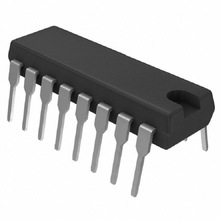
The UV erasable version, offered in CERDIP package is optimal for prototype development and pilot programs. This version can be erased and reprogrammed to any of the oscillator modes. Microchip’s PICSTART® and PRO MATE® programmers both support programming of the PIC16C62X.
One-Time-Programmable (OTP) Devices
The availability of OTP devices is especially useful for customers who need the flexibility for frequent code updates and small volume applications. In addition to the program memory, the configuration bits must also be programmed.
QUICK TURNAROUND PRODUCTION
Microchip offers a QTP Programming Service for factory production orders. This service is made available for users who chose not to program a medium to high quantity of units and whose code patterns have stabilized. The devices are identical to the OTP devices but with all EPROM locations and configuration options already programmed by the factory. Certain code and prototype verification procedures apply before production shipments are available. Microchip offers a unique programming service where a few user-defined locations in each device are programmed with different serial numbers. The serial numbers may be random, pseudo-random or sequential. Serial programming allows each device to have a unique number which can serve as an entry-code, password or ID number.
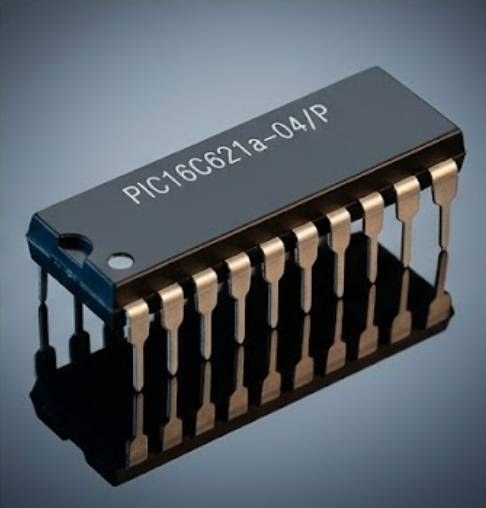
When a manufacturer ships a finished product, the controller is typically treated as a secured, locked environment to prevent unapproved tampering. Overriding this protective framework requires highly advanced laboratory techniques. To bypass these embedded security constraints, our technicians first decapsulate the outer physical packaging of the microcontroller to expose the raw silicon die underneath. Once the internal structures are visible, we use precision micro-probing to safely modify the internal state of the hardware. This temporary modification allows us to safely bypass the original protective code fuses without destroying the underlying architecture. By isolating the internal memory sectors, our technical experts can seamlessly extract the raw binary data. This highly targeted procedure allows us to decode the architecture, break the lock mechanisms, and retrieve a flawless heximal file representing the original machine instructions.
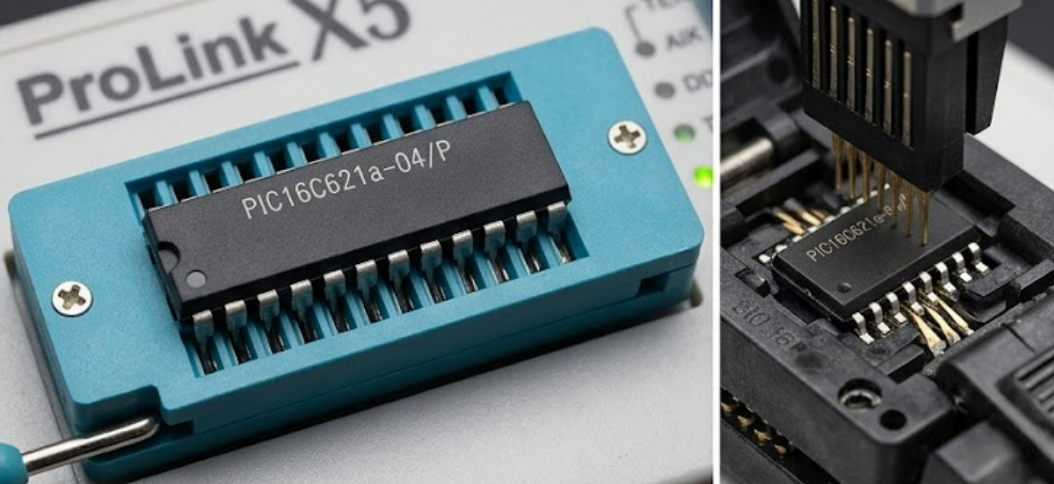
Why Engineering Teams Choose to Clone and Modify Legacy Firmware
The core purpose of opting to decode or hack into a tightly secured microcontroller is rarely about starting from scratch; rather, it is about maintaining operational continuity and extracting maximum value from established assets. Companies utilize our expert engineering solutions to reverse-engineer out-of-production systems, perform detailed competitive analysis, or update firmware when original source code files are entirely missing. Whether the target logic is stored in older EPROM, flash, or peripheral PLD matrices, our team can extract the complete data set. Once we successfully retrieve the core application, engineers can easily duplicate the functional parameters onto a modern, equivalent circuit. This process ensures you can seamlessly clone the device behavior and compile a verified archive, making sure your machinery keeps running without experiencing a single day of unexpected downtime.
Direct Benefits for the End User: Security, Stability, and Continuity
Partnering with an experienced team to break, attack, and extract locked hardware logic provides major technical and financial benefits to end users and product managers alike. Instead of devoting months of expensive engineering time to completely re-coding an embedded system from scratch—which invariably introduces fresh programming bugs—our laboratory provides a direct pipeline to a functional, verified binary file. This structural continuity ensures your newly produced duplicate boards behave exactly like the original field units. Our custom extraction service effectively eliminates the typical supply chain risks associated with obsolete chips, safeguards your intellectual property from losing its utility, and gives you a stable, long-term foundation to manage your hardware deployments smoothly for decades to come.
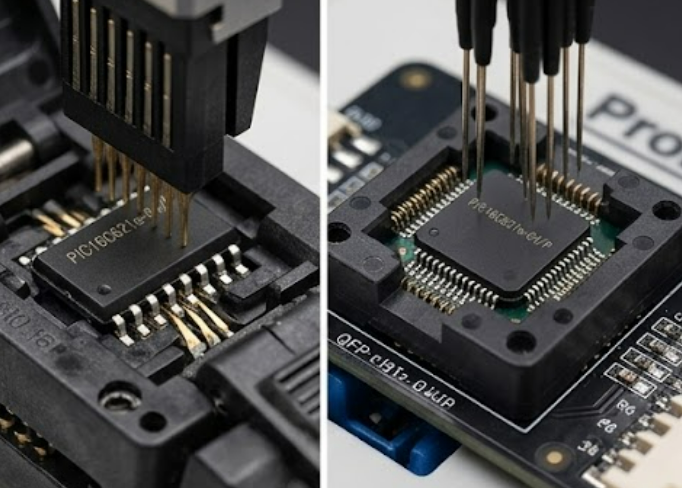
Recover Chip PIC16F620A Binary
The PIC16F620A is a compact and highly reliable microcontroller that has been widely adopted in industrial controls, consumer electronics, security equipment, instrumentation, automotive accessories, and communication devices. Despite its relatively simple architecture, this MCU provides robust performance for a wide range of embedded applications where cost, stability, and long-term reliability are critical. Many manufacturers rely on the PIC16F620A to store proprietary firmware, operational program logic, and important data within its internal memory. As products mature and documentation becomes unavailable, recovering the original binary, heximal, or source code stored inside the device often becomes essential for maintenance, repair, and product continuity.
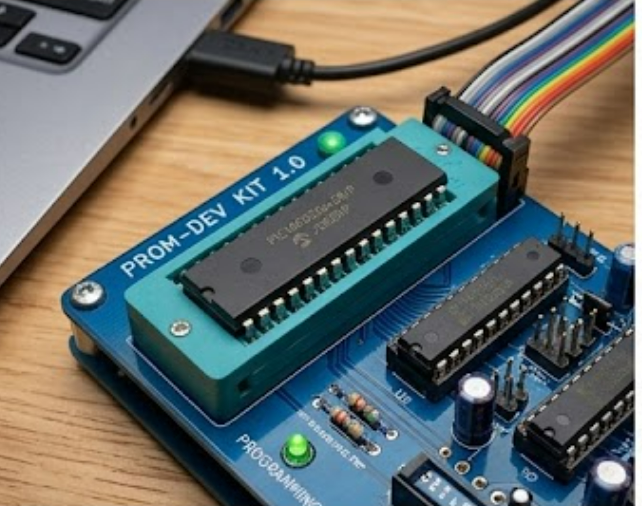
Family and Upward Compatibility
Those users familiar with the PIC16C5X family of microcontrollers will realize that this is an enhanced version of the PIC16C5X architecture. Please refer to Appendix A for a detailed list of enhancements. Code written for the PIC16C5X can be easily ported to PIC16C62X family of devices (Appendix B).
The PIC16C62X family fills the niche for users wanting to migrate up from the PIC16C5X family and not needing various peripheral features of other members of the PIC16XX mid-range microcontroller family.
Development Support
The PIC16C62X family is supported by a full-featured macro assembler, a software simulator, an in-circuit emulator, a low-cost development programmer and a full-featured programmer. A “C” compiler and fuzzy logic support tools are also available.
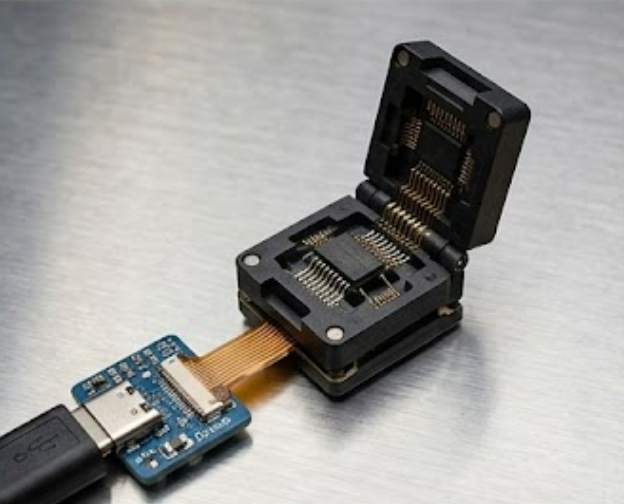
PIC16C62X DEVICE VARIETIES
A variety of frequency ranges and packaging options are available. Depending on application and production requirements the proper device option can be selected using the information in the PIC16C62X Product Identification System section at the end of this data sheet.
When placing orders, please use this page of the data sheet to specify the correct part number.
With the advancement of today’s modern circuit board technology, it is more important than ever to have specialists available to help you at a moment’s notice.
Our engineering and commercial teams collectively have a vast amount of electronic experience covering field include Consumer Electronics, Industrial Automation Electronics, Wireless Communication Electronics., etc. For more information please contact us through email.
Our “Recover Chip PIC16F620A Binary” service specializes in helping customers regain access to valuable digital assets that may be stored within protected, locked, or encrypted microcontrollers. Using advanced semiconductor analysis techniques, our engineers can attack, break, and decode various protection mechanisms designed to prevent direct access to the device’s internal memory. Depending on the specific security configuration, specialized decapsulate procedures may be employed to expose critical structures of the silicon die, allowing accurate retrieval of firmware, binary data, and heximal files.
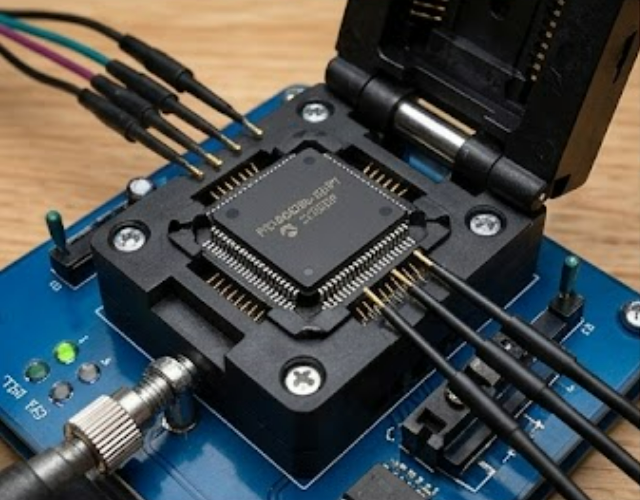
Through detailed analysis of internal flash, EEPROM, and configuration regions, we can recover complete data archives that would otherwise remain inaccessible. Once extracted, the recovered program file can be reconstructed into usable source code representations, enabling customers to better understand, maintain, or migrate their products. Whether the objective is to clone an obsolete design, duplicate a legacy controller, or preserve important intellectual property, our recovery process provides a dependable solution.
The technical workflow combines multiple layers of expertise. Physical examination and decapsulation techniques are carefully integrated with sophisticated software tools capable of decoding raw binary structures and organizing fragmented data files into coherent firmware archives. During this process, engineers may hack through proprietary security implementations, analyze protected memory regions, and reconstruct missing portions of the original program. Special attention is given to preserving the integrity of the recovered embedded data, ensuring that extracted source code, heximal archives, and configuration information accurately reflect the original device behavior. This methodology allows successful recovery even when dealing with highly secured or encrypted devices that have resisted conventional readout approaches.
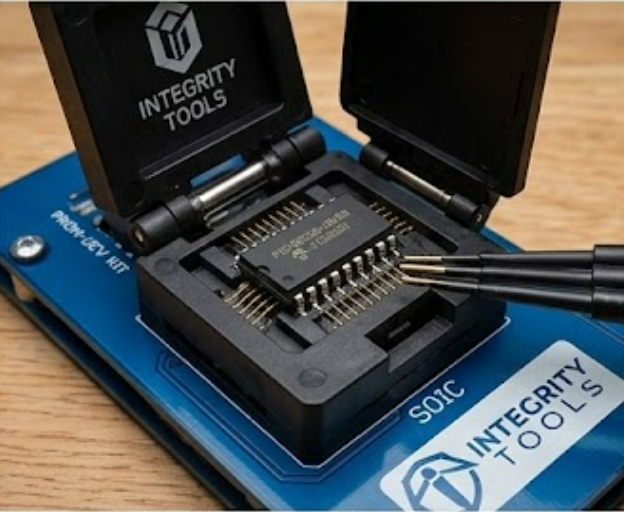
For end users, the benefits of PIC16F620A binary retrieval extend far beyond simple data extraction. Recovering original firmware can dramatically reduce redevelopment costs, shorten engineering schedules, and eliminate the need to redesign proven products from the ground up. Manufacturers can maintain legacy equipment, restore unavailable program files, create compatible replacement hardware, and duplicate critical systems for ongoing production. Engineering teams can also analyze recovered data archives to improve existing designs or support future product generations. By leveraging our expertise in retrieving, breaking, and reconstructing secured embedded memory, customers gain access to valuable technical resources that might otherwise be permanently lost. Our service helps transform inaccessible PIC16F620A devices into reusable engineering assets, ensuring long-term support and continuity for important electronic products.
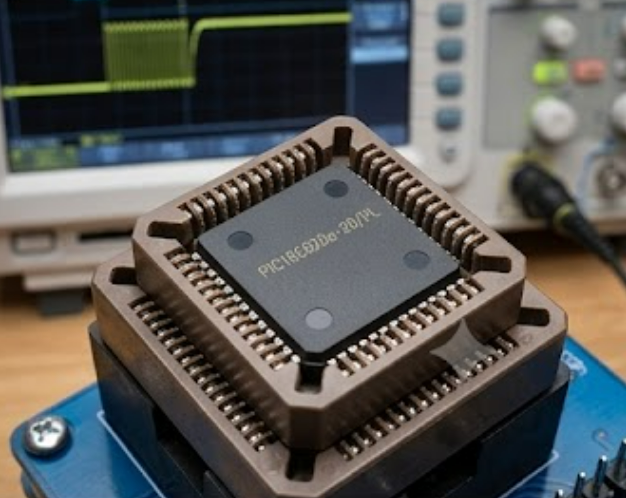
Reverse Engineering Microcontroller PIC16C622 Program
PIC16C62X devices have special features to reduce external components, thus reducing system cost, enhancing system reliability and reducing power consumption to Reverse Engineering Microcontroller PIC16C622 Program. There are four oscillator options, of which the single pin RC oscillator provides a low-cost solution, the LP oscillator minimizes power consumption, XT is a standard crystal, and the HS is for High Speed crystals.
The SLEEP (power-down) mode offers power savings. The user can wake up the chip from SLEEP through several external and internal interrupts and reset.
A highly reliable Watchdog Timer with its own on-chip RC oscillator provides protection against software lock- up.
A UV-erasable CERDIP-packaged version is ideal for code development while the cost-effective One-Time Programmable (OTP) version is suitable for production in any volume.
Table 1-1 shows the features of the PIC16C62X mid-range microcontroller families.
A simplified block diagram of the PIC16C62X is shown in below Figure.
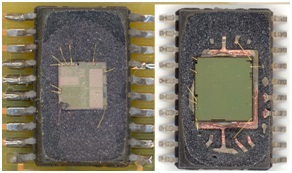
Reverse Engineering Microcontroller PIC16C622 Program
The PIC16C62X series fit perfectly in applications ranging from battery chargers to low-power remote sensors. The EPROM technology makes customization of application programs (detection levels, pulse generation, timers, etc.) extremely fast and convenient. The small footprint packages make this microcontroller series perfect for all applications with space limitations. Low-cost, low-power, high-performance, ease of use and I/O flexibility make the PIC16C62X very versatile from Reverse Engineering Microcontroller PIC16C622 Program.
Circuit Engineering Company Limited continues to be recognized as the Southern China Leader in Services for IC Read, MCU Reverse engineering, Chip Extract, Microcontroller Unlock service. With the advancement of today’s modern circuit board technology, it is more important than ever to have specialists available to help you at a moment’s notice. Our engineering and commercial teams collectively have a vast amount of electronic experience covering field include Consumer Electronics, Industrial Automation Electronics, Wireless Communication Electronics., etc. For more information please contact us through email.