 Break Secured STM32F091CB MCU Flash Memory
 December 7th, 2021 |
  Author:
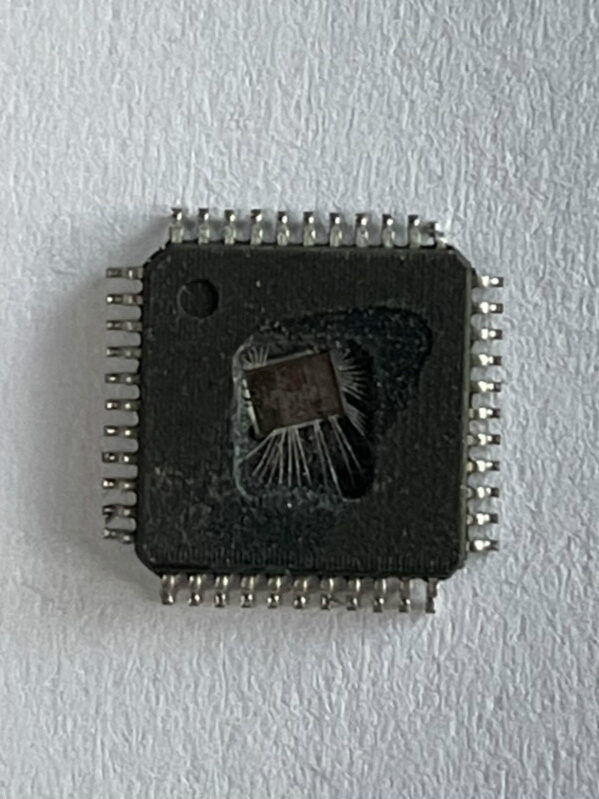
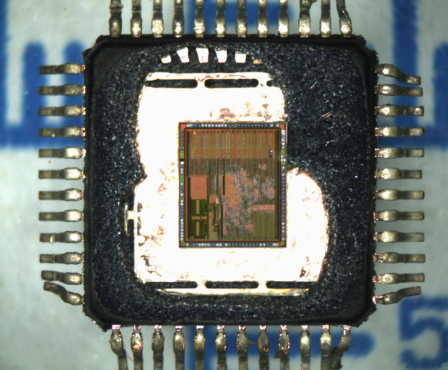
 Break Secured STM32F091CB MCU Flash Memory and extract embedded source code from stm32f091cb microcontroller flash memory, the binary program inside stm32f091cb microprocessor will be copied;
One standard I2S interface (multiplexed with SPI1) supporting four different audio standards can operate as master or slave at half-duplex communication mode. It can be configured to transfer 16 and 24 or 32 bits with16-bit or 32-bit data resolution and synchronized by a specific signal.
Audio sampling frequency from 8 kHz up to 192 kHz can be set by 8-bit programmable linear prescaler. When operating in master mode it can output a clock for an external audio component at 256 times the sampling frequency when recover flash binary from stm32f051c4 microcontroller.
An ARM SW-DP interface is provided to allow a serial wire debugging tool to be connected to the MCU.
PC13, PC14 and PC15 are supplied through the power switch. Since the switch only sinks a limited amount of current (3 mA), the use of GPIO PC13 to PC15 in output mode is limited: The speed should not exceed 2 MHz with a maximum load of 30 pF these GPIOs must not be used as a current sources (e.g. to drive an LED).
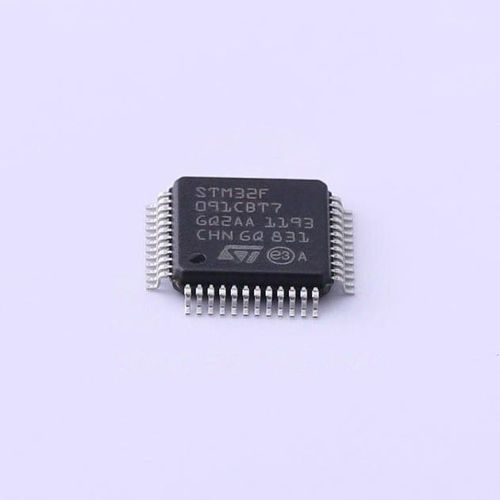
romper la memoria flash asegurada STM32F091CB MCU y extraer el código fuente embebido de la memoria flash del microcontrolador stm32f091cb, se copiará el programa binario dentro del microprocesador stm32f091cb;
After the first backup domain power-up, PC13, PC14 and PC15 operate as GPIOs. Their function then depends on the content of the Backup registers which is not reset by the main reset.
For details on how to manage these GPIOs, refer to the Battery backup domain and BKP register description sections in the STM32F05xx reference manual to restoring stm32f051c6 microprocessor flash heximal. This alternate feature is available on standard dies only.
After reset, these pins are configured as SWDAT and SWCLK alternate functions, and the internal pull-up on SWDAT pin and internal pull-down on SWCLK pin are activated.
Restore Microchip PIC18F25K50 Processor Flash Heximal
Restore Microchip PIC18F25K50 Processor Flash Heximal from its embedded flash memory, the tamper resistance system of PIC18F25K50 Microcontroller will be cracked, and then copy flash heximal from pic18f25k50 microprocessor flash memory;
The WDT is cleared when the device wakes-up from Sleep, regardless of the source of wake-up.
Upon a wake from a Sleep event, the core will wait for a combination of three conditions before beginning execution. The conditions are:
PFM Ready
COSC-Selected Oscillator Ready
BOR Ready (unless BOR is disabled)
When global interrupts are disabled (GIE cleared) and any interrupt source, with the exception of the clock switch interrupt to break PIC18F25K20 microchip controller locked memory, has both its interrupt enable bit and interrupt flag bit set, one of the following will occur:
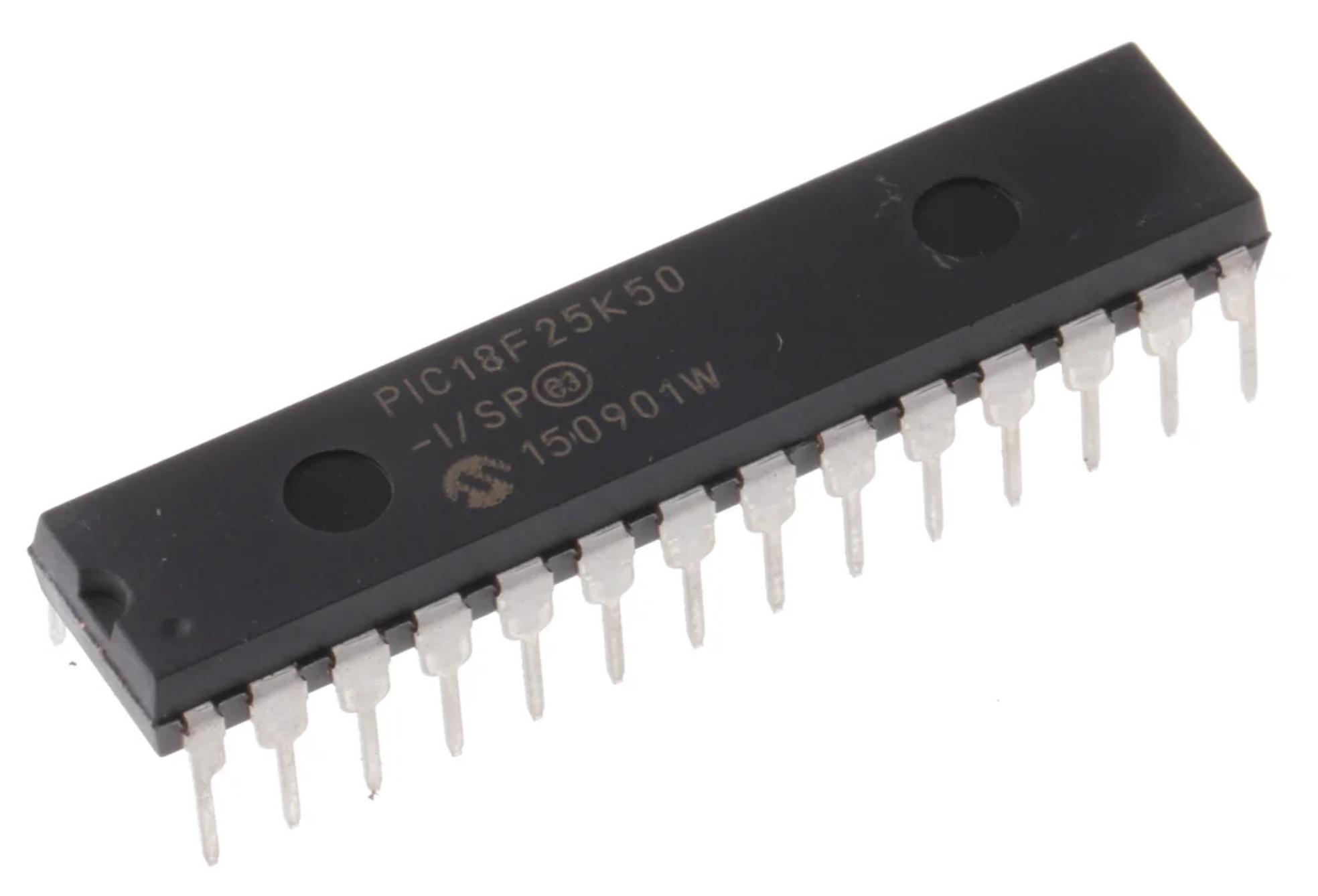
restaurar Microchip PIC18F25K50 procesador flash heximal de su memoria flash integrada, el sistema de resistencia a la manipulación de PIC18F25K50 Microcontrolador será agrietado, y luego copiar flash heximal de pic18f25k50 microprocesador de memoria flash
If the interrupt occurs before the execution of a SLEEP instruction
SLEEP instruction will execute as a NOP
Even if the flag bits were checked before executing a SLEEP instruction, it may be possible for flag bits to become set before the SLEEP instruction completes. To determine whether a SLEEP instruction executed, test the PD bit. If the PD bit is set, the SLEEP instruction was executed as a NOP.
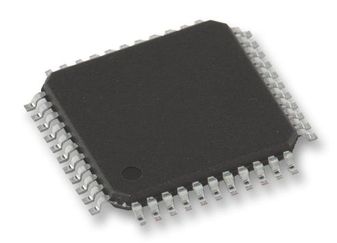
Attack Microchip PIC18F45K40T Controller Memory
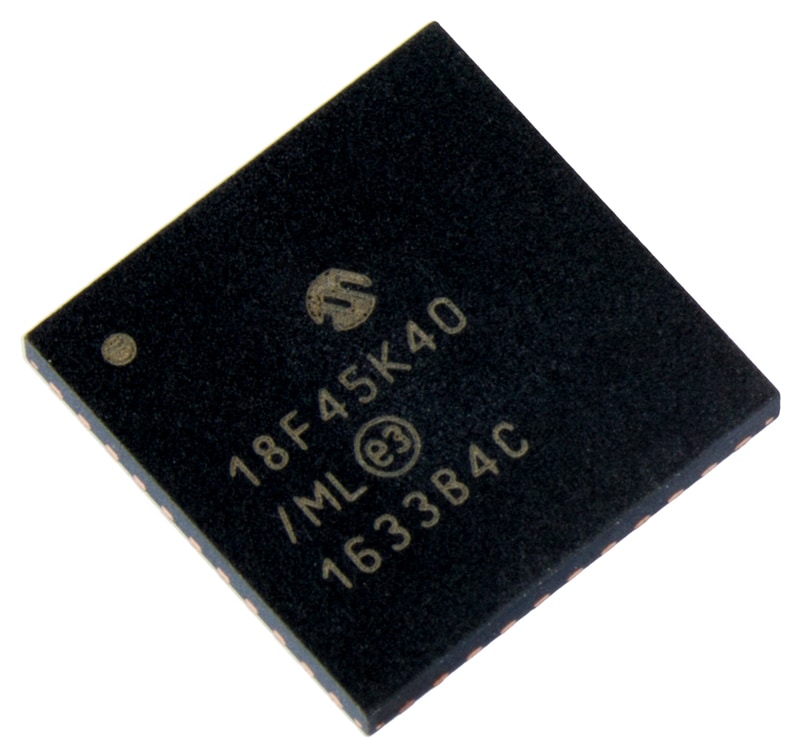
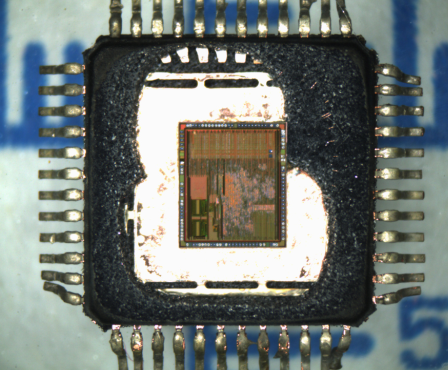
Attack Microchip PIC18F45K40T Controller Memory is a process to unlock microcontroller pic18f45k40t security fuse bit, and then readout flash memory software from microprocessor pic18f45k40t chipset;
On boards with power traces running longer than six inches in length, it is suggested to use a tank capac- itor for integrated circuits, including microcontrollers, to supply a local power source.
The value of the tank capacitor should be determined based on the trace resistance that connects the power supply source to the device, and the maximum current drawn by the device in the application. In other words, select the tank capacitor so that it meets the acceptable voltage sag at the device. Typical values range from 4.7 mF to 47 mF.
ataque Microchip PIC18F45K40T controlador de memoria es un proceso para desbloquear microcontrolador pic18f45k40t bit fusible de seguridad, y luego leer el software de memoria flash del microprocesador pic18f45k40t chipset
The first five events will cause a device Reset. The last one event is considered a continuation of program execution. To determine whether a device Reset or wake-up event occurred, refer to “Determining the Cause of a Reset” when recover microchip pic18f24k22 locked flash memory code.
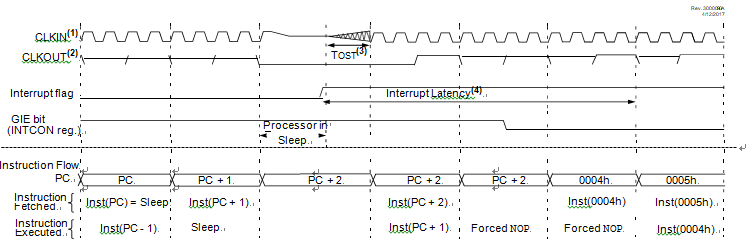
When the SLEEP instruction is being executed, the next instruction (PC + 2) is prefetched. For the device to wake-up through an interrupt event, the corresponding Interrupt Enable bit must be enabled, as well as the Peripheral Interrupt Enable bit (PEIE = 1), for every interrupt not in PIR0.
Wake-up will occur regardless of the state of the GIE bit. If the GIE bit is disabled, the device continues execution at the instruction after the SLEEP instruction. If the GIE bit is enabled by restoring microcontroller pic18f25k22 memory heximal file, the device executes the instruction after the SLEEP instruction, the device will then call the Interrupt Service Routine.
In cases where the execution of the instruction following SLEEP is not desirable, the user should have a NOP after the SLEEP instruction.
Reverse Engineering PIC18F24K40T Microcontroller Heximal Data
Reverse Engineering PIC18F24K40T Microcontroller Heximal Data is a process to crack pic18f24k40t mcu security fuse bit, and then readout secured code from microprocessor pic18f24k40t flash memory;
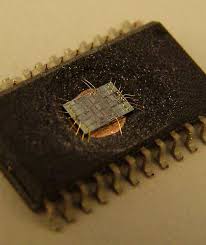
The PIC18F24K40T devices contain circuitry to prevent clocking “glitches” when switching between clock sources. A short pause in the system clock occurs during the clock switch.
The length of this pause is between eight and nine clock periods of the new clock source. This ensures that the new clock source is stable and that its pulse width will not be less than the shortest pulse width of the two clock sources.
When the device executes a SLEEP instruction, the system is switched to one of the power managed modes, depending on the state of the IDLEN and SCS1:SCS0 bits of the OSCCON register when recover microcontroller pic18f24k20 flash program and eeprom data.
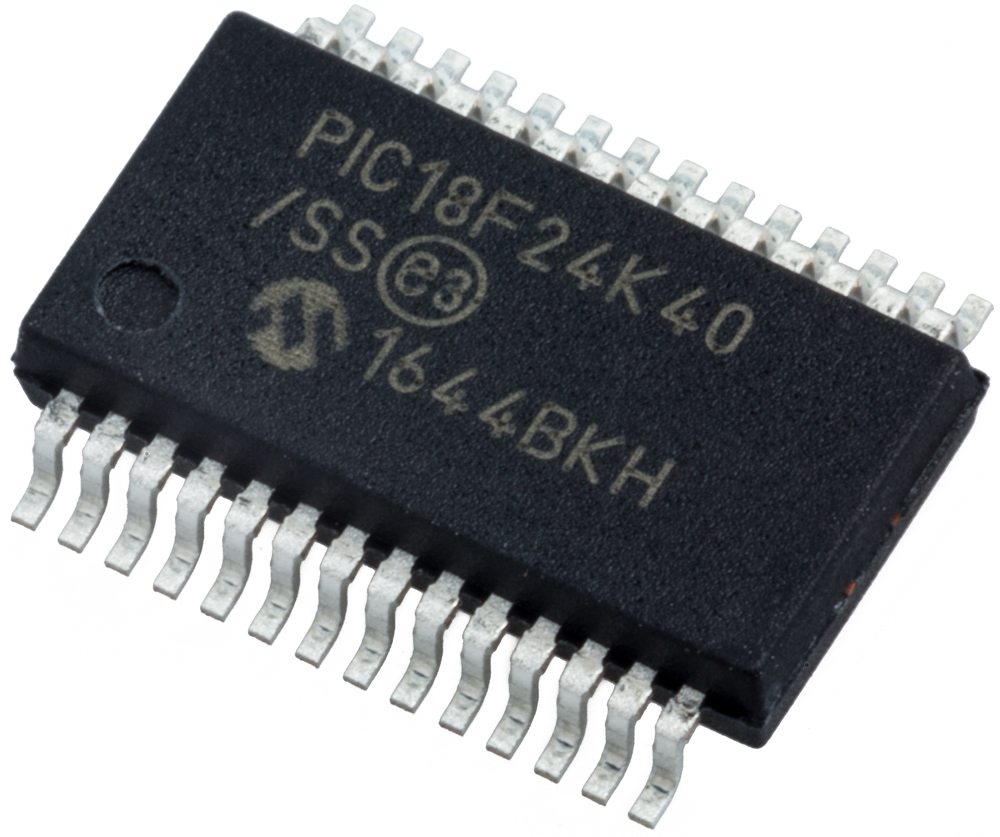
ingeniería inversa PIC18F24K40T microcontrolador de datos heximales es un proceso para romper pic18f24k40t mcu fusible de seguridad de bits, y luego leer el código de seguridad del microprocesador pic18f24k40t memoria flash
When PRI_IDLE mode is selected, the designated primary oscillator continues to run without interruption. For all other power managed modes, the oscillator using the OSC1 pin is disabled. The OSC1 pin (and OSC2 pin, if used by the oscillator) will stop oscillating.
In Secondary Clock modes (SEC_RUN and SEC_I- DLE), the Timer1 oscillator is operating and providing the system clock in the process of pic18f24k22 mcu locked code recovery. The Timer1 oscillator may also run in all power managed modes if required to clock Timer1 or Timer3.
 Posted in Reverse Engineer Microcontroller |
  Tags: Ingeniería inversa archivo binario de memoria de microordenador protegido, Ingeniería inversa microcontrolador protegido eeprom datos máximos, Ingeniería inversa programa de firmware incrustado MCU IC cifrado, Ingeniería inversa software de memoria flash con microprocesador bloqueado |
  Comments Closed
Break Microchip PIC18F47K40T Controller Flash Content
Break Microchip PIC18F47K40T Controller Flash Content needs to hack tamper resistance system of PIC18F47K40T mcu flash memory, and then extract code from pic18f47k40t microprocessor, in the format of binary or heximal;
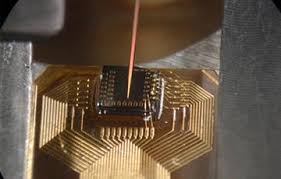
The IOFS bit when the internal oscillator block has stabilized and is providing the system clock in RC Clock modes or during Two-Speed Start-ups. The T1RUN bit (T1CON<6>) indicates when the Timer1 oscillator is providing the system clock in Secondary Clock modes.
In power managed modes, only one of these three bits will be set at any time. If none of these bits are set, the INTRC is providing the system clock, or the internal oscillator block has just started and is not yet stable when replicate pic18f46k20 microprocessor flash program. The IDLEN bit controls the selective shutdown of the controller’s CPU in power managed modes.
1: The Timer1 oscillator must be enabled to select the secondary clock source. The Timer1 oscillator is enabled by setting the T1OSCEN bit in the Timer1 Control reg- ister (T1CON<3>) to break pic18f46k22 mcu flash heximal memory. If the Timer1 oscillator is not enabled, then any attempt to select a secondary clock source when executing a SLEEP instruction will be ignored.
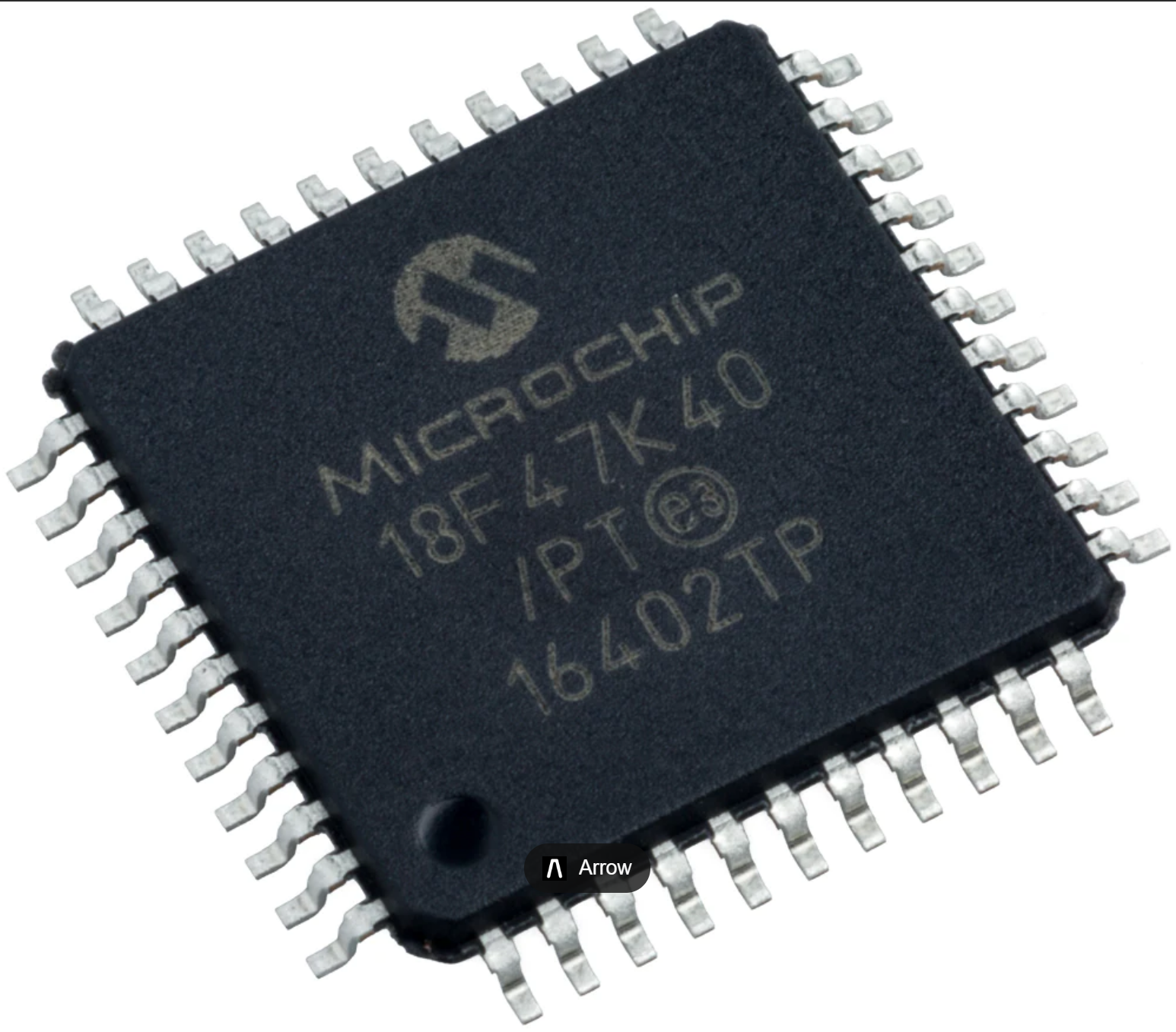
romper Microchip PIC18F47K40T controlador de contenido flash necesita para hackear sistema de resistencia a la manipulación de PIC18F47K40T mcu memoria flash, y luego extraer el código de pic18f47k40t microprocesador, en el formato de binario o heximal
2: It is recommended that the Timer1 oscil- lator be operating and stable before exe- cuting the SLEEP instruction or a very long delay may occur while the Timer1 oscillator starts.
Attack Locked Microprocessor PIC18F2620T Tamper Resistance System
Attack Locked Microprocessor PIC18F2620T Tamper Resistance System and retrieve embedded firmware from microcontroller pic18f2620t flash and eeprom memory, copy encrypted content to new pic18f2620t mcu;
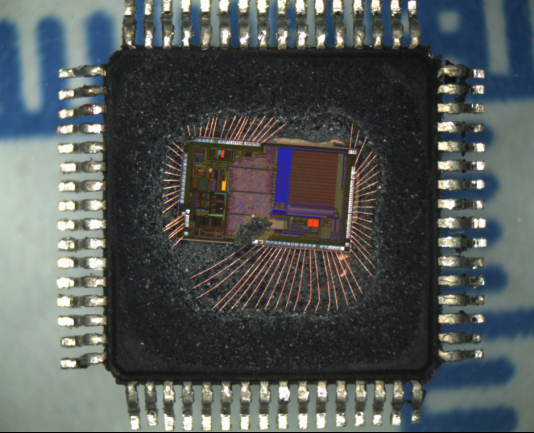
The OSCCON register (Register 2-2) controls several aspects of the system clock’s operation, both in full- power operation and in power managed modes.
The System Clock Select bits, SCS1:SCS0, select the clock source that is used when the device is operating in power managed modes. The available clock sources are the primary clock (defined in Configuration Register 1H) to restore flash memory content from pic18f1220t microprocessor, the secondary clock (Timer1 oscillator) and the internal oscillator block.
The clock selection has no effect until a SLEEP instruction is executed and the device enters a power managed mode of operation. The SCS bits are cleared on all forms of Reset.
The Internal Oscillator Select bits, IRCF2:IRCF0, select the frequency output of the internal oscillator block that is used to drive the system clock. The choices are the INTRC source, the INTOSC source (8 MHz), or one of the six frequencies derived from the INTOSC posts- caler (125 kHz to 4 MHz).
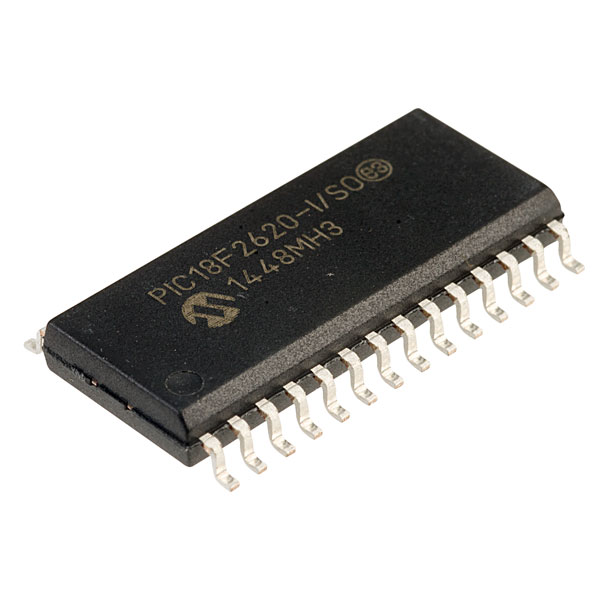
ataque bloqueado microprocesador PIC18F2620T sistema de resistencia a la manipulación y recuperar firmware incrustado del microcontrolador pic18f2620t flash y memoria eeprom, copiar contenido cifrado al nuevo MCU pic18f2620t
If the internal oscillator block is supplying the system clock, changing the states of these bits will have an immediate change on the inter- nal oscillator’s output by decrypting pic18f1230 microcontroller flash memory firmware. The OSTS, IOFS and T1RUN bits indicate which clock source is currently providing the system clock.
The OSTS indicates that the Oscillator Start-up Timer has timed out and the primary clock is providing the system clock in Primary Clock modes. The IOFS bit indicates
Microchip PIC18F8520 MCU Protection Breaking
The final purpose of Microchip PIC18F8520 MCU Protection Breaking is to extract embedded program from microcontroller pic18f8520, the process of dumping flash heximal and eeprom binary from microprocessor pic18f8520 will be aggressive…
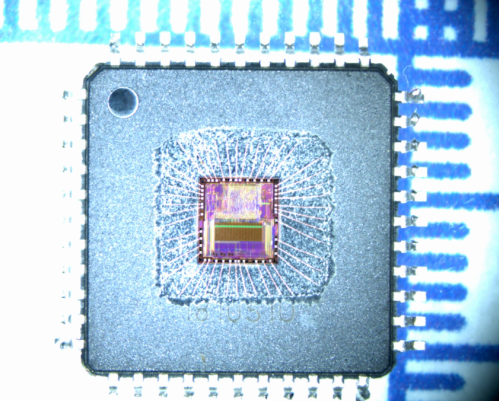
PIC18F8520 devices offer only the Timer1 oscillator as a secondary oscillator. This oscillator, in all power managed modes, is often the time base for functions such as a real-time clock when decoding microcontroller pic18f1220 program from its flash memory.
Most often, a 32.768 kHz watch crystal is connected between the RB6/T1OSO and RB7/T1OSI pins. Like the LP mode oscillator circuit, loading capacitors are also connected from each pin to ground. These pins are also used during ICSP operations.
The Timer1 oscillator is discussed in greater detail in
Section 12.2 “Timer1 Oscillator”.
In addition to being a primary clock source, the internal oscillator block is available as a power managed mode clock source to decap pic18f1320 microchip processor memory. The INTRC source is also used as the clock source for several special features, such as the WDT and Fail-Safe Clock Monitor.
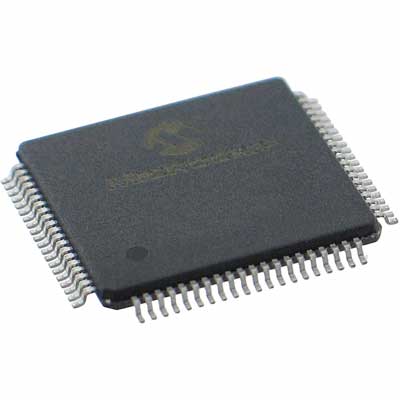
el propósito final de la ruptura de la protección del MCU PIC18F8520 del microchip es extraer el programa incrustado del microcontrolador pic18f8520, el proceso de volcado de flash heximal y eeprom binario del microprocesador pic18f8520 será agresivo
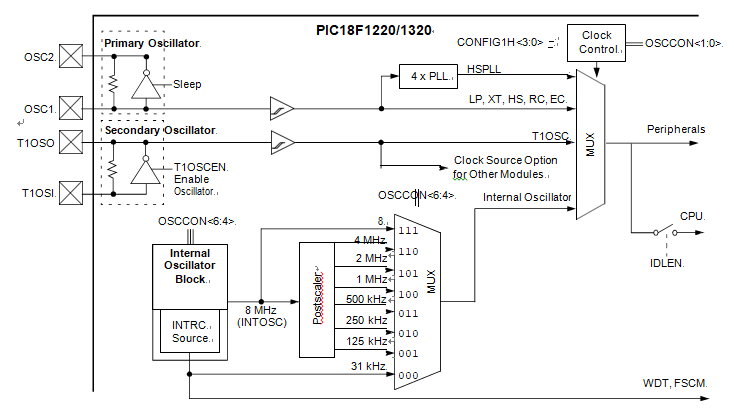
The clock sources for the PIC18F1220/1320 devices are shown in Figure 2-8. See Section 12.0 “Timer1 Module” for further details of the Timer1 oscillator. See Section 19.1 “Configuration Bits” for Configuration register details.
Secured Microcontroller PIC18F4610 Flash Heximal Restoring
Secured Microcontroller PIC18F4610 Flash Heximal Restoring needs to crack mcu pic18f4610 security fuse bit, and then extract embedded firmware from pic18f4610 processor flash memory;
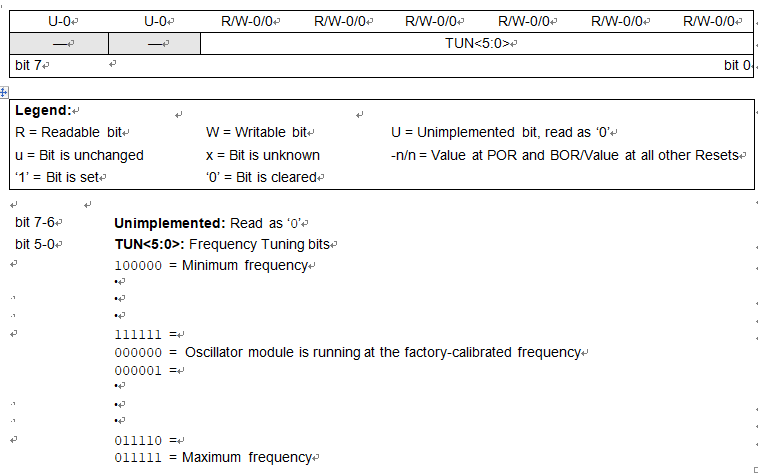
When the OSCTUNE register is modified, the INTOSC and INTRC frequencies will begin shifting to the new frequency. The INTRC clock will reach the new frequency within 8 clock cycles (approximately 8* 32 ms = 256 ms).
The INTOSC clock will stabilize within 1 ms. Code execution continues during this shift. There is no indication that the shift has occurred. Operation of features that depend on the INTRC clock source frequency, such as the WDT, Fail-Safe Clock Monitor and peripherals, will also be affected by the change in frequency.
Like previous PIC18 devices, the PIC18F4610 devices include a feature that allows the system clock source to be switched from the main oscillator to an alternate low-frequency clock source when crack pic18f4550 microcontroller flash memory. PIC18F4610 devices offer two alternate clock sources. When enabled, these give additional options for switching to the various power managed operating modes.
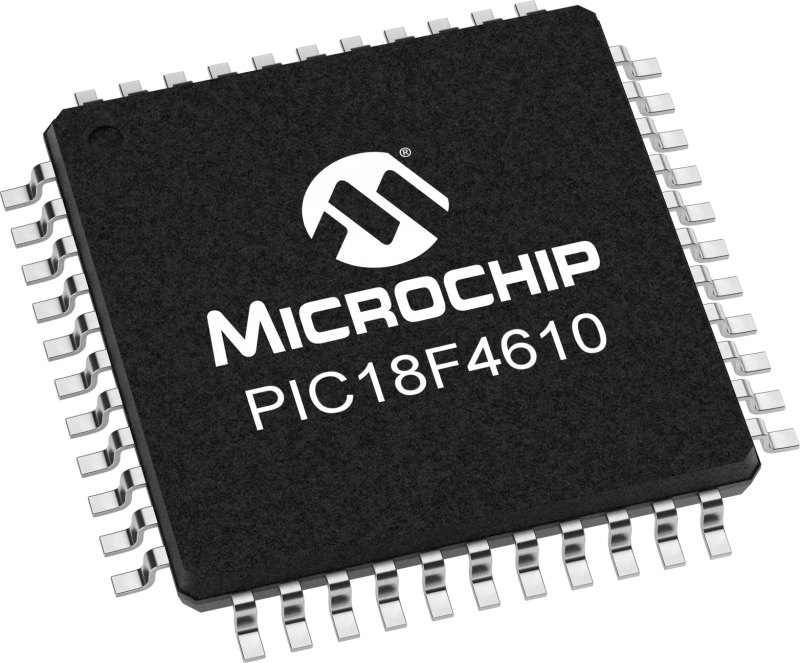
microcontrolador seguro PIC18F4610 flash heximal restauración necesita descifrar MCU pic18f4610 bit de fusible de seguridad, y luego extraer firmware incrustado de la memoria flash del procesador pic18f4610
Essentially, there are three clock sources for these devices:
- Primary oscillators
- Secondary oscillators
- Internal oscillator block
The primary oscillators include the External Crystal and Resonator modes, the External RC modes, the External Clock modes and the internal oscillator block in the process of copying binary file from pic18f458 mcu. The particular mode is defined on POR by the contents of Configuration Register 1H.
The details of these modes are covered earlier in this chapter. The secondary oscillators are those external sources not connected to the OSC1 or OSC2 pins. These sources may continue to operate even after the controller is placed in a power managed mode.
Clone Microchip PIC16LF84 Controller Firmware
Clone Microchip PIC16LF84 Controller Firmware from its locked processor’s flash and eeprom memory, and decode embedded firmware from secured MCU pic16lf84;
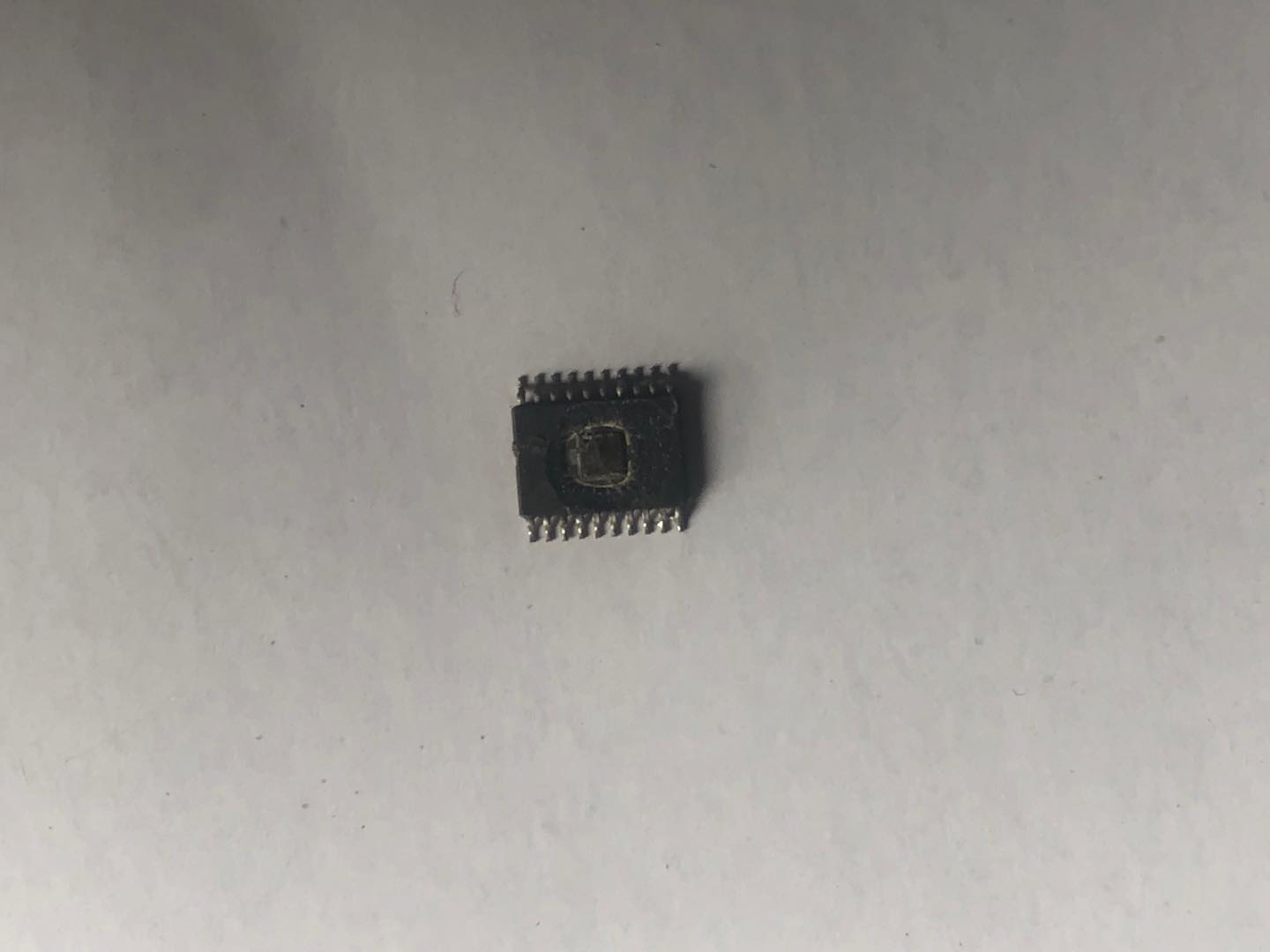
Using the internal oscillator as the clock source can eliminate the need for up to two external oscillator pins, which can then be used for digital I/O. Two distinct configurations are available:
- In INTIO1 mode, the OSC2 pin outputs FOSC/4, while OSC1 functions as RA7 for digital input and output.
- In INTIO2 mode, OSC1 functions as RA7 and OSC2 functions as RA6, both for digital input and output.
The internal oscillator block is calibrated at the factory to produce an INTOSC output frequency of 8.0 MHz to restore pic18f1220t processor embedded program. This changes the frequency of the INTRC source from its nominal 31.25 kHz.
Peripherals and features that depend on the INTRC source will be affected by this shift in frequency. Once set during factory calibration when decrypting pic18f1230 microcontroller flash memory, the INTRC frequency will remain within ±2% as temperature and VDD change across their full specified operating ranges.
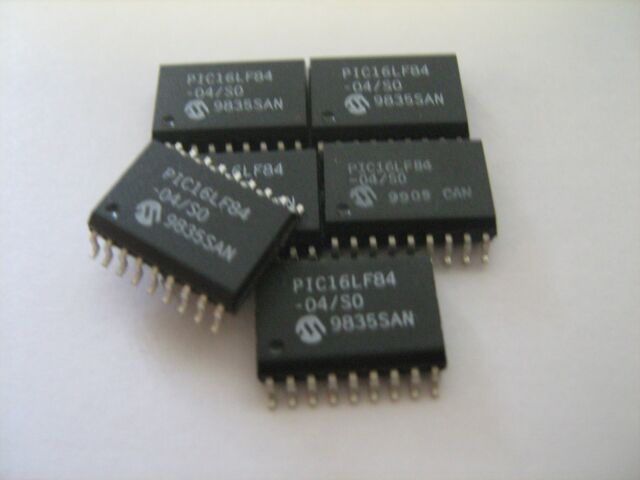
clonar el firmware del controlador PIC16LF84 del microchip de la memoria flash y eeprom de su procesador bloqueado, y decodificar el firmware integrado del MCU pic16lf84 seguro
The internal oscillator’s output has been calibrated at the factory, but can be adjusted in the user’s applica- tion. This is done by writing to the OSCTUNE register. The tuning sensitivity is constant throughout the tuning range.
Reverse PIC18LF2523 Microchip MCU Flash Memory
Reverse PIC18LF2523 Microchip MCU Flash Memory and extract embedded program from microcontroller pic18lf2523 in the format of heximal, the original binary file of pic18lf2523 secured processor will be copied;
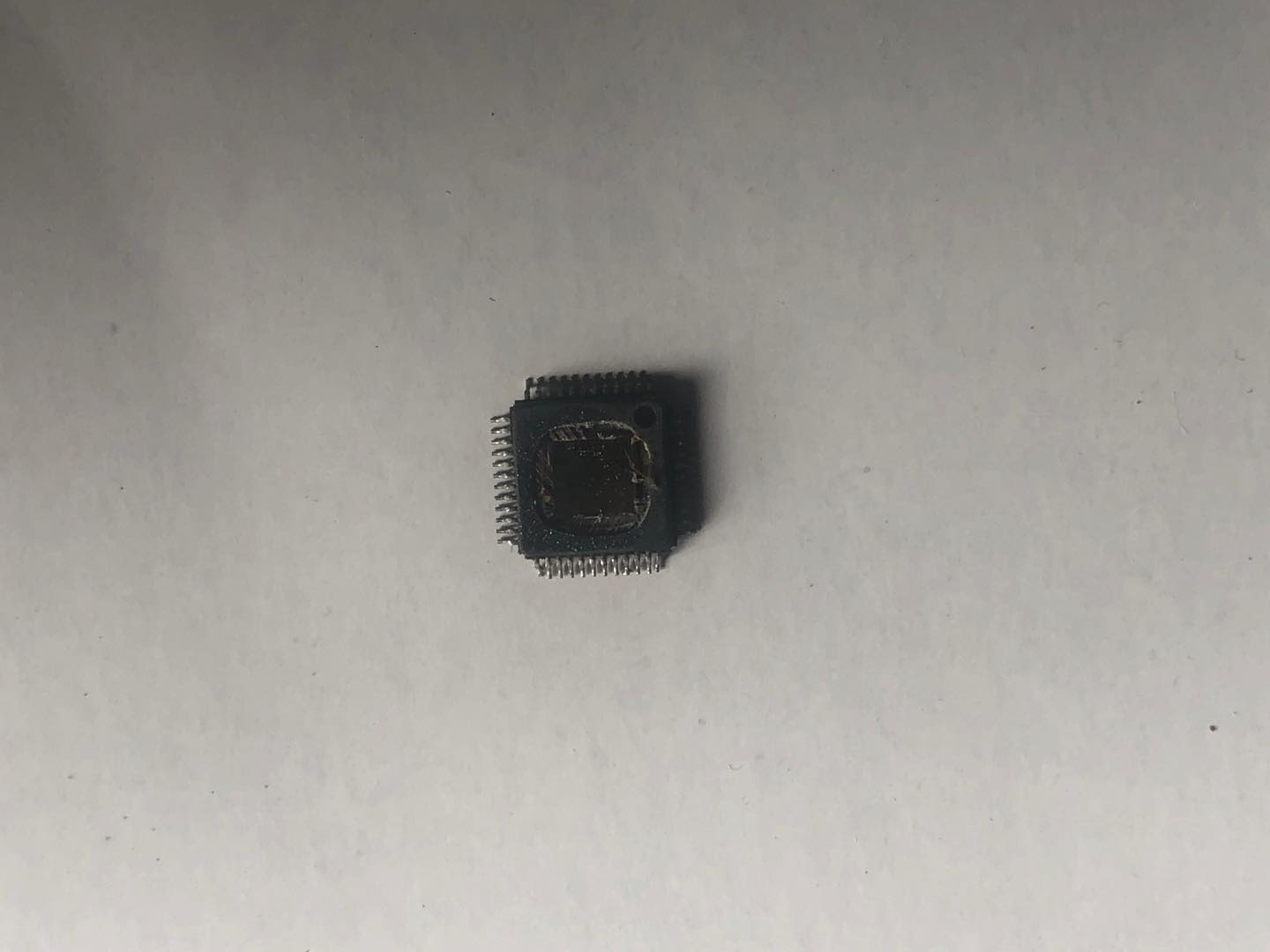
In the RC Oscillator mode, the oscillator frequency divided by 4 is available on the OSC2 pin. This signal may be used for test purposes, or to synchronize other logic.
The RCIO Oscillator mode functions like the RC mode, except that the OSC2 pin becomes an additional general purpose I/O pin. The I/O pin becomes bit 6 of PORTA (RA6) is a process of decoding microcontroller pic18f1220 flash program.
The PIC18LF2523 devices include an internal oscillator block, which generates two different clock signals; either can be used as the system’s clock source. This can eliminate the need for external oscillator circuits on the OSC1 and/or OSC2 pins.
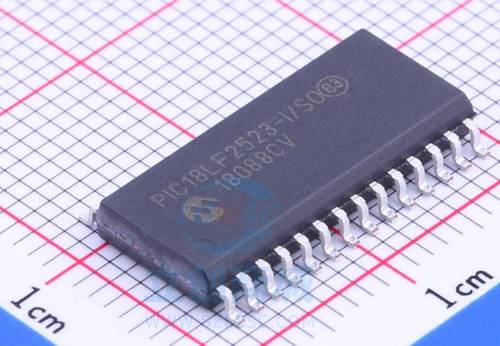
invertir PIC18LF2523 microchip MCU memoria flash y extraer el programa incrustado del microcontrolador pic18lf2523 en el formato de heximal, se copiará el archivo binario original del procesador seguro pic18lf2523
The main output (INTOSC) is an 8 MHz clock source, which can be used to directly drive the system clock. It also drives a postscaler, which can provide a range of clock frequencies from 125 kHz to 4 MHz when decapsulate pic18f1320 processor silicon package. The INTOSC output is enabled when a system clock frequency from 125 kHz to 8 MHz is selected.
The other clock source is the internal RC oscillator (INTRC), which provides a 31 kHz output. The INTRC oscillator is enabled by selecting the internal oscillator block as the system clock source, or when any of the following are enabled:
- Power-up Timer
- Fail-Safe Clock Monitor
- Watchdog Timer
- Two-Speed Start-up