Archive for the ‘Break IC’ Category
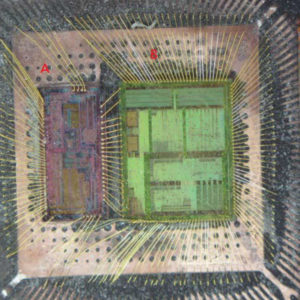
 Break MCU PIC16F527 Heximal
 April 16th, 2015 |
  Author:
 Breaking MCU PIC16F527 heximal involves advanced reverse engineering techniques to decode and decrypt the encrypted firmware and data stored in its secured flash memory and EEPROM memory. This microcontroller (MCU) is a critical component in many systems, with its locked and protective design intended to prevent unauthorized access to its binary and heximal source code. However, in situations where system restoration or data recovery is essential, methods to crack and attack its security layers can be employed responsibly.
La décryption du microcontrôleur PIC16F527 hexadécimal implique des techniques avancées d’ingénierie inverse pour décoder et décrypter le micrologiciel et les données cryptés stockés dans la mémoire flash sécurisée et la mémoire EEPROM du microprocesseur PIC16F527. Ce microcontrôleur PIC16F527 (MCU) est un composant essentiel dans de nombreux systèmes, avec sa conception verrouillée et protectrice destinée à empêcher tout accès non autorisé à son code source binaire et hexadécimal. Cependant, dans les situations où la restauration du système ou la récupération des données est essentielle, des méthodes pour décrypter et attaquer ses couches de sécurité peuvent être utilisées de manière responsable.
The process begins by analyzing the MCU’s architecture to identify security protocols and vulnerabilities. Tools are then used to decrypt the protective firmware and extract the program, binary files, and source code stored within the flash memory and EEPROM memory. Such an approach enables engineers to restore or recreate essential functionalities for systems that rely on this specific microprocessor.
Breaking the locked PIC16F527 heximal data may also be necessary for replicating older or discontinued microcomputers. By restoring the firmware and software, it is possible to recreate or clone the original device, ensuring continuity in applications that use hard-to-find components.
While breaking or decoding an MCU like the PIC16F527 has practical applications, it is crucial to perform these tasks ethically and legally, respecting intellectual property and adhering to applicable regulations.
MCU PIC16F527 हेक्सिमल को तोड़ने के लिए माइक्रोप्रोसेसर PIC16F527 सुरक्षित फ्लैश मेमोरी और EEPROM मेमोरी में संग्रहीत एन्क्रिप्टेड फ़र्मवेयर और डेटा को डिकोड और डिक्रिप्ट करने के लिए उन्नत रिवर्स इंजीनियरिंग तकनीकों की आवश्यकता होती है। यह PIC16F527 माइक्रोकंट्रोलर (MCU) कई प्रणालियों में एक महत्वपूर्ण घटक है, जिसका लॉक और सुरक्षात्मक डिज़ाइन इसके बाइनरी और हेक्सिमल स्रोत कोड तक अनधिकृत पहुँच को रोकने के लिए है। हालाँकि, ऐसी स्थितियों में जहाँ सिस्टम बहाली या डेटा रिकवरी आवश्यक है, इसकी सुरक्षा परतों को तोड़ने और उन पर हमला करने के तरीकों को जिम्मेदारी से नियोजित किया जा सकता है।
The PIC16F526 device from Micromcu Technology is low-cost, high-performance, 8-bit, fully-static, Flash-based CMOS microcontrollers. It employs a RISC architecture with only 33 single-word/single-cycle instructions. All instructions are single cycle (200 ms) except for program branches, which take two cycles.
The PIC16F526 device delivers performance an order of magnitude higher than their competitors in the same price category. The 12-bit wide instructions are highly symmetrical, resulting in a typical 2:1 code compression over other 8-bit microcontrollers in its class only after the completion of Microcontroller Unlocking.
crack encrypted MCU PIC16F527 fuse bit and dump the heximal file from pic16f527 memory
The easy-to-use and easy to remember instruction set reduces development time significantly. The PIC16F526 product is equipped with special features that reduce system cost and power requirements which has the similar process of Break IC PIC16C771 Firmware. The Power-on Reset (POR) and Device Reset Timer (DRT) eliminate the need for external Reset circuitry.
There are four oscillator configurations to choose from, including INTRC Internal Oscillator mode and the power-saving LP (Low-Power) Oscillator mode. Power-Saving Sleep mode, Watchdog Timer and code protection features improve system cost, power and reliability.
Break MCU PIC16F527 Heximal
The PIC16F526 device is available in the cost-effective Flash programmable version, which is suitable for production in any volume. The customer can take full advantage of Micromcu’s price leadership in Flash programmable microcontrollers, while benefiting from the Flash programmable flexibility.
The PIC16F526 product is supported by a full-featured macro assembler, a software simulator, an in-circuit emulator, a ‘C’ compiler, a low-cost development programmer and a full featured programmer. All the tools are supported on IBM® PC and compatible machines to facilitate the process of Read Chip PIC16C770 Eeprom.
The PIC16F526 device fits in applications ranging from personal care appliances and security systems to low-power remote transmitters/receivers. The Flash technology makes customizing application programs (transmitter codes, appliance settings, receiver frequencies, etc.) extremely fast and convenient.
The small footprint packages, for through hole or surface mounting, make these microcontrollers perfect for applications with space limitations in order to Reverse Engineering Microcontroller PIC16C717 Program. Low cost, low power, high performance, ease of use and I/O flexibility make the PIC16F526 device very versatile even in areas where no microcontroller use has been considered before (e.g., timer functions, logic and PLDs in larger systems and coprocessor applications).
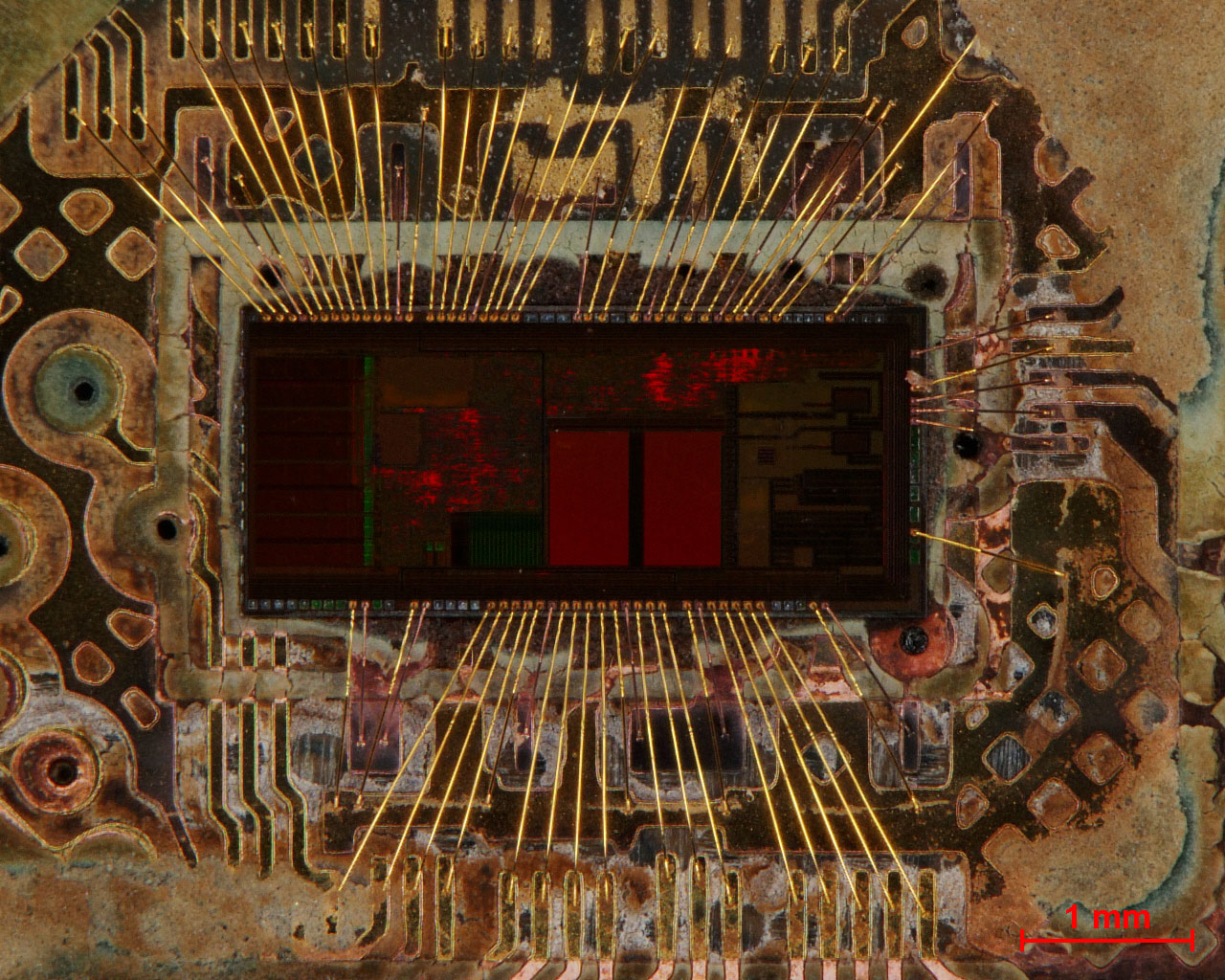
Взлом MCU PIC16F527 heximal включает в себя передовые методы обратного проектирования для декодирования и расшифровки зашифрованной прошивки и данных, хранящихся в защищенной флэш-памяти и памяти EEPROM микропроцессора PIC16F527. Этот микроконтроллер PIC16F527 (MCU) является критически важным компонентом во многих системах, его заблокированная и защищенная конструкция предназначена для предотвращения несанкционированного доступа к его двоичному и шестнадцатеричному исходному коду. Однако в ситуациях, когда восстановление системы или данных имеет важное значение, методы взлома и атаки на его уровни безопасности могут быть использованы ответственно.
 Posted in
Break IC PIC12CE519 Flash
The IC PIC12CE519 Flash memory, commonly used in embedded systems, plays a crucial role in storing firmware and other system data. However, for various reasons—such as debugging, security audits, or customization—accessing and modifying the data within this memory can be a challenge. At [Your Company Name], we offer specialized services to break the IC PIC12CE519 Flash, allowing you to unlock and modify the firmware to suit your needs.
PIC12CE519 Memoria flash, folosită în mod obișnuit în sistemele încorporate, joacă un rol crucial în stocarea firmware-ului și a altor date de sistem. Cu toate acestea, din diverse motive, cum ar fi depanare, audituri de securitate sau personalizare, accesarea și modificarea datelor din această memorie poate fi o provocare. La CECL, oferim servicii specializate pentru a sparge IC PIC12CE519 Flash, permițându-vă să deblocați și să modificați firmware-ul pentru a se potrivi nevoilor dumneavoastră.
Our expert team uses advanced techniques to extract, disassemble, and analyze the data stored in the PIC12CE519 Flash. By employing specialized tools and custom scripts, we can access the firmware’s internal structure, providing you with a deeper understanding of its operation. Whether you need to identify vulnerabilities, reverse-engineer proprietary code, or recover lost data, we have the experience and tools to get the job done.
Our services are tailored to meet the unique needs of each client, ensuring precision, efficiency, and confidentiality. With our help, you’ll be able to unlock the full potential of your embedded systems and make informed decisions about security, optimization, or customization.
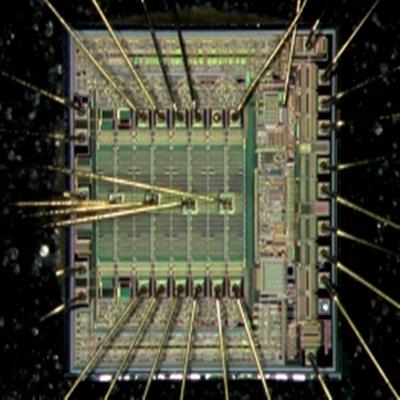
Unser Expertenteam verwendet fortschrittliche Techniken, um die im PIC12CE519-Flash gespeicherten Daten zu extrahieren, zu zerlegen und zu analysieren. Durch den Einsatz spezieller Tools und benutzerdefinierter Skripte können wir auf die interne Struktur der Firmware zugreifen und Ihnen so ein tieferes Verständnis ihrer Funktionsweise vermitteln. Ob Sie Schwachstellen identifizieren, proprietären Code zurückentwickeln oder verlorene Daten wiederherstellen müssen, wir haben die Erfahrung und die Tools, um die Arbeit zu erledigen.
Contact us today to learn more about how we can help you break the IC PIC12CE519 Flash and gain control of your embedded systems.
As with any other register, the I/O register can be written and read under program control when Break IC PIC12CE519 Flash. However, read instructions (e.g., MOVF GPIO,W) always read the I/O pins independent of the pin’s input/output modes. On RESET, all I/O ports are defined as input (inputs are at hi-impedance) since the I/O control registers are all set. See Section 7.0 for SCL and SDA description for PIC12CE5XX.
Serviciile noastre sunt adaptate pentru a răspunde nevoilor unice ale fiecărui client, asigurând precizie, eficiență și confidențialitate. Cu ajutorul nostru, veți putea debloca întregul potențial al sistemelor dvs. încorporate și veți putea lua decizii informate cu privire la securitate, optimizare sau personalizare.
GPIO is an 8-bit I/O register. Only the low order 6 bits are used (GP5:GP0). Bits 7 and 6 are unimplemented and read as ’0′s. Please note that GP3 is an input only pin. The configuration word can set several I/O’s to alternate functions. When acting as alternate functions the pins will read as ‘0’ during port read. Pins GP0, GP1, and GP3 can be configured with weak pull-ups and also with wake-up on change.
The wake-up on change and weak pull-up functions are not pin selectable. If pin 4 is configured as MCLR, weak pull-up is always on and wake-up on change for this pin is not enabled after Break Chip PIC12CE518 Binary.
The output driver control register is loaded with the contents of the W register by executing the TRIS instruction. A ’1′ from a TRIS register bit puts the corresponding output driver in a hi-impedance mode.
A ’0′ puts the contents of the output data latch on the selected pins, enabling the output buffer. The exceptions are GP3 which is input only and GP2 which may be controlled by Copy Chip PIC16F87 Code, The equivalent circuit for an I/O port pin is shown in below Figure.
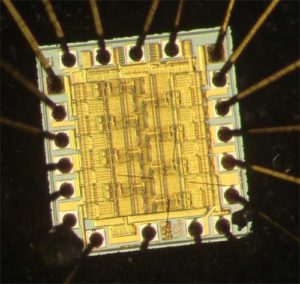
Break IC PIC12CE519 Flash
All port pins, except GP3 which is input only, may be used for both input and output operations.
For input operations these ports are non-latching. Any input must be present until read by an input instruction (e.g., MOVF GPIO,W). The outputs are latched and remain unchanged until the output latch is rewritten. To use a port pin as output, the corresponding direction control bit in TRIS must be cleared (= 0). For use as an input, the corresponding TRIS bit must be set.
Any I/O pin (except GP3) can be programmed individually as input or output. Some instructions operate internally as read followed by write operations. The BCF and BSF instructions, for example, read the entire port into the CPU, execute the bit operation and re-write the result in order to Recover Microcontroller PIC16F71 Binary. Caution must be used when these instructions are applied to a port where one or more pins are used as input/outputs.
For example, a BSF operation on bit5 of GPIO will cause all eight bits of GPIO to be read into the CPU, bit5 to be set and the GPIO value to be written to the output latches. If another bit of GPIO is used as a bi- directional I/O pin (say bit0) and it is defined as an input at this time, the input signal present on the pin itself would be read into the CPU and rewritten to the data latch of this particular pin, overwriting the previous content.
As long as the pin stays in the input mode, no problem occurs. However, if bit0 is switched into output mode later on, the content of the data latch to facilitate the process of Crack MCU. The actual write to an I/O port happens at the end of may now be unknown.
Break IC PIC12C508A Flash
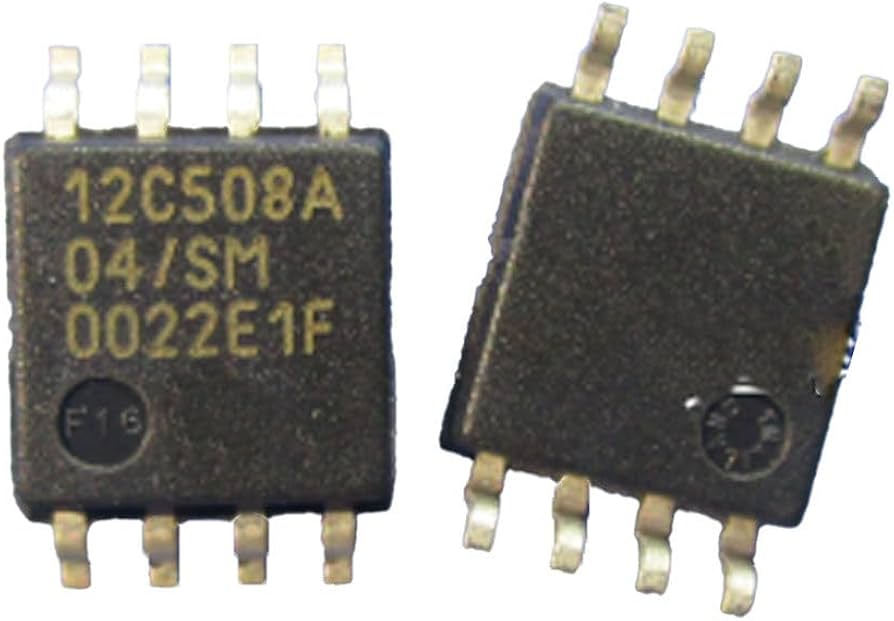
The PIC12C508A microcontroller, widely used in embedded systems, features protected Flash memory to secure firmware and prevent unauthorized access. However, in many cases—such as system recovery, reverse engineering, or software debugging—accessing this locked data becomes essential. At Circuit engineering co.,ltd, we specialize in breaking IC PIC12C508A Flash to extract, decode, and clone firmware, ensuring that our clients can regain control of their embedded systems.
![A beágyazott rendszerekben széles körben használt PIC12C508A mikrokontroller védett Flash memóriával rendelkezik a firmware védelme és az illetéktelen hozzáférés megakadályozása érdekében. Sok esetben azonban – például a rendszer-helyreállítás, a visszafejtés vagy a szoftverhibakeresés során – a zárolt adatokhoz való hozzáférés elengedhetetlen. A [Your Company Name] cégnél a PIC12C508A Flash IC feltörésére specializálódtunk a firmware kinyerése, dekódolása és klónozása érdekében, ezzel biztosítva, hogy ügyfeleink visszaszerezhessék az irányítást beágyazott rendszereik felett.](https://www.ic-crack.com/wp-content/uploads/2015/04/0-b289ae77-1600-CIRC.-INTEGRATO-PIC12C508A-04-P-DIL-8-MICROCHIP-PIC12C508.jpg)
A beágyazott rendszerekben széles körben használt PIC12C508A mikrokontroller védett Flash memóriával rendelkezik a firmware védelme és az illetéktelen hozzáférés megakadályozása érdekében. Sok esetben azonban – például a rendszer-helyreállítás, a visszafejtés vagy a szoftverhibakeresés során – a zárolt adatokhoz való hozzáférés elengedhetetlen. A [Your Company Name] cégnél a PIC12C508A Flash IC feltörésére specializálódtunk a firmware kinyerése, dekódolása és klónozása érdekében, ezzel biztosítva, hogy ügyfeleink visszaszerezhessék az irányítást beágyazott rendszereik felett.
Our Expertise in IC PIC12C508A Flash Extraction
Our team of professionals employs cutting-edge techniques to decrypt and unlock the protected memory inside the PIC12C508A. By leveraging advanced hardware and software tools, we can restore, copy, and duplicate firmware from Flash, EEPROM, and other secured memory archives.
Whether you need to reverse-engineer a locked binary, extract encrypted EEPROM data, or clone embedded programs, we provide efficient and precise solutions.
Наша команда профессионалов использует передовые методы для расшифровки и разблокировки защищенной памяти внутри PIC12C508A. Используя передовые аппаратные и программные инструменты, мы можем восстанавливать, копировать и дублировать прошивку из Flash, EEPROM и других защищенных архивов памяти.
Если вам нужно выполнить обратную разработку заблокированного двоичного файла, извлечь зашифрованные данные EEPROM или клонировать встроенные программы, мы предлагаем эффективные и точные решения.
Why Choose Our IC Flash Unlocking Service?
- Advanced Techniques: We utilize specialized equipment to crack protected firmware and decrypt embedded heximal files without damaging the microcontroller.
- Secure and Confidential: We ensure that all extracted memory archives and binary programs are handled securely.
- Comprehensive Analysis: Our experts can analyze, decode, and reconstruct source code from encrypted or obfuscated firmware.
If you need to break IC PIC12C508A Flash, recover lost firmware files, or clone locked data, contact us today. We provide reliable solutions to help you unlock embedded memory and gain full access to your secured programs.
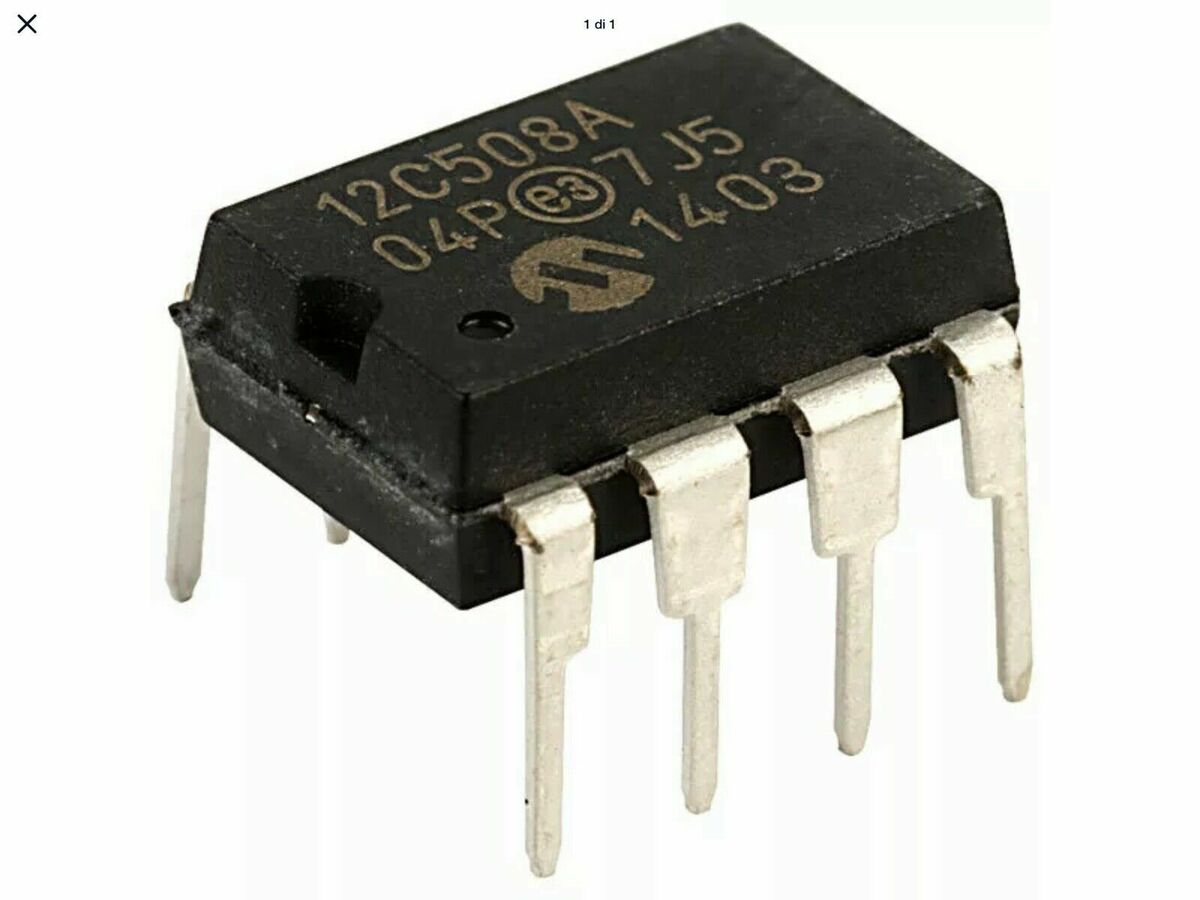
A variety of packaging options are available which the engineer should pay attention when Break IC PIC12C508A Flash. Depending on application and production requirements, the proper device option can be selected using the information in this section. When placing orders, please use the PIC12C5XX Product Identification System at the back of this data sheet to specify the correct part number.
Se hai bisogno di rompere IC PIC12C508A Flash, recuperare file firmware persi o clonare dati bloccati, contattaci oggi stesso. Forniamo soluzioni affidabili per aiutarti a sbloccare la memoria incorporata e ottenere l’accesso completo ai tuoi programmi protetti.
Sono disponibili diverse opzioni di confezionamento a cui l’ingegnere dovrebbe prestare attenzione quando si rompe IC PIC12C508A Flash. A seconda dell’applicazione e dei requisiti di produzione, è possibile selezionare l’opzione dispositivo appropriata utilizzando le informazioni in questa sezione. Quando si effettuano ordini, utilizzare il sistema di identificazione del prodotto PIC12C5XX sul retro di questa scheda tecnica per specificare il numero di parte corretto.
The UV erasable version, offered in ceramic side brazed package, is optimal for prototype development and pilot programs.
Break IC PIC12C508A Flash
The UV erasable version can be erased and reprogrammed to any of the configuration modes.
Microchip’s PICSTART® PLUS and PRO MATE® programmers all support programming of the PIC12C5XX.
Third party programmers also are available; refer to the Microchip Third Party Guide for a list of sources. The availability of OTP devices is especially useful for customers who need the flexibility for frequent code updates or small volume applications, if not, we can see Recover Microcontroller TMS320F2812PGFA Firmware as a feasible solution for it.
The OTP devices, packaged in plastic packages permit the user to program them once. In addition to the program memory, the configuration bits must also be programmed.
Microchip offers a QTP Programming Service for factory production orders. This service is made available for users who choose not to program a medium to high quantity of units and whose code patterns have stabilized.
The devices are identical to the OTP devices but with all EPROM locations and fuse options albreaky programmed by the factory after Crack MCU. Certain code and prototype verification procedures do apply before production shipments are available. Please contact your local Microchip Technology sales office for more details.
Microchip offers a unique programming service where a few user-defined locations in each device are programmed with different serial numbers. The serial numbers may be random, pseudo-random or sequential. Serial programming allows each device to have a unique number which can serve as an entry-code, password or ID number in the process of Break MCU AT89C5131A Binary. Microchip offers masked ROM to give the customer a low cost option for high volume, mature products.
Break IC PIC16C556A Softwares
Break IC PIC16C556A Software: Reverse Engineering and Extraction
The PIC16C556A is a secured microcontroller (MCU) developed by Microchip, designed for embedded applications with high-security requirements. However, in cases where firmware recovery, replication, or reverse engineering is necessary, specialized techniques are required to extract, copy, or decrypt its internal memory.
PIC16C556A হল মাইক্রোচিপ দ্বারা তৈরি একটি সুরক্ষিত মাইক্রোকন্ট্রোলার (MCU), যা উচ্চ-নিরাপত্তা প্রয়োজনীয়তা সহ এমবেডেড অ্যাপ্লিকেশনগুলির জন্য ডিজাইন করা হয়েছে। তবে, যেখানে ফার্মওয়্যার পুনরুদ্ধার, প্রতিলিপি বা বিপরীত প্রকৌশল প্রয়োজন, সেখানে এর অভ্যন্তরীণ মেমরি এক্সট্র্যাক্ট, কপি বা ডিক্রিপ্ট করার জন্য বিশেষ কৌশল প্রয়োজন।
Understanding the PIC16C556A Security Features
The PIC16C556A features various protection mechanisms, including locked EEPROM, encrypted flash memory, and secured program data to prevent unauthorized access. Manufacturers use these security measures to protect intellectual property, but for legacy system recovery, forensic analysis, or duplication for industrial purposes, it becomes essential to break, attack, or decrypt the chip’s firmware.
Methods to Break PIC16C556A Software
Several advanced hardware and software techniques are available to extract, dump, or clone the data from a protected PIC16C556A microcontroller:
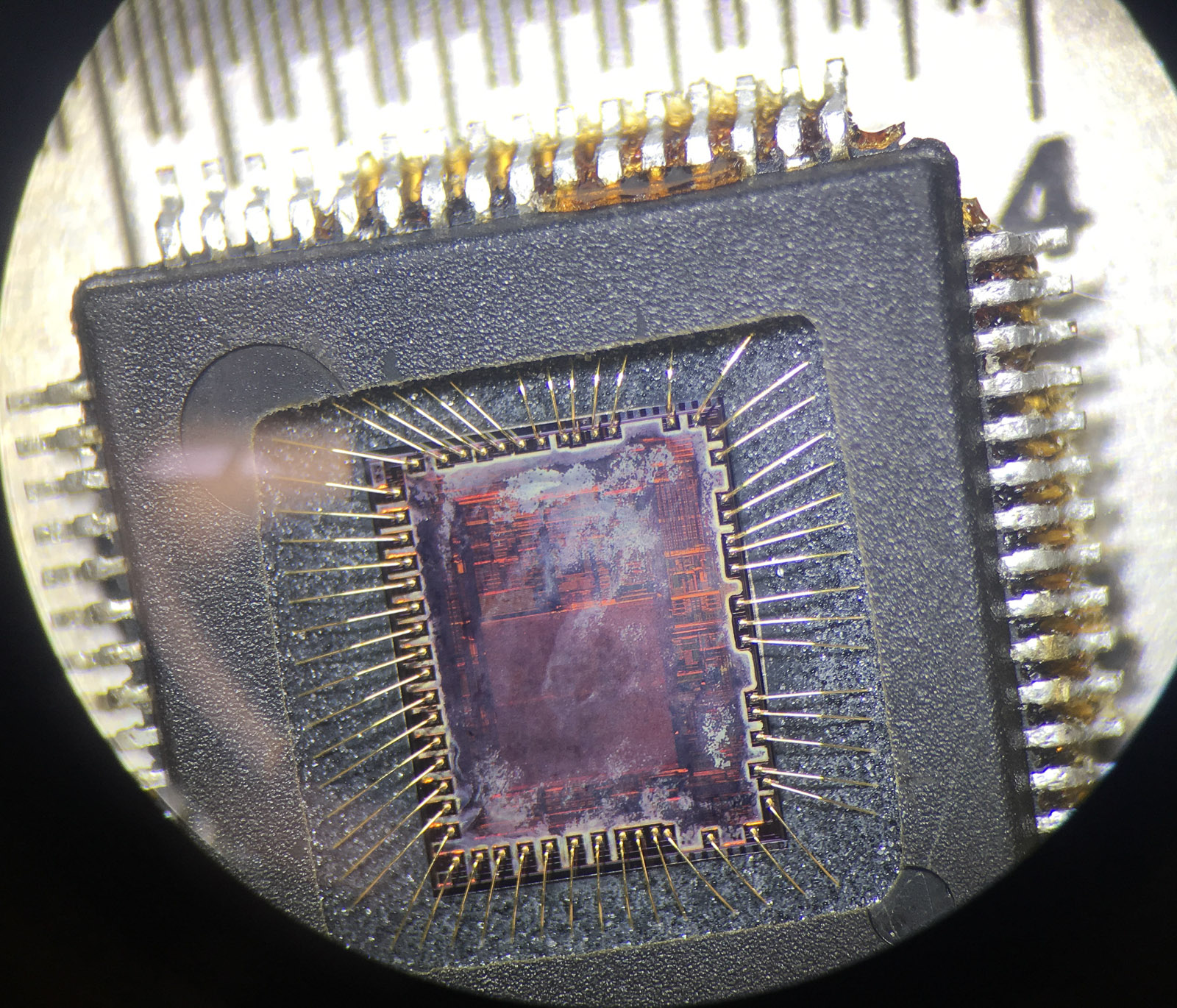
- Decapsulation and Physical Analysis
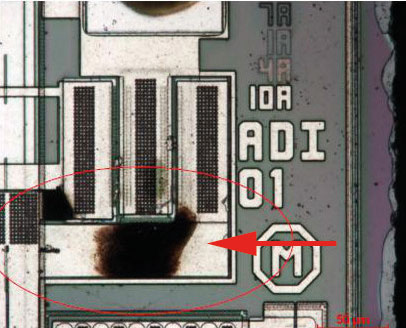
This method involves chemically or mechanically removing the chip’s protective layer to directly access the die. It allows probing the internal circuits to recover firmware, EEPROM, and flash memory content. - Voltage and Clock Glitching
By introducing sudden voltage fluctuations or clock glitches, the chip’s security mechanisms can be bypassed to extract the locked program or binary data. - Microprobing and Fault Injection
This technique enables direct access to the memory bus, allowing engineers to copy, decrypt, or dump protected files stored in the MCU. - Software Exploitation and Reverse Engineering
Firmware extraction can sometimes be achieved through vulnerabilities in the binary code, program archives, or encryption algorithms used in the chip’s architecture.
Có một số kỹ thuật phần cứng và phần mềm tiên tiến để trích xuất, đổ hoặc sao chép dữ liệu từ vi điều khiển PIC16C556A được bảo vệ:
Phân tách và phân tích vật lýPhương pháp này liên quan đến việc loại bỏ lớp bảo vệ của chip bằng phương pháp hóa học hoặc cơ học để truy cập trực tiếp vào khuôn. Phương pháp này cho phép thăm dò các mạch bên trong để khôi phục chương trình cơ sở, EEPROM và nội dung bộ nhớ flash.
Lỗi điện áp và xung nhịpBằng cách đưa vào các biến động điện áp đột ngột hoặc lỗi xung nhịp, các cơ chế bảo mật của chip có thể bị bỏ qua để trích xuất chương trình hoặc dữ liệu nhị phân bị khóa.
Dò vi mô và tiêm lỗiKỹ thuật này cho phép truy cập trực tiếp vào bus bộ nhớ, cho phép các kỹ sư sao chép, giải mã hoặc đổ các tệp được bảo vệ được lưu trữ trong MCU.
Khai thác phần mềm và kỹ thuật đảo ngượcĐôi khi có thể thực hiện trích xuất chương trình cơ sở thông qua các lỗ hổng trong mã nhị phân, kho lưu trữ chương trình hoặc thuật toán mã hóa được sử dụng trong kiến trúc của chip.
Conclusion
Breaking or hacking the PIC16C556A chip requires specialized tools and expertise in reverse engineering and security analysis. If you need assistance with firmware recovery, microcontroller cloning, or data extraction, our expert team can help with a tailored approach to safely retrieve your secured firmware and ensure your project’s continuity.
A PIC16C556A chip feltörése vagy feltörése speciális eszközöket és szakértelmet igényel a visszafejtés és a biztonsági elemzés terén. Ha segítségre van szüksége a firmware helyreállításában, a mikrokontroller klónozásában vagy az adatok kinyerésében, szakértői csapatunk személyre szabott megközelítéssel segít a védett firmware biztonságos visszanyerésében és a projekt folytonosságának biztosításában.
We can Break IC PIC16C556A Softwares, please view the IC PIC16C556A features for your reference:
Table 1-1 shows the features of the PIC16C55X(A) mid-range microcontroller families. A simplified block diagram of the PIC16C55X(A) is shown in below Figure.
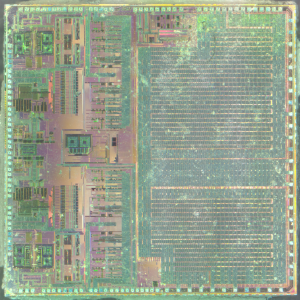
Break IC PIC16C556A Softwares
The PIC16C55X(A) series fit perfectly in applications ranging from motor control to low-power remote sensors. The EPROM technology makes customization of application programs (detection levels, pulse generation, timers, etc.) extremely fast and convenient.
The small footprint packages make this microcontroller series perfect for all applications with space limitations. Low-cost, low-power, high-performance, ease of use and I/O flexibility make the PIC16C55X(A) very versatile.
Those users familiar with the PIC16C5X family of microcontrollers will realize that this is an enhanced version of the PIC16C5X architecture. Please refer to Appendix A for a detailed list of enhancements. Code written for PIC16C5X can be easily ported to PIC16C55X(A) family of devices (Appendix B) after Break IC PIC16C556A Softwares.
The PIC16C55X(A) family fills the niche for users wanting to migrate up from the PIC16C5X family and not needing various peripheral features of other members of the PIC16XX mid-range microcontroller family.
The PIC16C55X(A) family is supported by a full-featured macro assembler, a software simulator, an in-circuit emulator, a low-cost development programmer and a full-featured programmer. A “C” compiler and fuzzy logic support tools are also available after the completion of MCU Crack.
A variety of frequency ranges and packaging options are available. Depending on application and production requirements the proper device option can be selected using the information in the PIC16C55X(A) Product Identification System section at the end of this datasheet to Break Chip PIC16F720 Firmware. When placing orders, please use this page of the data sheet to specify the correct part number.
Break IC PIC16F84 Code
All PICmicro™ microcontrollers employ an advanced RISC architecture. PIC16F8X devices have enhanced core features, eight-level deep stack, and multiple internal and external interrupt sources which can be applied for Break IC PIC16F84 Code. The separate instruction and data buses of the Harvard architecture allow a 14-bit wide instruction word with a separate 8-bit wide data bus. The two stage instruction pipeline allows all instructions to execute in a single cycle, except for program branches (which require two cycles).
A total of 35 instructions (reduced instruction set) are available. Additionally, a large register set is used to achieve a very high performance level. PIC16F8X microcontrollers typically achieve a 2:1 code compression and up to a 4:1 speed improvement (at 20 MHz) over other 8-bit microcontrollers in their class.
The PIC16F8X has up to 68 bytes of RAM, 64 bytes of Data EEPROM memory, and 13 I/O pins. A timer/counter is also available.
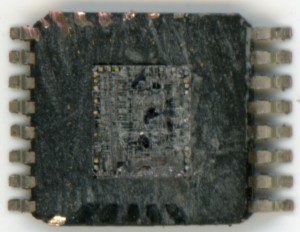
Break IC PIC16F84 Code
The PIC16CXX family has special features to reduce external components, thus reducing cost, enhancing system reliability and reducing power consumption when Break IC PIC16F84 Code.
There are four oscillator options, of which the single pin RC oscillator provides a low-cost solution, the LP oscillator minimizes power consumption, XT is a standard crystal, and the HS is for High Speed crystals when Copy IC PIC16LF877 Program. The SLEEP (power-down) mode offers power saving. The user can wake the chip from sleep through several external and internal interrupts and resets.
A highly reliable Watchdog Timer with its own on-chip RC oscillator provides protection against software lock-up. The devices with Flash program memory allow the same device package to be used for prototyping and production.
In-circuit reprogrammability allows the code to be updated without the device being removed from the end application.
This is useful in the development of many applications where the device may not be easily accessible, but the prototypes may require code updates. This is also useful for remote applications where the code may need to be updated (such as rate information).
The PIC16F8X fits perfectly in applications ranging from high speed automotive and appliance motor control to low-power remote sensors, electronic locks, security devices and smart cards. The Flash/EEPROM technology makes customization of application programs in order to Recover MCU PIC18F452 Program (transmitter codes, motor speeds, receiver frequencies, security codes, etc.) extremely fast and convenient.
The small footprint packages make this microcontroller series perfect for all applications with space limitations. Low-cost, low-power, high performance, ease-of-use and I/O flexibility make the PIC16F8X very versatile even in areas where no microcontroller use has been considered before (e.g., timer functions; serial communication; capture, compare and PWM functions; and co-processor applications). The serial in-system programming feature (via two pins) offers flexibility of customizing the product after complete assembly and testing for the process of Microcontroller Unlocking. This feature can be used to serialize a product, store calibration data, or program the device with the current firmware before shipping.
Break IC PIC16C711 Program
We can Break IC PIC16C711 Program, please view the IC PIC16C711 features for your reference:
The clock input (from OSC1) is internally divided by four to generate four non-overlapping quadrature clocks namely Q1, Q2, Q3 and Q4. Internally, the program counter (PC) is incremented every Q1, the instruction is fetched from the program memory and latched into the instruction register in Q4.
The instruction is decoded and executed during the following Q1 through Q4. The clocks and instruction execution flow is shown in Figure 3-2. An “Instruction Cycle” consists of four Q cycles (Q1, Q2, Q3 and Q4). The instruction fetch and execute are pipelined such that fetch takes one instruction cycle while decode and execute takes another instruction cycle when Attack PIC MCU 16F506 Code.
However, due to the pipelining, each instruction effectively executes in one cycle. If an instruction causes the program counter to change (e.g.GOTO) then two cycles are required to complete the instruction (Example 3-1).
A fetch cycle begins with the program counter (PC) incrementing in Q1. In the execution cycle, the fetched instruction is latched into the “Instruction Register” (IR) in cycle Q1. This instruction is then decoded and executed during the Q2, Q3, and Q4 cycles to facilitate the progress of Recover Chip PIC16C77 Code. Data memory is break during Q2 (operand break) and written during Q4 (destination write) from Break IC PIC16C711 Program.
Circuit Engineering Company Limited continues to be recognized as the Southern China Leader in Services for IC Break, MCU Crack, Chip Extract, Microcontroller Unlock service.
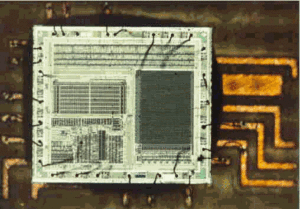
Break IC PIC16C711 Program
With the advancement of today’s modern circuit board technology, it is more important than ever to have specialists available to help you at a moment’s notice. Our engineering and commercial teams collectively have a vast amount of electronic experience covering field include Consumer Electronics, Industrial Automation Electronics, Wireless Communication Electronics., etc. For more information please contact us through email.
Break IC PIC16C74 Code
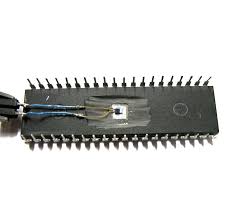
Break IC PIC16C74 Code
A variety of frequency ranges and packaging options are available. Depending on application and production requirements and the process of Break IC PIC16C74 Code, the proper device option can be selected using the information in the PIC16C7X Product Identification System section at the end of this data sheet.
When placing orders, please use that page of the data sheet to specify the correct part number.
For the PIC16C7X family, there are two device “types” as indicated in the device number:
1. C, as in PIC16C74. These devices have EPROM type memory and operate over the standard voltage range.
2. LC, as in PIC16LC74. These devices have EPROM type memory and operate over an extended voltage range.
The UV erasable version, offered in CERDIP package is optimal for prototype development and pilot programs. This version can be erased and reprogrammed to any of the oscillator modes in order to Copy MCU PIC16C554A Eeprom. Microchip’s PICSTART® Plus and PRO MATE® II programmers both support programming of the PIC16C7X.
The availability of OTP devices is especially useful for customers who need the flexibility for frequent code updates and small volume applications. The OTP devices, packaged in plastic packages, permit the user to program them once. In addition to the program memory, the configuration bits must also be programmed only after Copy Microcontroller PIC16C76 Heximal.
Microchip offers a QTP Programming Service for factory production orders. This service is made available for users who choose not to program a medium to high quantity of units and whose code patterns have stabilized.
The devices are identical to the OTP devices but with all EPROM locations and configuration options already programmed by the factory. Certain code and prototype verification procedures apply before production shipments are available.
Microchip offers a unique programming service where a few user-defined locations in each device are programmed with different serial numbers after MCU Cracking. The serial numbers may be random, pseudo-random, or sequential. Serial programming allows each device to have a unique number which can serve as an entry-code, password, or ID number.
Break IC PIC16F72A Binary
Break IC PIC16F72A Binary
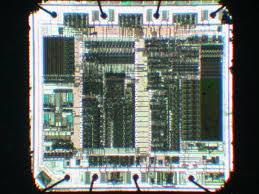
This document contains device-specific information which could be quite useful for Break IC PIC16F72A Binary. Additional information may be found in the PICmicro™ Mid-Range Reference Manual, (DS33023), which may be obtained from your local Microchip Sales Representative or downloaded from the Microchip website.
The Reference Manual should be considered a complementary document to this data sheet, and is highly recommended reading for a better understanding of the device architecture and operation of the peripheral modules.
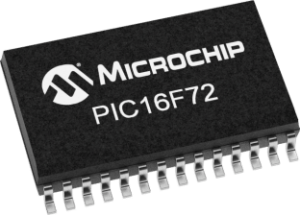
There are two devices (PIC16C72A) covered by this datasheet. The PIC16C62B does not have the A/D module implemented. The Special Function Registers are registers used by the CPU and Peripheral Modules for controlling the desired operation of the device to facilitate the process of Break MCU PIC16C717 Program. These registers are implemented as static RAM.
The STATUS register, shown in Register 2-1, contains the arithmetic status of the ALU, the RESET status and the bank select bits for data memory.
Break IC PIC16F72A Binary
The STATUS register can be the destination for any instruction, as with any other register. If the STATUS register is the destination for an instruction that affects the Z, DC or C bits in the process of MCU Crack, the write to these three bits is disabled.
These bits are set or cleared according to the device logic. The TO and PD bits are not writable. The result of an instruction with the STATUS register as destination may be different than intended. For example, CLRF STATUS will clear the upper-three bits and set the Z bit. This leaves the STATUS register as 000u u1uu (where u = unchanged).
Circuit Engineering Company Limited continues to be recognized as the Southern China Leader in Services for IC Read, MCU Break, Chip Extract, Microcontroller Reverse Engineering service. With the advancement of today’s modern circuit board technology, it is more important than ever to have specialists available to help you at a moment’s notice. Our engineering and commercial teams collectively have a vast amount of electronic experience covering field include Consumer Electronics, Industrial Automation Electronics, Wireless Communication Electronics., etc. For more information please contact us through email.
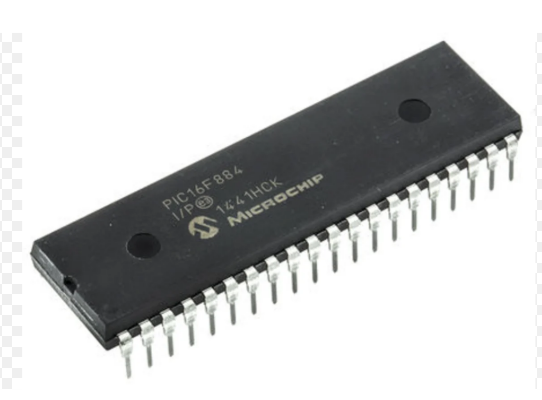
Break IC PIC16F884 Code
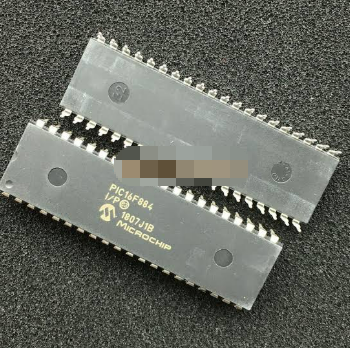
The Microchip PIC16F884 is a highly reliable 44-pin microcontroller widely adopted across global industries due to its expansive input/output capabilities and precision analog peripherals. Featuring 35 independent I/O pins, a 14-channel 10-bit Analog-to-Digital Converter, and enhanced capture-compare-PWM modules, this component serves as the core intelligence in sophisticated HVAC controllers, industrial automation machinery, automotive dashboard assemblies, and commercial security systems.
Its unique ability to manage complex timing schedules and diverse sensor arrays under extreme environmental conditions makes it a preferred choice for engineering teams building heavy-duty electronics. The internal architecture integrates a balanced hardware layout optimized for seamless instruction execution, enabling real-time diagnostic reporting and efficient power management in multi-functional smart devices. Because of its enduring legacy, many commercial infrastructure platforms still rely on this specific silicon architecture to maintain their core operational workflows.
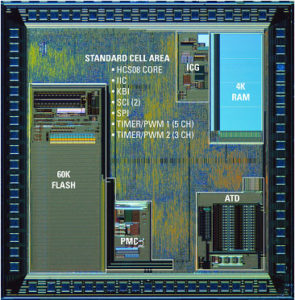
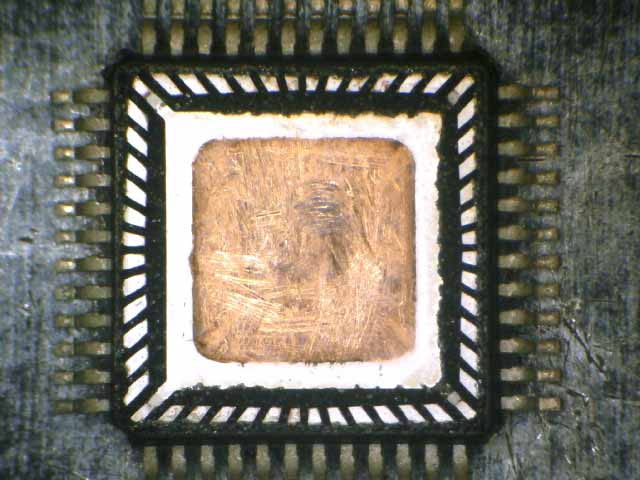
The PIC16F884 is covered by this data sheet. The PIC16F884 is available in 28-pin PDIP, SOIC, SSOP and QFN packages. The PIC16F884 is available in a 40-pin PDIP and 44-pin QFN and TQFP packages when Break IC. Figure 1-1 shows the block diagram of PIC16F882/883/886 and Figure 1-2 shows a block diagram of the PIC16F884/887 device. Table 1-1 and Table 1-2 show the corresponding pinout descriptions. The PIC16F882/883/884/886/887 has a 13-bit program counter capable of addressing a 2K x 14 (0000h-07FFh) for the PIC16F882, 4K x 14 (0000h-0FFFh) for the PIC16F883/PIC16F884, and 8K x 14 (0000h-1FFFh) for the PIC16F886/PIC16F887 program memory space.
In long-term industrial manufacturing operations, companies frequently encounter critical business disruptions when an aging system fails and the original engineering documentation is entirely missing. When an organization must recover lost intellectual assets to maintain active production lines, our specialized engineering team provides an expert technical pathway to break ic pic16f884 code. If your business needs to clone an unavailable control module or duplicate a legacy circuit board, we possess the proprietary methodologies required to decode the integrated software layers. Even when a microcontroller operates as a locked device protected by advanced hardware security bits, we can systematically attack the configuration restrictions to read the secured instructions.
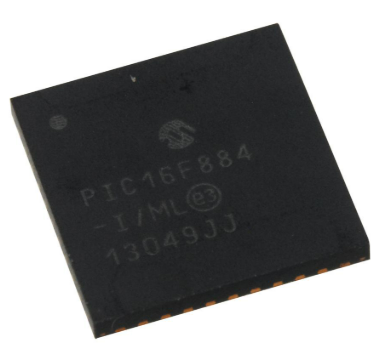
Our advanced laboratory environments allow us to safely bypass the protective mechanisms of an encrypted controller, ensuring we can retrieve the precise firmware file without damaging the underlying silicon logic. By knowing how to hack past standard validation checks, our technicians can cleanly copy a protected program from a secured chip, giving companies a viable strategy to rescue a lost archive rather than enduring an expensive redevelopment cycle.
Accessing a location above these boundaries will cause a wrap-around within the first 8K x 14 space. The Reset vector is at 0000h and the interrupt vector is at 0004h. The data memory is partitioned into four banks which contain the General Purpose Registers (GPR) and the Special Function Registers (SFR). The Special Function Registers are located in the first 32 locations of each bank. The General Purpose Registers, implemented as static RAM, are located in the last 96 locations of each Bank.
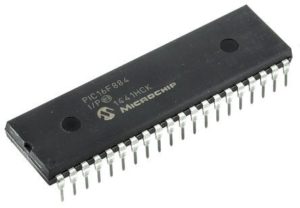
Register locations F0h-FFh in Bank 1, 170h-17Fh in Bank 2 and 1F0h-1FFh in Bank 3, point to addresses 70h-7Fh in Bank 0. The actual number of General Purpose Resisters (GPR) implemented in each Bank depends on the device. Details are shown in Figures 2-5 and 2-6. All other RAM is unimplemented and returns ‘0’ when read. RP<1:0> of the STATUS register are the bank select bits for the purpose:
RP1 RP0
→Bank 0 is selected
→Bank 1 is selected
→Bank 2 is selected
→Bank 3 is selected
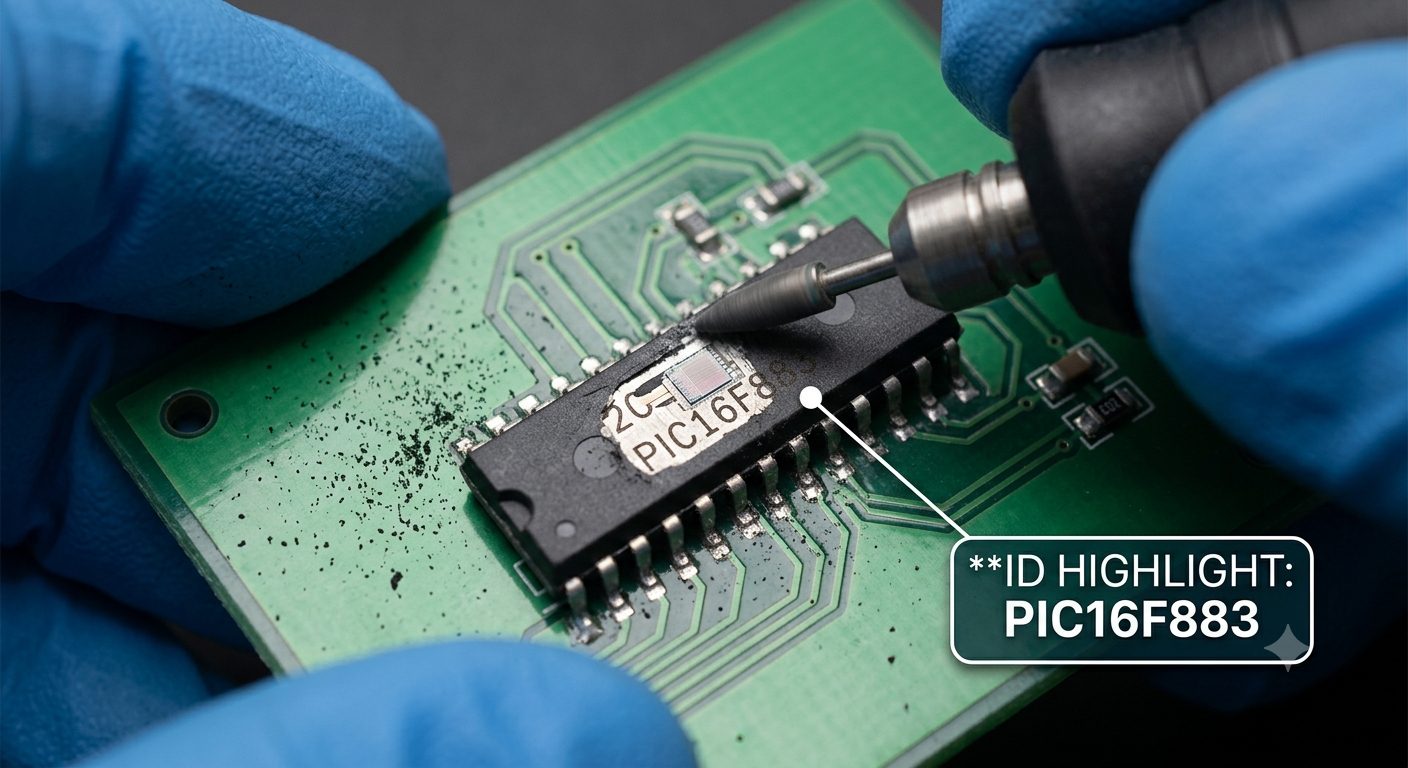
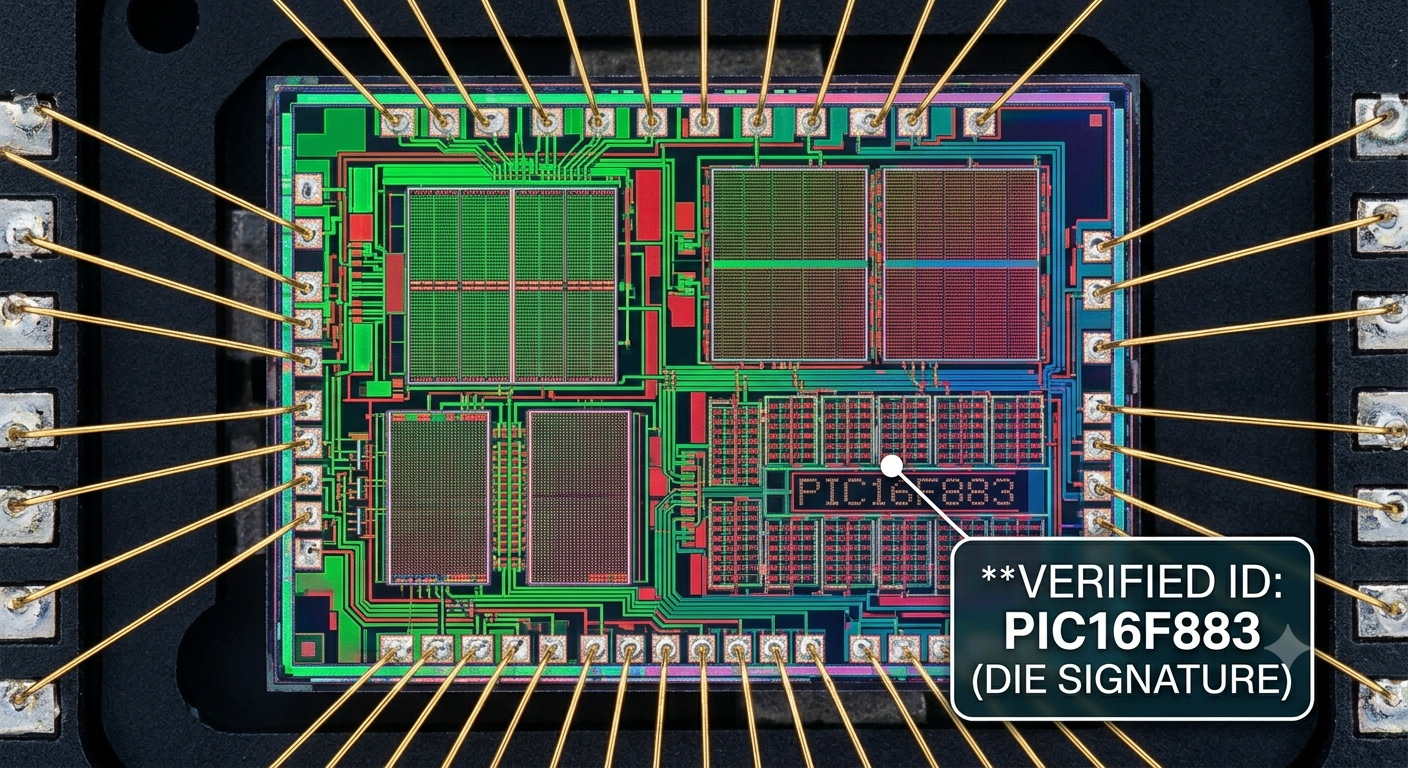
The exact technical procedure utilized to access a highly fortified chip demands a meticulous combination of physical chemistry and micro-electronic alignment. To inspect the internal layout of a secured device, our engineers use specialized micro-milling and microscopic chemical procedures to decapsulate the outer composite shell, safely exposing the inner wafer. Once the physical silicon surface is open to inspection, we analyze the embedded structures where the original operating logic is saved.
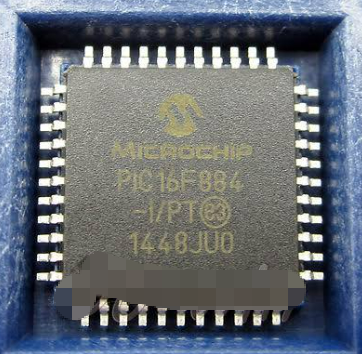
Technicians navigate through the internal circuit traces to access the on-chip flash partitions and the independent eeprom segments where sensitive operational parameters reside. By capturing the raw electrical states of the internal memory array, we extract the raw binary data strings directly from the silicon gates. This raw information is then converted back into a standard heximal format, which serves as a flawless digital mirror of the original instructions. This complete extraction pipeline effectively translates inaccessible, encrypted bits back into an organized layout that acts as a foundational source code surrogate, providing an exact blueprint of the system’s true programming.
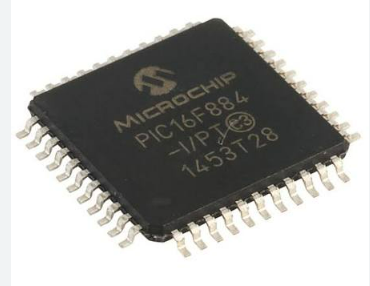
Partnering with our specialized engineering service delivers a decisive economic and operational advantage to manufacturers seeking to protect their market presence and minimize operational downtime. Instead of allocating massive budgets and thousands of engineering hours toward rewriting legacy software from absolute scratch—a process often prone to unexpected coding errors—your team can instantly regain full control over your technological assets. This efficient technical intervention dramatically lowers research and development costs, eliminates supply chain bottlenecks caused by component obsolescence, and extends the functional life of high-value industrial machinery. We ensure that every extracted delivery performs identically to the original product configuration, providing you with seamless compatibility and absolute peace of mind during equipment maintenance and component reproduction.
Break Chip PIC16F883 Eeprom
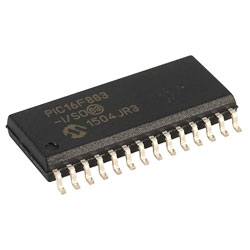
The Microchip PIC16F883 is a highly versatile 28-pin microcontroller that has found its way into countless industrial and consumer applications due to its cost-effectiveness, low power consumption, and robust peripheral set. Featuring advanced nanoWatt technology, an operating speed up to 20 MHz, and a rich assortment of internal peripherals like an Analog-to-Digital Converter (ADC) and multiple serial communication interfaces, it remains a staple in automotive control modules, medical monitoring instruments, home appliances, and smart energy meters. Its architectural layout includes robust internal non-volatile storage, making it incredibly dependable for executing complex control tasks in harsh environments. Manufacturers heavily rely on this specific microcontroller to store critical operational profiles and system instructions, ensuring long-term hardware reliability across diverse commercial sectors.
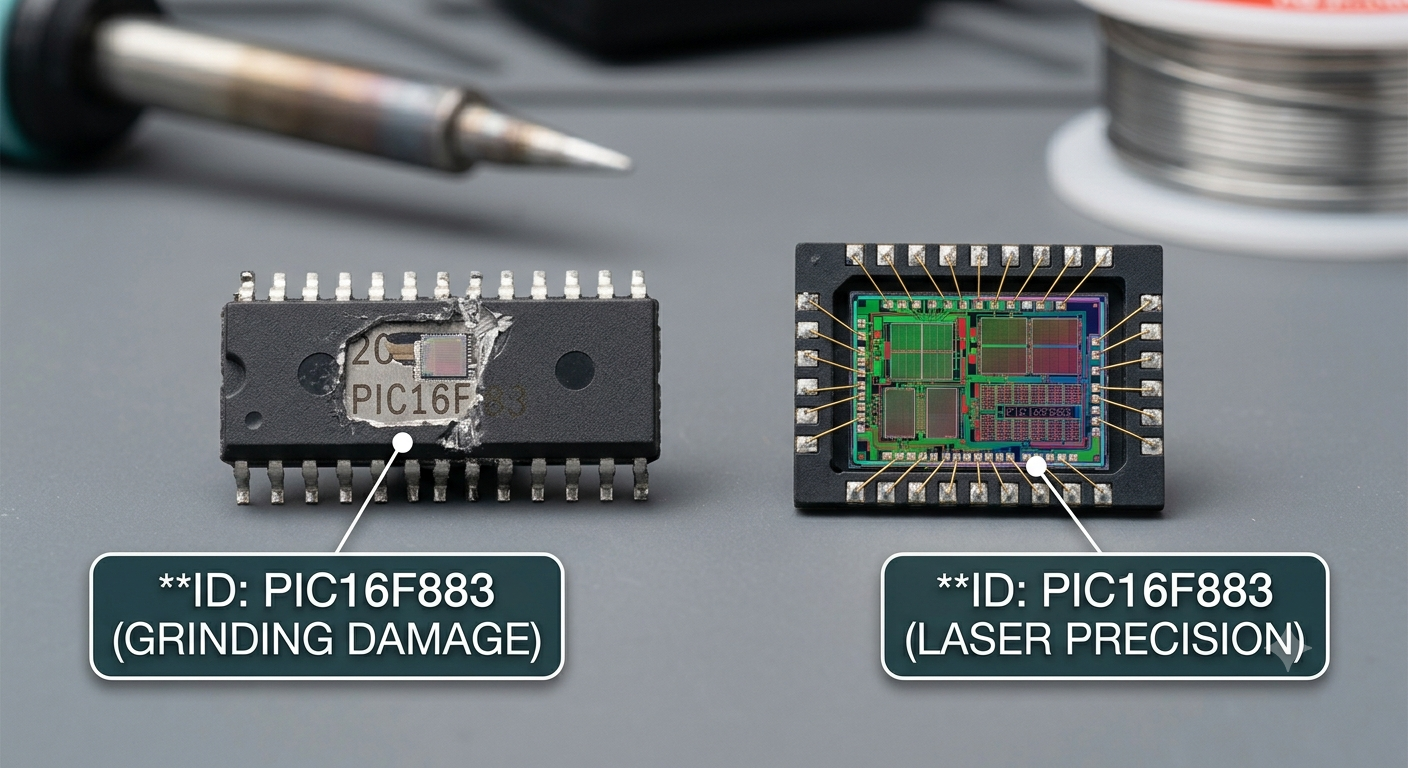
Over time, many companies face situations where they lose their original engineering records, leaving them with an operational device but no way to update or replicate the inner intelligence. When a business needs to recover lost data, our specialized engineering services offer a reliable pathway to retrieve the essential programming. If you need to clone an obsolete module or duplicate a failing control board, we possess the capabilities to safely decode the internal eeprom and extract the vital binary payload.
Even when a microcontroller is set as a locked device under high-security configurations, our team can successfully break the digital barriers to read the underlying flash segments. We systematically attack the structural boundaries of the hardware to access the hidden firmware, enabling clients to regenerate a functional program layout. By executing a clean operation to hack past standard validation checks, we ensure that the entire memory contents are precisely duplicated, allowing engineers to reconstruct a lost file or restore an operational archive without starting their development cycle from scratch.
Low-Power Features:
· Standby Current:
– 50 nA @ 2.0V, typical
· Operating Current:
– 11 ìA @ 32 kHz, 2.0V, typical
– 220 ìA @ 4 MHz, 2.0V, typical
· Watchdog Timer Current:
– 1 ìA @ 2.0V, typical
Peripheral Features:
· 24/35 I/O Pins with Individual Direction Control:
– High current source/sink for direct LED drive
– Interrupt-on-Change pin
– Individually programmable weak pull-ups
– Ultra Low-Power Wake-up (ULPWU)
· Analog Comparator Module:
– Two analog comparators
– Programmable on-chip voltage reference (CVREF) module (% of VDD)
– Fixed voltage reference (0.6V)
– Comparator inputs and outputs externally accessible
– SR Latch mode
– External Timer1 Gate (count enable)
· A/D Converter:
– 10-bit resolution and 11/14 channels
· Timer0: 8-bit Timer/Counter with 8-bit Programmable Prescaler
· Enhanced Timer1:
– 16-bit timer/counter with prescaler
– External Gate Input mode which can be used
– Dedicated low-power 32 kHz oscillator
· Timer2: 8-bit Timer/Counter with 8-bit Period Register, Prescaler and Postscaler
· Enhanced Capture, Compare, PWM+ Module:
– 16-bit Capture, max. resolution 12.5 ns
– Compare, max. resolution 200 ns
– 10-bit PWM with 1, 2 or 4 output channels, programmable “dead time”, max. frequency 20 kHz
– PWM output steering control
· Capture, Compare, PWM Module:
– 16-bit Capture, max. resolution 12.5 ns
– 16-bit Compare, max. resolution 200 ns
– 10-bit PWM, max. frequency 20 kHz
· Enhanced USART Module:
– Supports RS-485, RS-232, and LIN 2.0
– Auto-Baud Detect
– Auto-Wake-Up on Start bit
· In-Circuit Serial ProgrammingTM (ICSPTM) via Two Pins
· Master Synchronous Serial Port (MSSP) Module supporting 3-wire SPI (all 4 modes) and I2C™
Master and Slave Modes with I2C Address Mask
The technical process required to handle a highly secured component involves advanced hardware engineering methodologies. To extract the underlying information from a protected microcontroller, technicians must physically decapsulate the outer epoxy molding compound to expose the internal silicon wafer. Once the die is accessible, specialized laboratory equipment is utilized to bypass the protective coating layers that prevent direct optical or electrical measurement. Analysts then read the embedded logic directly from the silicon structures, navigating around any encrypted pathways or hardware fuses designed to restrict external access.
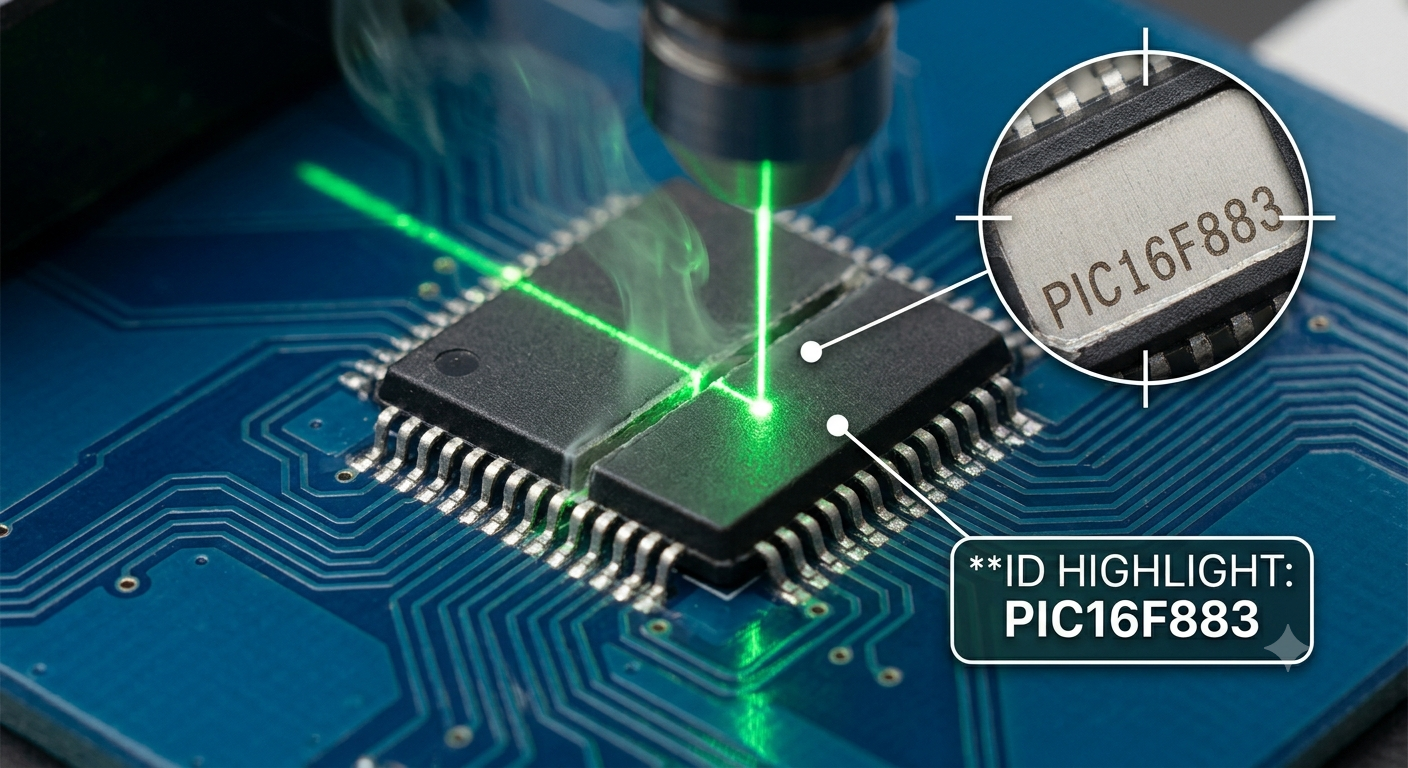
This careful physical manipulation allows us to safely isolate the internal memory arrays where the original program code resides. Once the silicon-level access is established, the engineering team can read out the exact heximal data strings that represent the core operating logic. This complex process turns a seemingly inaccessible piece of hardware into an accessible source code structure, ensuring that every byte of the original configuration is compiled cleanly into a deployable delivery format.
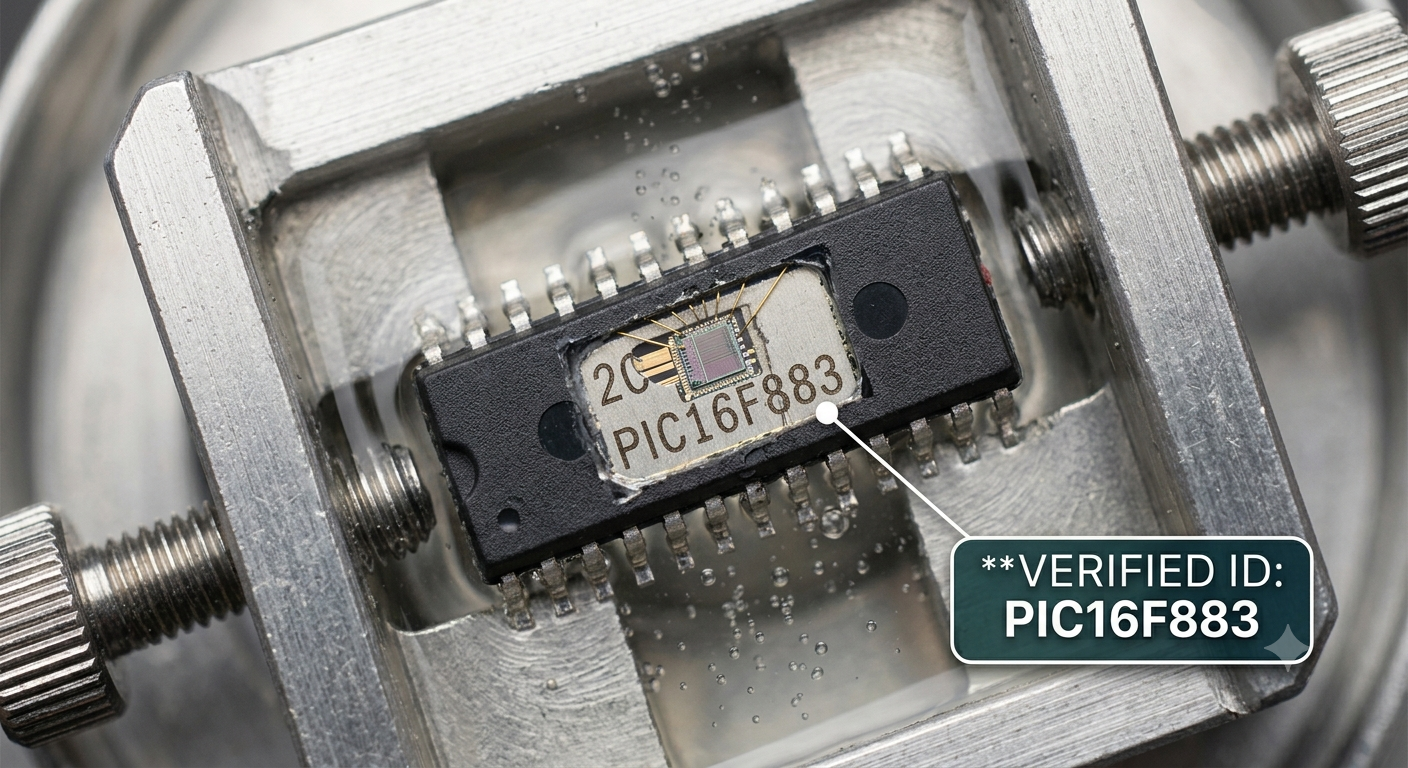
Utilizing our premium engineering service provides substantial advantages to manufacturers and developers looking to safeguard their operational continuity. Instead of spending months re-engineering a legacy system from the ground up, businesses can directly obtain the precise operational assets needed to sustain their product lifecycles. This drastically reduces research and development expenses, accelerates time-to-market for replacement components, and mitigates the risks associated with component obsolescence. Our dedication to precision ensures that the recovered code behaves identically to the original system, giving you complete confidence and control over your legacy technological assets.