 Crack Microcontroller IC Source Code
 June 12th, 2013 |
  Author:
 A microcontroller is often the central control element of an electronic product, combining processing capability, peripheral interfaces, and non-volatile storage in a compact device. Across industrial automation, automotive electronics, medical equipment, telecommunications, consumer appliances, security systems, instrumentation, and specialized control equipment, an embedded microcontroller or MCU may contain years of valuable engineering development. Depending on the architecture, application firmware, configuration data, and executable program information can reside in internal flash, eeprom, or other memory resources.
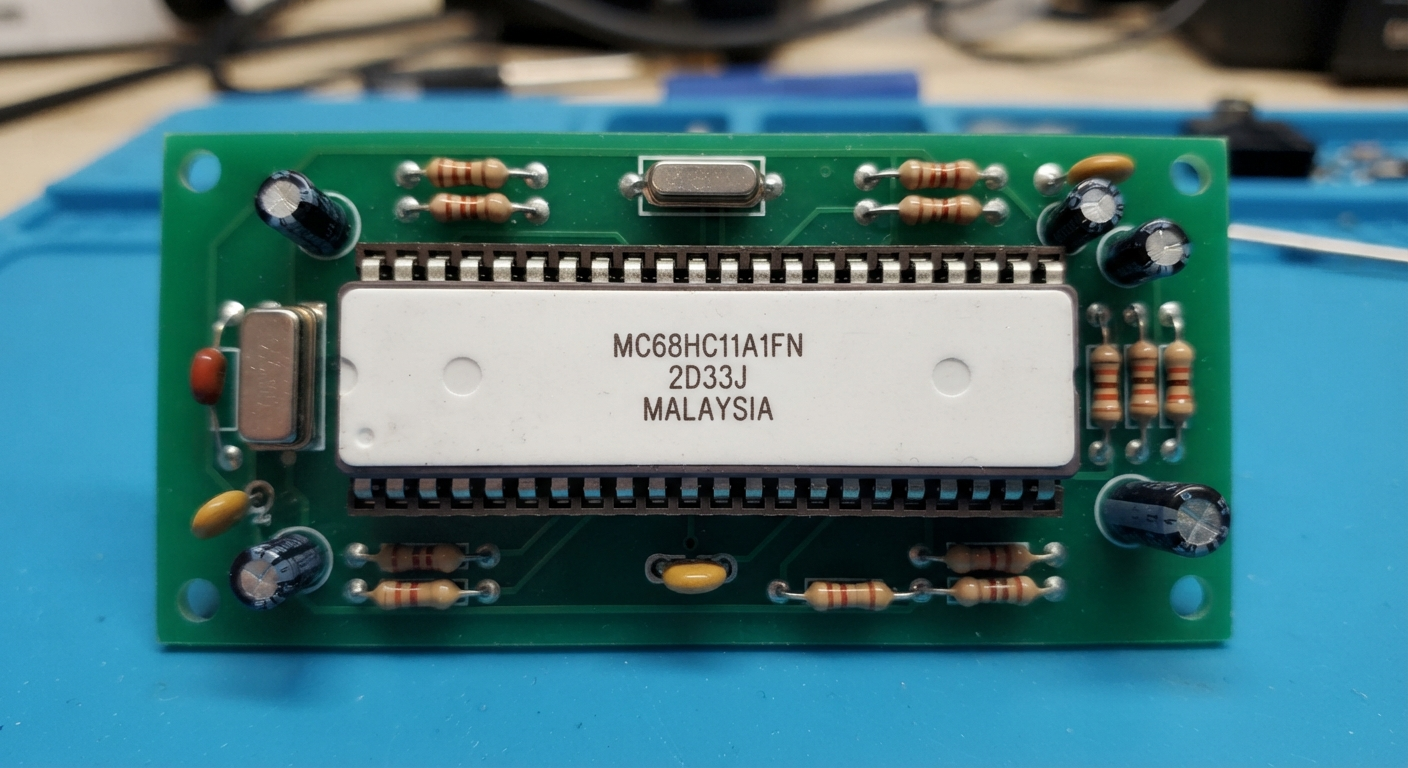
When the original development environment is lost, recovering information from an existing IC can become important for maintenance and product continuity. Our “crack microcontroller ic source code” service is designed for authorized customers who need to investigate existing hardware, preserve embedded software assets, and reconstruct engineering information from legacy products. Because the original source code is not normally stored literally inside every microcontroller, professional recovery may involve analysis of available binary, heximal, firmware, configuration data, and surrounding hardware behavior rather than simply copying a source-code file.
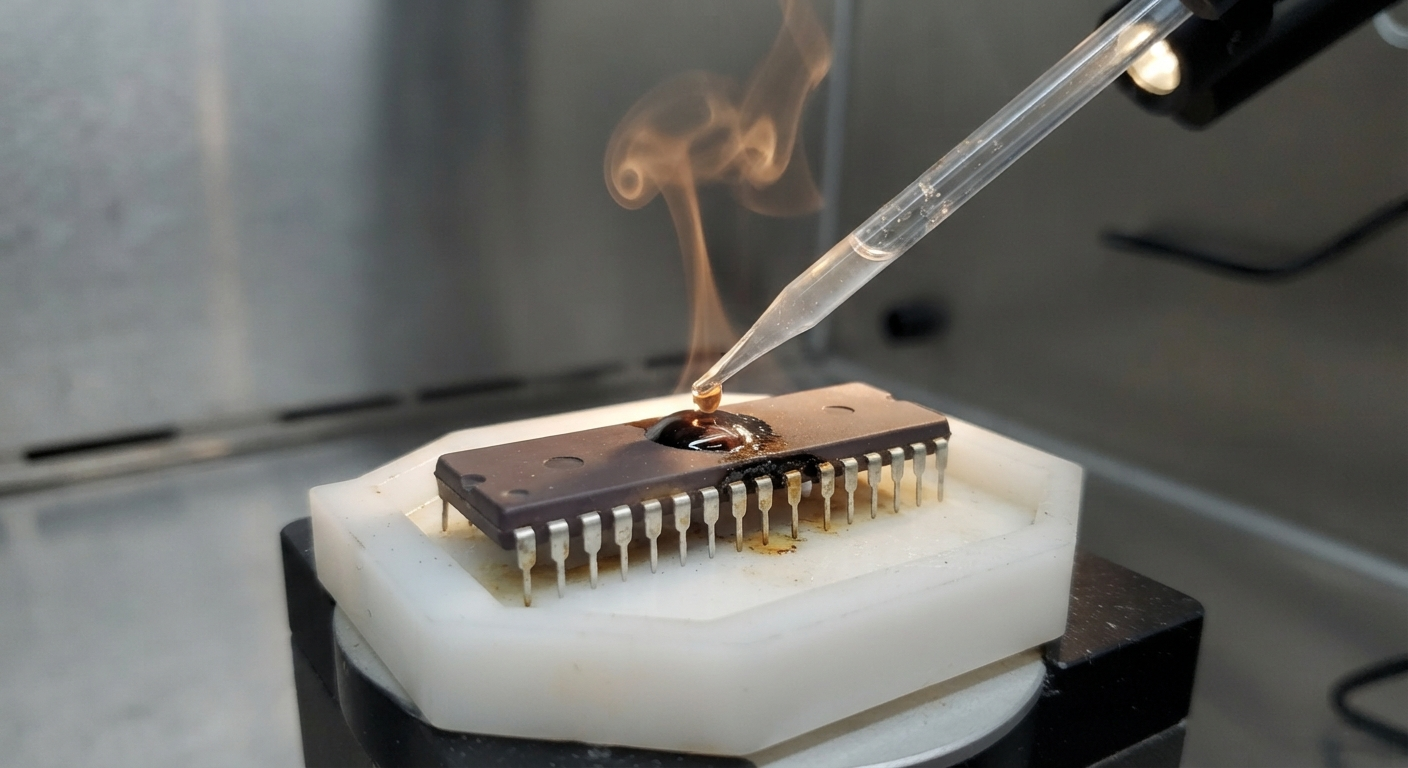
For wet and dry etching, each type of material requires certain etchants to be used. Some of them have very high selectivity and remove only the desired layer; others affect many layers at a time. For example, silicon and polysilicon can be etched with a mixture of hydrofluoric acid HF and nitric acid HNO3, but HF etches silicon oxide as well.
Our engineering team approaches each project according to the architecture and condition of the target microprocessor, MCU, or IC. The first stage is a technical assessment of the device, PCB, available documentation, and storage configuration. Engineers then determine whether useful firmware, binary, heximal, program, or configuration data can be retrieved from the available memory. Depending on the semiconductor technology, advanced laboratory analysis may include carefully controlled decapsulate examination to investigate internal structures when conventional access is insufficient.
Recovered information can be processed and decoded into organized engineering file and archive resources, while software analysis can help reconstruct program behavior and produce a practical representation of the original design. Customers may refer to this work as attack, break, or hack, particularly when a device has protective, protected, locked, secured, or encrypted storage. In professional engineering work, however, the purpose is authorized recovery and preservation rather than unauthorized intrusion. Where technically feasible, the resulting information may support controlled clone evaluation, duplicate development, troubleshooting, redesign, or migration to a replacement platform.
Other etchants are used for specific purposes, such as doping etchants with a doping-dependent etch rate to make visible doping fronts and p-n junctions. Such etchants are used, for example, to make visible the contents of VTROM in modern smartcards [8]. More information about different etchants and etching technology can be found in the literature on failure analysis techniques.
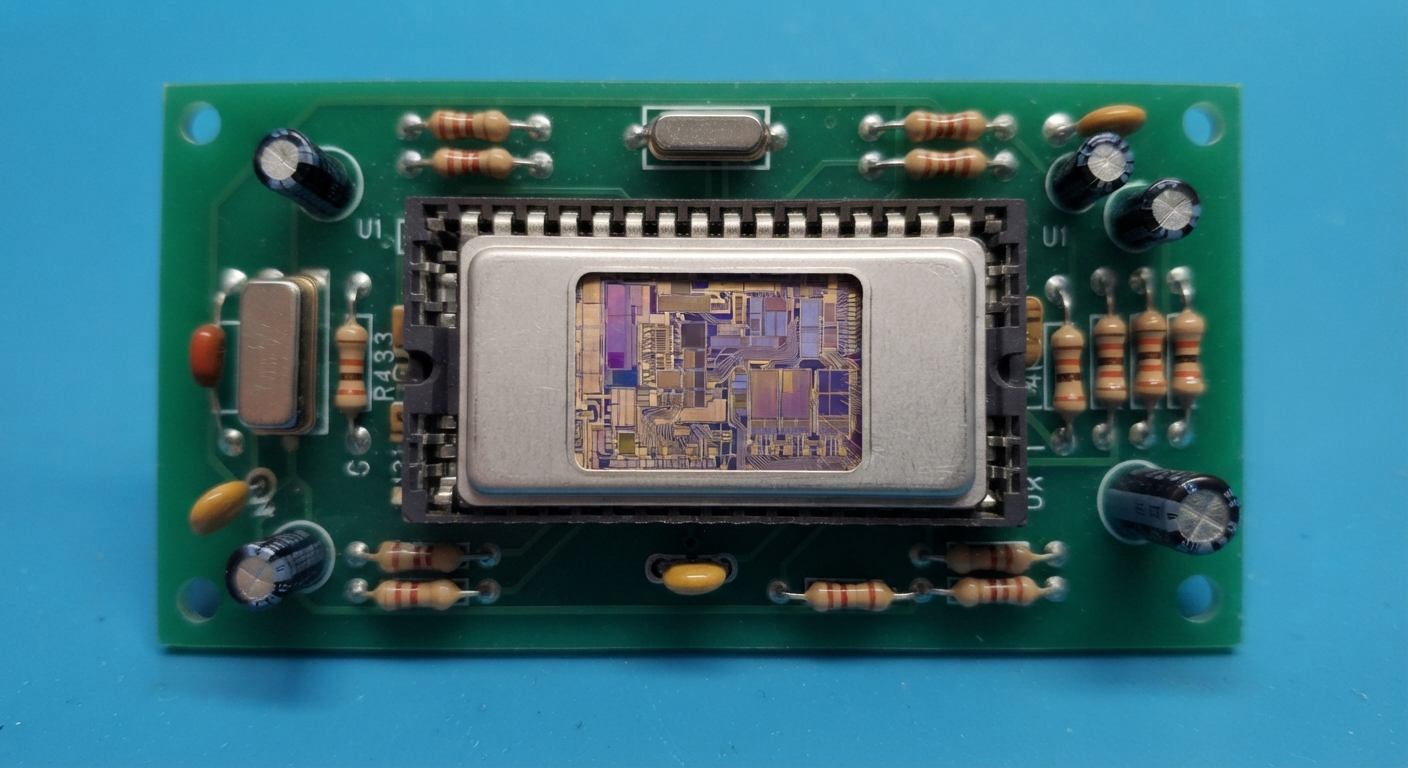
Recovering embedded software requires more than obtaining a raw memory image. Engineers must establish whether the recovered binary is complete, determine which sections represent executable program information, and distinguish application firmware from configuration parameters or unrelated storage areas. Hardware behavior provides an important reference during this process: signal activity, peripheral functions, communication interfaces, and system responses can help correlate recovered data with the original application.
For a locked or encrypted device, the achievable result depends on the specific architecture and protection mechanism, so no universal recovery method can be assumed. Where appropriate, semiconductor-level analysis can complement conventional firmware investigation and help clarify the relationship between the physical IC and its embedded information. The final engineering package may therefore contain a recovered firmware image, validated binary or heximal files, reconstructed program documentation, memory maps, functional observations, and organized archive records rather than literal original source code.
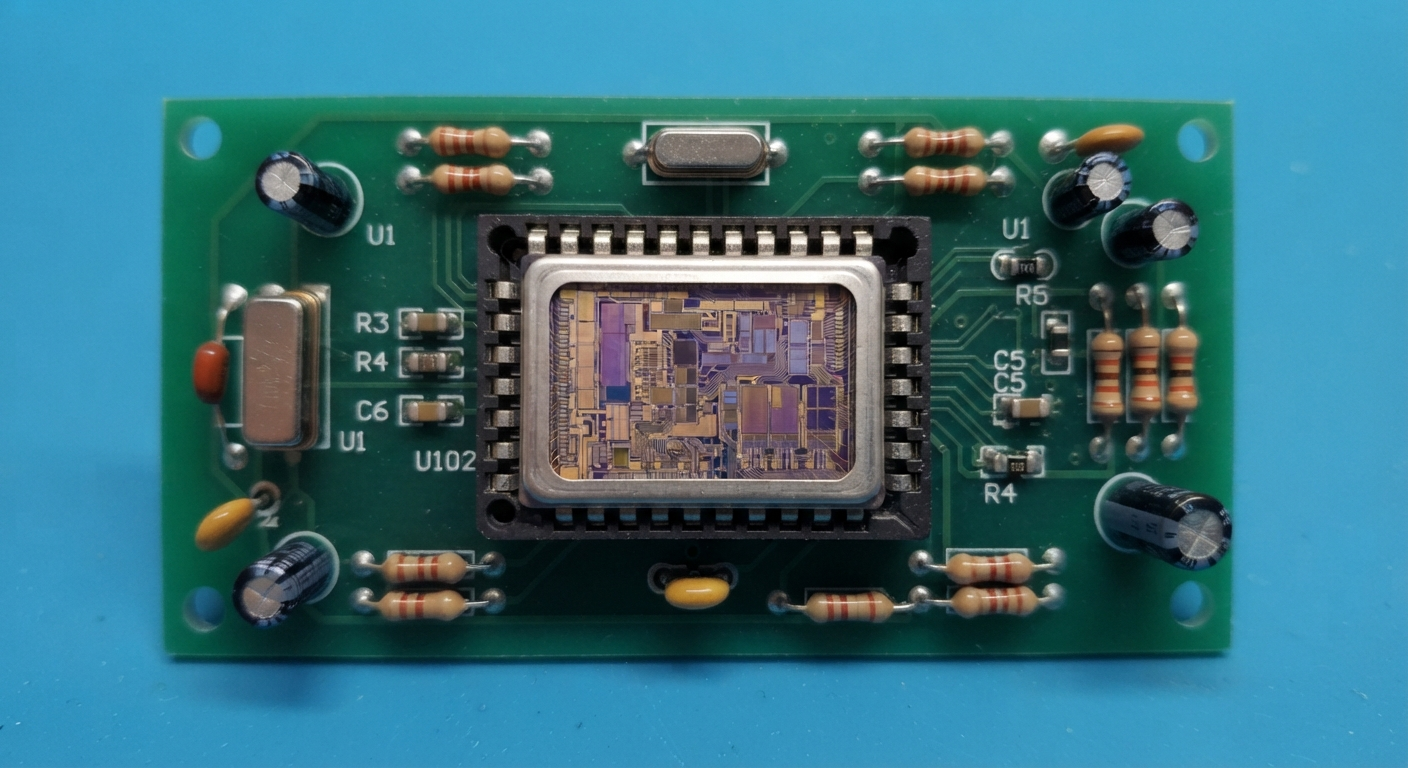
For manufacturers, repair companies, engineering organizations, and authorized product owners, professional microcontroller source-code recovery can provide substantial lifecycle advantages. Instead of recreating a mature electronic product entirely from the beginning, engineering teams can use recovered firmware, program information, and technical documentation as a foundation for maintenance and modernization.
This can reduce redevelopment effort, support discontinued equipment, facilitate replacement-board production, and preserve valuable embedded intellectual property. It can also help organizations migrate an established design to a newer microcontroller while retaining an understanding of the original system behavior. By combining hardware investigation, firmware analysis, semiconductor examination, and structured documentation, our service provides a practical pathway for recovering valuable embedded resources from existing MCU and IC platforms and turning inaccessible engineering information into reusable technical assets.
 Posted in Break IC