PostHeaderIcon Attack ATmega MCU Embeded Firmware

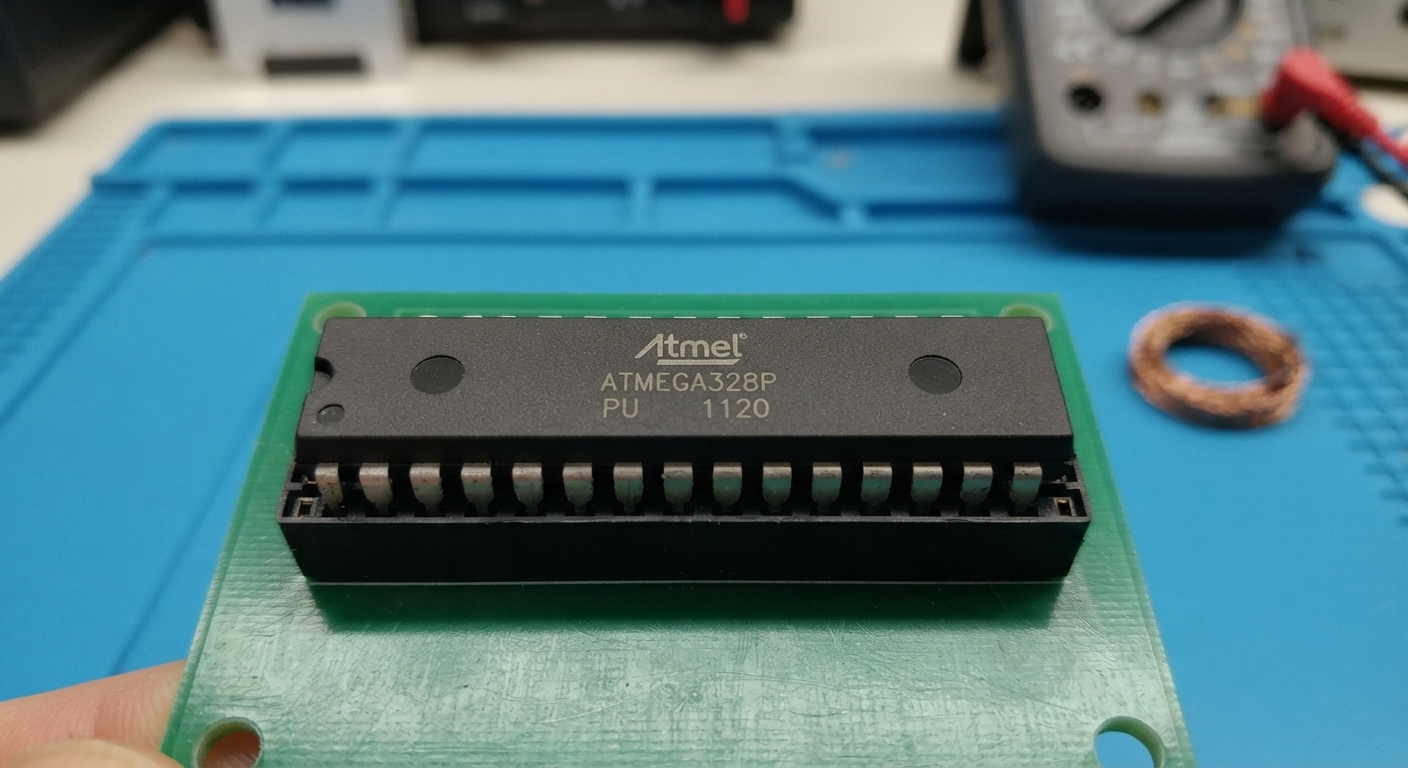
The atmega family has become one of the most recognizable platforms in embedded electronics, providing a practical combination of processing capability, integrated peripherals, non-volatile storage, low power operation, and straightforward system integration. Atmega mcu devices can be found in industrial controllers, instrumentation, consumer appliances, access-control equipment, automation modules, communication products, educational devices, and numerous custom electronic systems. In these applications, the microcontroller is responsible for executing application logic while its internal flash and eeprom can hold important firmware, configuration data, calibration parameters, and program information.
Kurtarılan bilgiler daha sonra alınabilir, düzenlenebilir ve mühendislik değerlendirmesi için kullanışlı dosya ve arşiv formatlarında çözümlenebilir. Müşteriler bir projeyi gömülü bir cihaza saldırma, güvenlik mekanizmasını kırma veya hackleme girişimi olarak tanımladığında, profesyonel amaç yetkisiz erişim değil, yetkili veri kurtarma olmaya devam eder. Cihazlar koruyucu, korumalı, kilitli, güvenliği sağlanmış veya şifrelenmiş yapılandırmalar içerebilir ve içeriklerinin kurtarılabilirliği belirli mimariye ve kullanılan koruma yöntemine bağlıdır. Kurtarma işleminin teknik olarak mümkün ve uygun şekilde yetkilendirilmiş olduğu durumlarda, elde edilen firmware kaynakları kontrollü kopya değerlendirmesini, çoğaltılmış ürün geliştirmeyi, ürün bakımını, uyumluluk doğrulamasını ve eksik teknik dokümantasyonun yeniden oluşturulmasını destekleyebilir.

This makes the embedded software a critical part of the overall product, particularly when a system has been manufactured for many years. Unfortunately, original development projects and engineering archive files can become unavailable as companies change suppliers, designers leave, or legacy computers are retired. A customer may still possess a functioning ATMEGA-based board but no longer have its original source code, binary, or heximal programming file. Our “attack atmega mcu embeded firmware” service addresses this type of authorized engineering requirement by analyzing existing hardware and helping customers preserve valuable embedded software information.

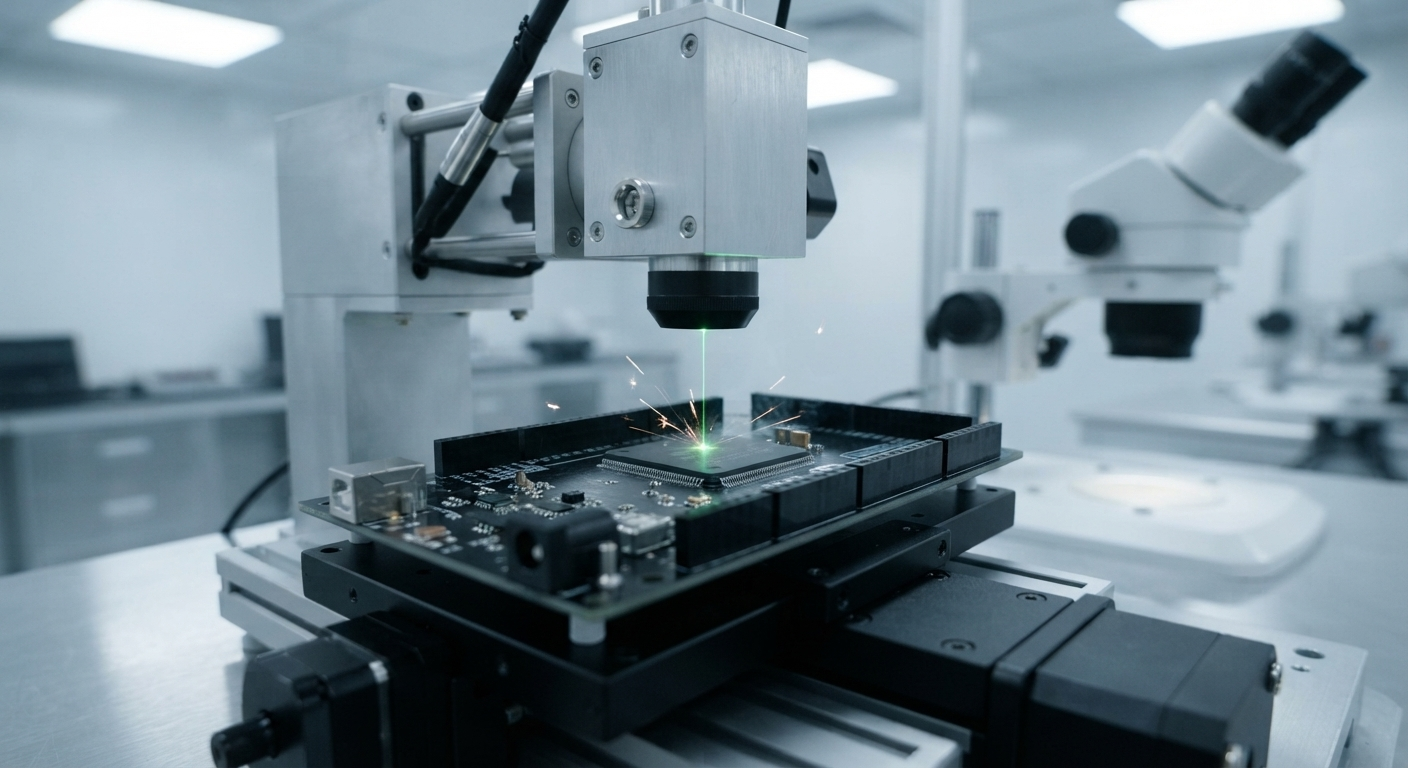
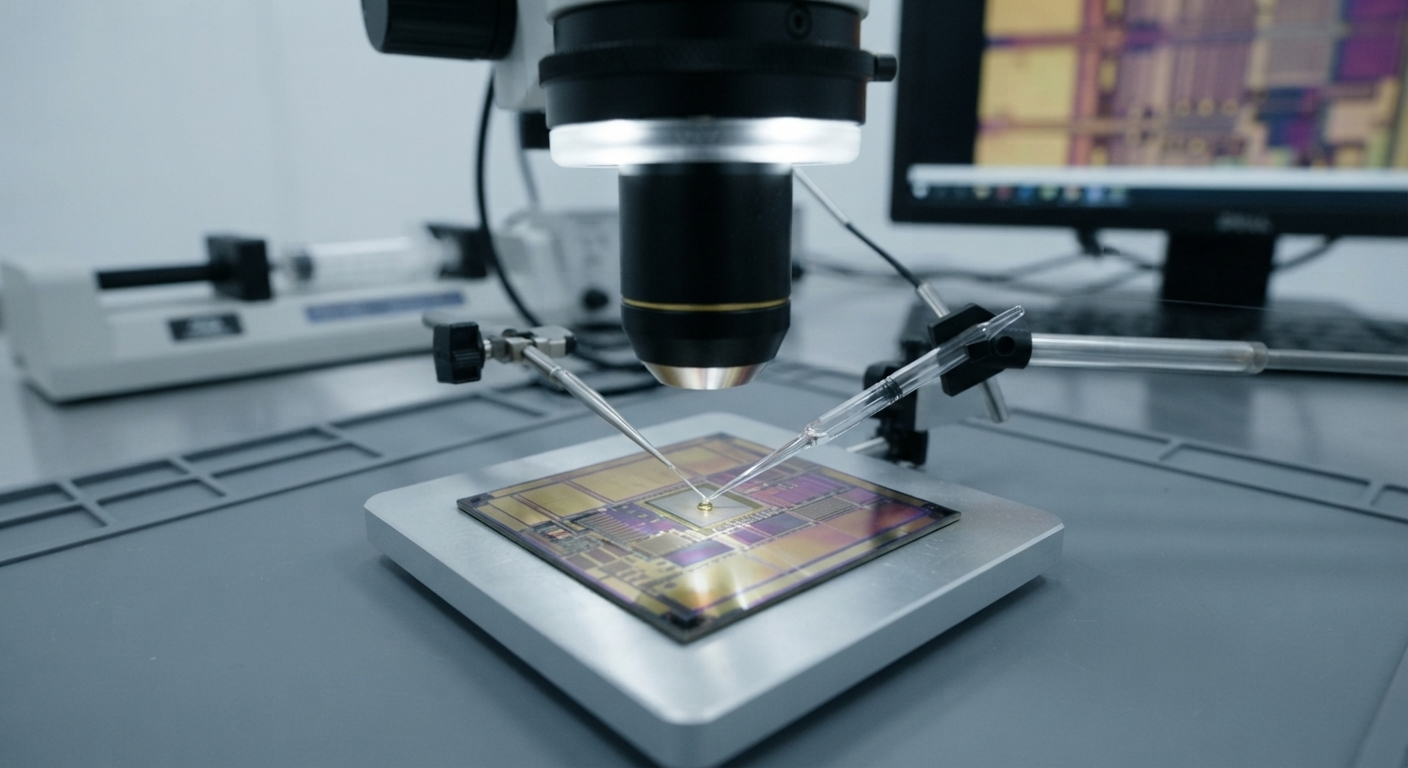
Attack ATmega MCU encryption system by using focus ion beam technique which one of the most commonly used Microcontroller unlocking methods to cut off the security fuse bit and readout Embeded Firmware from microprocessor memory;
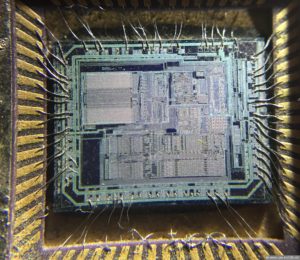
Attack ATmega MCU encryption system by using focus ion beam technique which one of the most commonly used Microcontroller unlocking methods to cut off the security fuse bit and readout Embeded Firmware from microprocessor memory

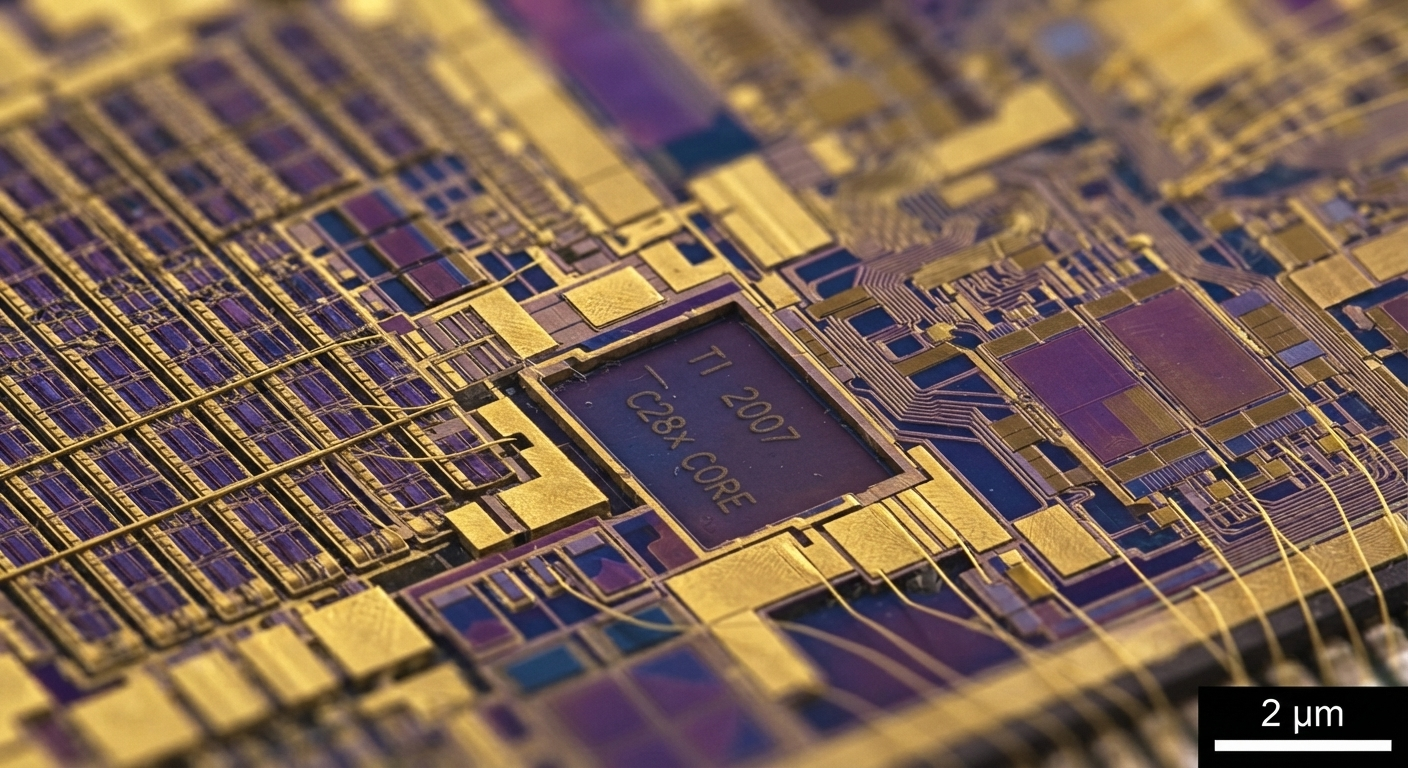
The opposite process to chip fabrication is called deprocessing. A standard CMOS chip has many layers. The deepest doping layers inside the substrate form the transistors. The gate oxide layer isolates the gate from the active area of the transistors. The polysilicon layer on top of it forms the gates and interconnections. The interlayer oxide isolates conducting layers.

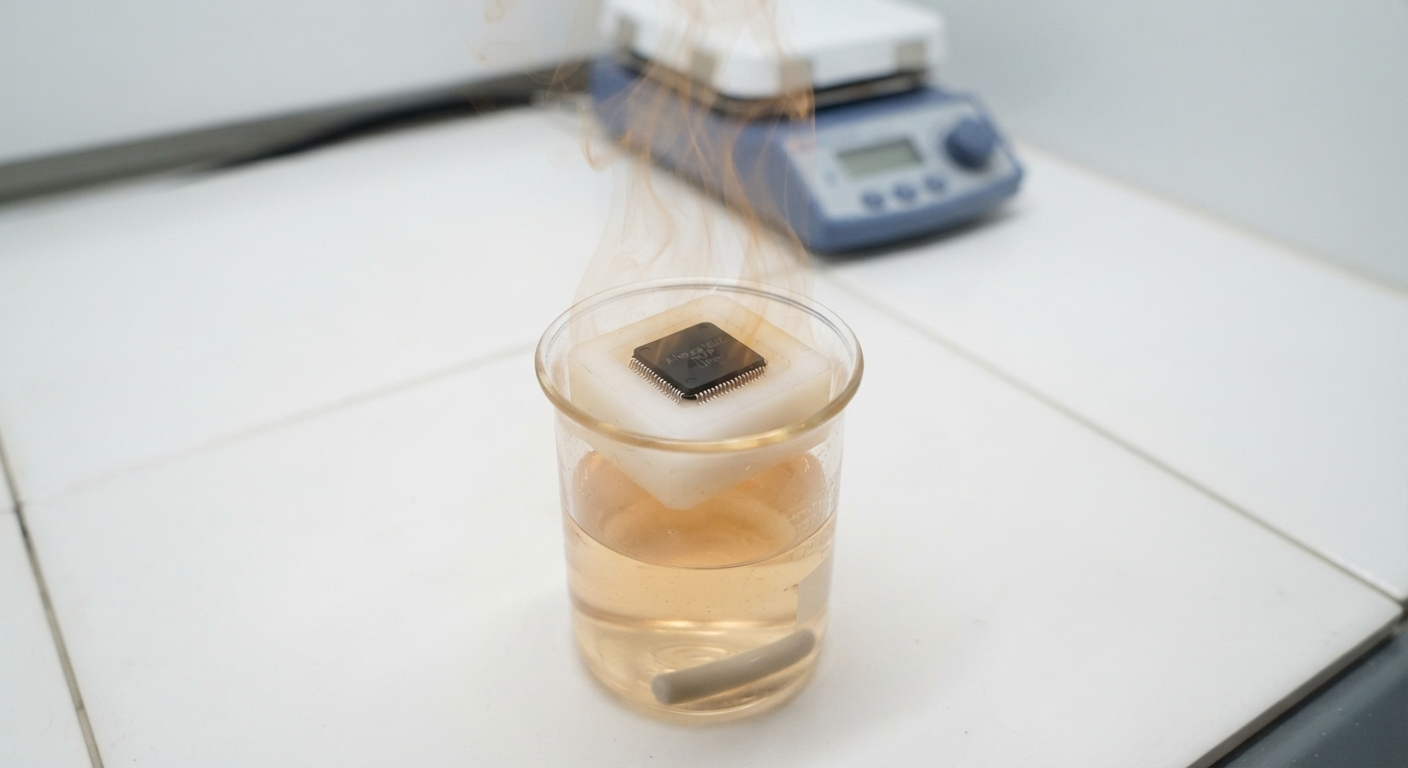
Our recovery methodology starts with a technical evaluation of the target atmega mcu, its PCB, available documentation, and the condition of its internal memory. Engineers assess whether useful firmware, binary, heximal, program, and configuration data can be recovered and what form the final engineering output can realistically take. Depending on the specific device and project requirements, laboratory analysis may include controlled semiconductor examination and carefully managed decapsulate procedures to investigate difficult internal structures. Recovered information can then be retrieved, organized, and decoded into practical file and archive formats for engineering assessment.
Відновлену інформацію потім можна отримати, систематизувати та розшифрувати у практичні формати файлів і архівів для інженерної оцінки. Коли клієнти описують проєкт як спробу атакувати, зламати або здійснити хакерське втручання вбудованого пристрою, професійною метою залишається авторизоване відновлення, а не несанкціонований доступ. Пристрої можуть містити захисні, захищені, заблоковані, безпечно налаштовані або зашифровані конфігурації, а можливість відновлення їхнього вмісту залежить від конкретної архітектури та схеми захисту. Якщо відновлення є технічно можливим і належним чином авторизованим, отримані ресурси мікропрограми можуть підтримувати контрольовану оцінку копії, розробку дубліката, технічне обслуговування продукції, перевірку сумісності та реконструкцію відсутньої технічної документації.

When customers describe a project as an attempt to attack, break, or hack an embedded device, the professional objective remains authorized recovery rather than unauthorized access. Devices may contain protective, protected, locked, secured, or encrypted configurations, and the feasibility of recovering their contents depends on the particular architecture and protection scheme. Where recovery is technically possible and properly authorized, the resulting firmware resources can support controlled clone evaluation, duplicate development, product maintenance, compatibility verification, and reconstruction of missing technical documentation. The recovered information may also help engineers understand the relationship between the application program, peripheral configuration, and hardware behavior.

Metal layers, usually made of aluminium (Al), form the signal wires, and they are connected with other layers through ‘via’ plugs (Al, W, Ti). Finally, a passivation layer made out of silicon oxide SiO2 or nitride Si3N4 protects the whole structure from moisture and air which could harm the die. In plastic packages the passivation layer is covered with a polymer layer, usually polyimide, to protect against sharp grains in the compound during the package formation.
Odzyskane informacje można następnie pobrać, uporządkować i odszyfrować do praktycznych formatów plików i archiwów na potrzeby oceny inżynieryjnej. Gdy klienci opisują projekt jako próbę zaatakowania, złamania zabezpieczeń lub zhakowania urządzenia embedded, profesjonalnym celem pozostaje autoryzowane odzyskiwanie danych, a nie nieuprawniony dostęp. Urządzenia mogą zawierać konfiguracje ochronne, chronione, zablokowane, zabezpieczone lub zaszyfrowane, a możliwość odzyskania ich zawartości zależy od konkretnej architektury i zastosowanego schematu zabezpieczeń. Jeżeli odzyskanie danych jest technicznie możliwe i odpowiednio autoryzowane, uzyskane zasoby firmware mogą wspierać kontrolowaną ocenę kopii, rozwój duplikatu, konserwację produktu, weryfikację kompatybilności oraz rekonstrukcję brakującej dokumentacji technicznej.

An important part of the work is distinguishing a raw memory image from useful engineering information. A recovered binary does not automatically constitute the original source code, because compiled firmware normally contains machine instructions rather than the developer’s original comments, variable names, and project files. Engineers therefore analyze the recovered data together with the behavior of the original circuit. Communication interfaces, input/output functions, timing characteristics, peripheral activity, and system responses can provide valuable evidence for interpreting the firmware structure. This is particularly useful when a legacy product must be repaired or transferred to a new production environment.

Although the primary focus of this service is the ATMEGA platform, similar principles can apply to other microprocessor, microcontroller, and embedded architectures. The requested keyword dsp or texas instrument, for example, relates to a different class of processor technology, but the broader requirement for firmware preservation, documentation recovery, and lifecycle support is comparable. Depending on the project, the final package may include validated firmware images, organized binary or heximal files, reconstructed program documentation, memory information, and technical archive materials.
Získané informace lze následně načíst, uspořádat a dekódovat do praktických formátů souborů a archivů pro technické posouzení. Když zákazníci popisují projekt jako pokus napadnout, prolomit nebo hacknout vestavěné zařízení, profesionálním cílem zůstává autorizované obnovení dat, nikoli neoprávněný přístup. Zařízení mohou obsahovat ochranné, chráněné, uzamčené, zabezpečené nebo šifrované konfigurace a možnost obnovení jejich obsahu závisí na konkrétní architektuře a použitém systému ochrany. Pokud je obnovení technicky možné a řádně autorizované, mohou získané zdroje firmwaru podporovat kontrolované hodnocení kopie, vývoj duplikátu, údržbu produktu, ověřování kompatibility a rekonstrukci chybějící technické dokumentace.

For manufacturers, maintenance providers, and authorized engineering teams, recovering ATMEGA firmware can provide significant practical benefits. It can reduce the cost of recreating an established product, preserve engineering knowledge, support discontinued equipment, and provide a foundation for future redesign. Instead of abandoning a proven electronic platform because its original software files have disappeared, an organization can investigate the existing mcu and determine what embedded resources remain available.

Recovered firmware, program information, and technical file records can help with replacement-board development, troubleshooting, product modernization, and migration to a newer microcontroller. By combining embedded-system expertise, memory analysis, firmware reconstruction, and semiconductor investigation, our service helps customers preserve valuable technology contained within existing ATMEGA hardware and extend the useful life of mature electronic products.
Informațiile recuperate pot fi apoi extrase, organizate și decriptate în formate practice de fișiere și arhive pentru evaluarea inginerească. Atunci când clienții descriu un proiect ca pe o încercare de a ataca, sparge sau hackui un dispozitiv embedded, obiectivul profesional rămâne recuperarea autorizată, nu accesul neautorizat. Dispozitivele pot conține configurații de protecție, protejate, blocate, securizate sau criptate, iar posibilitatea recuperării conținutului acestora depinde de arhitectura specifică și de schema de protecție utilizată. Atunci când recuperarea este posibilă din punct de vedere tehnic și este autorizată în mod corespunzător, resursele firmware rezultate pot sprijini evaluarea controlată a unei copii, dezvoltarea unui duplicat, mentenanța produsului, verificarea compatibilității și reconstrucția documentației tehnice lipsă.

Comments are closed.