Archive for the ‘Recover MCU’ Category
 Attack Microchip PIC18F2525 Processor Memory
 August 8th, 2018 |
  Author:
 Attack Microchip PIC18F2525 processor memory can help engineer restore embedded firmware in the format of binary source code or heximal data file from secured microcontroller PIC18F2525 flash program memory and eeprom data memory, then copy/write source code to new PIC18F2525 encrypted MCU;
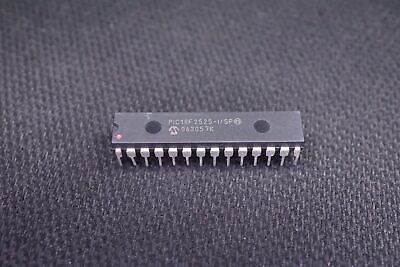
attack Microchip PIC18F2525 processor memory can help engineer restore embedded firmware in the format of binary source code or heximal data file from secured microcontroller PIC18F2525 flash program memory and eeprom data memory, then copy/write source code to new PIC18F2525 encrypted MCU;
The OSCCON register (Register 2-2) controls several aspects of the device clock’s operation which can provide critical support for Attack Microchip PIC18F2525 Processor Memory, both in full power operation and in power-managed modes to Decode Atmel AVR Processor ATMEGA169P Locked Code.
The System Clock Select bits, SCS1:SCS0, select the clock source. The available clock sources are the primary clock (defined by the FOSC3:FOSC0 Configu- ration bits), the secondary clock (Timer1 oscillator) and the internal oscillator block by Unlock Microcontroller Program. The clock source changes immediately after one or more of the bits is written to, following a brief clock transition interval. The SCS bits are cleared on all forms of Reset.
Attack Microchip PIC18F2525 Processor Memory
The Internal Oscillator Frequency Select bits (IRCF2:IRCF0) select the frequency output of the internal oscillator block to drive the device clock. The choices are the INTRC source, the INTOSC source (8 MHz) or one of the frequencies derived from the INTOSC postscaler for the purpose of Break Protected AVR Chip ATTINY24V Firmware (31.25 kHz to 4 MHz).
If the internal oscillator block is supplying the device clock, changing the states of these bits will have an immedi- ate change on the internal oscillator’s output. On device Resets, the default output frequency of the internal oscillator block is set at 1 MHz.
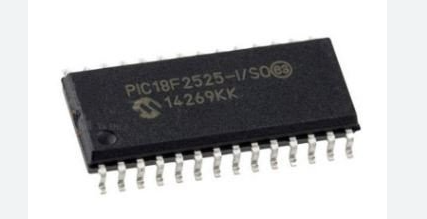
يمكن أن تساعد ذاكرة معالج PIC18F2525 من Microchip المهندس في استعادة البرامج الثابتة المضمنة بتنسيق كود المصدر الثنائي أو ملف البيانات السداسي من ذاكرة برنامج فلاش PIC18F2525 الخاصة بالميكروكنترولر المؤمنة وذاكرة بيانات EEPROM، ثم نسخ / كتابة كود المصدر إلى وحدة التحكم الدقيقة المشفرة PIC18F2525 الجديدة؛
When a nominal output frequency of 31 kHz is selected (IRCF2:IRCF0 = 000), users may choose which inter- nal oscillator acts as the source for Attack Microchip PIC18F2525 Processor Memory. This is done with the INTSRC bit in the OSCTUNE register (OSCTUNE<7>). Setting this bit selects INTOSC as a 31.25 kHz clock source by enabling the divide-by-256 output of the INTOSC postscaler.
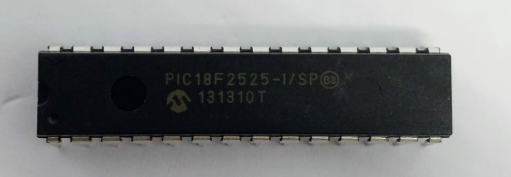
L’attacco alla memoria del processore Microchip PIC18F2525 può aiutare l’ingegnere a ripristinare il firmware incorporato nel formato di codice sorgente binario o file di dati esadecimali dalla memoria di programma flash protetta del microcontrollore PIC18F2525 e dalla memoria dati eeprom, quindi copiare/scrivere il codice sorgente sul nuovo MCU crittografato PIC18F2525;
Clearing INTSRC selects INTRC (nominally 31 kHz) as the clock source, and disables the INTOSC clock source.
This option allows users to select the tunable and more precise INTOSC as a clock source, while maintaining power savings with a very low clock speed in order to Recover ATMEL AVR ATTINY44V Flash Code. Regardless of the setting of INTSRC, INTRC always remains the clock source for features such as the Watchdog Timer and the Fail-Safe Clock Monitor.

атака Паметта на процесора Microchip PIC18F2525 може да помогне на инженера да възстанови вградения фърмуер във формат на двоичен изходен код или шестнадесетичен файл с данни от защитена флаш програмна памет PIC18F2525 на микроконтролера и памет за данни на eeprom, след което да копира/запише изходния код в нов PIC18F2525 криптиран MCU;
 Posted in
Reverse Engineering PIC18F2520 Controller
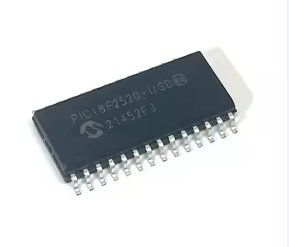
Reverse engineering PIC18F2520 controller protective system and crack locked microchip MCU PIC18F2520 fuse bit in order to decrypt embedded binary or heximal firmware from PIC18F2520 microprocessor flash program memory and eeprom data memory;
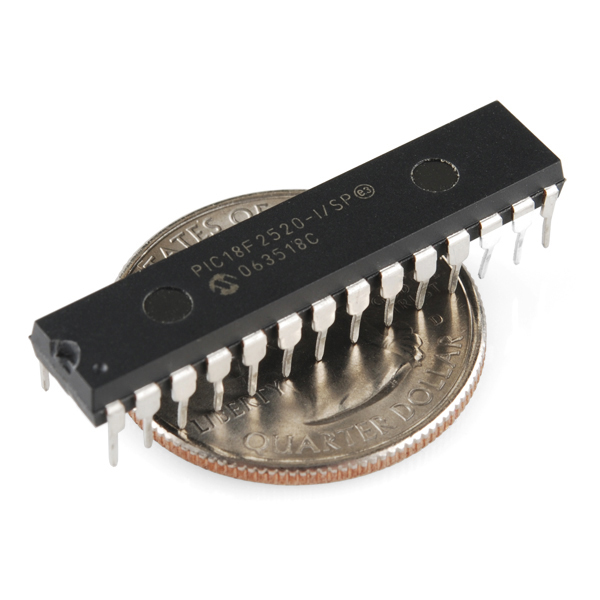
reverse engineering PIC18F2520 controller protective system and crack locked microchip MCU PIC18F2520 fuse bit in order to decrypt embedded binary or heximal firmware from PIC18F2520 microprocessor flash program memory and eeprom data memory;
The factory calibrates the internal oscillator block output (INTOSC) for 8 MHz after Crack MCU Firmware. However, this frequency may drift as VDD or temperature changes, which can affect the process of Reverse Engineering PIC18F2520 Controller operation in a variety of ways. It is possible to adjust the INTOSC frequency by modifying the value in the OSCTUNE register. This has no effect on the INTRC clock source frequency by Restore Atmel Controller ATmega88P Source Code.
Tuning the INTOSC source requires knowing when to make the adjustment, in which direction it should be made and in some cases, how large a change is needed. Three compensation techniques are discussed in Section 2.6.5.1 “Compensating with the EUSART”, Section 2.6.5.2 “Compensating with the Timers” and Section 2.6.5.3 “Compensating with the CCP Module in Capture Mode”, but other techniques may be used when Recover Protected Microcontroller ATmega169V Internal Memory.
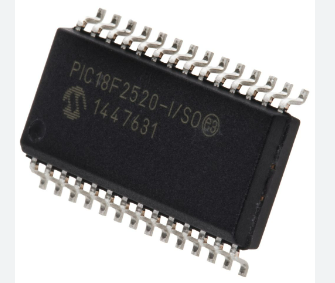
inżynieria wsteczna układu zabezpieczającego kontroler PIC18F2520 i złamanie zablokowanego bitu bezpiecznika mikroprocesora PIC18F2520 w celu odszyfrowania wbudowanego oprogramowania układowego binarnego lub heksadecymalnego z pamięci programu flash mikroprocesora PIC18F2520 i pamięci danych EEPROM;
bit 7 INTSRC: Internal Oscillator Low-Frequency Source Select bit
1 = 31.25 kHz device clock derived from 8 MHz INTOSC source (divide-by-256 enabled)
0 = 31 kHz device clock derived directly from INTRC internal oscillator bit 6 PLLEN: Frequency Multiplier PLL for INTOSC Enable bit(1)
1 = PLL enabled for INTOSC (4 MHz and 8 MHz only)
0 = PLL disabled
bit 5 Unimplemented: Read as ‘0’
bit 4-0 TUN4:TUN0: Frequency Tuning bits
01111 = Maximum frequency
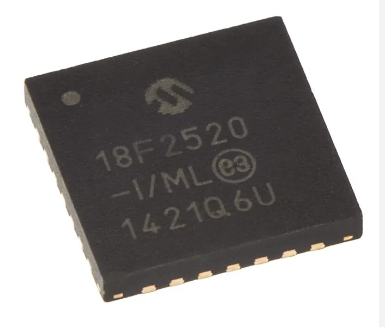
PIC18F2520 denetleyici koruma sisteminin tersine mühendisliği ve PIC18F2520 mikroişlemci flaş program belleğinden ve eeprom veri belleğinden gömülü ikili veya heksimal aygıt yazılımını şifresini çözmek için kilitli mikroçip MCU PIC18F2520 sigorta biti;
• •
• •
00001
00000 = Center frequency. Oscillator module is running at the calibrated frequency.
11111
• •
• •
10000 = Minimum frequency
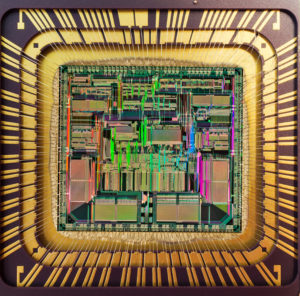
An adjustment may be required when the EUSART begins to generate framing errors or receives data with errors while in Asynchronous mode by Clone Microprocessor Flash Memory Protection Method. Framing errors indicate that the device clock frequency is too high; to adjust for this, decrement the value in OSCTUNE to reduce the clock frequency by Reverse Engineering PIC18F2520 Controller.
Reverse Engineering PIC18F2520 Controller
On the other hand, errors in data may suggest that the clock speed is too low; to compensate, increment OSCTUNE to increase the clock frequency. This technique compares device clock speed to some reference clock for the purpose of Replicate Locked IC TS80C52X2 Heximal. Two timers may be used; one timer is clocked by the peripheral clock, while the other is clocked by a fixed reference source, such as the Timer1 oscillator.
مهندسی معکوس سیستم حفاظتی کنترلر PIC18F2520 و میکروچیپ قفل شده با فیوز MCU PIC18F2520 به منظور رمزگشایی سیستم عامل باینری یا هگزیمال تعبیه شده از حافظه برنامه فلش ریزپردازنده PIC18F2520 و حافظه داده eeprom.
Copy PIC18F2480 MCU Locked Heximal
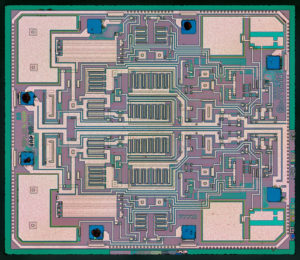
Copy PIC18F2480 Microchip MCU locked heximal out from secured microcontroller PIC18F2480 flash program memory and eeprom data memory needs to unlock protective PIC18F2480 microprocessor’s fuse bit, read embedded firmware out of binary file or heximal source code;
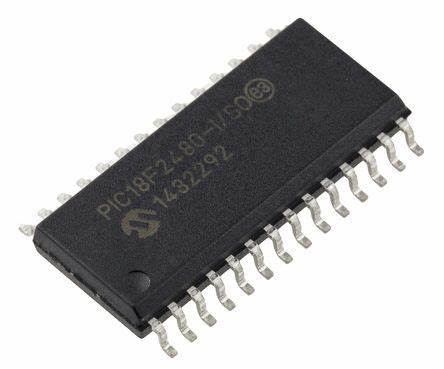
copy PIC18F2480 Microchip MCU locked heximal out from secured microcontroller PIC18F2480 flash program memory and eeprom data memory needs to unlock protective PIC18F2480 microprocessor’s fuse bit, read embedded firmware out of binary file or heximal source code;
Using the internal oscillator as the clock source eliminates the need for up to two external oscillator pins when Crack MCU Firmware, which can then be used for digital I/O and Copy PIC18F2480 MCU Locked Heximal. Two distinct configurations are available:
- In INTIO1 mode, the OSC2 pin outputs FOSC/4, while OSC1 functions as RA7 for digital input and output.
- In INTIO2 mode, OSC1 functions as RA7 and OSC2 functions as RA6, both for digital input and output.

copiar PIC18F2480 Microchip MCU bloqueado heximal de la memoria de programa flash PIC18F2480 del microcontrolador protegido y la memoria de datos EEPROM necesita desbloquear el bit fusible del microprocesador PIC18F2480 protector, leer el firmware incorporado del archivo binario o código fuente heximal;
The internal oscillator block is calibrated at the factory to produce an INTOSC output frequency of 8.0 MHz when Recover Atmel AVR Controller ATmega48V Firmware.
The INTRC oscillator operates independently of the INTOSC source. Any changes in INTOSC across voltage and temperature are not necessarily reflected by changes in INTRC and vice versa.
Copy PIC18F2480 MCU Locked Heximal
The internal oscillator’s output has been calibrated at the factory but can be adjusted in the user’s applica- tion. This is done by writing to the OSCTUNE register from Break Atmel AVR MCU ATmega8535L Heximal.
When the OSCTUNE register is modified, the INTOSC frequency will begin shifting to the new frequency. The INTOSC clock will stabilize within 1 ms. Code execu- tion continues during this shift after Break IC ATmega88V Internal Flash. There is no indication that the shift has occurred.
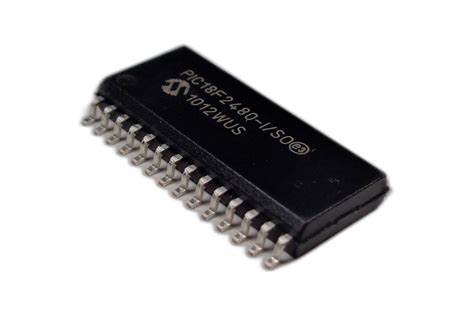
скопируйте заблокированный шестнадцатеричный код микроконтроллера PIC18F2480 из защищенного микроконтроллера. Необходимо разблокировать защитный бит предохранителя микропроцессора PIC18F2480 во флэш-памяти программ и памяти данных EEPROM, считать встроенную прошивку из двоичного файла или шестнадцатеричного исходного кода;
The OSCTUNE register also implements the INTSRC and PLLEN bits, which control certain features of the internal oscillator block. The INTSRC bit allows users to select which internal oscillator provides the clock source when the 31 kHz frequency option is selected when Restore Microprocessor Program Most Important Two Steps. This is covered in greater detail in Section 2.7.1 “Oscillator Control Register”. The PLLEN bit controls the operation of the frequency multiplier, PLL, in Internal Oscillator modes.
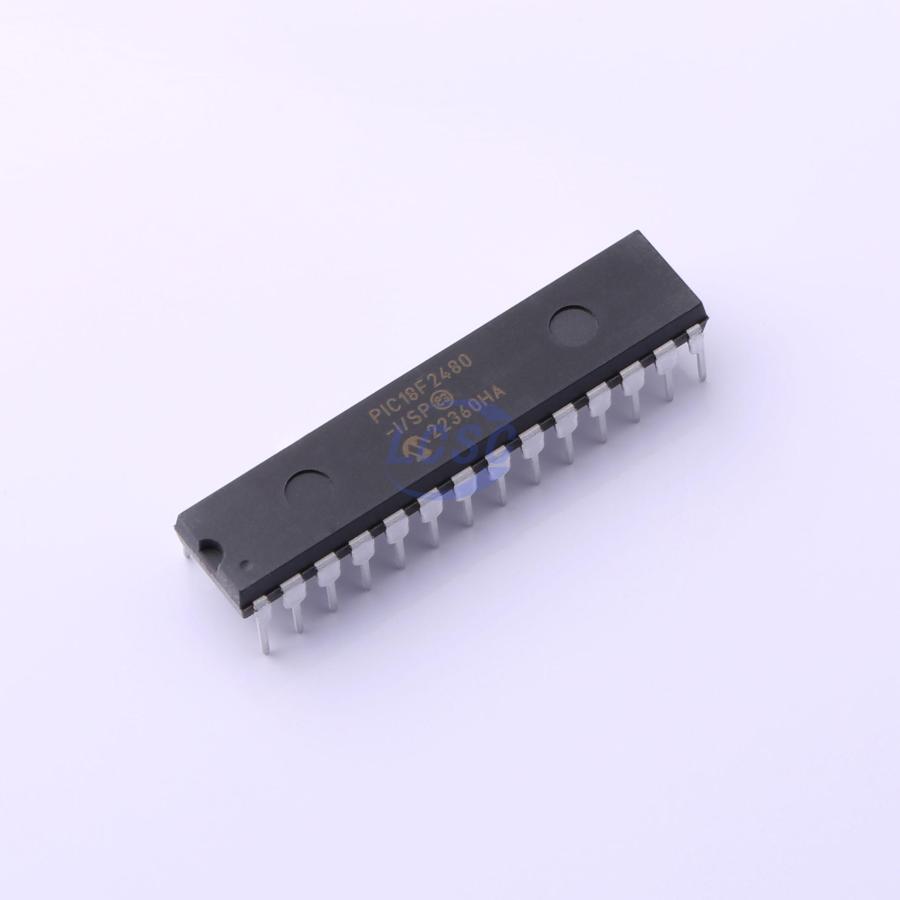
PIC18F2480 마이크로칩 MCU를 보안 마이크로컨트롤러 PIC18F2480 플래시 프로그램 메모리와 EEPROM 데이터 메모리에서 잠긴 16진수를 복사하여 보호 PIC18F2480 마이크로프로세서의 퓨즈 비트를 잠금 해제하고, 이진 파일이나 16진수 소스 코드에서 임베디드 펌웨어를 읽어야 합니다.
Microcontroller PIC18F2439 Code Reverse Engineering
Microcontroller PIC18F2439 Code Reverse Engineering can help designer to copy source code from original Microchip locked MCU PIC18F2439 in the format of binary file or heximal data through unlock secured microprocessor PIC18F2439 fuse bit and readout embedded firmware from flash program memory and eeprom software memory;
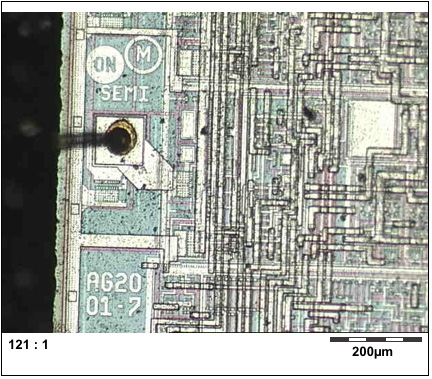
microcontroller PIC18F2439 code reverse engineering can help designer to copy source code from original Microchip locked MCU PIC18F2439 in the format of binary file or heximal data through unlock secured microprocessor PIC18F2439 fuse bit and readout embedded firmware from flash program memory and eeprom software memory;
PIC18LF2439 devices can be operated in ten different oscillator modes when Clone IC flash. The user can program the Configuration bits which can be obtained in the process of Microcontroller PIC18F2439 Code Reverse Engineering, FOSC3:FOSC0, in Configuration Register 1H to select one of these ten modes:
1. LP Low-Power Crystal
2. XT Crystal/Resonator
3. HS High-Speed Crystal/Resonator
4. HSPLL High-Speed Crystal/Resonator with PLL Enabled
5. RC External Resistor/Capacitor with FOSC/4 Output on RA6
6. RCIO External Resistor/Capacitor with I/O on RA6
7. INTIO1 Internal Oscillator with FOSC/4 Output on RA6 and I/O on RA7
8. INTIO2 Internal Oscillator with I/O on RA6 and RA7
9. EC External Clock with FOSC/4 Output
10. ECIO External Clock with I/O on RA6

माइक्रोकंट्रोलर PIC18F2439 कोड रिवर्स इंजीनियरिंग डिजाइनर को मूल माइक्रोचिप लॉक किए गए MCU PIC18F2439 से बाइनरी फ़ाइल या हेक्सिमल डेटा के प्रारूप में अनलॉक सुरक्षित माइक्रोप्रोसेसर PIC18F2439 फ्यूज बिट और फ्लैश प्रोग्राम मेमोरी और ईप्रोम सॉफ्टवेयर मेमोरी से एम्बेडेड फर्मवेयर रीडआउट के माध्यम से स्रोत कोड की प्रतिलिपि बनाने में मदद कर सकता है;
In XT, LP, HS or HSPLL Oscillator modes, a crystal or ceramic resonator is connected to the OSC1 and OSC2 pins to establish oscillation when Winbond Microcontroller W78E0516 Embedded Binary Recovering. Below Figure shows the pin connections.
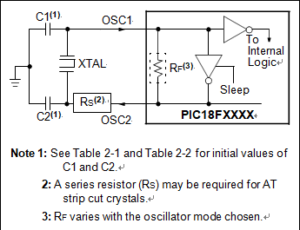
CRYSTAL used on Microcontroller PIC18F2439 Code Reverse Engineering
The oscillator design requires the use of a parallel cut crystal. Different capacitor values may be required to produce acceptable oscillator operation after Reverse Engineering W78E52B Chip Data. The user should test the performance of the oscillator over the expected VDD and temperature range for the application.
Обратный инжиниринг кода микроконтроллера PIC18F2439 может помочь разработчику скопировать исходный код с оригинального заблокированного микроконтроллера Microchip PIC18F2439 в формате двоичного файла или шестнадцатеричных данных с помощью разблокированного защищенного бита предохранителя микропроцессора PIC18F2439 и считывания встроенной прошивки из программной флэш-памяти и программной памяти EEPROM;
When using resonators with frequencies above 3.6 MHz, the use of HS mode, rather than XT mode, is recommended for the purpose of Attack Winbond W78E051A Protected Eeprom. HS mode may be used at any VDD for which the controller is rated. If HS is selected, it is possible that the gain of the oscillator will overdrive the resonator in order to Break Nuvoton W78E054 MCU Flash Memory. Therefore, a series resistor should be placed between the OSC2 pin and the resonator. As a good starting point, the recommended value of RS is 330Ù.
مهندسی معکوس کد میکروکنترلر PIC18F2439 می تواند به طراح کمک کند تا کد منبع را از MCU PIC18F2439 قفل شده با ریزتراشه اصلی در قالب فایل باینری یا داده هگزیمال از طریق باز کردن قفل ریزپردازنده ایمن PIC18F2439 و بازخوانی سیستم عامل تعبیه شده از حافظه نرم افزار فلش و e.p.
Restore Microprocessor Program Most Important Two Steps
Restore microprocessor program need to use Focus Ion Beam to make the necessary modification on the microprocessor program after Break IC PIC16F88 Data, and hereby we would like to introduce these two steps separately, through inject the iodin steam can have a better corruption rate of restore microprocessor program.
Restoration can produce the metal layer windows on the bottom of microprocessor program for visiting without damage the coherent structure. Through the injection of organic gas with platinic can create the new connection on the microprocessor program restore. use other chemical component like insulators can download the ion beam into the bottom metal of microprocessor program and make connection with the surface metal when restore microprocessor program without get in touch with other cover layer.
Focus ion beam can move on the surface of microprocessor program with 0.1 micron preciseness regardless the microprocessor program surface structure and evenness. Use the infrared line for imaging and can locate the transistor on the microprocessor program from it back when Break IC PIC16F715 Firmware.
After we made some necessary electrical connection and cut out on the microprocessor program for restore purpose, we need to do it’s the modification on the microprocessor program circuit pattern when restore it. As we all know, it is not necessary to have the information from databus internally of microprocessor program restore by using the microprobe technology.
Sometimes, especially for the microprocessor program itself, cut off the metal interconnection wire or break the control circuit when Recover Microcontroller PIC16F506 Binary to seal off the security protection mechanism. Focus Ion Beam is very easy to re-connect the protection security states transmission wire to the ground or power supply layer when restore microprocessor program. Although microprobe can do the same work but it won’t work if the metal wire embedded very deeply.
Microcontroller Unlocking and modification at least need to find out the restore point through the reverse engineering process which means the job can’t be done by a restoreer with less experience and well equipped facilities.
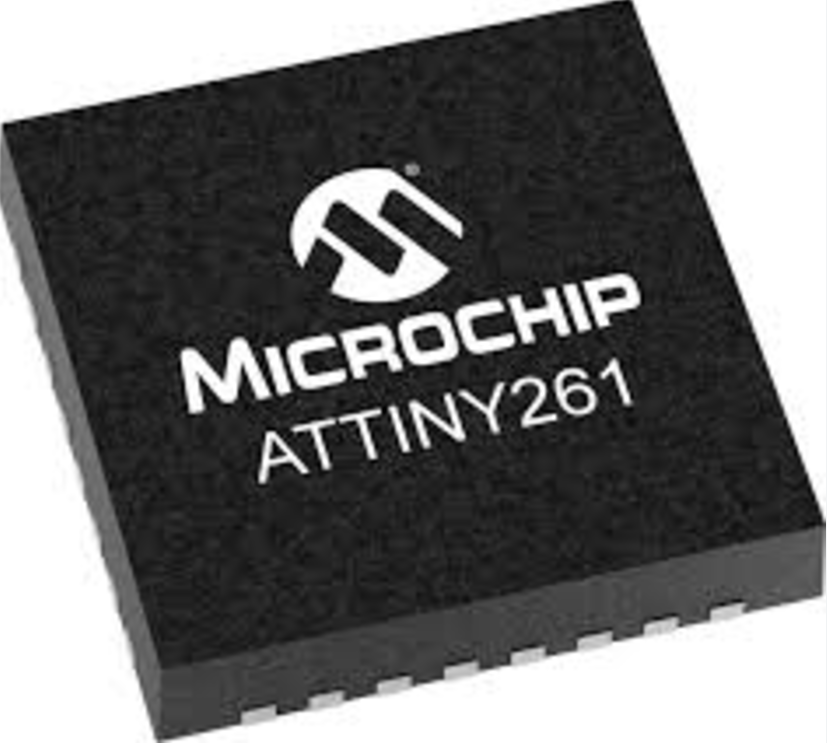
Break IC ATTINY261 Code
Breaking IC ATTINY261 code requires specialized skills to crack or decrypt the secured microcontroller’s encrypted firmware. This protective microcomputer is designed to safeguard its flash memory and EEPROM, storing programs and software in binary or heximal formats. Reverse engineering techniques are often employed to bypass security mechanisms, allowing access to the locked source code for recovery or restoration purposes.
phá mã IC ATTINY261 đòi hỏi các kỹ năng chuyên biệt để bẻ khóa hoặc giải mã chương trình cơ sở được mã hóa của vi điều khiển được bảo mật. Máy vi tính bảo vệ này được thiết kế để bảo vệ bộ nhớ flash và EEPROM của nó, lưu trữ các chương trình và phần mềm ở định dạng nhị phân hoặc thập lục phân. Các kỹ thuật kỹ thuật đảo ngược thường được sử dụng để bỏ qua các cơ chế bảo mật, cho phép truy cập vào mã nguồn bị khóa cho mục đích phục hồi hoặc khôi phục
Professionals may use advanced tools to analyze the encrypted firmware, enabling the cloning or copying of the program stored in the microprocessor. This process demands a deep understanding of the ATTINY261’s architecture, as it is a highly secured MCU with features that protect its code from unauthorized access. Successfully breaking the IC ATTINY261 code enables the recovery of critical data or replication of the firmware for diagnostics or system redundancy. However, it is essential to ensure such actions comply with legal and ethical guidelines.

Break IC ATTINY261 Code
We can Break IC ATTINY261 Code, please view the IC ATTINY261 features for your reference:
High Performance, Low Power AVR® 8-Bit Microcontroller
Advanced RISC Architecture
– 123 Powerful Instructions – Most Single Clock Cycle Execution
– 32 x 8 General Purpose Working Registers
– Fully Static Operation when Break IC
Non-volatile Program and Data Memories
– 2/4/8K Byte of In-System Programmable Program Memory Flash
(ATtiny261/461/861)
Endurance: 10,000 Write/Erase Cycles
– 128/256/512 Bytes In-System Programmable EEPROM (ATtiny261)
Endurance: 100,000 Write/Erase Cycles when Reverse Engineering Microcontroller ATTINY4313 Code
– 128/256/512 Bytes Internal SRAM (ATtiny261/461/861)
– Programming Lock for Self-Programming Flash Program and EEPROM Data Security
Peripheral Features
złamanie kodu IC ATTINY261 wymaga specjalistycznych umiejętności, aby złamać lub odszyfrować zaszyfrowane oprogramowanie układowe zabezpieczonego mikrokontrolera. Ten ochronny mikrokomputer jest zaprojektowany do ochrony pamięci flash i EEPROM, przechowując programy i oprogramowanie w formatach binarnych lub heksametalogowych. Techniki inżynierii wstecznej są często stosowane w celu ominięcia mechanizmów bezpieczeństwa, umożliwiając dostęp do zablokowanego kodu źródłowego w celu odzyskania lub przywrócenia
– 8/16-bit Timer/Counter with Prescaler and Two PWM Channels
– 8/10-bit High Speed Timer/Counter with Separate Prescaler after Break IC ATTINY2313 Code
3 High Frequency PWM Outputs with Separate Output Compare Registers
Programmable Dead Time Generator
– Universal Serial Interface with Start Condition Detector
– 10-bit ADC
11 Single Ended Channels
16 Differential ADC Channel Pairs
15 Differential ADC Channel Pairs with Programmable Gain (1x, 8x, 20x, 32x)
– Programmable Watchdog Timer with Separate On-chip Oscillator if Recover MCU ATTINY45V Program
– On-chip Analog Comparator
Special Microcontroller Features
– debugWIRE On-chip Debug System
– In-System Programmable via SPI Port
– External and Internal Interrupt Sources
– Low Power Idle, ADC Noise Reduction, and Power-down Modes
IC ATTINY261 कोड को तोड़ने के लिए सुरक्षित माइक्रोकंट्रोलर के एन्क्रिप्टेड फर्मवेयर को क्रैक या डिक्रिप्ट करने के लिए विशेष कौशल की आवश्यकता होती है। यह सुरक्षात्मक माइक्रोकंप्यूटर अपनी फ्लैश मेमोरी और EEPROM की सुरक्षा के लिए डिज़ाइन किया गया है, जो प्रोग्राम और सॉफ़्टवेयर को बाइनरी या हेक्सिमल फ़ॉर्मेट में संग्रहीत करता है। रिवर्स इंजीनियरिंग तकनीकों को अक्सर सुरक्षा तंत्र को बायपास करने के लिए नियोजित किया जाता है, जिससे रिकवरी या बहाली के उद्देश्यों के लिए लॉक किए गए स्रोत कोड तक पहुँच की अनुमति मिलती है
– Enhanced Power-on Reset Circuit
– Programmable Brown-out Detection Circuit
– Internal Calibrated Oscillator
I/O and Packages
– 16 Programmable I/O Lines after Break IC
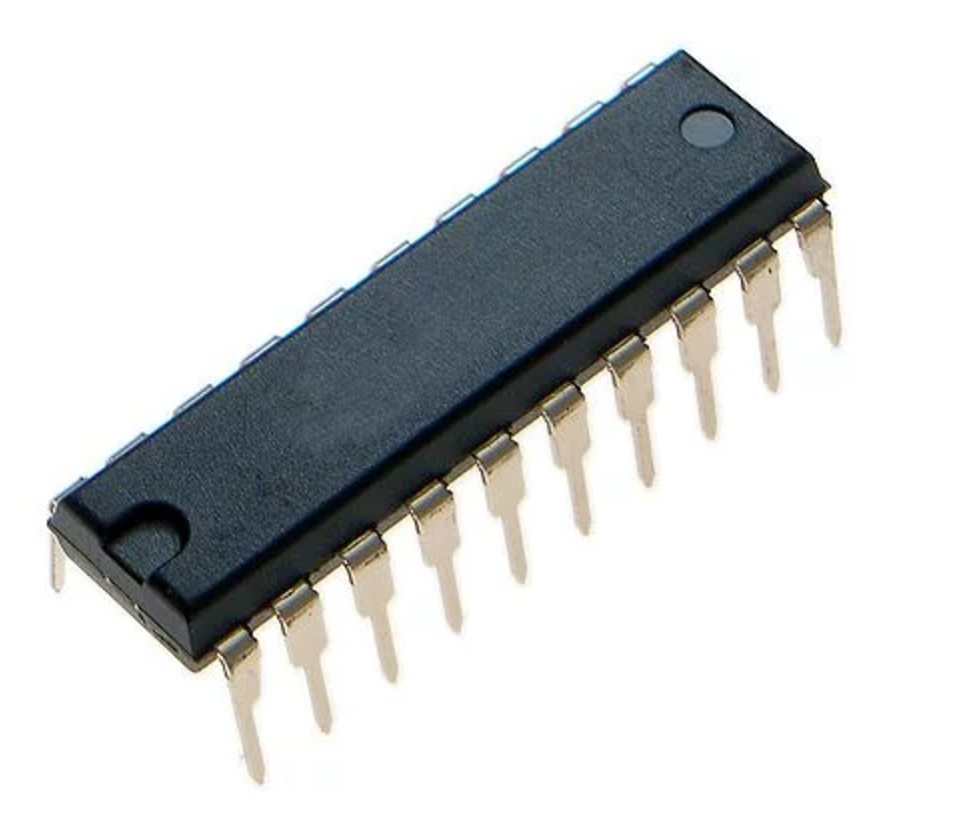
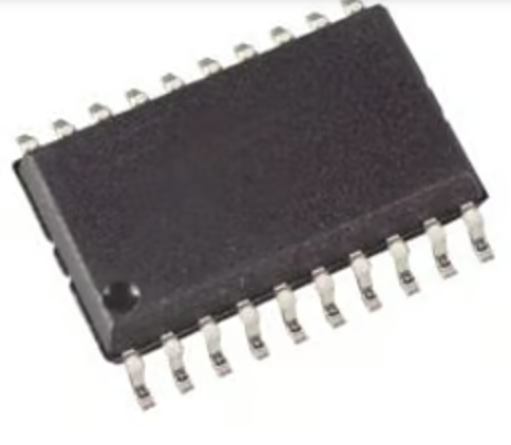
– 20-pin PDIP, 20-pin SOIC and 32-pad MLF
Operating Voltage:
– 1.8 – 5.5V for ATtiny261
– 2.7 – 5.5V for ATtiny261
Speed Grade:
– ATtiny261V/461V/861V: 0 – 4 MHz @ 1.8 – 5.5V, 0 – 10 MHz @ 2.7 – 5.5V when Break IC
– ATtiny261/461/861: 0 – 10 MHz @ 2.7 – 5.5V, 0 – 20 MHz @ 4.5 – 5.5V
– Active Mode: 1 MHz, 1.8V: 380ìA
– Power-down Mode: 0.1ìA at 1.8V
Typical values contained in this data sheet are based on simulations and characterization of other AVR microcontrollers manufactured on the same process technology. Min and Max values will be available after the device is characterized.
The ATtiny261 is a low-power CMOS 8-bit microcontroller based on the AVR enhanced RISC architecture which can facilitate the process of Microcontroller unlocking. By executing powerful instructions in a single clock cycle, the ATtiny261 achieves throughputs approaching 1 MIPS per MHz allowing the system designer to optimize power consumption versus processing speed.
Recover MCU PIC16HV540 Binary
Recover MCU PIC16HV540 Binary
We can Recover MCU PIC16HV540 Binary, please view the MCU PIC16HV540 features for your reference:
High-Performance RISC CPU:
· Only 33 single word instructions to learn
· All instructions are single cycle (200 ns) except for program branches which are two-cycle
· Operating speed: DC – 20 MHz clock input DC – 200 ns instruction cycle
· 12-bit wide instructions
· 8-bit wide data path
· Seven special function hardware registers
· Four-level deep hardware stack
· Direct, indirect and relative addressing modes for data and instructions to Recover IC program
Peripheral Features:
· 8-bit real time clock/counter (TMR0) with 8-bit programmable prescaler
· Power-On Reset (POR)
· Brown-Out Protection
· Device Reset Timer (DRT) with short RC oscillator start-up time
· Programmable Watchdog Timer (WDT) with its own on-chip RC oscillator for reliable operation
· Sleep Timer
· 8 High Voltage I/O
· 4 Regulated I/O
· Wake up from SLEEP on-pin change
· Programmable code protection
· Power saving SLEEP mode
· Selectable oscillator options:
– RC: Low-cost RC oscillator
– XT: Standard crystal/resonator
– HS: High speed crystal/resonator
– LP: Power saving, low frequency crystal
· Glitch filtering on MCLR and pin change inputs
Recover MCU PIC16HV540 Binary
CMOS Technology:
· Selectable on-chip 3V/5V Regulator
· Low-power, high-speed CMOS EPROM technology for the purpose of Decrypt IC program
· Fully static design
· Wide-operating voltage range:
– 3.5V to 15V
· Temperature range:
– Commercial: 0°C to 70°C
– Industrial: -40°C to 85°C
· Low-power consumption
– < 2 mA typical @ 5V, 4 MHz
– 15 µA typical @ 3V, 32 kHz
– < 4.5 µA typical standby current @ 15V (with WDT disabled), 0°C to 70°C
The PIC16HV540 from Microchip Technology is a low- cost, high-performance, 8-bit, fully-static, EPROM- based CMOS microcontroller. It is pin and software compatible with the PIC16C5X family of devices. It employs a RISC architecture with only 33 single word single cycle instructions when Crack MCU. All instructions are single cycle except for program branches, which take two cycles. The PIC16HV540 delivers performance an order of magnitude higher than its competitors in the same price category after Recover MCU PIC16HV540 Binary.
The 12-bit wide instructions are highly orthogonal resulting in 2:1 code compression over other 8-bit microcontrollers in its class. The easy-to-use and easy-to-remember instruction set reduces development time significantly.
The PIC16HV540 is the first One-Time-Programmable (OTP) microcontroller with an on-chip 3 volt and 5 volt regulator. This eliminates the need for an external regulator in many applications powered from 9 Volt or 12 Volt batteries or unregulated 6 volt, 9 volt or 12 volt mains adapters.
The PIC16HV540 is ideally suited for applications that require very low standby current at high voltages. These typically require expensive low current regulators.
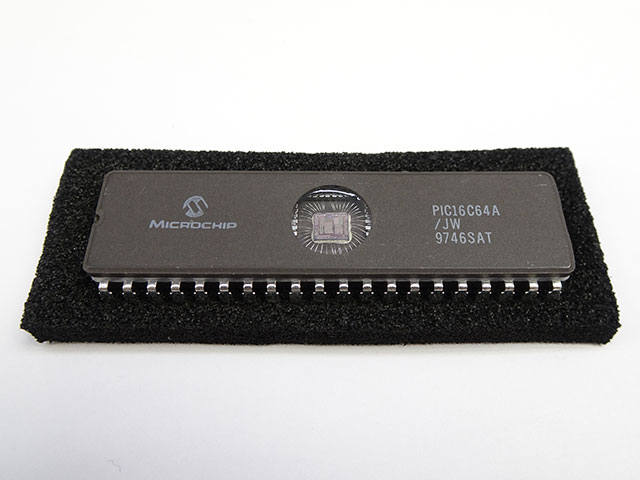
Recover Microcontroller PIC16C641 Eeprom
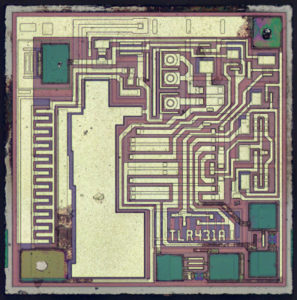
In the world of embedded systems, microcontrollers like the PIC16C641 often store critical data in their EEPROM or flash memory, protected by secured or encrypted mechanisms. However, there are scenarios where recovering this data becomes essential, such as firmware extraction, reverse engineering, or replicating legacy systems. This is where professional MCU crack services come into play.
Les microcontrôleurs comme le PIC16C641 stockent souvent des données critiques dans leur EEPROM ou leur mémoire flash, protégées par des mécanismes sécurisés ou cryptés. Cependant, il existe des scénarios où la récupération de ces données devient essentielle, comme l’extraction de micrologiciels, la rétro-ingénierie ou la réplication de systèmes hérités. C’est là que les services professionnels de crackage de MCU entrent en jeu.
Using advanced techniques, experts can crack, unlock, or bypass the protected memory of microcontrollers like the PIC16C641. Whether the goal is to decrypt firmware, decode source code, or dump binary files, these services employ methods such as reverse engineering, memory attacks, or even hardware-based exploits to break through secured layers. By extracting data from EEPROM or flash memory, they can recover valuable program files, archives, or other critical information.

고급 기술을 사용하여 전문가는 PIC16C641과 같은 마이크로컨트롤러의 보호된 메모리를 크랙, 잠금 해제 또는 우회할 수 있습니다. 펌웨어를 해독하거나, 소스 코드를 디코딩하거나, 바이너리 파일을 덤프하는 것이 목표이든, 이러한 서비스는 리버스 엔지니어링, 메모리 공격 또는 하드웨어 기반 익스플로잇과 같은 방법을 사용하여 보안 계층을 돌파합니다. EEPROM 또는 플래시 메모리에서 데이터를 추출하여 귀중한 프로그램 파일, 아카이브 또는 기타 중요한 정보를 복구할 수 있습니다.
For those looking to replicate or clone a microcontroller, these services can also extract and replicate the entire memory content, ensuring compatibility with new or replacement chips. While ethical considerations are paramount, such capabilities are invaluable for debugging, legacy system restoration, or forensic analysis.
In summary, MCU crack services provide the tools and expertise to recover, decode, and replicate data from secured microcontrollers, unlocking the potential of even the most protected chips.
Recover Microcontroller PIC16C641 Eeprom
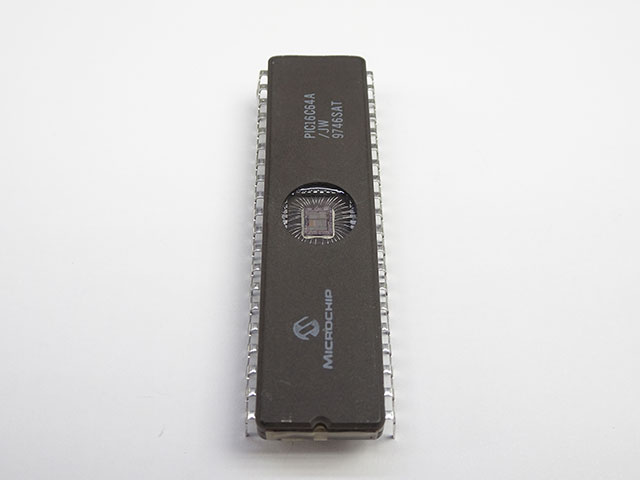
We can Recover Microcontroller PIC16C641 Eeprom, please view the Microcontroller PIC16C641 features for your reference:
High Performance RISC CPU:
· Only 35 instructions to learn
· All single-cycle instructions (200 ns), except for program branches which are two-cycle when Recover Microcontroller
· Operating speed:
– DC – 20 MHz clock input
– DC – 200 ns instruction cycle
· Interrupt capability
· 8-level deep hardware stack
· Direct, Indirect and Relative addressing modes can help to Break IC PIC12F609 Heximal
Peripheral Features:
· Up to 33 I/O pins with individual direction control
· High current sink/source for direct LED drive
· Analog comparator module with:
– Two analog comparators
– Programmable on-chip voltage reference (VREF) module
– Programmable input multiplexing from device inputs and internal voltage reference
– Comparator outputs can be output signals
· Timer0: 8-bit timer/counter with 8-bit programmable prescaler
Special Microcontroller Features:
· Power-on Reset (POR)
माइक्रोकंट्रोलर की नकल या क्लोनिंग करने वालों के लिए, ये सेवाएँ संपूर्ण मेमोरी सामग्री को निकाल और दोहरा सकती हैं, जिससे नए या प्रतिस्थापन चिप्स के साथ संगतता सुनिश्चित होती है। जबकि नैतिक विचार सर्वोपरि हैं, ऐसी क्षमताएँ डिबगिंग, विरासत प्रणाली बहाली या फोरेंसिक विश्लेषण के लिए अमूल्य हैं।
संक्षेप में, MCU क्रैक सेवाएँ सुरक्षित माइक्रोकंट्रोलर से डेटा को पुनर्प्राप्त करने, डिकोड करने और दोहराने के लिए उपकरण और विशेषज्ञता प्रदान करती हैं, यहाँ तक कि सबसे सुरक्षित चिप्स की क्षमता को भी अनलॉक करती हैं।
· Power-up Timer (PWRT) and Oscillator Start-up Timer (OST)
· Brown-out Reset
· Watchdog Timer (WDT) with its own on-chip RC oscillator for reliable operation
· Programmable code protection will tamper the resistance of Break IC PIC12F615 Software
· Power saving SLEEP mode
· Serial in-circuit programming (via two pins)
· Four user programmable ID locations
· Program Memory Parity Error checking circuitry with Parity Error Reset (PER) to Crack MCU
· CMOS Technology:
· Low-power, high-speed CMOS EPROM technology
· Fully static design
· Wide operating voltage range: 3.0V to 6.0V
· Commercial, Industrial and Automotive temperature ranges
· Low power consumption
– < 2.0 mA @ 5.0V, 4.0 MHz
– 15 µA typical @ 3.0V, 32 kHz
– < 1.0 µA typical standby current @ 3.0V
Break IC PIC16C771 Firmware
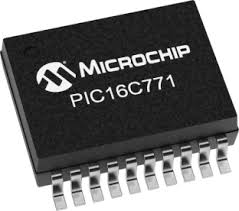
The Special Function Registers are registers used by the CPU and Peripheral Modules for controlling the desired operation of the device to facilitate the process of Break IC PIC16C771 Firmware. These registers are implemented as static RAM, core (CPU) and peripheral. Those registers associated with the core functions are described in detail in this section. Those related to the operation of the peripheral features are described in detail in that peripheral feature section. For example, CLRF STATUS will clear the upper-three;
The STATUS register, shown in Register 2-1, contains the arithmetic status of the ALU, the RESET status and the bank select bits for data memory.
The STATUS register can be the destination for any instruction, as with any other register. If the STATUS register is the destination for an instruction that affects the Z, DC or C bits, then the write to these three bits is disabled.
These bits are set or cleared according to the device logic. Furthermore, the TO and PD bits are not writable. Therefore, the result of an instruction with the STATUS register as destination may be different than intended.
It is recommended, therefore, that only BCF, BSF, SWAPF and MOVWF instructions are used to alter the STATUS register, because these instructions do not affect the Z, C or DC bits from the STATUS register. For other instructions not affecting any status bits, see the ”Instruction Set Summary.
The program counter (PC) specifies the address of the instruction to fetch for execution. The PC is 13 bits wide. The low byte is called the PCL register. This register is readable and writable in order to Break IC PIC16C771 Firmware. The high byte is called the PCH register. This register contains the PC<12:8> bits and is not directly readable or writable. All updates to the PCH register occur through the PCLATH register.
PIC16C717/770/771 devices are capable of addressing a continuous 8K word block of program memory. The CALL and GOTO instructions provide only 11 bits of address to allow branching within any 2K program memory page. When doing aCALL or GOTO instruction, the upper 2 bits of the address are provided by PCLATH<4:3>. When doing a CALL or GOTO instruction, the user must ensure that the page select bits are programmed so that the desired program memory page is addressed.
A return instruction pops a PC address off the stack onto the PC register. Therefore, manipulation of the PCLATH<4:3> bits are not required for the return instructions (which POPs the address from the stack).
Break IC PIC16C771 Firmware
The stack allows a combination of up to 8 program calls and interrupts to occur. The stack contains the return address from this branch in program execution. Mid-range devices have an 8-level deep x 13-bit wide hardware stack. The stack space is not part of either program or data space and the stack pointer is not readable or writable which is not easy for Recover Chip PIC16F689 Flash. The PC is PUSHed onto the stack when a CALL instruction is executed or an interrupt causes a branch. The stack is POPed in the event of RETURN, RETLW or a RETFIE instruction execution. PCLATH is not modified when the stack is PUSHed or POPed.
After the stack has been PUSHed eight times, the ninth push overwrites the value that was stored from the first push. The tenth push overwrites the second push (and so on).
The INDF register is not a physical register. Addressing INDF actually addresses the register whose address is contained in the FSR register (FSR is a pointer). This is indirect addressing before Microcontroller Unlock.
Reading INDF itself indirectly (FSR = 0) will produce 00h. Writing to the INDF register indirectly results in a no-operation (although STATUS bits may be affected). A simple program to clear RAM locations 20h-2Fh using indirect addressing is shown in Example 2-1 Some pins for these I/O ports are multiplexed with an alternate function for the peripheral features on the device by PIC16F84A Microcontroller Chip Attack. In general, when a peripheral is enabled, that pin may not be used as a general purpose I/O pin.
Additional information on I/O ports may be found in the PICmicro™ Mid-Range Reference Manual, (DS33023).
PORTA is a 8-bit wide bi-directional port. The corre-analog mode of the corresponding pins. sponding data direction register is TRISA. Setting a TRISA bit (=1) will make the corresponding PORTA pin an input, i.e., put the corresponding output driver in a hi-impedance mode. Clearing a TRISA bit (=0) will make the corresponding PORTA pin an output, i.e., put the contents of the output latch on the selected pin.
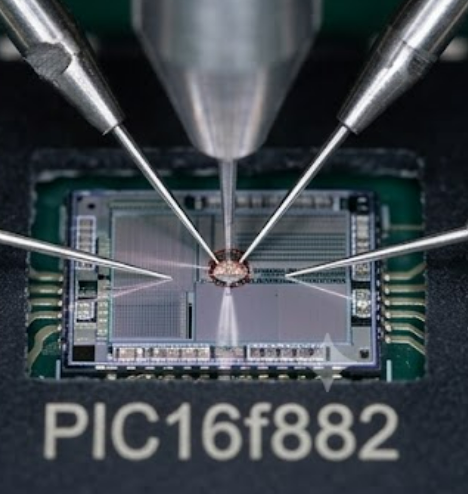
Reverse Engineering Microcontroller PIC16F882 Heximal
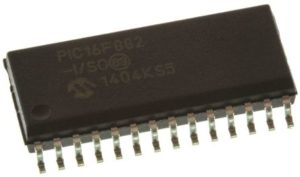
The PIC16F882 microcontroller stands out as an exceptionally versatile workhorse across a spectrum of modern industries, frequently serving as the core computational engine in advanced medical monitoring devices, HVAC environmental controllers, industrial motor drives, and complex security alarm panels. Celebrated for its unique architectural features—including an ultra-low-power wake-up mode, a highly precise internal oscillator, up to 11 channels of 10-bit Analog-to-Digital conversion, and an independent In-Circuit Serial Programming infrastructure—this chip excels at executing time-sensitive routines in demanding hardware environments.
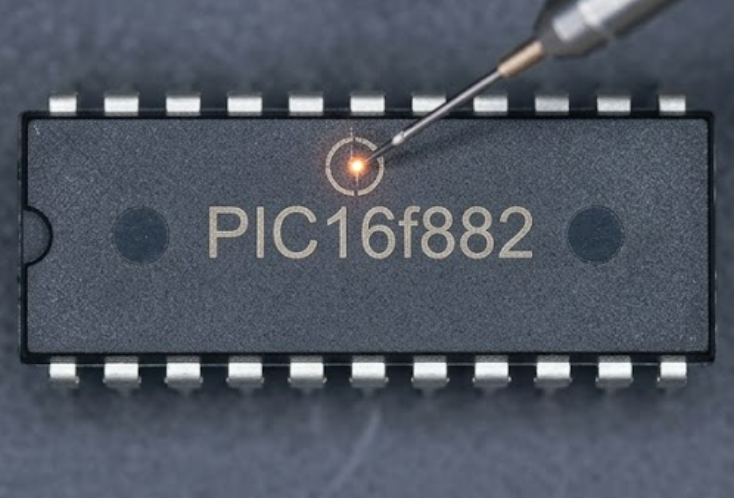
However, when a legacy device requires urgent maintenance or updates, manufacturers are frequently blindsided to discover that the original development files, source code, or system documentation have been lost or corrupted over time. When production lines face grinding halts due to component shortages, recovering the core operational instructions becomes a critical business imperative. Our specialized laboratory offers high-end extraction services precisely tailored to reverse engineering microcontroller PIC16F882 heximal parameters, providing an elite lifeline that restores full access to your mission-critical system logic.
High-Performance RISC CPU:
· Only 35 Instructions to Learn:
– All single-cycle instructions except branches
· Operating Speed:
– DC – 20 MHz oscillator/clock input
– DC – 200 ns instruction cycle
· Interrupt Capability
· 8-Level Deep Hardware Stack
· Direct, Indirect and Relative Addressing modes
Special Microcontroller Features:
· Precision Internal Oscillator:
– Factory calibrated to ±1%
– Software selectable frequency range of 8 MHz to 31 kHz
– Software tunable
– Two-Speed Start-up mode
– Crystal fail detect for critical applications
– Clock mode switching during operation for power savings
· Power-Saving Sleep mode
· Wide Operating Voltage Range (2.0V-5.5V)
· Industrial and Extended Temperature Range
· Power-on Reset (POR)
· Power-up Timer (PWRT) and Oscillator Start-up Timer (OST)
· Brown-out Reset (BOR) with Software Control Option
· Enhanced Low-Current Watchdog Timer (WDT) with On-Chip Oscillator (software selectable nominal 268 seconds with full prescaler).
· Multiplexed Master Clear with Pull-up/Input Pin
· Programmable Code Protection
· High Endurance Flash/EEPROM Cell:
– 100,000 write Flash endurance
– 1,000,000 write EEPROM endurance
– Flash/Data EEPROM retention: > 40 years
· Program Memory Read/Write during run time
· In-Circuit Debugger (on board)
To systematically attack, break, and decode the advanced internal security layers of a secured, locked integrated circuit, our engineering facility deploys highly specialized micro-electronics laboratory equipment. The extraction process begins with precision chemical engineering, where our technicians decapsulate the external plastic mold of the chip to expose the raw, intricate silicon architecture resting beneath the surface. Once the internal circuitry is completely visible under high-magnification microscopy, we can carefully bypass the internal protective code fuses and security bits that natively restrict external reading. By applying targeted micro-probing techniques or precise optical adjustments directly to the layout configuration, our team can safely read out the tightly guarded internal memory arrays without causing structural degradation to the hardware. This targeted intervention allows us to seamlessly retrieve the entire embedded firmware stack, translating hidden physical states into a pristine binary data stream. The definitive output of this delicate procedure is a flawless, uncorrupted heximal file that mirrors the exact operational parameters of your original application.
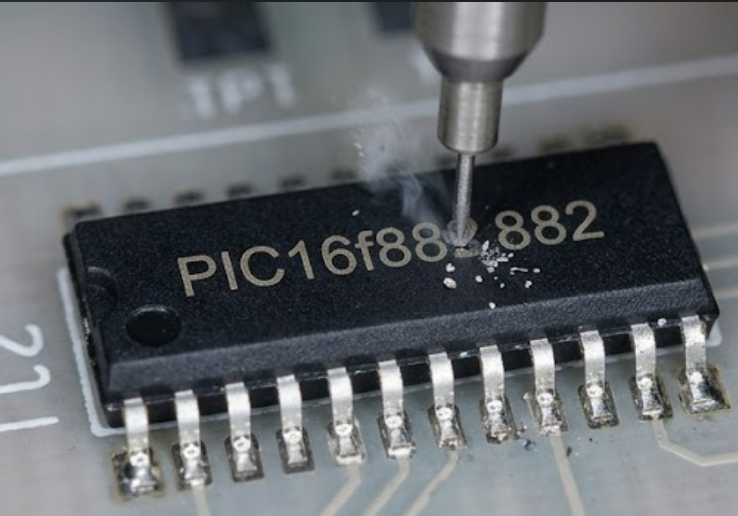
The ultimate purpose of choosing to hack or duplicate a highly protected microcontroller is to insulate an enterprise from severe supply chain vulnerabilities and prevent the exorbitant costs of a ground-up hardware redesign. When access to an active system archive is completely severed, engineers can utilize our specialized extraction services to salvage vital machine instructions from older flash sectors, peripheral PLD arrays, or internal eeprom memory blocks. Once our laboratory successfully extracts the raw data, engineering teams gain the immediate capability to clone the entire logic structure onto readily available, modern alternative silicon. This comprehensive recovery ensures you can easily duplicate the exact operational profiles of legacy components, compile an entirely fresh software backup, and confidently manufacture drop-in replacements that protect your active product lines from experiencing unplanned downtime or operational obsolescence.
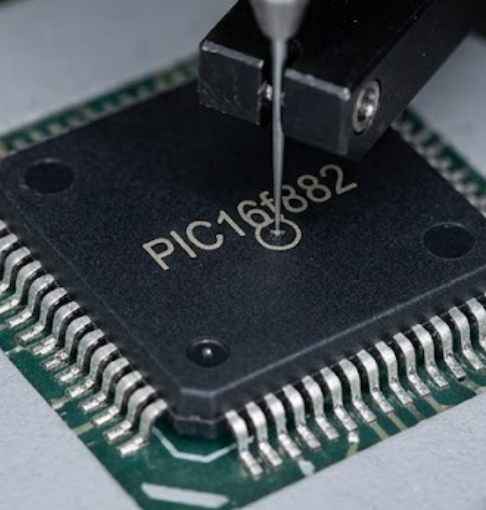
Partnering with an elite engineering team to unlock and extract embedded software provides transformative technical and financial advantages for system integrators, maintenance engineers, and product developers alike. Instead of exhausting thousands of dollars and months of valuable engineering time attempting to manually reverse-engineer and rewrite complex code from scratch—a high-risk strategy that notoriously introduces hidden software bugs—our advanced laboratory delivers a direct path to a fully verified, operational program file. This absolute operational consistency guarantees that every newly generated duplicate board performs identically to the field-proven units your clients rely on daily. By utilizing our custom extraction services, your business effectively eliminates the existential risks of parts obsolescence, safeguards vital corporate intellectual property, and establishes a completely secure, predictable roadmap for your industrial hardware investments for many years to come.