 Attack Renesas R5F21244SDFP Microcontroller Protection
 August 6th, 2021 |
 Author:
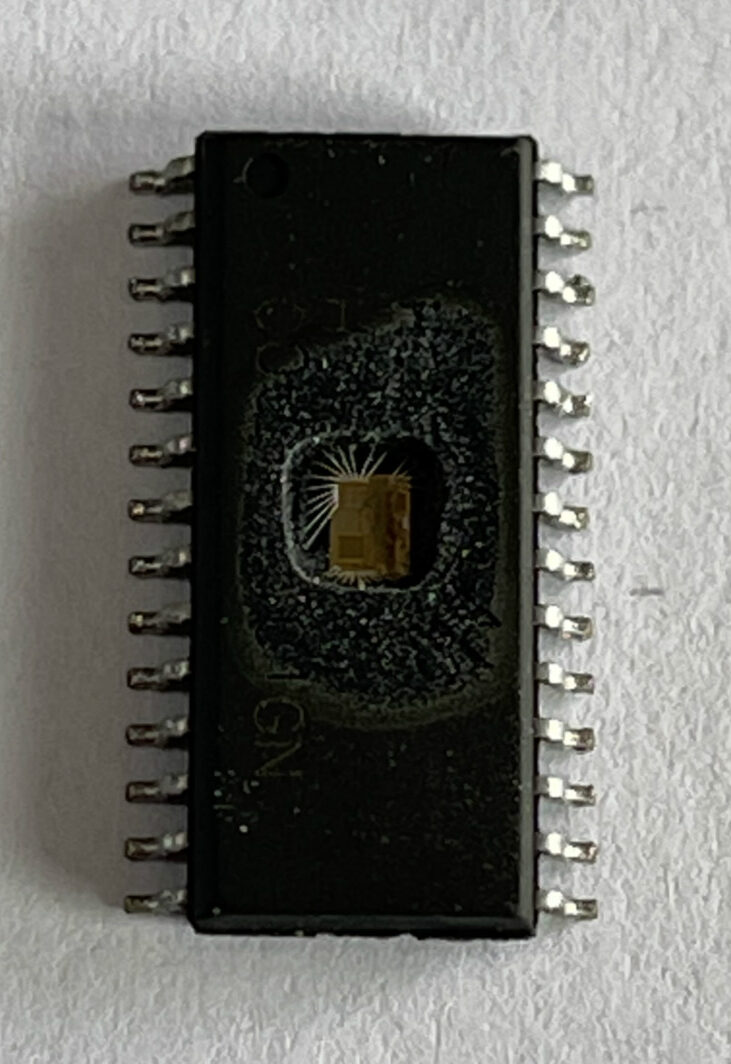
The R5F21244SDFP is a 16-bit microcontroller from Renesas Electronics’ R8C/24 group, built around the R8C CPU core for compact embedded control applications. It operates at up to 20 MHz and provides 16 KB of Flash program memory, 1 KB of RAM, a 10-bit analog-to-digital converter with 12 channels, multiple timers, and a range of serial communication interfaces. The device also supports voltage-monitoring functions and watchdog protection, making it suitable for electronic control boards, industrial monitoring equipment, instrumentation, communication interfaces, and selected automotive or factory-automation networking applications.
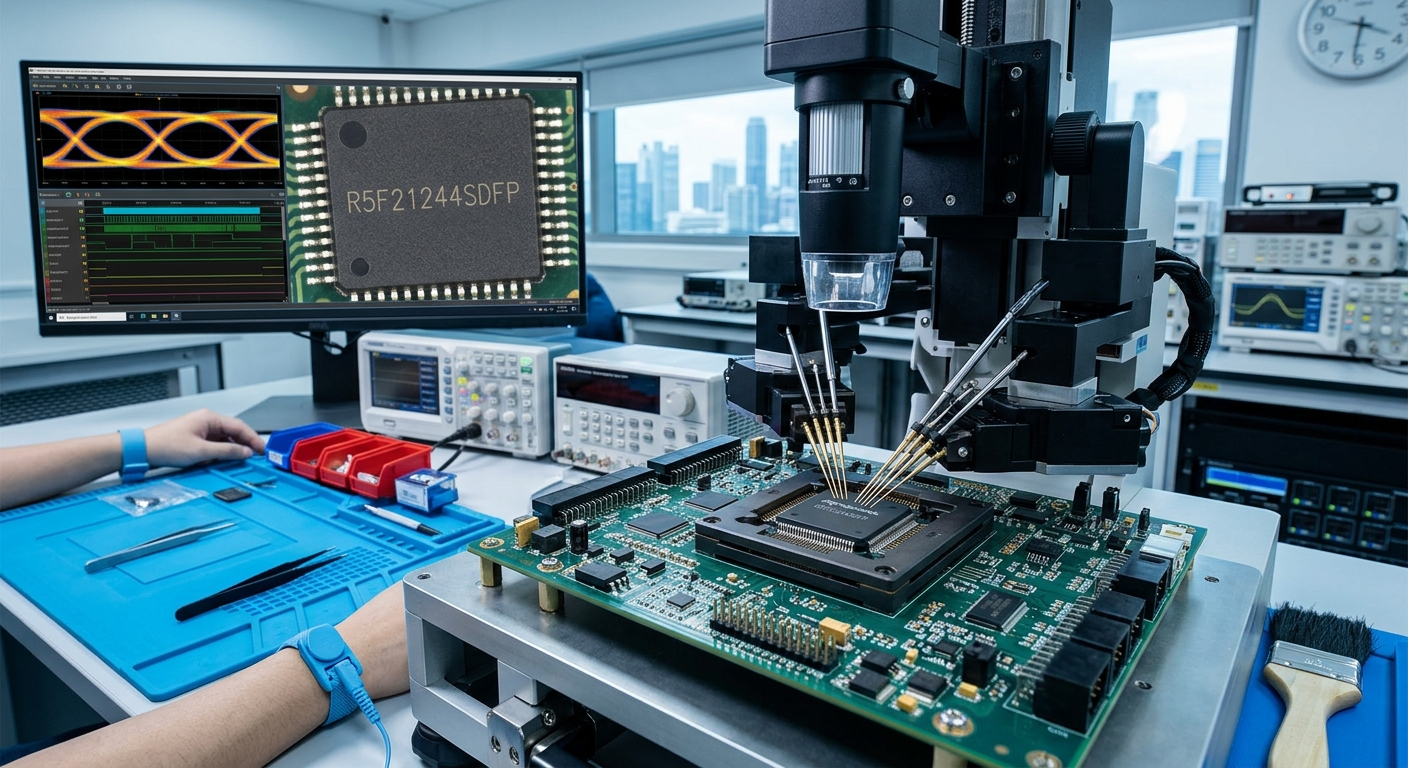
Its 52-pin LQFP package provides a practical combination of processing resources and peripheral connectivity for established electronic designs. Although this Renesas MCU is not recommended for new designs, it remains relevant to organizations maintaining existing equipment that depends on its original firmware.
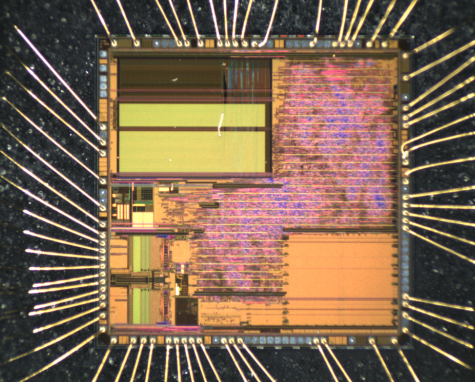
- The measurement condition is Topr = -20 to 85°C (N version) / -40 to 85°C (D version), unless otherwise specified.
- 2. This condition (external power VCC rise gradient) does not apply if VCC ³ 1.0 V.
When a legacy electronic product needs repair or reproduction, the absence of its original software project can make the task considerably more difficult. The programmed R5F21244SDFP may contain important control routines, communication logic, calibration values, and application-specific instructions that are no longer available in the original development archive. A protective, secured, or locked microcontroller can restrict access to its internal Flash memory, preventing routine programming equipment from reading the original program.

For authorized equipment owners, manufacturers, and repair engineers, assessing firmware recovery options can support troubleshooting, replacement-controller development, discontinued-product maintenance, and preservation of established electronic systems. Recovering accessible binary information may also provide a useful reference for understanding the original controller’s behavior, although the available results depend on the device’s security configuration and physical condition.
- When using the voltage monitor 0 digital filter, ensure that the voltage is within the MCU operation voltage range (2.2 V or above) during the sampling time.
- The sampling clock can be selected. Refer to 6. Voltage Detection Circuit of Hardware Manual for details.
Vdet0 indicates the voltage detection level of the voltage detection 0 circuit. Refer to 6. Voltage Detection Circuit of Hardware Manual for details
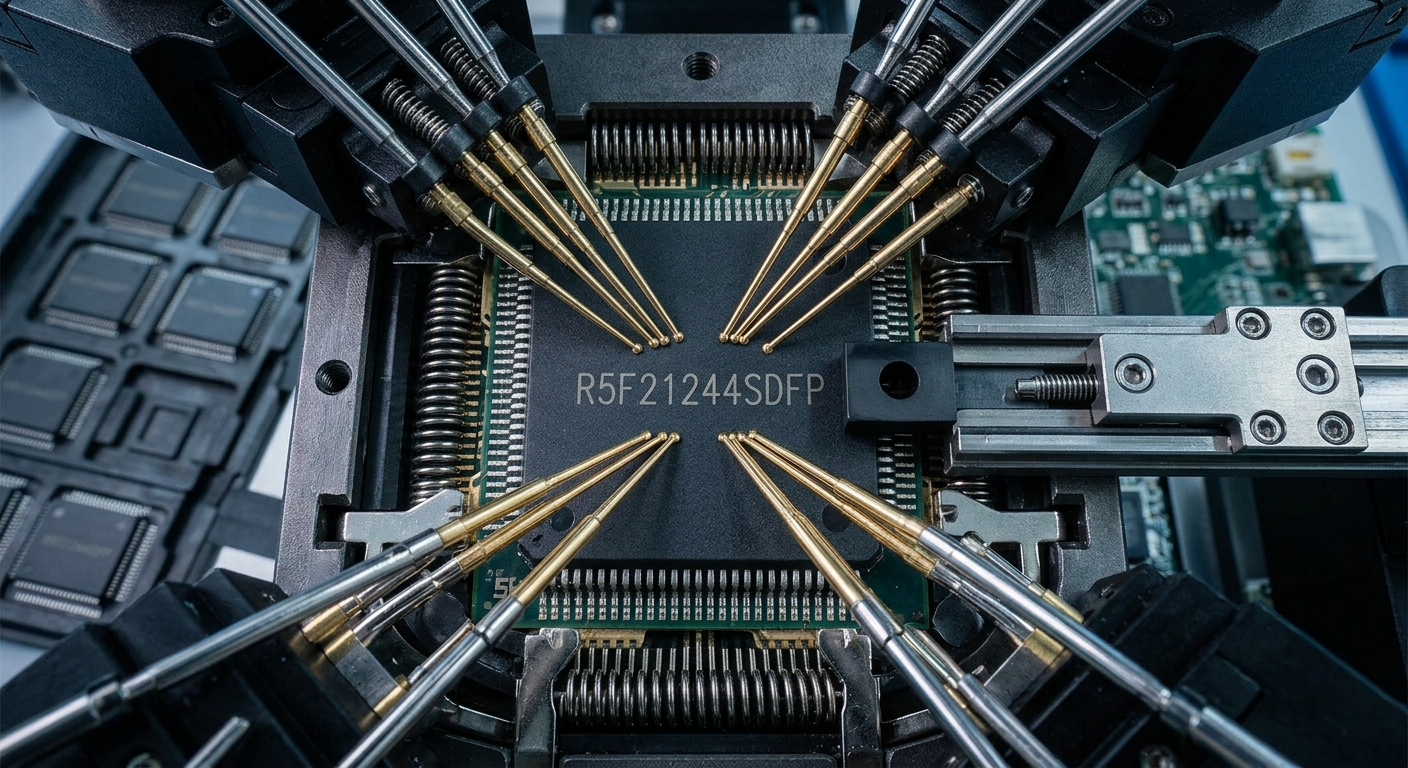
- VCC = 2.2 to 5.5 V, Topr = -20 to 85°C (N version) / -40 to 85°C (D version), unless otherwise specified.
- 2. Standard values when the FRA1 register value after reset is assumed.
- 3. Standard values when the corrected value of the FRA6 register has been written to the FRA1 register.
This enables the setting errors of bit rates such as 9600 bps and 38400 bps to be 0% when the serial interface is used in UART mode.
For an R5F21244SDFP protection-analysis project, specialists can begin by identifying the exact device variant, examining the circuit board, checking supported programming interfaces, and reviewing the memory and security configuration. Depending on the device condition, the investigation may determine whether firmware, source code, data, software, memory, archive, flash, or eeprom information can be retrieved, decoded, duplicated, or cloned for authorized engineering purposes. If a protective, secured, encrypted, or locked configuration limits standard access, engineers can assess supported recovery procedures and determine whether the applicable protection barrier can be addressed without unnecessarily damaging the original chip.
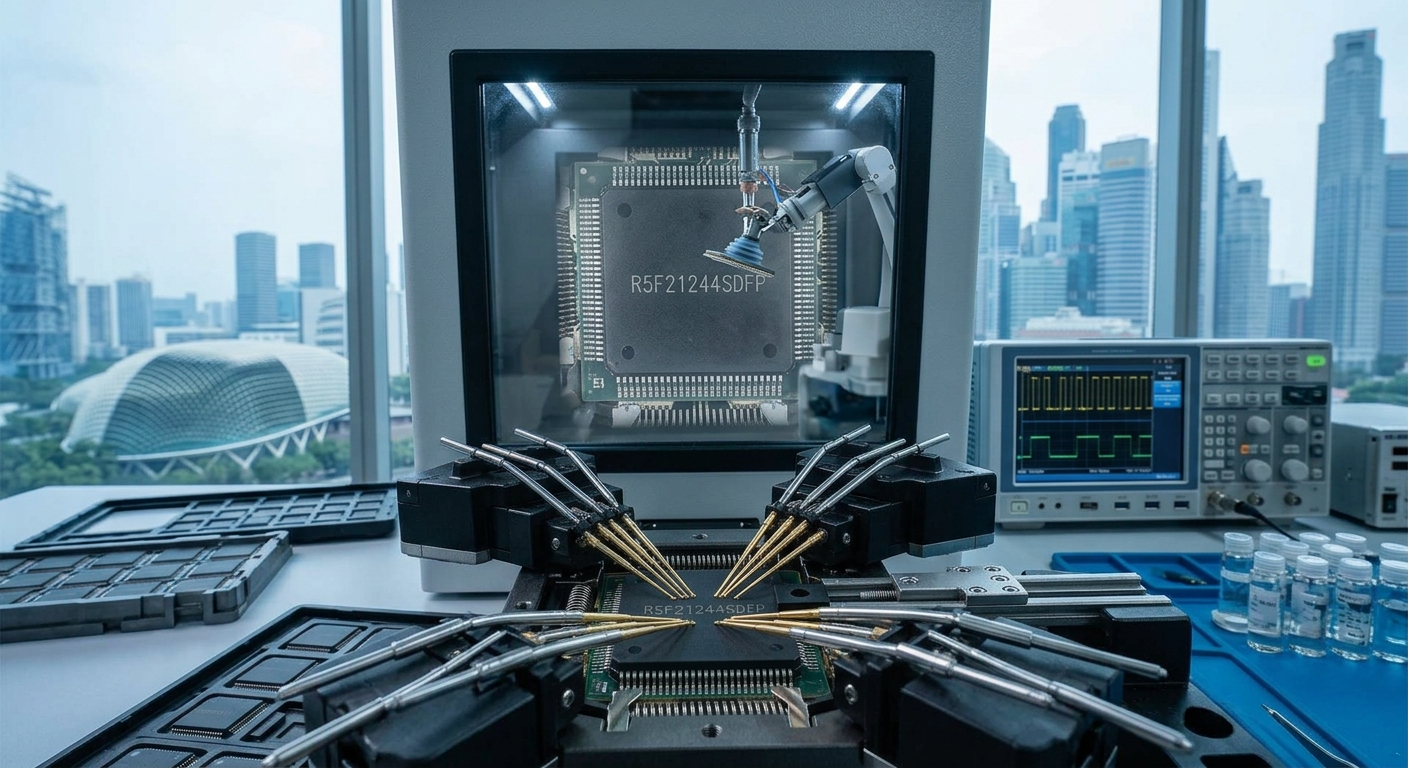
Advanced semiconductor analysis, including controlled decapsulation, may be considered when technically justified. These evaluations apply to the microcontroller, microprocessor, MCU, chip, or IC and must account for the actual security implementation rather than assume that every device can be unlocked. The feasibility of recovering usable code from each R5F21244SDFP depends on its configuration, physical state, and accessible interfaces; complete firmware extraction is not guaranteed.
Our Renesas R5F21244SDFP firmware recovery and microcontroller protection analysis service supports authorized equipment owners, manufacturers, repair providers, and engineering teams working with legacy electronic products. We can examine the target board, verify the installed MCU, investigate available programming interfaces, and evaluate the feasibility of recovering accessible program information.
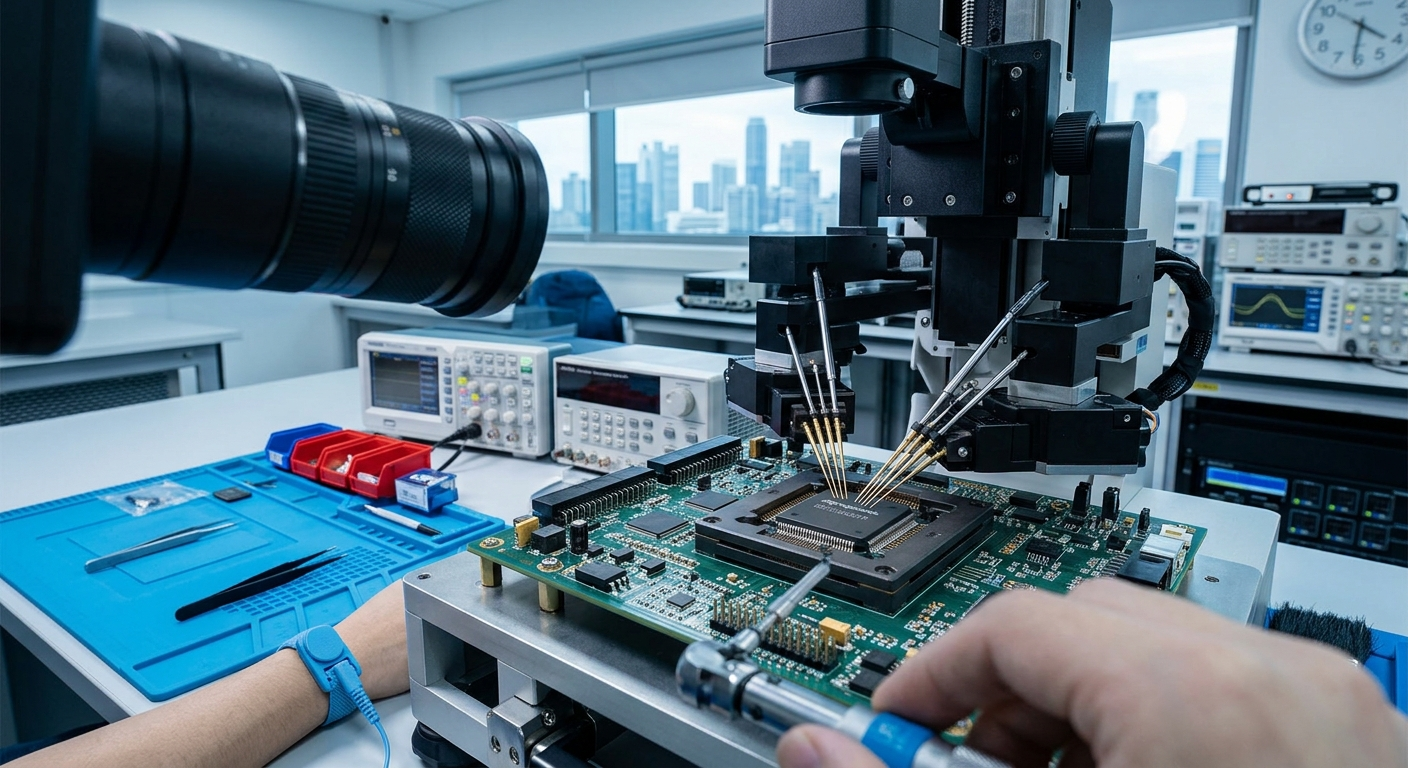
Where technically possible, recovered binary data or other available memory contents can assist with equipment repair, controller replacement, product restoration, and further engineering analysis. This service is particularly useful when the original source code and development archive have been lost, but the existing microcontroller remains an important source of operational information. Through a device-specific assessment and a carefully selected recovery strategy, we help customers preserve valuable embedded software and extend the useful life of established electronic equipment.

Break R5F21292SDSP Locked MCU Flash Memory
Break R5F21292SDSP Locked MCU Flash Memory and clone microcontroller r5f21292 heximal file to new units which will provide the same functions as original ones;
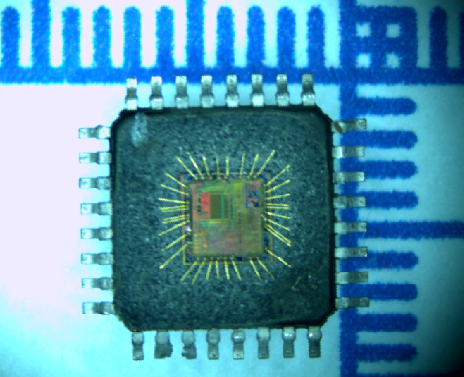
VCC = 2.7 to 5.5 V at Topr = -20 to 85°C (N version) / -40 to 85°C (D version), unless otherwise specified.
The programming and erasure endurance is defined on a per-block basis.
If the programming and erasure endurance is n (n = 100 or 10,000), each block can be erased n times. For example, if 1,024 1-byte writes are performed to block A, a 1 Kbyte block, and then the block is erased, the programming/erasure endurance still stands at one.
However, the same address must not be programmed more than once per erase operation (overwriting prohibited).
Endurance to guarantee all electrical characteristics after program and erase. (1 to Min. value can be guaranteed).
Standard of block A and block B when program and erase endurance exceeds 1,000 times. Byte program time to 1,000 times is the same as that in program ROM.
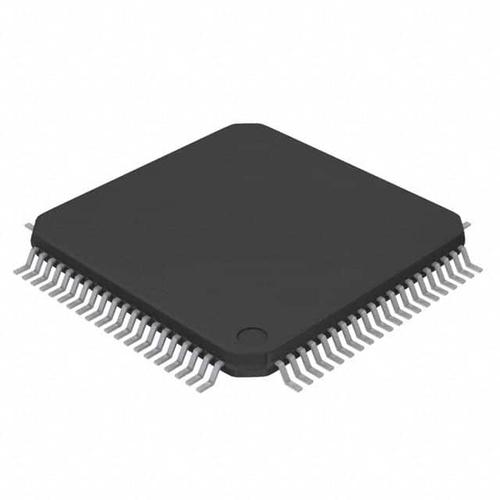
quebrar R5F21292SDSP bloqueado MCU memória flash e clone microcontrolador r5f21292 arquivo heximal para novas unidades que irá fornecer as mesmas funções que os originais;
In a system that executes multiple programming operations, the actual erasure count can be reduced by writing to sequential addresses in turn so that as much of the block as possible is used up before performing an erase operation. For example, when programming groups of 16 bytes, the effective number of rewrites can be minimized by programming up to 128 groups before erasing them all in one operation.
Reverse R5F21226DFP#U0 Microprocessor Binary Code
Reverse R5F21226DFP#U0 Microprocessor Binary Code and clone renesas mcu r5f21226dfp flash memory content to new MCU unit, original embedded firmware will be extracted from microcontroller flash memory;
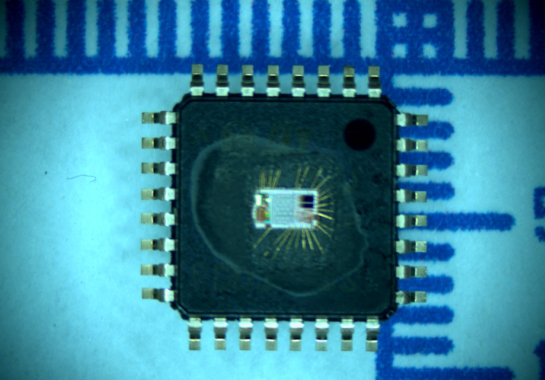
3 circuits: XIN clock oscillation circuit (with on-chip feedback resistor),
On-chip oscillator (high-speed, low-speed)
(high-speed on-chip oscillator has a frequency adjustment function), XCIN clock oscillation circuit (32 kHz)
- Oscillation stop detection: XIN clock oscillation stop detection function
- Frequency divider circuit: Dividing selectable 1, 2, 4, 8, and 16
- Low power consumption modes:
Standard operating mode (high-speed clock, low-speed clock, high-speed on-chip oscillator, low-speed on-chip oscillator), wait mode, stop mode to copy locked r5f212dasn mcu flash data.
- External: 5 sources, Internal: 23 sources, Software: 4 sources
Priority levels: 7 levels
8 bits × 1 (with 8-bit prescaler)
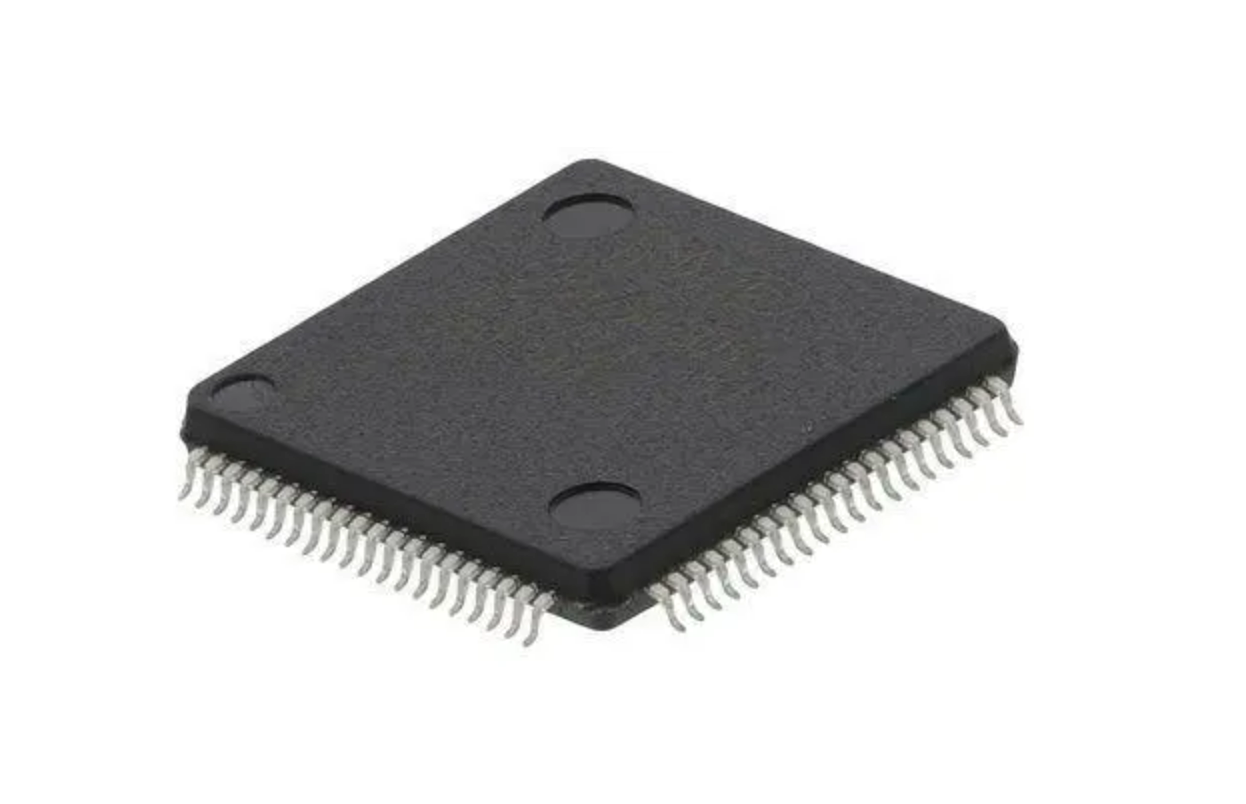
reverso R5F21226DFP # U0 microprocessador código binário e clone renesas mcu r5f21226dfp conteúdo de memória flash para a nova unidade MCU, firmware incorporado original será extraído da memória flash microcontrolador
Timer mode (period timer), pulse output mode (output level inverted every period), event counter mode, pulse width measurement mode, pulse period measurement mode in the process of breaking ic mcu R5F2L388 firmware;
8 bits × 1 (with 8-bit prescaler)
Timer mode (period timer), programmable waveform generation mode (PWM output), programmable one-shot generation mode, programmable wait one- shot generation mode
Copy Locked R5F212DASNFP MCU Flash Data
Copy Locked R5F212DASNFP MCU Flash Data needs to crack RENESAS microcontroller fuse bit of flash memory, and then extract embedded firmware from microprocessor flash memory;
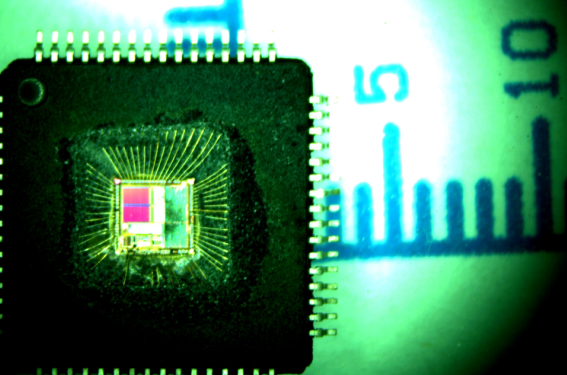
16 bits × 1 (with 4 capture/compare registers)
Timer mode (input capture function, output compare function), PWM mode (output 3 pins), PWM2 mode (PWM output pin)
16 bits × 2 (with 4 capture/compare registers)
Timer mode (input capture function, output compare function), PWM mode can be used for renesas locked mcu R5F212AASD memory data copying;
(output 6 pins), reset synchronous PWM mode (output three-phase waveforms (6 pins), sawtooth wave modulation), complementary PWM mode (output three-phase waveforms (6 pins), triangular wave modulation), PWM3 mode (PWM output 2 pins with fixed period)
8 bits × 1, Real-time clock mode (count seconds, minutes, hours, days of week), output compare mode
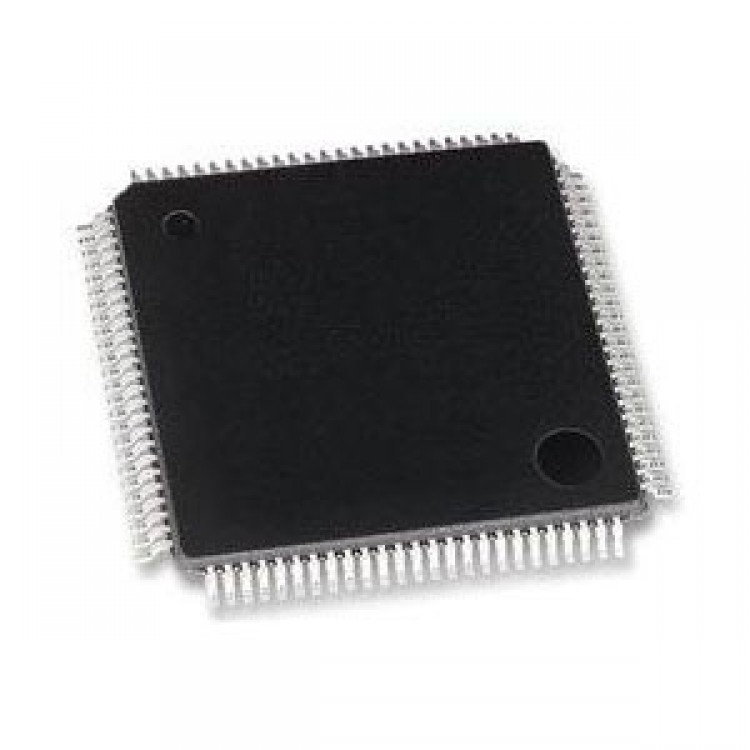
copiar dados de flash MCU R5F212DASNFP bloqueados precisa quebrar o microcontrolador RENESAS fundir bit de memória flash e, em seguida, extrair firmware incorporado da memória flash do microprocessador;
16 bits × 1 (with capture/compare register pin and compare register pin) Input capture mode, output compare mode to dump Renesas protected mcu r5f212a7sd flash program.
R8C/Tiny series core
- Number of fundamental instructions: 89
- Minimum instruction execution time:
50 ns (f(XIN) = 20 MHz, VCC = 3.0 to 5.5 V)
100 ns (f(XIN) = 10 MHz, VCC = 2.7 to 5.5 V)
200 ns (f(XIN) = 5 MHz, VCC = 2.2 to 5.5 V)
- Multiplier: 16 bits × 16 bits ® 32 bits
- Multiply-accumulate instruction: 16 bits × 16 bits + 32 bits ® 32 bits
Operation mode: Single-chip mode (address space: 1 Mbyte)
Reverse Engineer STM32F058C8 Microprocessor Heximal
Reverse Engineer STM32F058C8 Microprocessor Heximal from its secured flash memory, the fuse bit of stm32f058c8 locked MCU will be disabled and then readout its memory program;
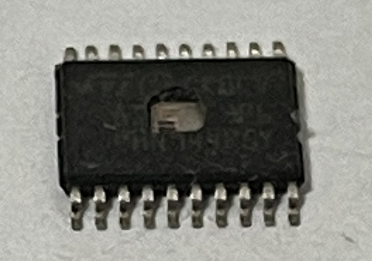
The device has integrated power-on reset (POR) and power-down reset (PDR) circuits. They are always active, and ensure proper operation above a threshold of 2 V to reverse engineering stm32f078r8 mcu code. The device remains in reset mode when the monitored supply voltage is below a specified threshold, VPOR/PDR, without the need for an external reset circuit.
- The POR monitors only the VDD supply voltage. During the startup phase it is required that VDDA should arrive first and be greater than or equal to VDD.
- The PDR monitors both the VDD and VDDA supply voltages, however the VDDA power supply supervisor can be disabled (by programming a dedicated Option bit) to reduce the power consumption if the application design ensures that VDDA is higher than or equal to VDD.
The device features an embedded programmable voltage detector (PVD) that monitors the VDD power supply and compares it to the VPVD threshold. An interrupt can be generated when VDD drops below the VPVD threshold and/or when VDD is higher than the VPVD threshold for the sake of recovering stm32f301r6 mcu flash memory code.
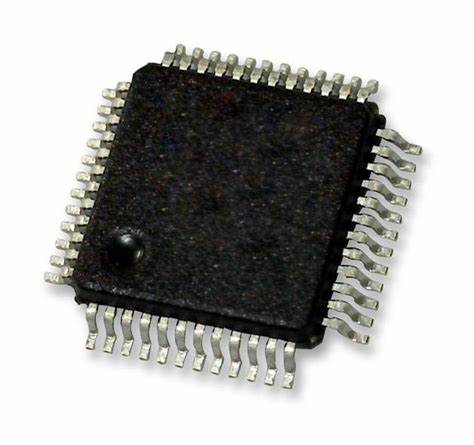
engenharia reversa STM32F058C8 microprocessador heximal de sua memória flash segura, o bit de fusível de stm32f058c8 MCU bloqueado será desativado e, em seguida, ler seu programa de memória;
The interrupt service routine can then generate a warning message and/or put the MCU into a safe state. The PVD is enabled by software.
 Posted in Reverse Engineer Microcontroller |
 Tags: Engenharia reversa de firmware integrado de microcontrolador protegido, Engenharia reversa um programa heximal de memória flash de microprocessador bloqueado, Engenharia reverte um código-fonte criptografado do microcomputador, Software binário MCU protegido por engenharia reversa |
 Comments Closed
Unlock STM32F105R8 Secured Microprocessor Flash Memory
Unlock STM32F105R8 Secured Microprocessor Flash Memory and extract embedded firmware from locked MCU STM32F105R8, and then copy heximal file to new stm32f105r8 microcontroller;

The STM32F050xx family supports three low-power modes to achieve the best compromise between low power consumption, short startup time and available wakeup sources:
● Sleep mode
In Sleep mode, only the CPU is stopped. All peripherals continue to operate and can wake up the CPU when an interrupt/event occurs.
● Stop mode
Stop mode achieves very low power consumption while retaining the content of SRAM and registers. All clocks in the 1.8 V domain are stopped, the PLL, the HSI RC and the HSE crystal oscillators are disabled in order to replicating embedded flash program from stm32f105r8 mcu. The voltage regulator can also be put either in normal or in low power mode.
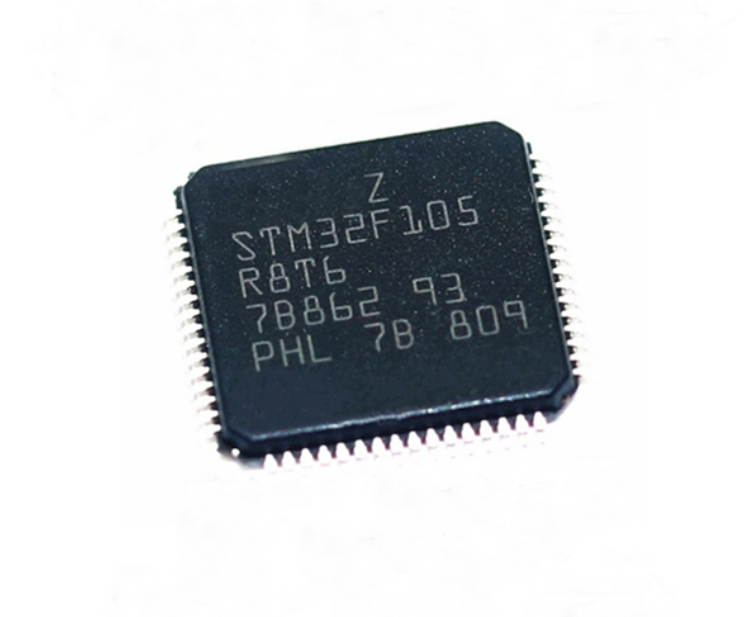
crack locked stm32f105r8 MCU fuse bit and restore embedded heximal program file from flash memory of stm32f105r8 MCU
The device can be woken up from Stop mode by any of the EXTI lines. The EXTI line source can be one of the 16 external lines, the PVD output, RTC alarm, I2C1 or USART1.
The I2C1 and the USART1 can be configured to enable the HSI RC oscillator for processing incoming data. If this is used, the voltage regulator should not be put in the low-power mode but kept in normal mode.
● Standby mode
The Standby mode is used to achieve the lowest power consumption. The internal voltage regulator is switched off so that the entire 1.8 V domain is powered off. The PLL, the HSI RC and the HSE crystal oscillators are also switched off. After entering Standby mode for the sake of restoring arm microcontroller stm32f103c4 flash binary, SRAM and register contents are lost except for registers in the Backup domain and Standby circuitry.
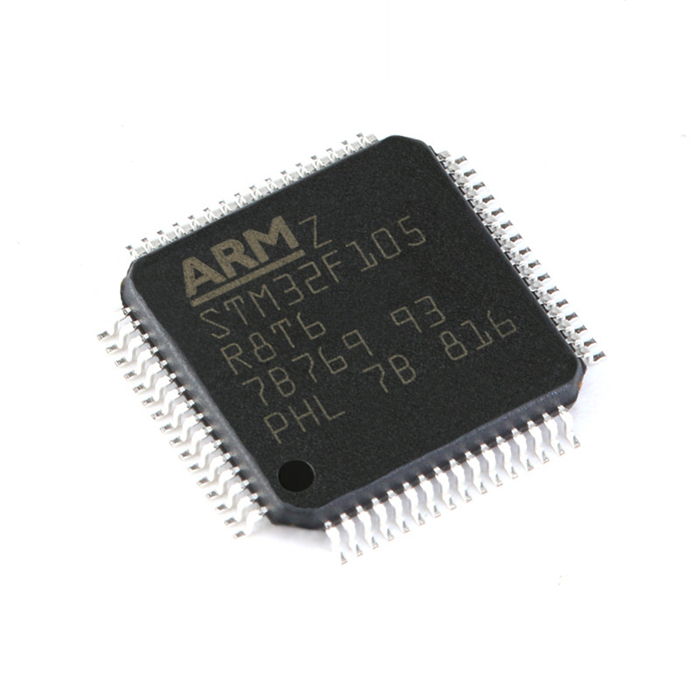
attack encrypted stm32f105r8t6 microcontroller protection and copy heximal program software from flash memory
The device exits Standby mode when an external reset (NRST pin), a IWDG reset, a rising edge on the WKUP pins, or an RTC alarm occurs.
Note: The RTC, the IWDG, and the corresponding clock sources are not stopped by entering Stop or Standby mode.
Renesas Locked R5F212AASDFP Memory Data Copying
Renesas Locked R5F212AASDFP Memory Data Copying will need to decrypt renesas MCU R5F212AASDFP flash memory content, copy software to new microprocessor R5F212AASDFP;
R0 is a 16-bit register for transfer, arithmetic, and logic operations. The same applies to R1 to R3. R0 can be split into high-order bits (R0H) and low-order bits (R0L) to be used separately as 8-bit data registers.
R1H and R1L are analogous to R0H and R0L. R2 can be combined with R0 and used as a 32-bit data register (R2R0). R3R1 is analogous to R2R0.
A0 is a 16-bit register for address register indirect addressing and address register relative addressing. It is also used for transfer, arithmetic, and logic operations. A1 is analogous to A0. A1 can be combined with A0 and as a 32- bit address register (A1A0).
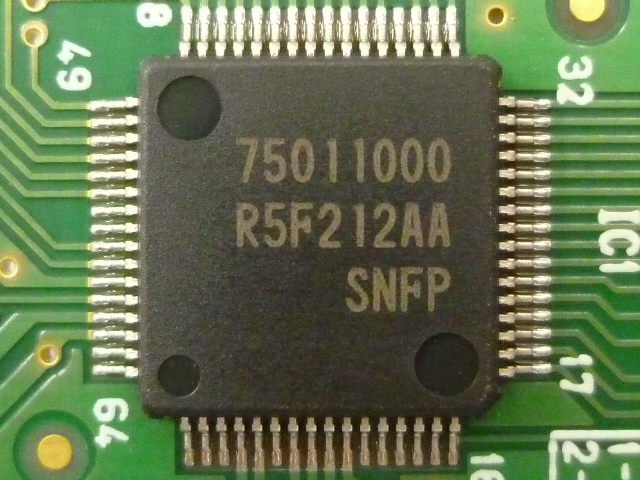
Renesas bloqueado R5F212AASDFP cópia de dados de memória precisará descriptografar renesas MCU R5F212AASDFP conteúdo de memória flash, copiar o software para o novo microprocessador R5F212AASDFP;
FB is a 16-bit register for FB relative addressing.
INTB is a 20-bit register that indicates the start address of an interrupt vector table.
Dump Renesas R5F212A7SDFA Protect MCU Flash Program
Dump Renesas R5F212A7SDFA Protect MCU Flash Program needs to know its internal structure and programming mechanism, extract its embedded firmware from R5F212A7SDFA microcontroller, and clone heximal file to new microprocessor R5F212A7SDFA;

R8C/Tiny series core
- Number of fundamental instructions: 89
- Minimum instruction execution time:
50 ns (f(XIN) = 20 MHz, VCC = 3.0 to 5.5 V)
100 ns (f(XIN) = 10 MHz, VCC = 2.7 to 5.5 V)
200 ns (f(XIN) = 5 MHz, VCC = 2.2 to 5.5 V)
- Multiplier: 16 bits × 16 bits ® 32 bits
- Multiply-accumulate instruction: 16 bits × 16 bits + 32 bits ® 32 bits
Operation mode: Single-chip mode (address space: 1 Mbyte)
3 circuits: XIN clock oscillation circuit (with on-chip feedback resistor) to breaking mcu R5F2L388 flash firmware,
On-chip oscillator (high-speed, low-speed)
(high-speed on-chip oscillator has a frequency adjustment function), XCIN clock oscillation circuit (32 kHz)
- Oscillation stop detection: XIN clock oscillation stop detection function
- Frequency divider circuit: Dividing selectable 1, 2, 4, 8, and 16
- Low power consumption modes:
Standard operating mode (high-speed clock, low-speed clock, high-speed on-chip oscillator, low-speed on-chip oscillator), wait mode, stop mode.
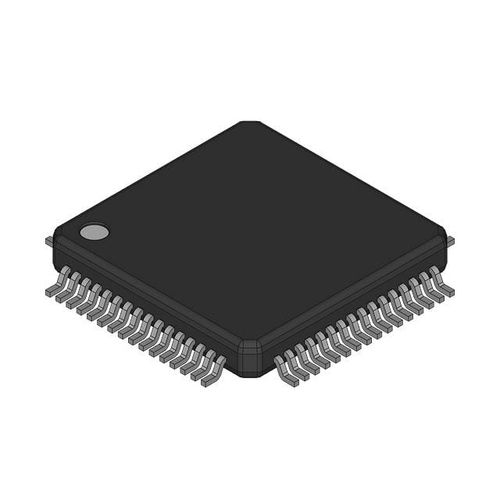
dump Renesas R5F212A7SDFA protegido MCU flash programa precisa conhecer sua estrutura interna e mecanismo de programação, extrair seu firmware incorporado do microcontrolador R5F212A7SDFA e clonar o arquivo heximal para o novo microprocessador R5F212A7SDFA
- External: 5 sources, Internal: 23 sources, Software: 4 sources
Priority levels: 7 levels
8 bits × 1 (with 8-bit prescaler)
Timer mode (period timer), pulse output mode (output level inverted every period), event counter mode, pulse width measurement mode, pulse period measurement mode.
8 bits × 1 (with 8-bit prescaler)
Timer mode (period timer), programmable waveform generation mode (PWM output), programmable one-shot generation mode, programmable wait one- shot generation mode
Reverse Engineer STM32F050K4 Microprocessor
Reverse Engineer STM32F050K4 Microprocessor Protection over flash memory, and break stm32f050k4 secured mcu firmware file, extract source code from stm32f050k4 microprocessor flash memory;
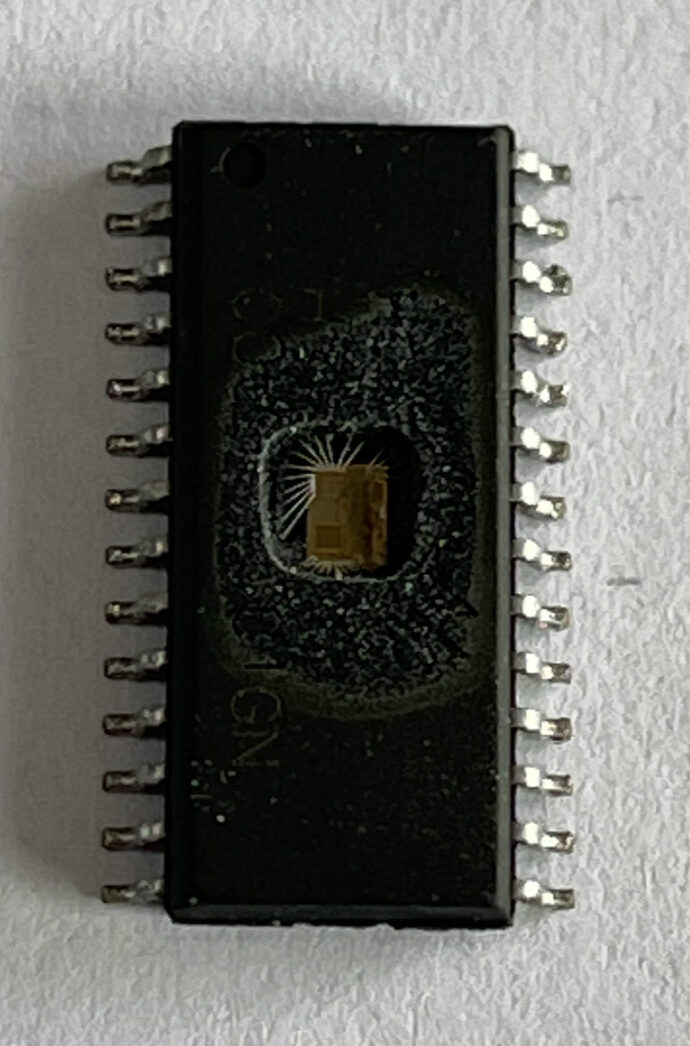
The device has the following features:
- 4 Kbytes of embedded SRAM accessed (read/write) at CPU clock speed with 0 wait states and featuring embedded parity checking with exception generation for fail-critical applications by restoring microcomputer stm32f072cb firmware file.
- The non-volatile memory is divided into two arrays:
- 16 to 32 Kbytes of embedded Flash memory for programs and data
- Option bytes
- The non-volatile memory is divided into two arrays:
The option bytes are used to write-protect the memory (with 4 KB granularity) and/or readout-protect the whole memory with the following options:
- Level 0: no readout protection
- Level 1: memory readout protection, the Flash memory cannot be read from or written to if either debug features are connected or boot in RAM is selected
Level 2: chip readout protection, debug features (Cortex-M0 serial wire) and boot in RAM selection disabled.
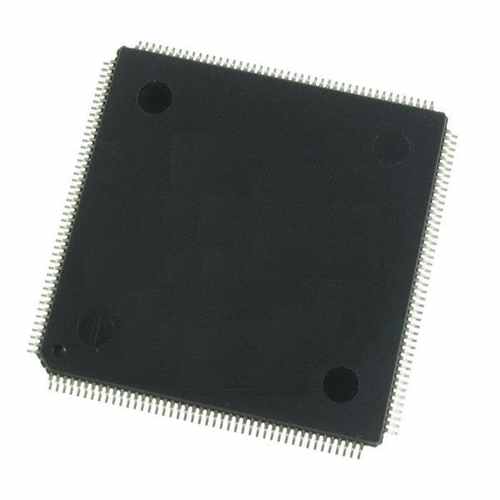
engenharia reversa STM32F050K4 proteção do microprocessador sobre memória flash, e quebrar stm32f050k4 arquivo de firmware mcu seguro, extrair o código-fonte da memória flash do microprocessador stm32f050k4
At startup, the boot pin and boot selector option bit are used to select one of three boot options:
- Boot from User Flash
- Boot from System Memory
- Boot from embedded SRAM
The boot loader is located in System Memory. It is used to reprogram the Flash memory by using USART1.
Posted in Reverse Engineer Microcontroller |
Tags: arquivo heximal do processador de engenharia reversa STM32F050K4, firmware do microcontrolador STM32F050K4 de engenharia reversa, firmware integrado de microcomputador STM32F050K4 de engenharia reversa, programa de engenharia reversa STM32F050K4 mcu |
Comments Closed
Breaking MCU STM32F050G4 Flash Memory
Breaking MCU STM32F050G4 Flash Memory and extract embedded heximal file out from microcontroller stm32f050g4, copy firmware from original microprocessor stm32f050g4 flash memory;
These features make the STM32F050xx microcontroller family suitable for a wide range of applications such as control application and user interfaces, handheld equipment, A/V receivers and digital TV, PC peripherals, gaming and GPS platforms, industrial applications, PLCs, inverters, printers, scanners, alarm systems, video intercoms, and HVACs.
The ARM Cortex™-M0 processor is the latest generation of ARM processors for embedded systems which will be used for reverse engineering stm32f078vb microcontroller. It has been developed to provide a low-cost platform that meets the needs of MCU implementation, with a reduced pin count and low-power consumption, while delivering outstanding computational performance and an advanced system response to interrupts.
quebrando a memória flash MCU STM32F050G4 e extrair arquivo heximal embutido do microcontrolador stm32f050g4, copiar firmware do microprocessador original stm32f050g4 memória flash;
The ARM Cortex™-M0 32-bit RISC processor features exceptional code-efficiency, delivering the high-performance expected from an ARM core in the memory size usually associated with 8- and 16-bit devices for recovering stm32f051c4 microcontroller flash binary. The STM32F050xx family has an embedded ARM core and is therefore compatible with all ARM tools and software.