 Recover STMicro STM32F103C6 MCU Flash Full Content
 September 21st, 2020 |
  Author:
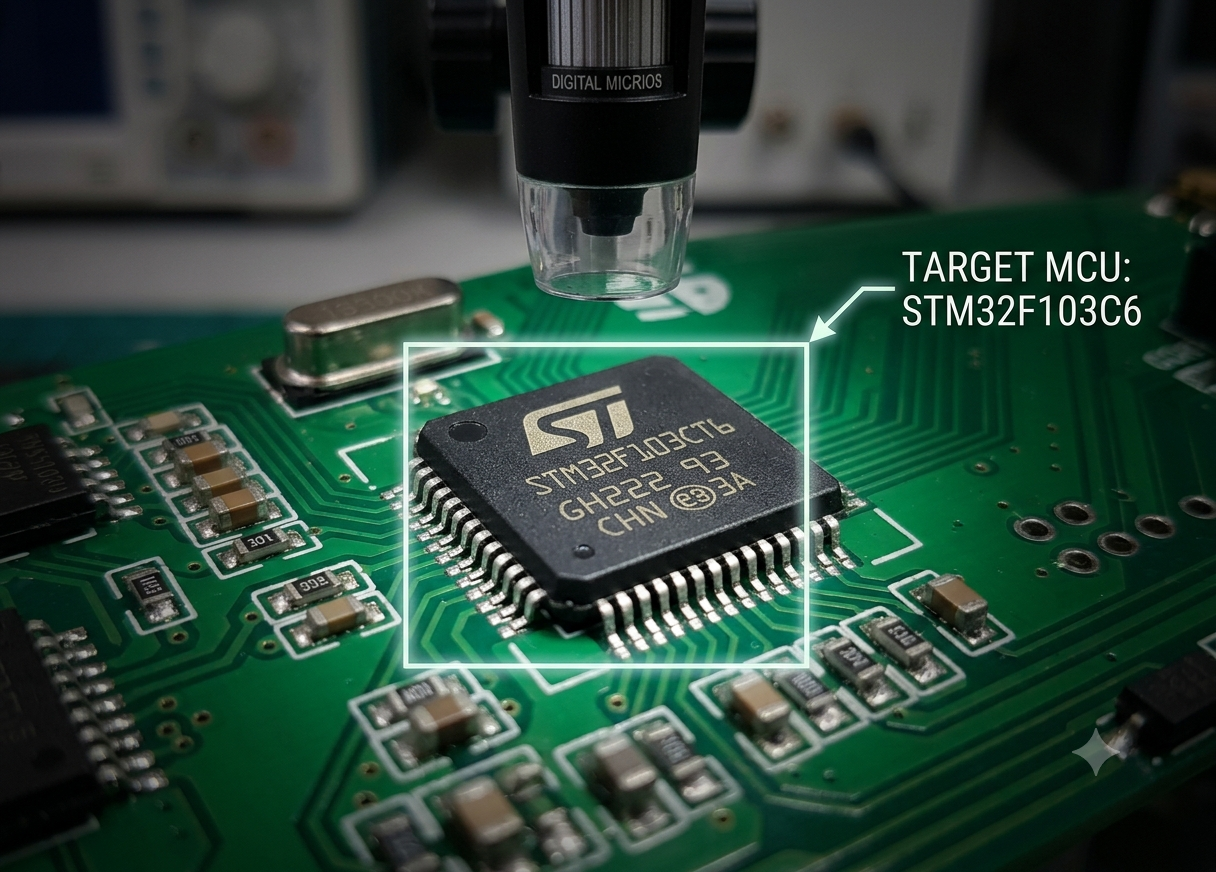
 The stmicroelectronics stm32f103c6 is a widely adopted mcu based on the arm cortex architecture, providing excellent processing capability, low power consumption, and flexible peripheral integration for modern embedded applications. This microcontroller has become a popular choice in industrial automation, consumer electronics, medical equipment, communication devices, automotive control modules, smart instruments, and intelligent monitoring systems.
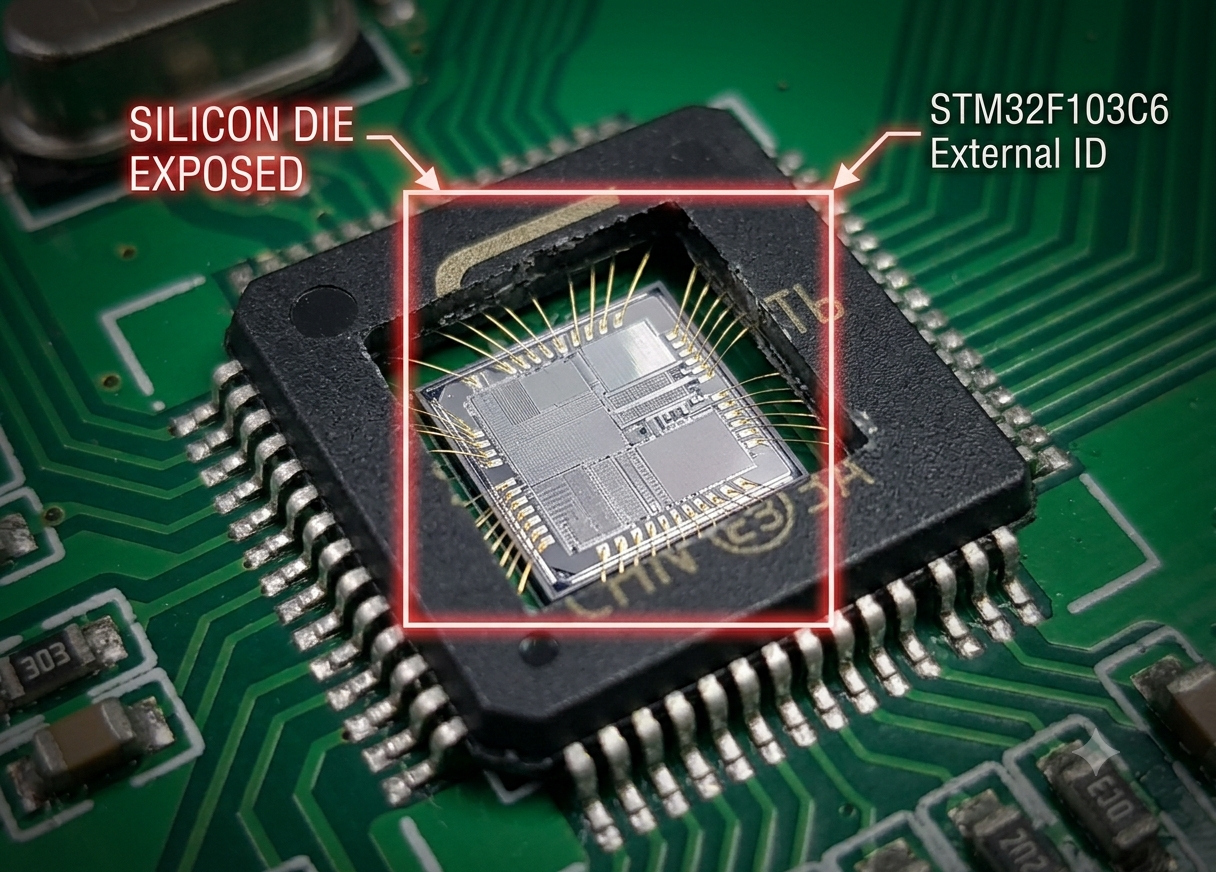
Its compact design and integrated flash memory allow developers to store important firmware, application program instructions, calibration parameters, and operational data directly inside the device. In many commercial products, the internal resources of the chip are configured with protective, protected, locked, secured, or encrypted mechanisms to safeguard valuable software assets. However, as electronic systems remain in service for many years, manufacturers and engineering teams often face challenges caused by missing development documents, unavailable software projects, or lost binary, heximal, source code, and engineering archive files. Recovering full firmware information from legacy hardware becomes essential for maintenance, redesign, compatibility analysis, and long-term product support.
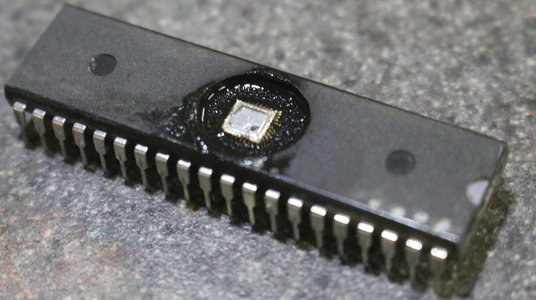
Our “recover stmicro stm32f103c6 mcu flash full content” service focuses on authorized recovery, preservation, and analysis of embedded software resources stored inside the stm32f103c6 mcu. Through advanced engineering evaluation and specialized laboratory workflows, our specialists analyze the internal architecture of the microcontroller, identify available flash regions, and support the recovery of valuable firmware, binary, and configuration data.
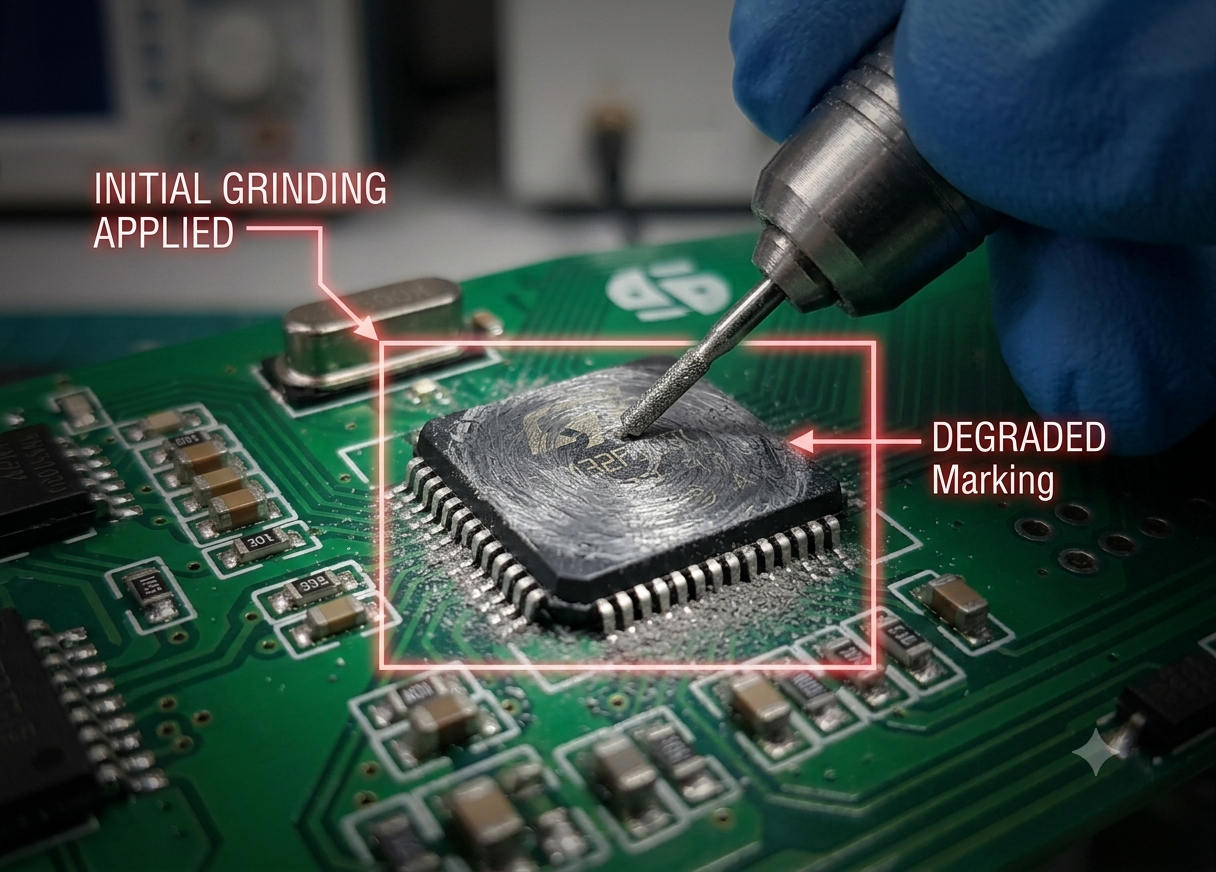
Depending on the condition of the target device and project requirements, controlled semiconductor inspection and carefully managed decapsulate analysis may be applied to improve understanding of internal storage structures. Advanced decode methods are used to interpret recovered heximal information, organize fragmented file structures, and rebuild meaningful archive resources. For devices containing locked, protected, or encrypted configurations, our engineers evaluate the architecture and select appropriate recovery approaches based on customer authorization.
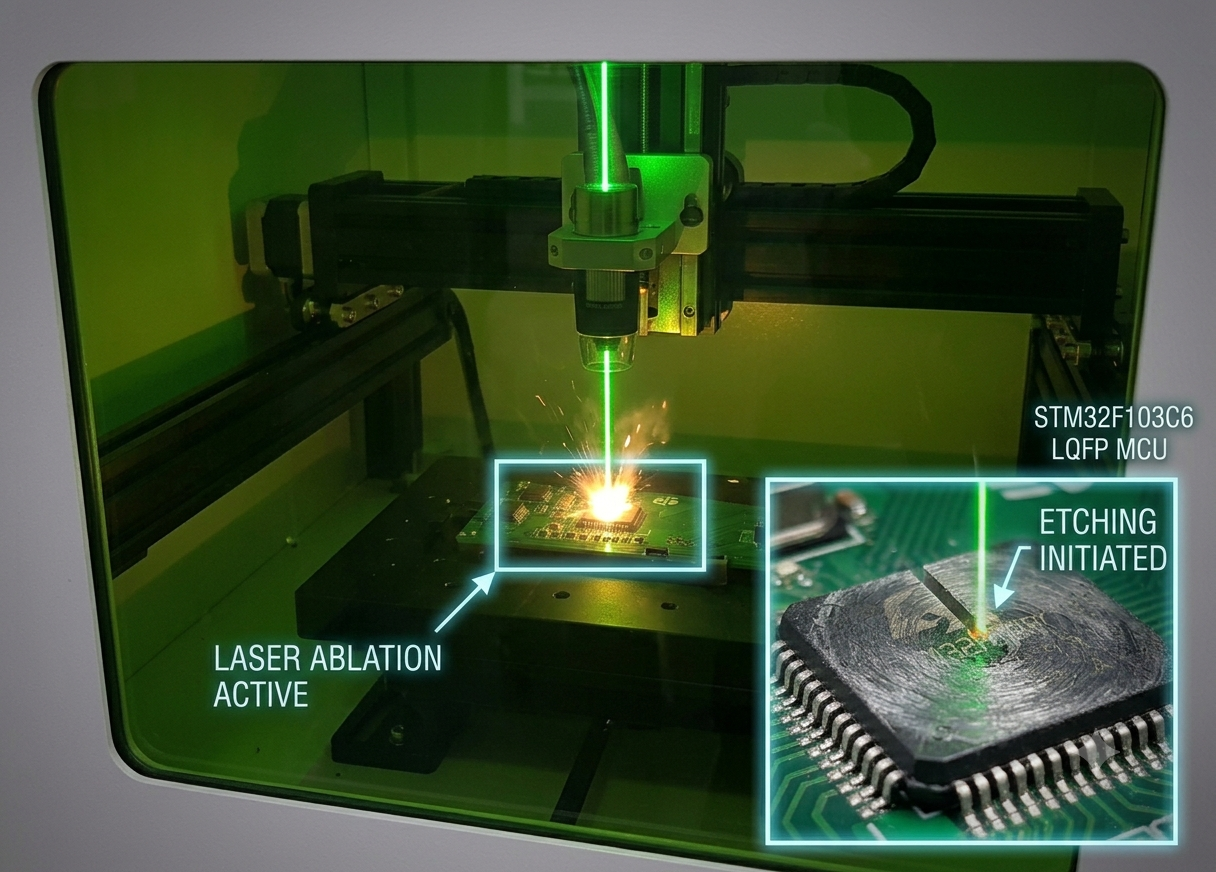
Instead of simply attempting to attack, break, or hack a device, our goal is to preserve valuable engineering information and help customers maintain ownership of their embedded technology. Recovered flash full content, program data, and firmware resources can support product documentation, troubleshooting, system migration, controlled clone development, and duplicate validation for existing designs.
The MCU is placed under the following conditions:
- l All I/O pins are in input mode with a static value at VDD or VSS (no load)
- l All peripherals are disabled except if it is explicitly mentioned
- l Prefetch in on (reminder: this bit must be set before clock setting and bus prescaling)
- l When the peripherals are enabled fPCLK1 = fHCLK, fPCLK2 = fHCLK
The parameters given in below Table are derived from tests performed under the ambient temperature and VDD supply voltage conditions summarized.
- All I/O pins are in input mode with a static value at VDD or VSS (no load)
- All peripherals are disabled except if it is explicitly mentioned
- When the peripherals are enabled fPCLK1 = fHCLK, fPCLK2 = fHCLK, fADCCLK = fPCLK2/2
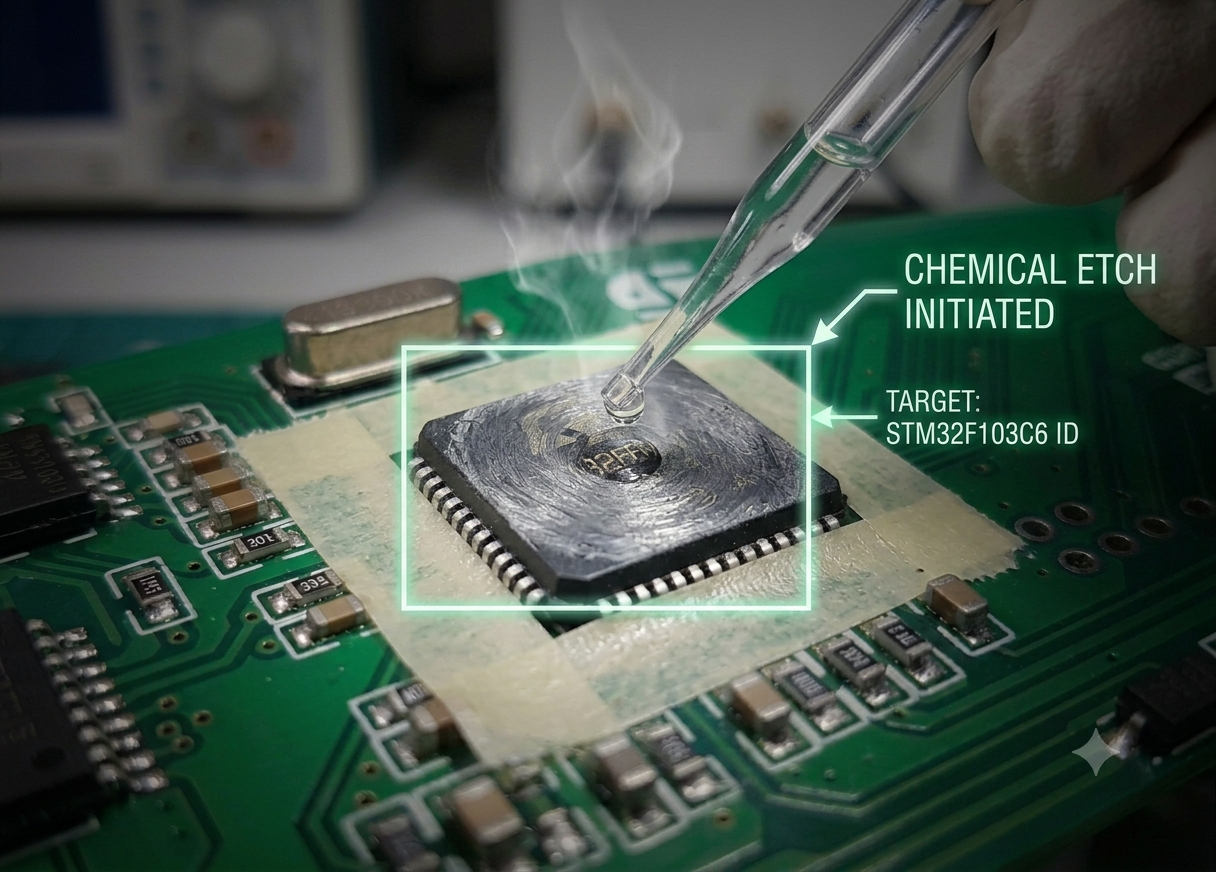
The technical process combines hardware analysis with embedded software reconstruction. Engineers first evaluate the physical condition of the ic, inspect the relationship between the memory structure and firmware operation, and identify the organization of available storage areas. Recovered binary images are carefully analyzed to verify integrity and reconstruct meaningful program sections. Through advanced software tools, engineers can retrieve valuable data, compare firmware behavior, and establish connections between hardware functions and stored application logic.
Where appropriate and authorized, selective decapsulate techniques may provide additional insight into difficult-to-access internal structures of the microprocessor. This methodology helps recover important engineering resources from discontinued or unsupported products where original software environments and development files are no longer available. Although the stm32f103c6 is not a dsp or texas instrument device, its embedded architecture requires the same level of professional analysis applied to complex processor platforms. The recovered source code references, firmware records, and technical archive materials provide practical value for redesign, modernization, maintenance, and lifecycle extension.
For manufacturers, repair organizations, and engineering teams, recovering stm32f103c6 flash content provides significant benefits for protecting existing investments. Access to historical firmware, validated binary files, reconstructed heximal resources, and organized data archives reduces redevelopment effort and improves product continuity.
Companies can maintain installed equipment, support older product generations, migrate designs to updated platforms, and preserve years of embedded development work. By combining expertise in stmicroelectronics, mcu, microcontroller, and firmware analysis, our service provides a reliable solution for transforming inaccessible chip information into practical engineering resources. Whether the objective is system recovery, technical documentation, product improvement, or long-term maintenance, our capability helps customers preserve critical embedded knowledge and extend the operational life of important electronic systems.
 Posted in Recover Chip