 Recover MCU ATmega164PA Code
 November 18th, 2010 |
  Author:
 The ATmega164PA is a widely deployed microcontroller designed for stable operation, low power consumption, and flexible integration across long-life electronic products. This device is commonly used in industrial control equipment, intelligent instrumentation, consumer electronics, access systems, environmental monitoring products, medical devices, and communication modules. Its architecture allows designers to implement reliable embedded control functions while storing operational firmware, application program logic, and configuration data inside internal flash, eeprom, and integrated memory resources. As products mature and development files become unavailable, organizations often encounter situations where original source code, binary, heximal, or historical archive records are no longer accessible. In many commercial deployments, these assets are intentionally maintained within protected, locked, secured, or encrypted environments to preserve product integrity and lifecycle value.
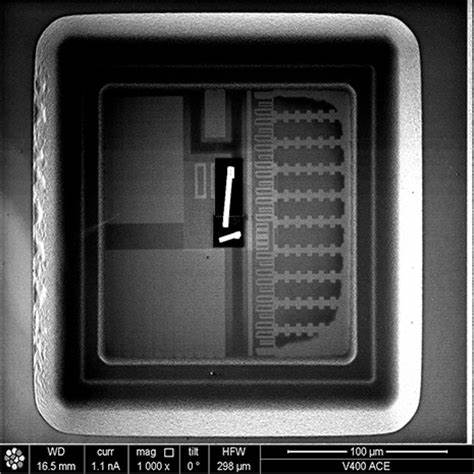
Since the external memory is mapped after the internal memory as shown in Figure 14, the external memory is not addressed when addressing the first 8,704 bytes of data space.
It may appear that the first 8,704 bytes of the external memory are inaccessible (external memory addresses 0x0000 to 0x21FF). However, when connecting an external memory smaller than 64 KB, for example 32 KB, these locations are easily accessed simply by addressing from address 0x8000 to 0xA1FF.
Our “Recover MCU ATmega164PA Code” service is developed to support lawful recovery, preservation, and reconstruction of valuable engineering information from legacy and active embedded platforms. The objective is not to bypass ownership controls but to help authorized organizations retrieve historical firmware, recover operational program structures, and rebuild missing technical documentation. Through structured evaluation workflows and advanced laboratory analysis, our team supports projects involving memory assessment, data reconstruction, and decode of archived firmware structures where appropriate authorization exists.
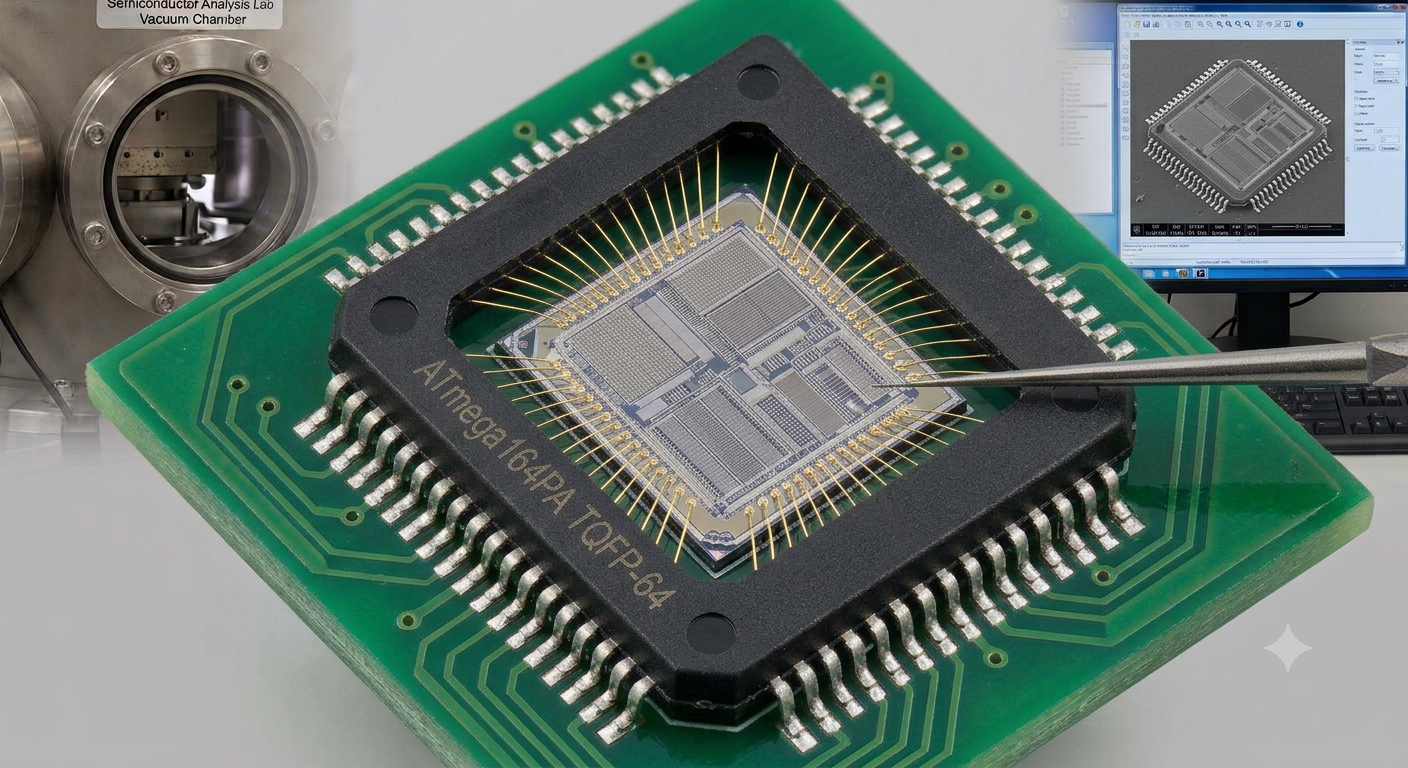
Depending on device condition and project requirements, controlled examination methods may be applied to study internal storage organization and recover available binary and heximal records. Extracted information is organized into usable file and archive formats that support engineering continuity. In selected projects, recovered outputs may assist customers in maintaining product compatibility, validating historical configurations, preparing controlled clone references, or supporting limited duplicate production requirements. Addressing above address 0xA1FF is not recommended, since this will address an external memory location that is already accessed by another (lower) address. To the Application software, the external 32 KB memory will appear as one linear 32 KB address space from 0x2200 to 0xA1FF.
Since the External Memory is mapped after the Internal Memory as shown in Figure 14,only 56KB of External Memory is available by default (address space 0x0000 to 0x21FF is reserved for internal memory). However, it is possible to take advantage of the entire External Memory by masking the higher address bits to zero.
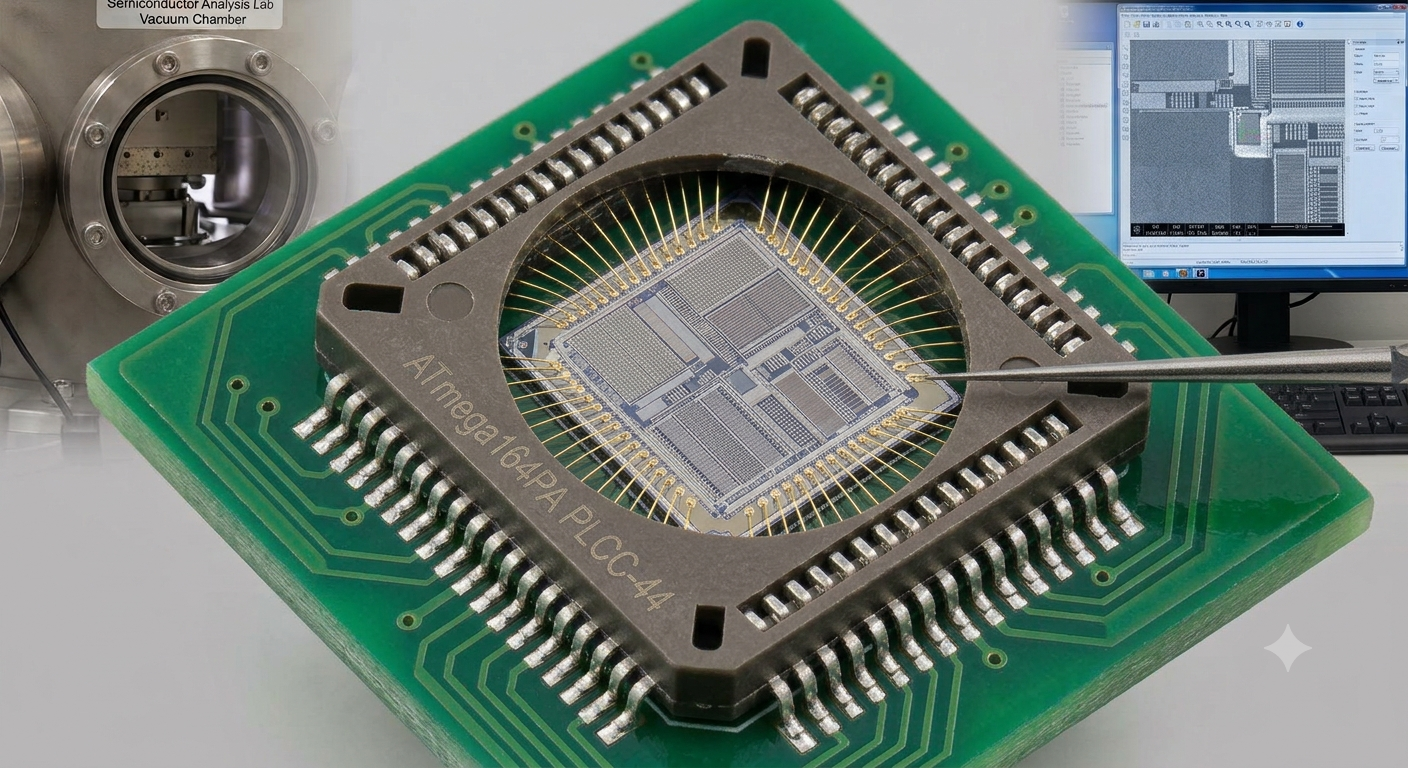
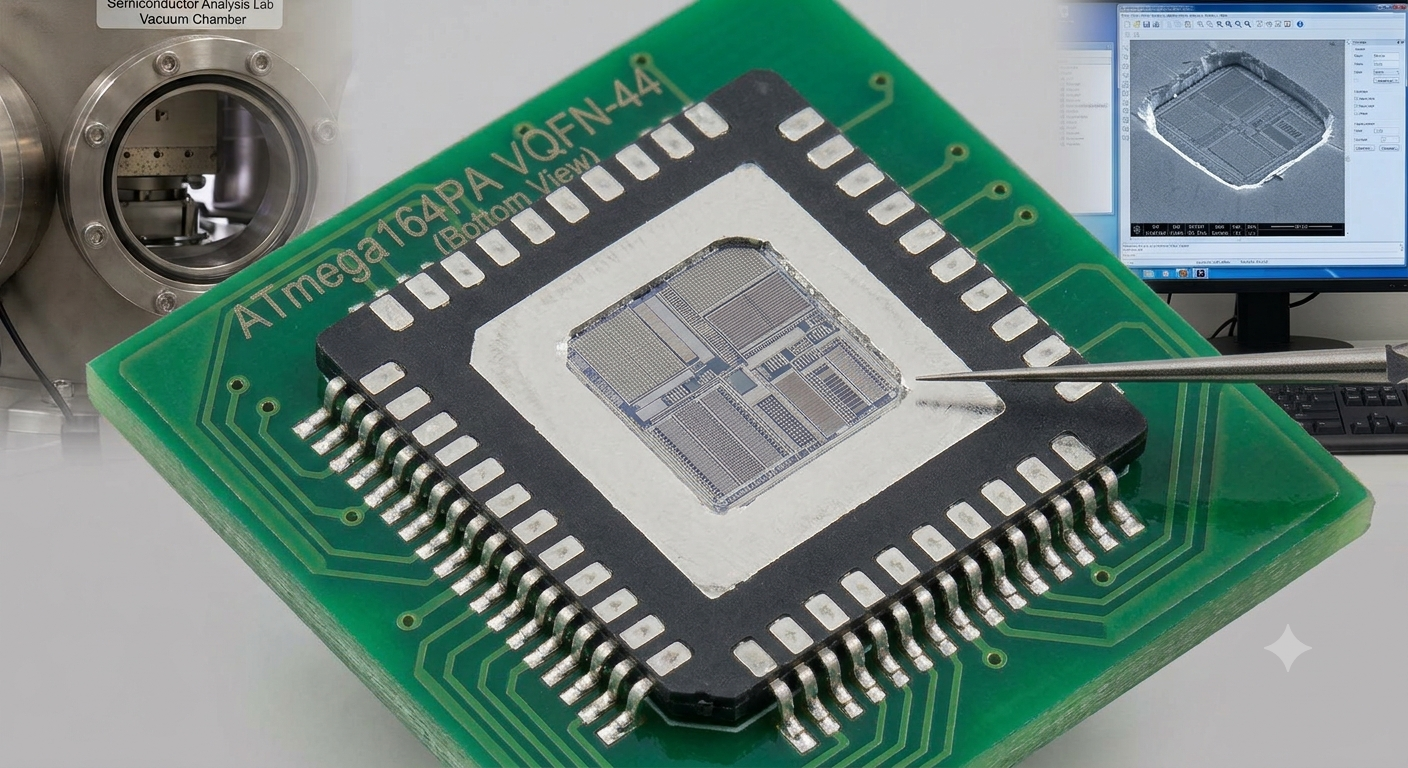
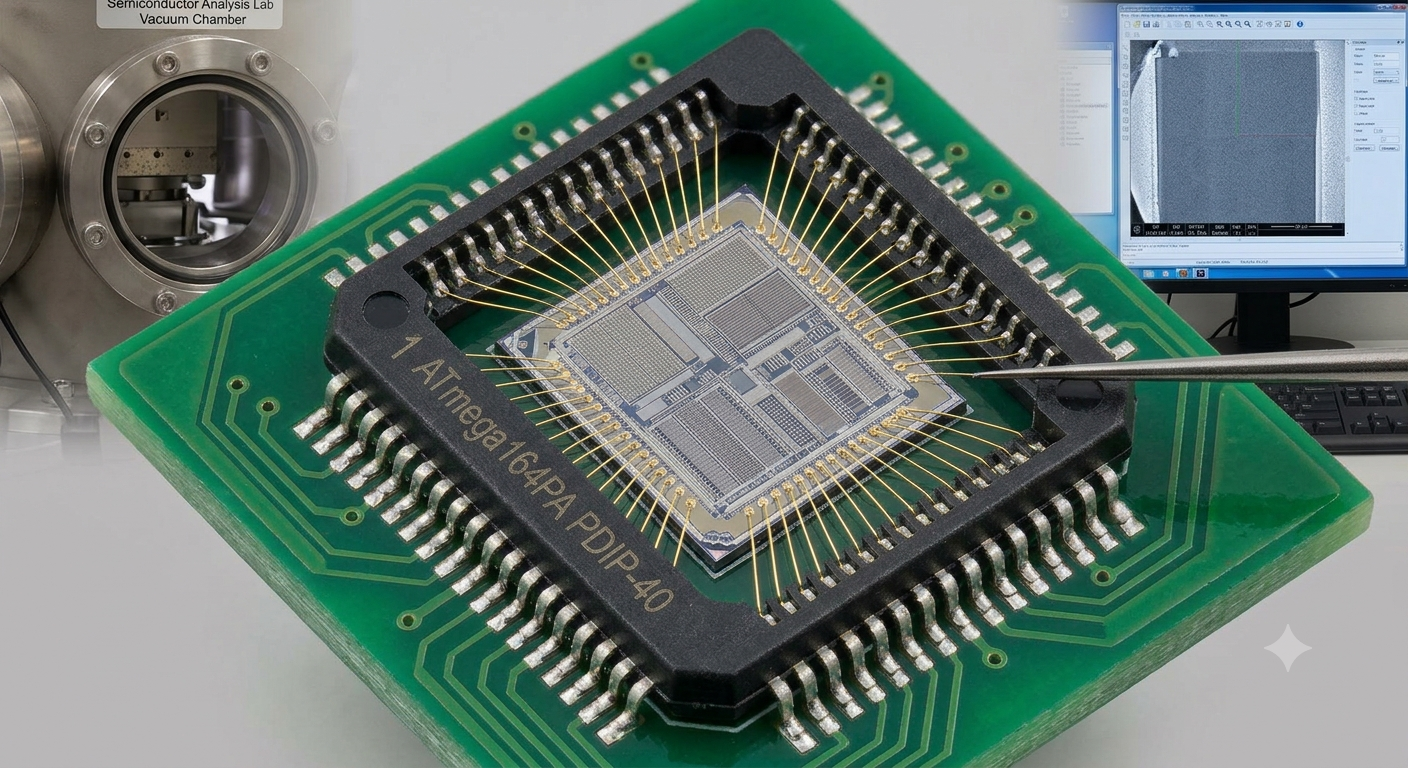
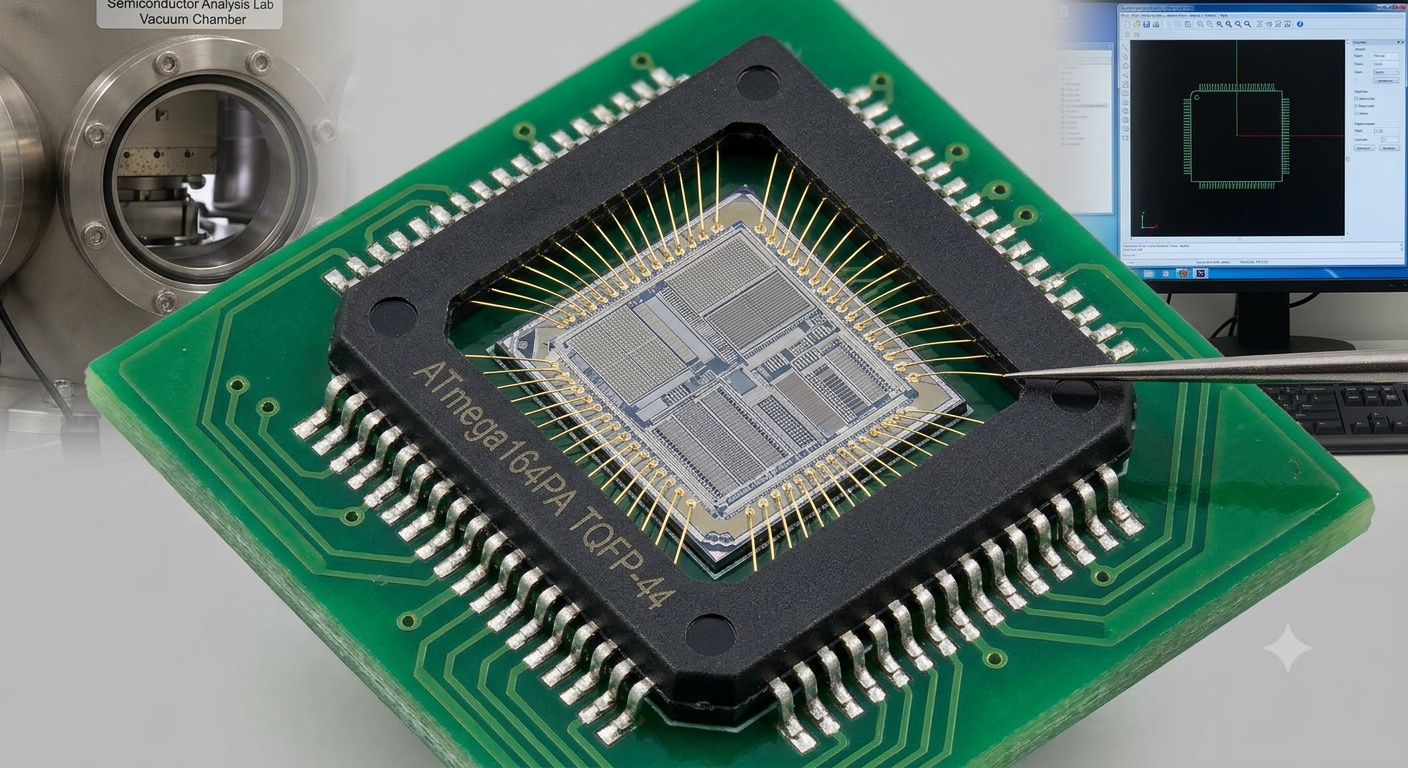
The technical process emphasizes analysis and preservation rather than direct replication. Our workflow focuses on collecting available data, validating integrity, and reconstructing usable engineering assets from available firmware structures. Specialized evaluation techniques may be used to inspect device behavior and support recovery of historical source code references and application program logic. When required and legally authorized, advanced laboratory procedures can assist in understanding storage organization and recovering content from secured or protected environments. Rather than attempting to attack, break, or hack active security systems, the service prioritizes preservation, documentation, and controlled recovery. Where physical inspection is appropriate, carefully managed package analysis and limited decapsulate methods may support interpretation of inaccessible memory regions and help organize recovered binary files into structured engineering outputs.
Care must be exercised using this option as most of the memory is masked away. Figure 21 presents the principal clock systems in the AVR and their distribution. All of the clocks need not be active at a given time. In order to reduce power consumption, the clocks to modules not being used can be halted by using different sleep modes, as described in “Power Management and Sleep Modes” on page 51. The clock systems are detailed below.
The CPU clock is routed to parts of the system concerned with operation of the AVR core. Examples of such modules are the General Purpose Register File, the Status Register and the data memory holding the Stack Pointer. Halting the CPU clock inhibits the core from performing general operations and calculations.
The I/O clock is used by the majority of the I/O modules, like Timer/Counters, SPI, and USART. The I/O clock is also used by the External Interrupt module, but note that some external interrupts are detected by asynchronous logic, allowing such interrupts to be detected even if the I/O clock is halted.
Also note that start condition detection in the USI module is carried out asynchronously when clkI/O is halted, TWI address recognition in all sleep modes.
The Flash clock controls operation of the Flash interface. The Flash clock is usually active simultaneously with the CPU clock. The Asynchronous Timer clock allows the Asynchronous Timer/Counter to be clocked directly from an external clock or an external 32 kHz clock crystal.
For end users, recovering ATmega164PA code creates practical business value across maintenance, modernization, and product lifecycle management. Access to historical firmware, archived data, and reconstructed source code can reduce redevelopment effort, preserve existing hardware investments, and accelerate technical decision making. Organizations can maintain installed equipment, document legacy platforms, and support future upgrades without restarting development from the beginning. By combining embedded expertise with disciplined recovery methodology, our service helps customers preserve critical electronic knowledge and transform inaccessible device content into reusable engineering resources for long-term continuity.
 Posted in Recover Chip