 Readout DSP Chip TMS320LF2406APZAR Program
 June 25th, 2013 |
  Author:
 The tms320lf2406apzar is a high-performance dsp device from texas instrument that has been widely used in industrial and commercial control applications requiring fast signal processing, accurate real-time calculation, and reliable embedded operation. As a specialized microprocessor platform, this chip provides strong processing capability for applications such as motor control systems, industrial automation equipment, power conversion devices, robotics, medical instruments, communication systems, and intelligent measurement platforms.
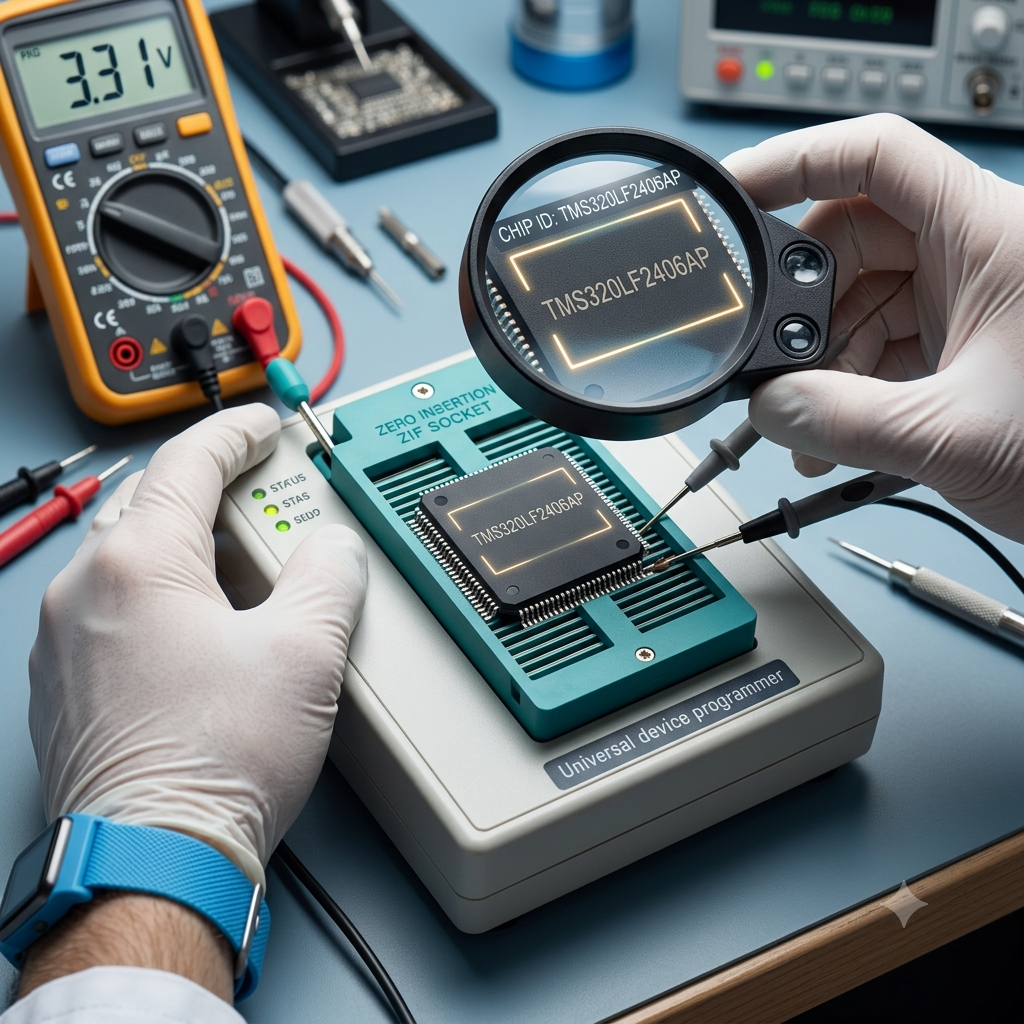
Unlike conventional microcontroller solutions, this dsp architecture is optimized for mathematical operations, digital signal processing, and complex control algorithms. During product development, manufacturers store essential firmware, control program logic, calibration data, and configuration information inside internal memory, including flash and other non-volatile storage areas. Over time, many organizations face challenges when original development documents, software projects, or engineering archive files are unavailable. Additionally, stored resources may be configured with protective, protected, locked, secured, or encrypted mechanisms, making access to original binary, heximal, and source code resources difficult without professional analysis.
High-Performance Static CMOS Technology
− 25-ns Instruction Cycle Time (40 MHz)
− 40-MIPS Performance
− Low-Power 3.3-V Design
D Based on TMS320C2xx DSP CPU Core
− Code-Compatible With F243/F241/C242
− Instruction Set and Module Compatible
With F240
D Flash (LF) and ROM (LC) Device Options
− LF240xA: LF2407A, LF2406A,
LF2403A, LF2402A
− LC240xA: LC2406A, LC2404A,
LC2403A, LC2402A
D On-Chip Memory
− Up to 32K Words x 16 Bits of Flash
EEPROM (4 Sectors) or ROM
− Programmable “Code-Security” Feature for the On-Chip Flash/ROM
− Up to 2.5K Words x 16 Bits of
Data/Program RAM
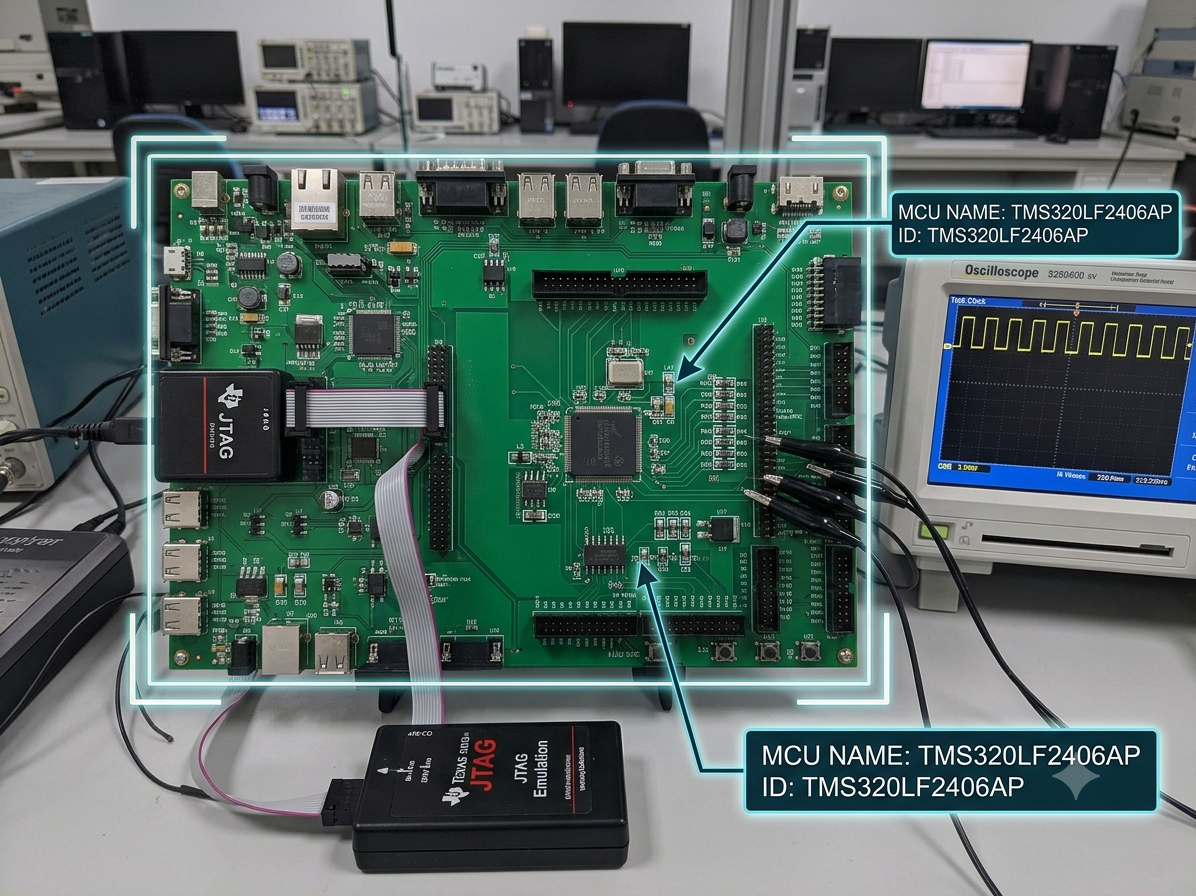
− 544 Words of Dual-Access RAM
− Up to 2K Words of Single-Access RAM
D Boot ROM (LF240xA Devices)
− SCI/SPI Bootloader
D Up to Two Event-Manager (EV) Modules (EVA and EVB), Each Includes:
− Two 16-Bit General-Purpose Timers
− Eight 16-Bit Pulse-Width Modulation (PWM) Channels Which Enable:
− Three-Phase Inverter Control
− Center- or Edge-Alignment of PWM Channels
− Emergency PWM Channel Shutdown With External PDPINTx Pin
− Programmable Deadband (Deadtime) Prevents Shoot-Through Faults
− Three Capture Units for Time-Stamping of External Events
− Input Qualifier for Select Pins
− On-Chip Position Encoder Interface Circuitry
− Synchronized A-to-D Conversion
− Designed for AC Induction, BLDC,
Switched Reluctance, and Stepper Motor Control
− Applicable for Multiple Motor and/or Converter Control
D External Memory Interface (LF2407A)
− 192K Words x 16 Bits of Total Memory:
64K Program, 64K Data, 64K I/O
D Watchdog (WD) Timer Module
D 10-Bit Analog-to-Digital Converter (ADC)
− 8 or 16 Multiplexed Input Channels
− 500-ns MIN Conversion Time
− Selectable Twin 8-State Sequencers
Triggered by Two Event Managers
D Controller Area Network (CAN) 2.0B Module (LF2407A, 2406A, 2403A)
D Serial Communications Interface (SCI)
D 16-Bit Serial Peripheral Interface (SPI)
(LF2407A, 2406A, LC2404A, 2403A)
D Phase-Locked-Loop (PLL)-Based Clock Generation
D Up to 40 Individually Programmable,
Multiplexed General-Purpose Input / Output (GPIO) Pins
D Up to Five External Interrupts (Power Drive Protection, Reset, Two Maskable Interrupts)
D Power Management:
− Three Power-Down Modes
− Ability to Power Down Each Peripheral Independently
D Real-Time JTAG-Compliant Scan-Based Emulation, IEEE Standard 1149.1† (JTAG)
D Development Tools Include:
− Texas Instruments (TI) ANSI C Compiler,
Assembler/ Linker, and Code Composer
Studio Debugger
− Evaluation Modules
− Scan-Based Self-Emulation (XDS510)
− Broad Third-Party Digital Motor Control Support D Package Options
Our “readout dsp chip tms320lf2406apzar program” service provides specialized support for authorized recovery, preservation, and analysis of valuable embedded software assets stored inside this advanced dsp platform. Through comprehensive semiconductor evaluation and firmware analysis methods, our engineers can examine the internal structure of the microprocessor, identify stored program resources, and assist in recovering available firmware, data, and memory information. Depending on the device condition and project requirements, advanced laboratory procedures, including controlled decapsulate analysis, may be used to gain deeper understanding of internal storage structures.
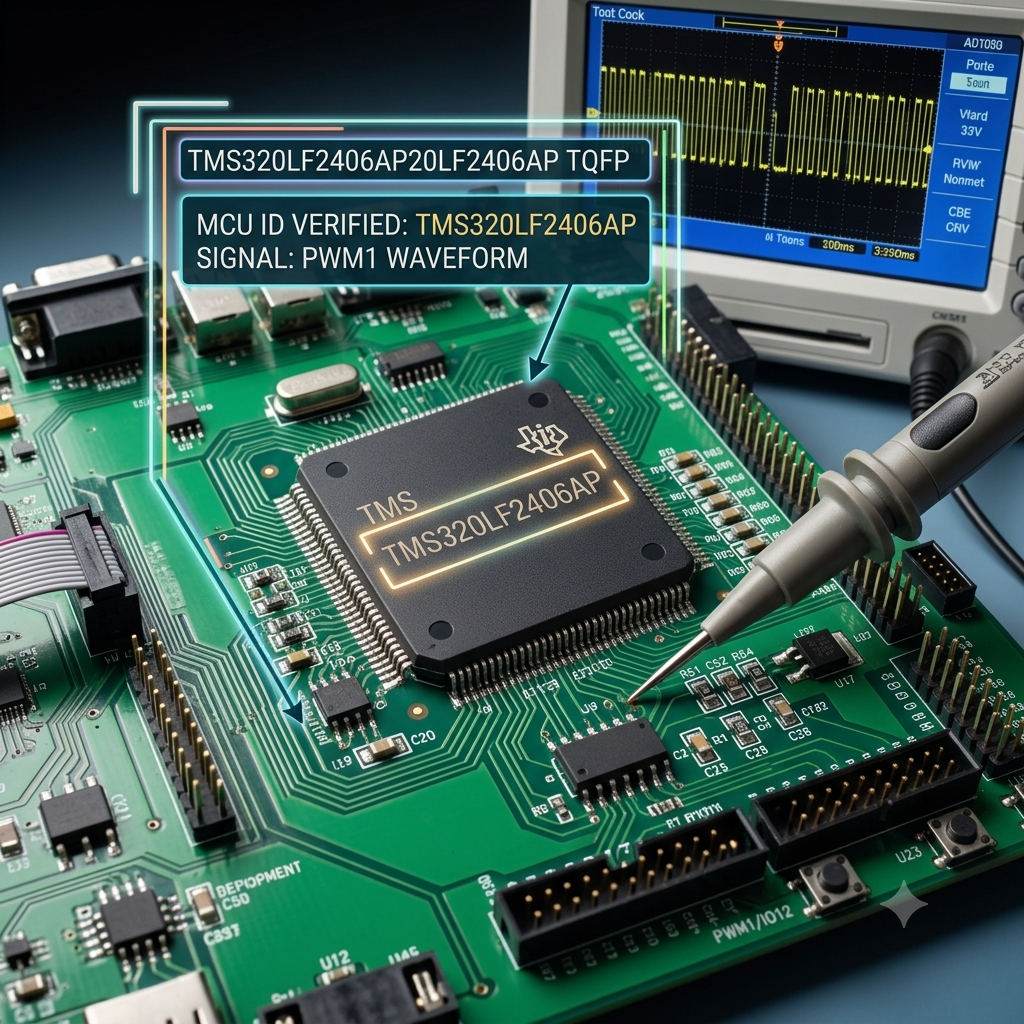
By combining hardware investigation with software interpretation, our team can retrieve available binary images, organize heximal information, and reconstruct meaningful file and archive records. Professional decode processes help transform collected information into structured engineering resources, allowing customers to analyze original firmware behavior and preserve important technical knowledge. For projects involving locked, secured, or encrypted devices, our specialists evaluate the architecture of the target texas instrument dsp and determine suitable recovery approaches. Rather than simply attempting to attack, break, or hack a device, the objective is to preserve customer-owned technology and support engineering continuity. Recovered resources may assist with product maintenance, compatibility studies, controlled clone development, and duplicate validation for legacy systems.
The recovery and analysis workflow for the tms320lf2406apzar requires a combination of dsp expertise, embedded software knowledge, and semiconductor understanding. Engineers first evaluate the condition of the chip, study the relationship between hardware operation and stored memory content, and identify the organization of available flash, firmware, and configuration regions. Extracted binary and heximal information is carefully analyzed to reconstruct meaningful program structures and support the creation of updated engineering documentation.
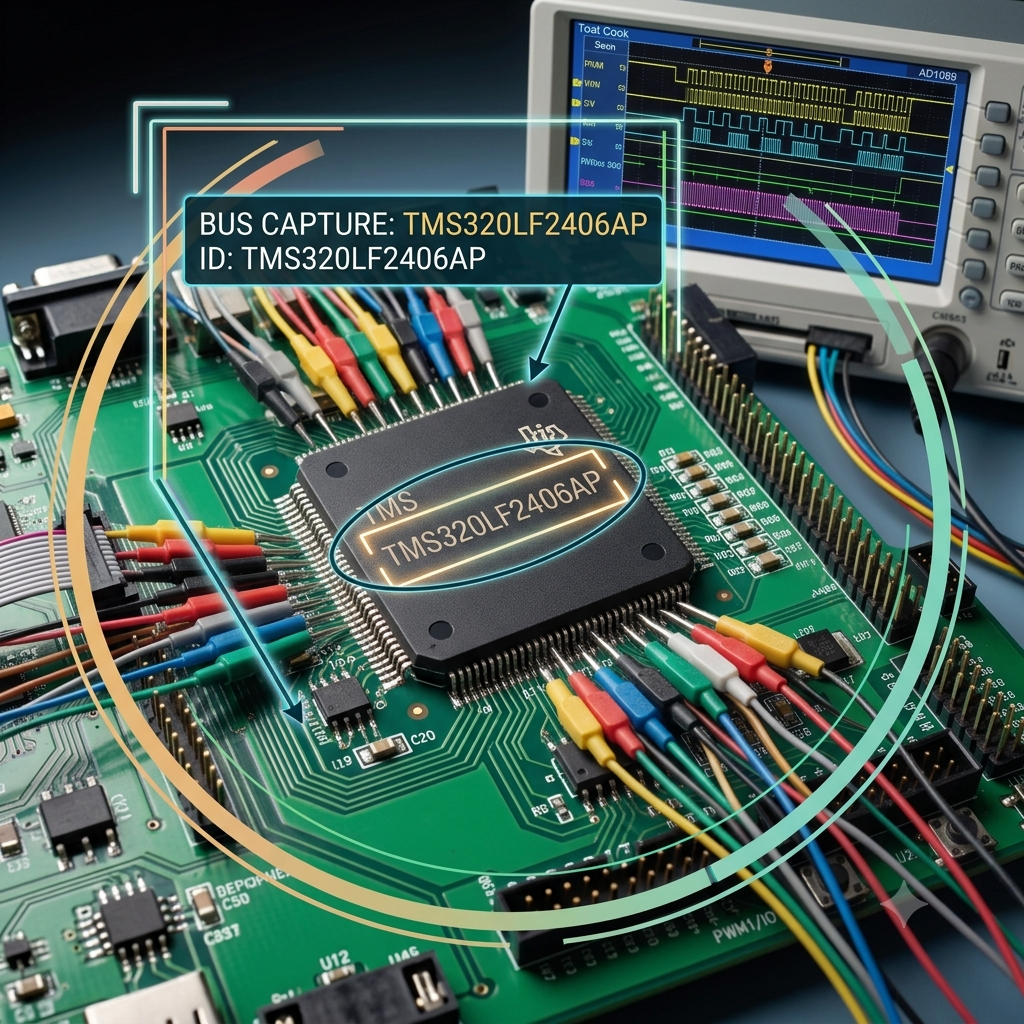
Advanced tools are used to decode recovered data, compare firmware behavior, and identify relationships between application logic and hardware functions. When authorized and technically appropriate, specialized inspection techniques, including selective decapsulate procedures, can provide additional visibility into internal structures of the mcu and microcontroller environments. This process allows engineers to recover valuable information from aging electronic systems where original software files, development environments, or source documentation may no longer exist. The final recovered archive, firmware resources, and technical records provide practical support for redesign, troubleshooting, modernization, and long-term product lifecycle management.
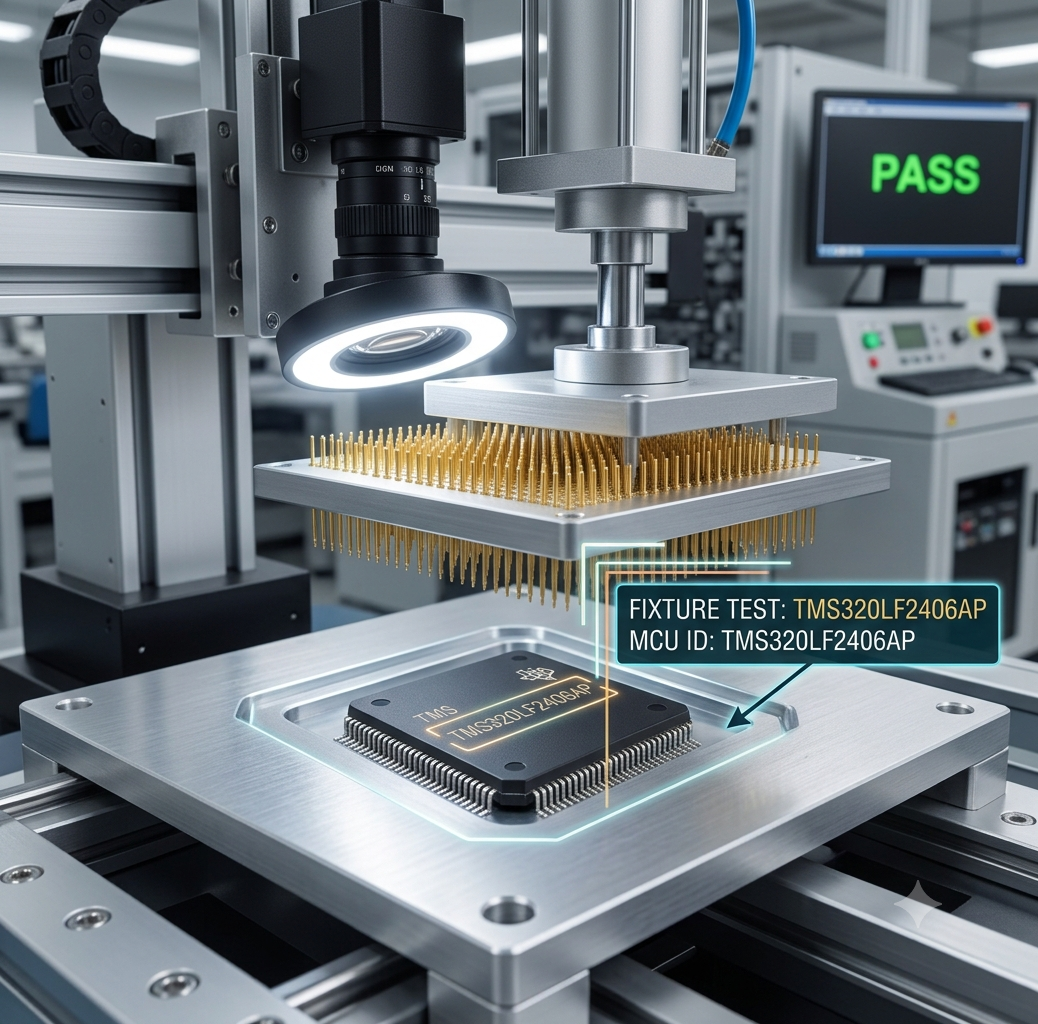
For manufacturers, engineering companies, and maintenance providers, recovering the tms320lf2406apzar program delivers significant advantages in preserving existing investments. Access to historical firmware, validated binary resources, reconstructed source code references, and organized data archives helps reduce redevelopment costs and extend the operational life of proven products.
Companies can maintain legacy control systems, support discontinued equipment, migrate designs to updated platforms, and improve technical documentation without starting development again from zero. With professional experience in dsp, texas instrument, microprocessor, and embedded microcontroller analysis, our service provides a reliable pathway for recovering valuable engineering assets and transforming inaccessible chip information into practical resources for future innovation and system continuity.
 Posted in Recover MCU