 ARM Microcontroller STM32F207IGT6 Flash Firmware Recovery
 October 6th, 2022 |
  Author:
 ARM Microcontroller STM32F207IGT6 Flash Firmware Recovery needs to crack protected MCU STM32F207IGT6 protective system then copy embedded flash content from STM32F207IGT6 MCU memory;
ARM Microcontroller STM32F207IGT6 Flash Firmware Recovery needs to crack protected MCU STM32F207IGT6 protective system then copy embedded flash content from STM32F207IGT6 MCU memory
USART1, USART2, USART3 and USART6 also provide hardware management of the CTS and RTS signals, Smart Card mode (ISO 7816 compliant) and SPI-like communication capability. All interfaces can be served by the DMA controller.
Odzyskiwanie wbudowanego oprogramowania układowego z mikrokontrolerem zabezpieczonym STM32F207IGT6 pamięcią flash ARM musi złamać chroniony system ochronny MCU STM32F207IGT6, a następnie skopiować osadzoną zawartość flash danych binarnych lub programu szesnastkowego z STM32F207IGT6 oryginalnej pamięci mikroprocesora głównego
The STM32F20x devices feature up to three SPIs in slave and master modes in full-duplex and simplex communication modes. SPI1 can communicate at up to 30 Mbits/s, while SPI2 and SPI3 can communicate at up to 15 Mbit/s when breaking arm mcu stm32f205rbt6 flash memory. The 3-bit prescaler gives 8 master mode frequencies and the frame is configurable to 8 bits or 16 bits.
STMicroelectronics STM32F207IGT6 locked mcu fuse bit unlocking and extract embedded firmware heximal program from STMicroelectronics STM32F207IGT6 microprocessor flash memory
The hardware CRC generation/verification supports basic SD Card/MMC modes. All SPIs can be served by the DMA controller. The SPI interface can be configured to operate in TI mode for communications in master mode and slave mode. Two standard I2S interfaces (multiplexed with SPI2 and SPI3) are available. They can operate in master or slave mode, in half-duplex communication modes, and can be configured to operate with a 16-/32-bit resolution as input or output channels.
ARM osigurani mikrokontroler STM32F207IGT6 oporavak ugrađenog firmvera mora razbiti zaštićeni MCU STM32F207IGT6 zaštitni sustav, a zatim kopirati ugrađeni flash sadržaj binarnih podataka ili heksimalnog programa iz STM32F207IGT6 izvorne glavne mikroprocesorske memorije
Audio sampling frequencies from 8 kHz up to 192 kHz are supported. When either or both of the I2S interfaces is/are configured in master mode, the master clock can be output to the external DAC/CODEC at 256 times the sampling frequency. All I2Sx interfaces can be served by the DMA controller when recover embedded flash memory content from arm microcontroller stm32f205rct6.
Locked STM32F207VET6 Microcontroller Firmware Code Restoration
Locked STM32F207VET6 Microcontroller Firmware Code Restoration is a process to crack protective stm32f207ve mcu flash memory then copy stm32f207vet6 mcu flash content to new microprocessor;
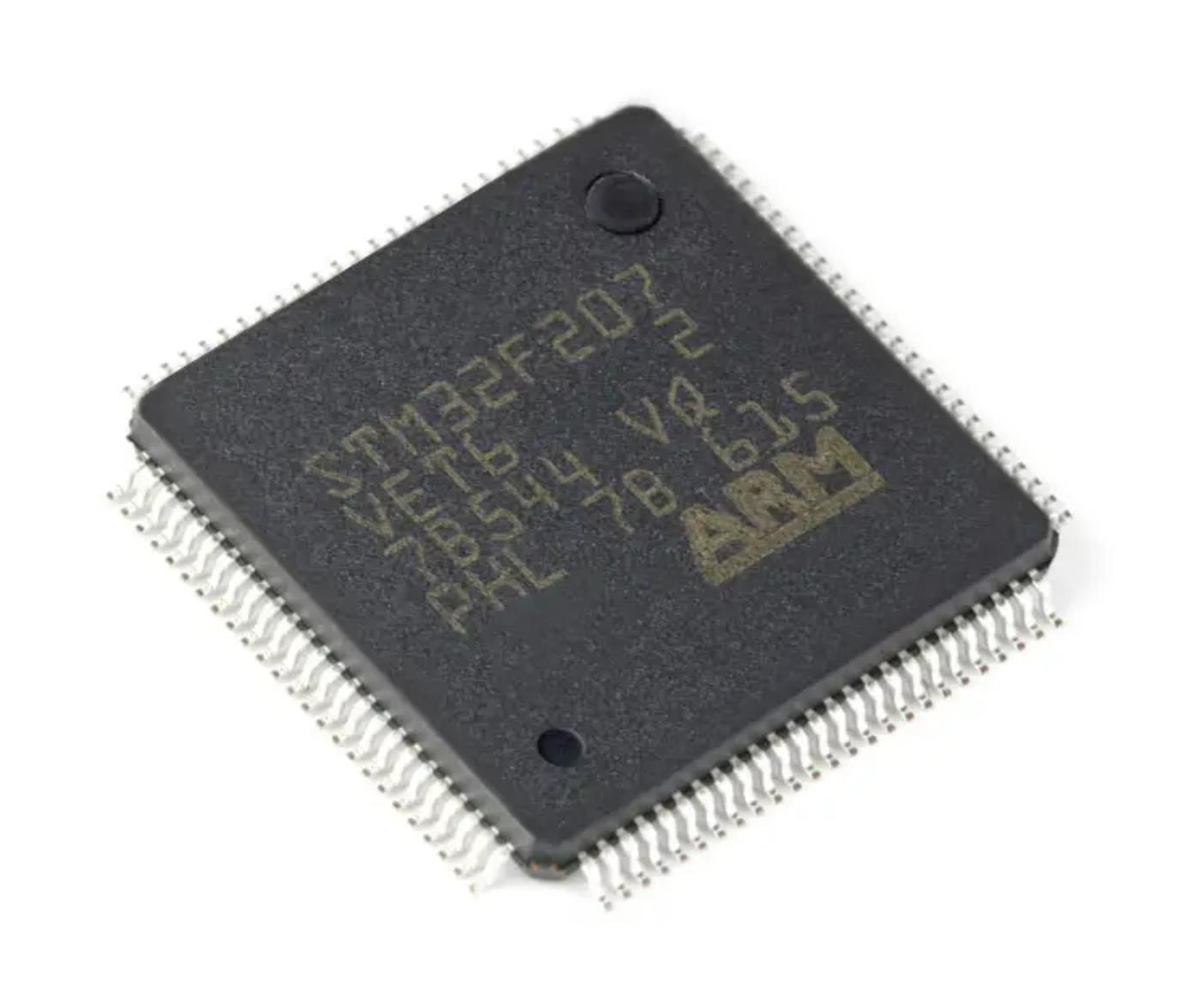
Locked STM32F207VET6 Microcontroller Firmware Code Restoration is a process to crack protective stm32f207ve mcu flash memory then copy stm32f207vet6 mcu flash content to new microprocessor;
These timers are based on a 16-bit auto-reload upcounter and a 16-bit prescaler. TIM10 and TIM11 feature one independent channel, whereas TIM9 has two independent channels for input capture/output compare, PWM or one-pulse mode output. They can be synchronized with the TIM2, TIM3, TIM4, TIM5 full-featured general-purpose timers. They can also be used as simple time bases.
Zaključana STM32F207VET6 mikrokontrolera Ugrađena obnova firmware koda postupak je za razbijanje zaštitne STM32F207VET6 MCU flash memorije, a zatim izdvajanje STM32F207VET6 šifriranog mikroprocesorskog flash sadržaja u formatu binarne datoteke ili heksimalnih podataka u novi mikroprocesor
These timers are based on a 16-bit auto-reload upcounter and a 16-bit prescaler. TIM13 and TIM14 feature one independent channel, whereas TIM12 has two independent channels for input capture/output compare to recover stm32f205rc microcontroller’s flash memory heximal, PWM or one-pulse mode output. They can be synchronized with the TIM2, TIM3, TIM4, TIM5 full-featured general-purpose timers.
They can also be used as simple time bases.
These timers are mainly used for DAC trigger and waveform generation. They can also be used as a generic 16-bit time base.
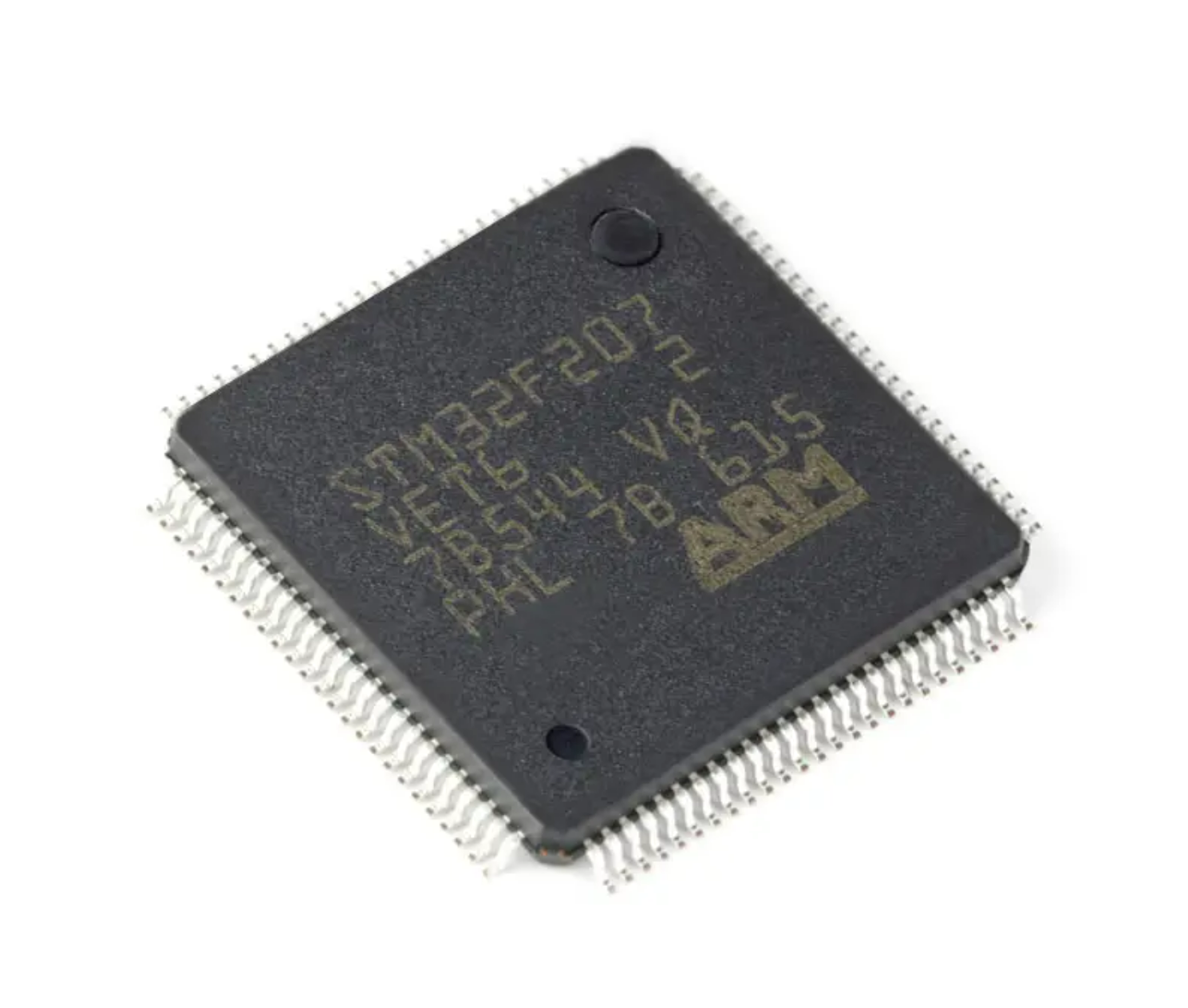
Przywracanie kodu oprogramowania układowego wbudowanego w mikrokontroler z zablokowanym STM32F207VET6 to proces polegający na złamaniu pamięci flash STM32F207VET6 ochronnej MCU, a następnie wyodrębnieniu STM32F207VET6 zaszyfrowanej zawartości flash mikroprocesora w formacie pliku binarnego lub danych szesnastkowych do nowego mikroprocesora
The independent watchdog is based on a 12-bit downcounter and 8-bit prescaler. It is clocked from an independent 32 kHz internal RC and as it operates independently from the main clock, it can operate in Stop and Standby modes. It can be used either as a watchdog to reset the device when a problem occurs, or as a free-running timer for application timeout.
 Posted in Recover MCU |
  Tags: Заблокированная копия кода прошивки микроконтроллера STM32F207VET6, Заблокированный дамп кода прошивки микроконтроллера STM32F207VET6, Заблокированный клон кода прошивки микроконтроллера STM32F207VET6, Код микроконтроллера Locked STM32F207VET6 прочитан |
  Comments Closed
Reverse Secured STM32F205ZGT6 MCU Flash Program
Reverse Secured STM32F205ZGT6 MCU Flash Program means the embedded heximal file can be readout directly from STM32F205ZGT6 Microcontroller flash memory, decrypt arm microprocessor stm32f205zgt6 memory file;
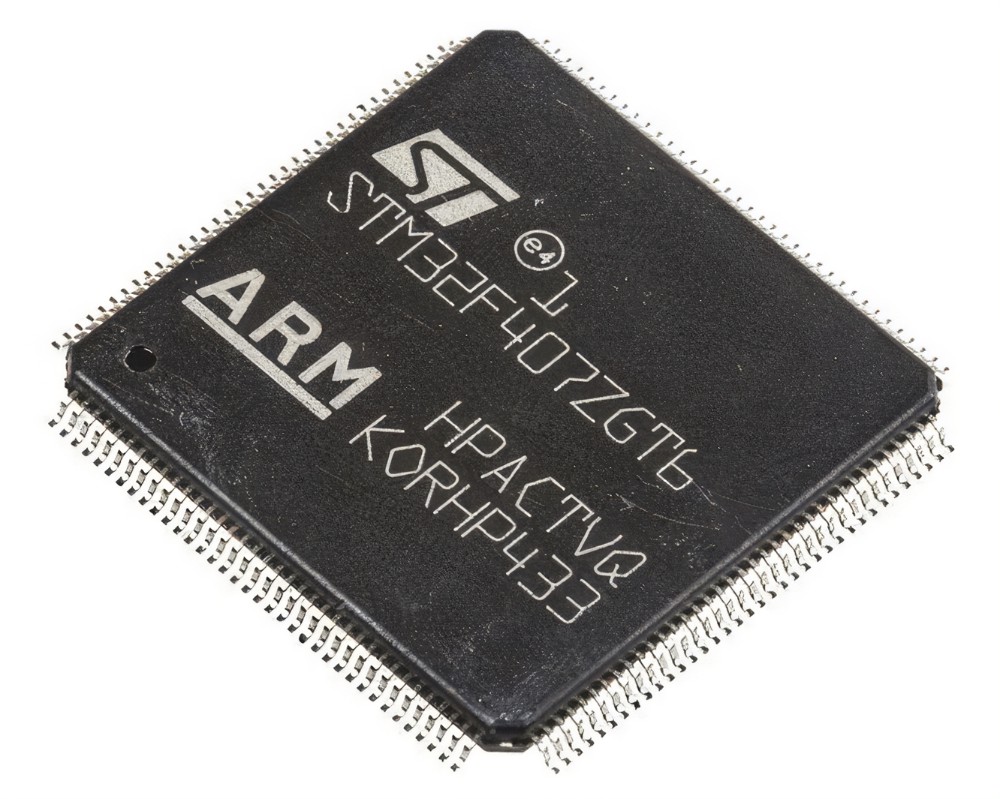
Reverse Secured STM32F205ZGT6 MCU Flash Program means the embedded heximal file can be readout directly from STM32F205ZGT6 Microcontroller flash memory, decrypt arm microprocessor stm32f205zgt6 memory file
The VBAT pin allows to power the device VBAT domain from an external battery or an external supercapacitor.
VBAT operation is activated when VDD is not present.
The VBAT pin supplies the RTC, the backup registers and the backup SRAM.
Note:
When the microcontroller is supplied from VBAT, external interrupts and RTC alarm/events do not exit it from VBAT operation.
When using WLCSP64+2 package, if IRROFF pin is connected to VDD, the VBAT
functionality is no more available and VBAT pin must be connected to VDD by recover arm microcontroller stm32f205rg flash code.
The STM32F20x devices include two advanced-control timers, eight general-purpose timers, two basic timers and two watchdog timers.
All timer counters can be frozen in debug mode.
Table 5 compares the features of the advanced-control, general-purpose and basic timers
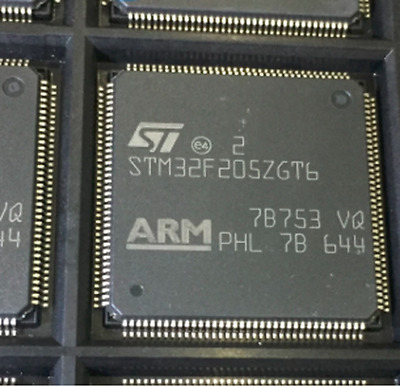
decode stm32f205zgt6 mcu embedded heximal and copy firmware to new microcontroller
The advanced-control timers (TIM1, TIM8) can be seen as three-phase PWM generators multiplexed on 6 channels. They have complementary PWM outputs with programmable inserted dead times. They can also be considered as complete general-purpose timers. Their 4 independent channels can be used for:
- Input capture
- Output compare
- PWM generation (edge- or center-aligned modes)
- One-pulse mode output
If configured as standard 16-bit timers, they have the same features as the general-purpose TIMx timers. If configured as 16-bit PWM generators, they have full modulation capability (0- 100%) in the process of attacking stm32f205vb mcu protective fuse bit.
The TIM1 and TIM8 counters can be frozen in debug mode. Many of the advanced-control timer features are shared with those of the standard TIMx timers which have the same architecture. The advanced-control timer can therefore work together with the TIMx timers via the Timer Link feature for synchronization or event chaining.
Clone ARM STM32F205ZFT6 Microcontroller Firmware
Clone ARM STM32F205ZFT6 Microcontroller Firmware needs to readout mcu stmicroelectronics stm32f205zft6 heximal and copy flash memory embedded program to new stm32f205zft6 microprocessor;
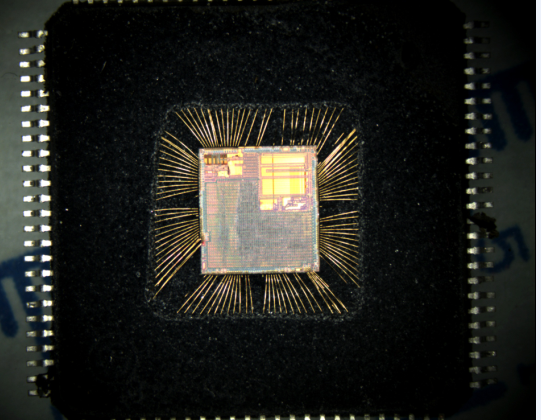
Clone ARM STM32F205ZFT6 Microcontroller Firmware needs to readout mcu stmicroelectronics stm32f205zft6 heximal and copy flash memory embedded program to new stm32f205zft6 microprocessor;
The following conditions must be respected:
- VDD must always be higher than VCAP_1 and VCAP_2 to avoid current injection between power domains (see Figure 8).
- PA0 must be kept low to cover both conditions: until VCAP_1 and VCAP_2 reach 08 V, and until VDD reaches 1.7 V.
- NRST must be controlled by an external reset controller to keep the device under reset when VDD is below 7 V (see Figure 9).
In this mode, when the internal reset is OFF, the following integrated features are no more supported:
- The integrated power-on reset (POR) / power-down reset (PDR) circuitry is
- The brownout reset (BOR) circuitry is
- The embedded programmable voltage detector (PVD) is
VBAT functionality is no more available and VBAT pin must be connected to VDD.
The backup domain of the STM32F20x devices includes:
- The real-time clock (RTC)
- 4 Kbytes of backup SRAM
- 20 backup registers
The real-time clock (RTC) is an independent BCD timer/counter. Its main features are the following:
- Dedicated registers contain the second, minute, hour (in 12/24 hour), week day, date, month, year, in BCD (binary-coded decimal) format.
- Automatic correction for 28, 29 (leap year), 30, and 31 day of the
- Programmable alarm and programmable periodic interrupts with wakeup from Stop and Standby
- It is clocked by a 768 kHz external crystal, resonator or oscillator, the internal low-power RC oscillator or the high-speed external clock divided by 128 will recover arm microcontroller stm32f205rg flash code. The internal low-speed RC has a typical frequency of 32 kHz. The RTC can be calibrated using an external 512 Hz output to compensate for any natural quartz deviation.
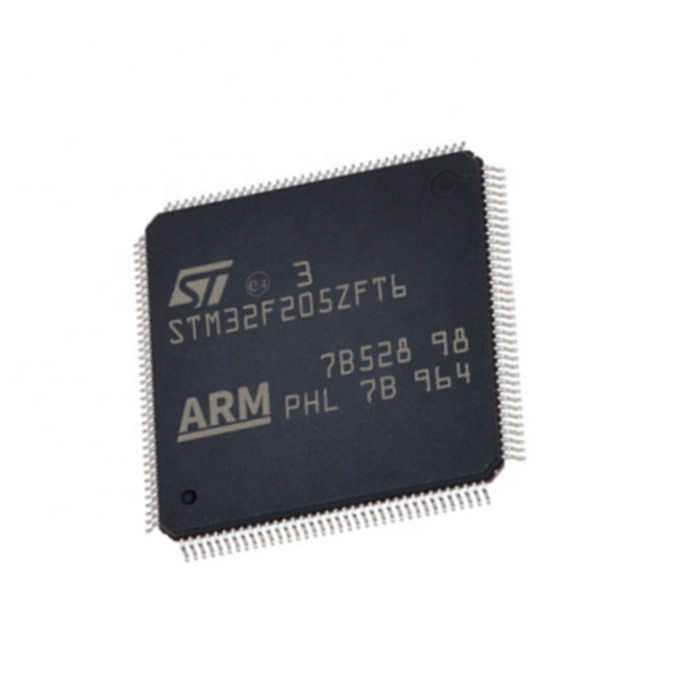
clone locked mcu chip STM32F205ZFT6 flash memory content after crack STM32F205ZFT6 microcontroller fuse bit
- Two alarm registers are used to generate an alarm at a specific time and calendar fields can be independently masked for alarm comparison. To generate a periodic interrupt, a 16-bit programmable binary auto-reload downcounter with programmable resolution is available and allows automatic wakeup and periodic alarms from every 120 µs to every 36 hours when attacking stmicroelectronics stm32f205vb mcu protection.
- A 20-bit prescaler is used for the time base It is by default configured to generate a time base of 1 second from a clock at 32.768 kHz.
- Reference clock detection: a more precise second source clock (50 or 60 Hz) can be used to enhance the calendar
Locked MCU Chip STM32F205ZCT6 Program Restoration
Locked MCU Chip STM32F205ZCT6 Program Restoration needs to crack stm32f205zct6 processor protective resistance system firstly then extract stm32f205zct6 microcontroller flash memory content;
Locked MCU Chip STM32F205ZCT6 Program Restoration needs to crack stm32f205zct6 processor protective resistance system firstly then extract stm32f205zct6 microcontroller flash memory content
This feature is available only on packages featuring the REGOFF pin. The regulator is disabled by holding REGOFF high. The regulator OFF mode allows to supply externally a V12 voltage source through VCAP_1 and VCAP_2 pins.
The two 2.2 µF ceramic capacitors must be replaced by two 100 nF decoupling capacitors. Refer to Figure 19: Power supply scheme.
When the regulator is OFF, there is no more internal monitoring on V12. An external power supply supervisor must be used to monitor the V12 of the logic power domain when breaking stm32f205rb flash memory protection. PA0 pin must be used for this purpose, and act as power-on reset on V12 power domain.
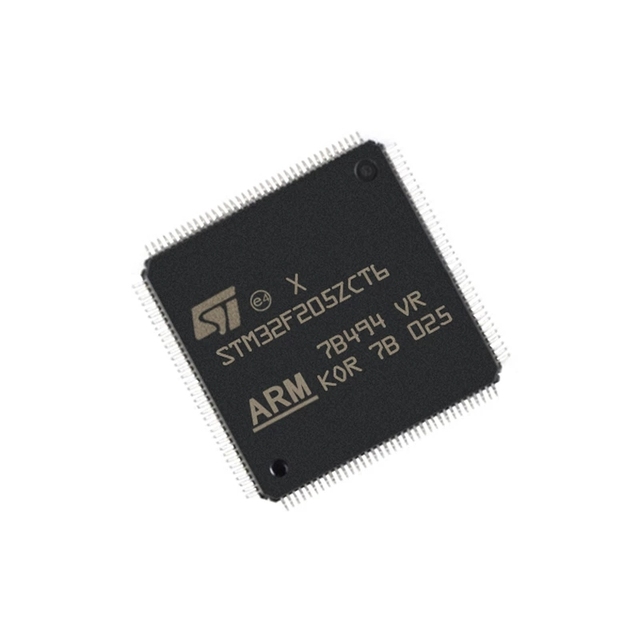
crack locked mcu chip STM32F205ZCT6 and copy embedded heximal firmware from microcontroller STM32F205ZCT6 flash memory
In regulator OFF mode, the following features are no more supported:
- PA0 cannot be used as a GPIO pin since it allows to reset the part of the 2 V logic power domain which is not reset by the NRST pin.
- As long as PA0 is kept low, the debug mode cannot be used at power-on As a consequence, PA0 and NRST pins must be managed separately if the debug connection at reset or pre-reset is required.
Regulator OFF / internal reset ON
On WLCSP64+2 package, this mode is activated by connecting REGOFF pin to VDD and IRROFF pin to VSS. On UFBGA176 package, only REGOFF must be connected to VDD (IRROFF not available). In this mode, VDD/VDDA minimum value is 1.8 V to recover stm32f205rc microcontroller flash memory heximal.
The regulator OFF / internal reset ON mode allows the user to supply externally a 1.2 V voltage source through VCAP_1 and VCAP_2 pins, in addition to VDD.
Reverse Engineering STM32F205ZE Microcontroller Heximal Code
Reverse Engineering STM32F205ZET6 Microcontroller Heximal Code and readout embedded heximal file from STM32F205ZET6 MCU flash memory, copy firmware to new Microprocessor stm32f205zet6;
Reverse Engineering STM32F205ZET6 Microcontroller Heximal Code and readout embedded heximal file from STM32F205ZET6 MCU flash memory, copy firmware to new Microprocessor stm32f205zet6
The device remains in reset mode when VDD is below a specified threshold, VPOR/PDR or VBOR, without the need for an external reset circuit. On devices in WLCSP64+2 package, the BOR, POR and PDR features can be disabled by setting IRROFF pin to VDD. In this mode an external power supply supervisor is required (see Section 3.16).
The devices also feature an embedded programmable voltage detector (PVD) that monitors the VDD/VDDA power supply and compares it to the VPVD threshold. An interrupt can be generated when VDD/VDDA drops below the VPVD threshold and/or when VDD/VDDA is higher than the VPVD threshold. The interrupt service routine can then generate a warning message and/or put the MCU into a safe state. The PVD is enabled by software.
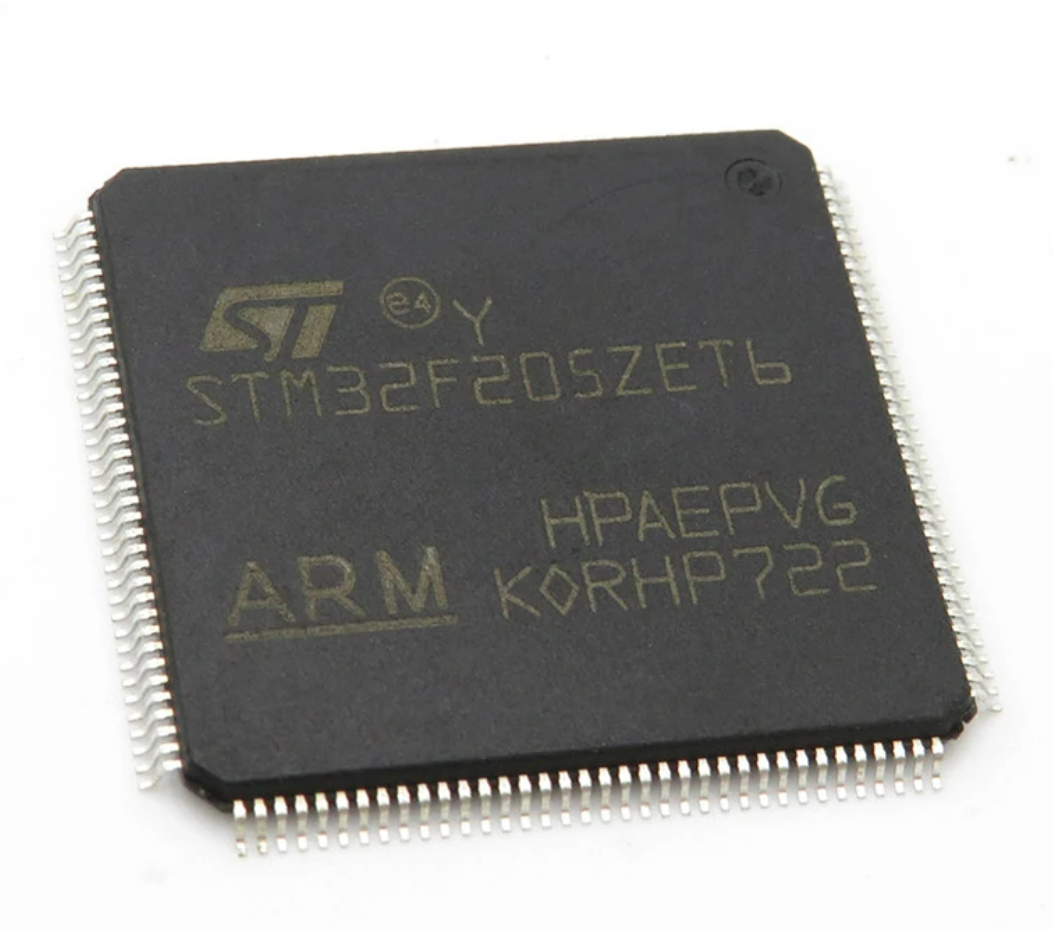
Código heximal del microcontrolador STM32F205ZET6 de ingeniería inversa y lectura del archivo heximal integrado de la memoria flash MCU STM32F205ZET6, copia del firmware al nuevo microprocesador stm32f205zet6
The regulator ON modes are activated by default on LQFP packages.On WLCSP64+2 package, they are activated by connecting both REGOFF and IRROFF pins to VSS, while only REGOFF must be connected to VSS on UFBGA176 package (IRROFF is not available).
VDD minimum value is 1.8 V.
break arm controller stm32f205zet6 fuse bit and extract embedded heximal file from mcu chip’s flash memory
There are three power modes configured by software when the regulator is ON:
- MR is used in the nominal regulation mode
- LPR is used in Stop modes
The LP regulator mode is configured by software when entering Stop mode.
- Power-down is used in Standby
The Power-down mode is activated only when entering Standby mode. The regulator output is in high impedance and the kernel circuitry is powered down, inducing zero consumption. The contents of the registers and SRAM are lost).
Two external ceramic capacitors must be connected on VCAP_1 and VCAP_2 pin. Refer to
Figure 19: Power supply scheme and Table 16: VCAP1/VCAP2 operating conditions.
All packages have the regulator ON feature.
Break STM32F205VCT6 MCU Chip Flash Memory
Break STM32F205VCT6 MCU Chip Flash Memory needs to crack stm32f205vct6 arm mcu protective system, copy embedded flash program to new microcontroller stm32f205vct6;
Break STM32F205VCT6 MCU Chip Flash Memory needs to crack stm32f205vct6 arm mcu protective system, copy embedded flash program to new microcontroller stm32f205vct6
The two DMA controllers support circular buffer management, so that no specific code is needed when the controller reaches the end of the buffer. The two DMA controllers also have a double buffering feature, which automates the use and switching of two memory buffers without requiring any special code when breaking stm32f205rbt6 mcu flash memory protection.
romper STM32F205VCT6 La memoria flash del chip MCU necesita descifrar stm32f205vct6 armar el sistema de protección mcu, copiar el programa flash integrado al nuevo microcontrolador stm32f205vct6
Each stream is connected to dedicated hardware DMA requests, with support for software trigger on each stream. Configuration is made by software and transfer sizes between source and destination are independent.
The FSMC is embedded in all STM32F20x devices. It has four Chip Select outputs supporting the following modes: PC Card/Compact Flash, SRAM, PSRAM, NOR Flash and NAND Flash.
attack protective arm mcu stm32f205vct6 flash memory and clone its heximal content
Functionality overview:
- Write FIFO
- Code execution from external memory except for NAND Flash and PC Card
- Maximum frequency (fHCLK) for external access is 60 MHz
LCD parallel interface
The FSMC can be configured to interface seamlessly with most graphic LCD controllers. It supports the Intel 8080 and Motorola 6800 modes, and is flexible enough to adapt to specific LCD interfaces by recover stm32f205rct6 mcu flash memory program. This LCD parallel interface capability makes it easy to build cost- effective graphic applications using LCD modules with embedded controllers or high performance solutions using external controllers with dedicated acceleration.
Posted in Break IC |
Tags: 공격 STM32F205VCT6 MCU 칩 플래시 메모리, 균열 STM32F205VCT6 MCU 칩 플래시 메모리, 디코딩 STM32F205VCT6 MCU 칩 플래시 메모리, 브레이크 STM32F205VCT6 MCU 칩 플래시 메모리 |
Comments Closed
Attack STMicroelectronics STM32F205VB MCU Protection
Attack STMicroelectronics STM32F205VB MCU Protection and unlock stm32f205vbt6 secured microcontroller flash program file after copy flash heximal file to stm32f205vb arm chip;
Attack STMicroelectronics STM32F205VB MCU Protection and unlock stm32f205vbt6 secured microcontroller flash program file after copy flash heximal file to stm32f205vb arm chip
The CRC (cyclic redundancy check) calculation unit is used to get a CRC code from a 32-bit data word and a fixed generator polynomial.
Among other applications, CRC-based techniques are used to verify data transmission or storage integrity. In the scope of the EN/IEC 60335-1 standard by breaking arm mcu chip stm32f205rb flash memory, they offer a means of verifying the Flash memory integrity. The CRC calculation unit helps compute a software signature during runtime, to be compared with a reference signature generated at link-time and stored at a given memory location.
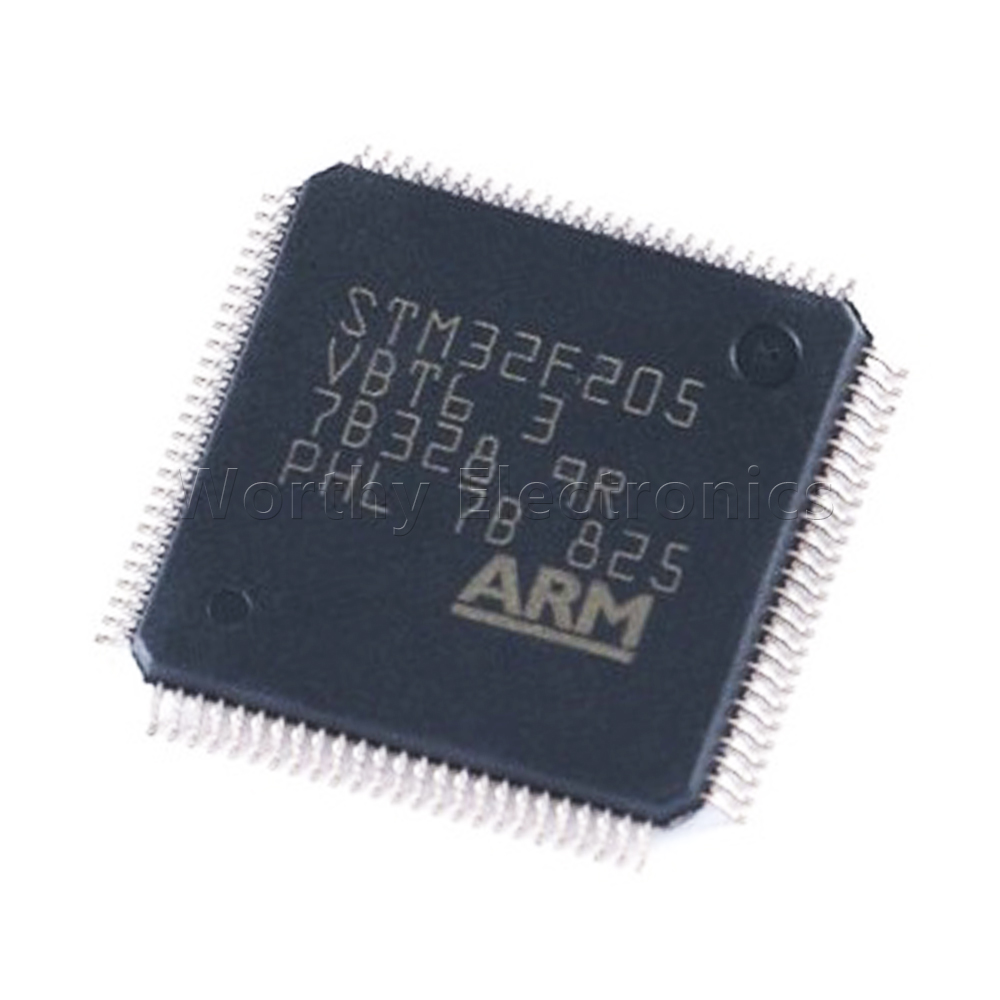
ataque STMicroelectronics STM32F205VB MCU protección y desbloqueo stm32f205vbt6 archivo de programa flash del microcontrolador seguro después de copiar el archivo flash heximal al chip arm stm32f205vb
All STM32F20x products embed:
- Up to 128 Kbytes of system SRAM accessed (read/write) at CPU clock speed with 0 wait states
- 4 Kbytes of backup
The content of this area is protected against possible unwanted write accesses, and is retained in Standby or VBAT mode.
The 32-bit multi-AHB bus matrix interconnects all the masters (CPU, DMAs, Ethernet, USB HS) and the slaves (Flash memory, RAM, FSMC, AHB and APB peripherals) and ensures a seamless and efficient operation even when several high-speed peripherals work simultaneously.
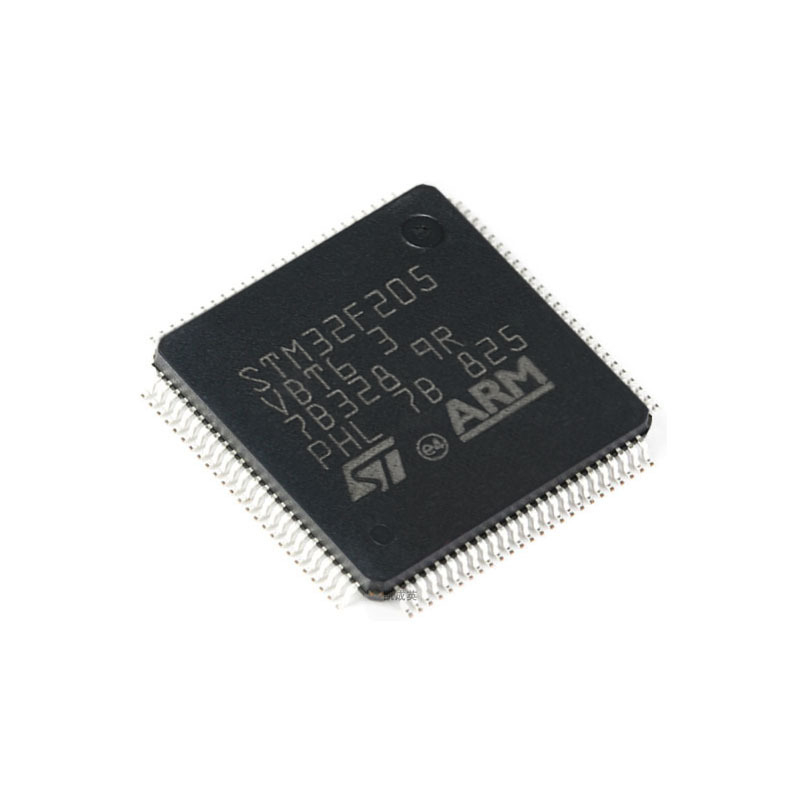
hack stm32f205vbt6 microcontroller fuse bit and dump binary out from flash memory
The devices feature two general-purpose dual-port DMAs (DMA1 and DMA2) with 8 streams each. They are able to manage memory-to-memory, peripheral-to-memory and memory-to-peripheral transfers. They share some centralized FIFOs for APB/AHB peripherals, support burst transfer and are designed to provide the maximum peripheral bandwidth (AHB/APB).
ARM Microcontroller STM32F205RG Flash Code Recovery
ARM Microcontroller STM32F205RG Flash Code Recovery starts from crack mcu chip stm32f205rg protective system and then decode secured flash memory software from microprocessor stm32f205rg;
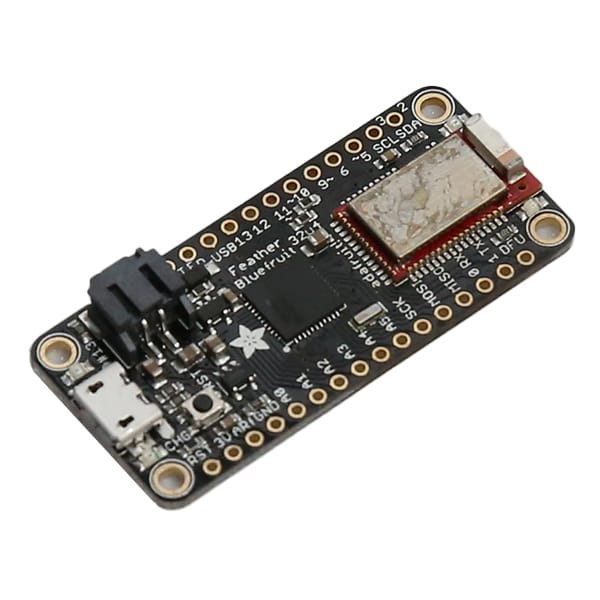
ARM Microcontroller STM32F205RG Flash Code Recovery starts from crack mcu chip stm32f205rg protective system and then decode secured flash memory software from microprocessor stm32f205rg;
The memory protection unit (MPU) is used to manage the CPU accesses to memory to prevent one task to accidentally corrupt the memory or resources used by any other active task. This memory area is organized into up to 8 protected areas that can in turn be divided up into 8 subareas. The protection area sizes are between 32 bytes and the whole 4 gigabytes of addressable memory.
La recuperación del código flash del microcontrolador ARM STM32F205RG comienza desde el sistema de protección crack mcu chip stm32f205rg y luego decodifica el software de memoria flash seguro del microprocesador stm32f205rg
The MPU is especially helpful for applications where some critical or certified code has to be protected against the misbehavior of other tasks. It is usually managed by an RTOS (real- time operating system). If a program accesses a memory location that is prohibited by the MPU, the RTOS can detect it and take action. In an RTOS environment, the kernel can dynamically update the MPU area setting, based on the process to be executed.
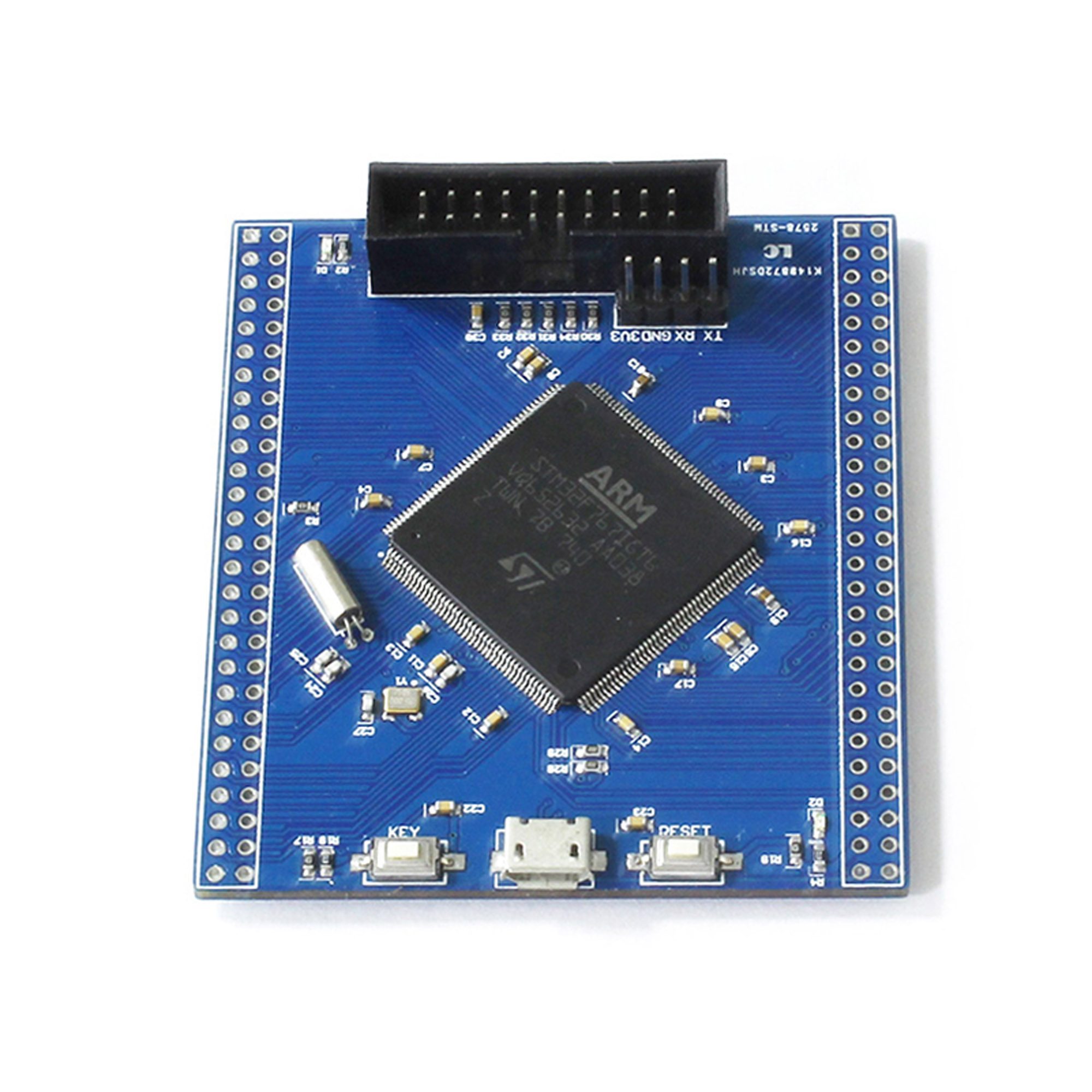
crack stm32f205rg mcu fuse bit and readout embedded firmware from microcontroller’s flash memory
The MPU is optional and can be bypassed for applications that do not need it. The STM32F20x devices embed a 128-bit wide Flash memory of 128 Kbytes, 256 Kbytes, 512 Kbytes, 768 Kbytes or 1 Mbyte available for storing programs and data. The devices also feature 512 bytes of OTP memory that can be used to store critical user data such as Ethernet MAC addresses or cryptographic keys.
Attack ARM STM32F205RF Microprocessor Tamper Resistance
Attack ARM STM32F205RF Microprocessor Tamper Resistance and decode stm32f205rf secured memory software from its flash, then read out microcontroller stm32f205rf flash memory content;
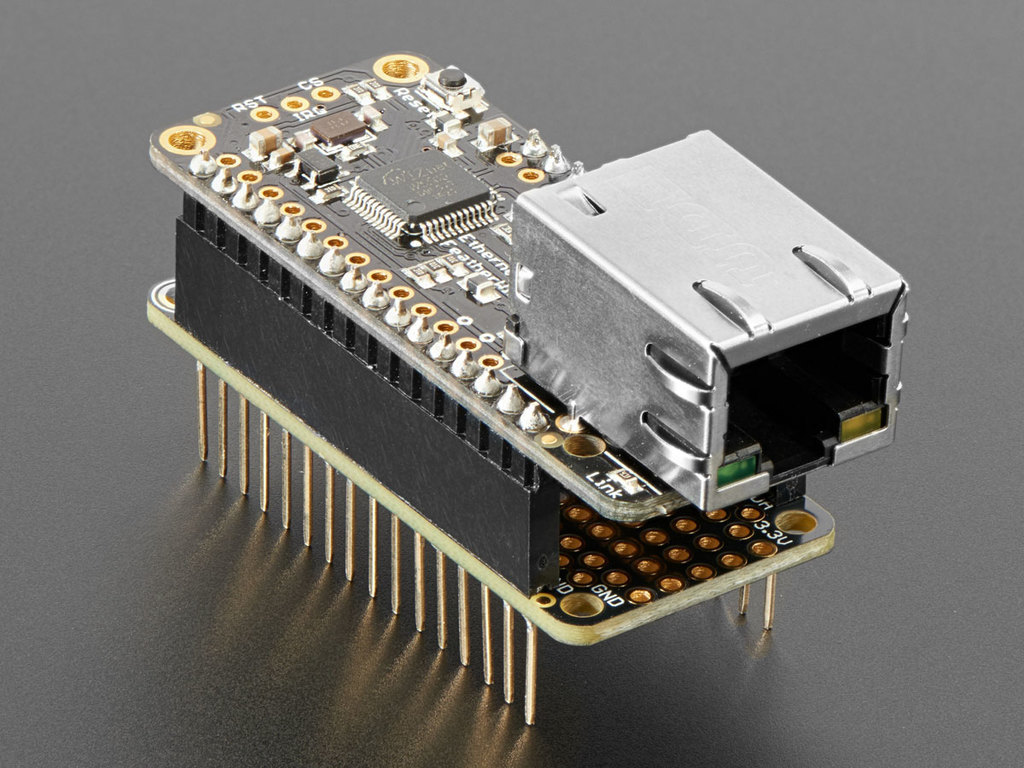
Attack ARM STM32F205RF Microprocessor Tamper Resistance and decode stm32f205rf secured memory software from its flash, then read out microcontroller stm32f205rf flash memory content;
The Arm® Cortex®-M3 processor is the latest generation of processors for embedded systems. It was developed to provide a low-cost platform that meets the needs of MCU implementation, with a reduced pin count and low-power consumption by recovering stm32f205rc microcontroller flash heximal, while delivering outstanding computational performance and an advanced response to interrupts.
The Arm® Cortex®-M3 32-bit RISC processor features exceptional code-efficiency, delivering the high-performance expected from an Arm core in the memory size usually associated with 8- and 16-bit devices. With its embedded Arm® core, the STM32F20x family is compatible with all Arm® tools and software.
Ataque la resistencia a la manipulación del microprocesador ARM STM32F205RF y decodifique el software de memoria protegida stm32f205rf desde su flash, luego lea el contenido de la memoria flash del microcontrolador stm32f205rf
The ART Accelerator™ is a memory accelerator which is optimized for STM32 industry- standard Arm® Cortex®-M3 processors. It balances the inherent performance advantage of the Arm® Cortex®-M3 over Flash memory technologies to break off stm32f205rb mcu flash memory, which normally requires the processor to wait for the Flash memory at higher operating frequencies.
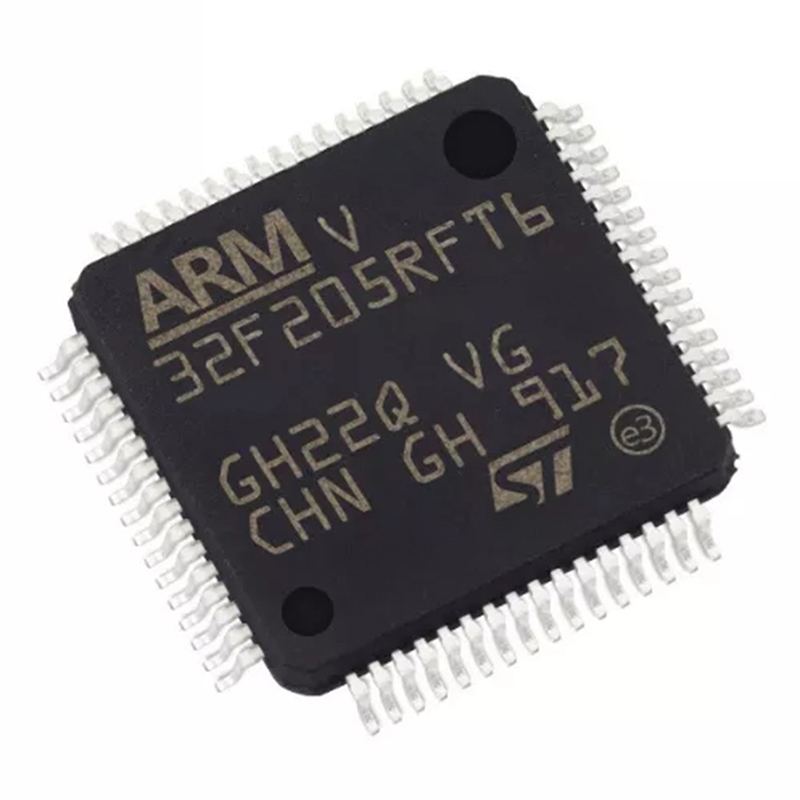
unlock protected STM32F205RFT6 microprocessor fuse bit and readout embedded firmware from mcu chip STM32F205RFT6 flash memory
To release the processor full 150 DMIPS performance at this frequency, the accelerator implements an instruction prefetch queue and branch cache which increases program execution speed from the 128-bit Flash memory. Based on CoreMark® benchmark, the performance achieved thanks to the ART accelerator is equivalent to 0 wait state program execution from Flash memory at a CPU frequency up to 120 MHz.
Posted in Break IC |
Tags: Attack ARM STM32F205RF mikroprocesszor, repedés ARM STM32F205RF mikroprocesszor, szünet ARM STM32F205RF mikroprocesszor |
Comments Closed