 Extract Lattice CPLD Source Code
 June 21st, 2013 |
  Author:
 Lattice CPLD devices have been used extensively in electronic products that require deterministic logic processing, compact implementation, reliable timing, and flexible hardware control. Depending on the specific Lattice family, a cpld can perform functions such as interface conversion, address decoding, signal conditioning, timing generation, peripheral control, and system-level glue logic. These capabilities make programmable logic valuable in industrial automation, telecommunications equipment, instrumentation, medical electronics, transportation systems, consumer products, and specialized control platforms.
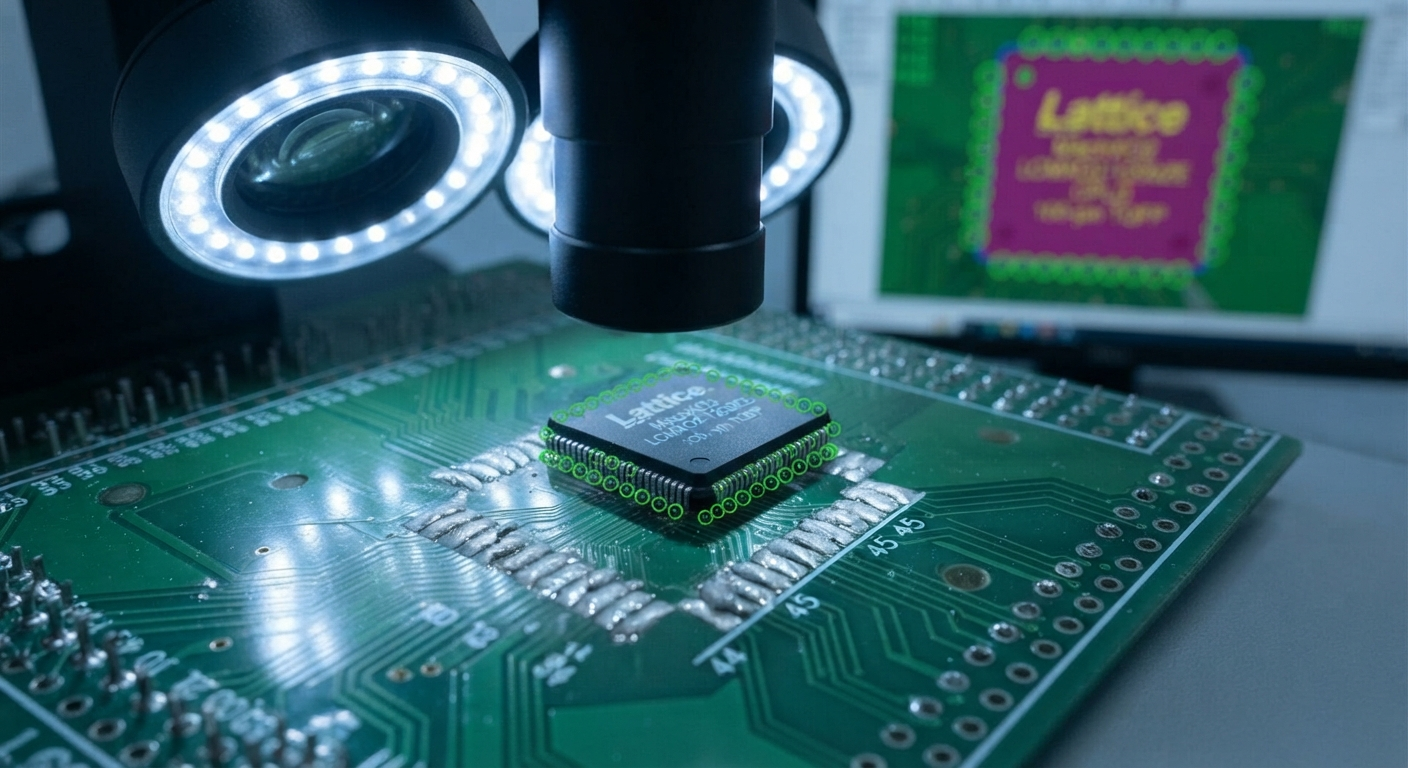
Unlike a conventional microcontroller, a cpld implements hardware logic rather than relying primarily on sequential software execution. Consequently, important design information may exist as embedded configuration data rather than conventional source code. When original development projects, programming files, or engineering archive records have disappeared, recovering the design intent from an existing board can become extremely valuable. Our “lattice cpld source code extraction” service is intended to support authorized customers who need to preserve, document, analyze, or reconstruct legacy programmable-logic designs.
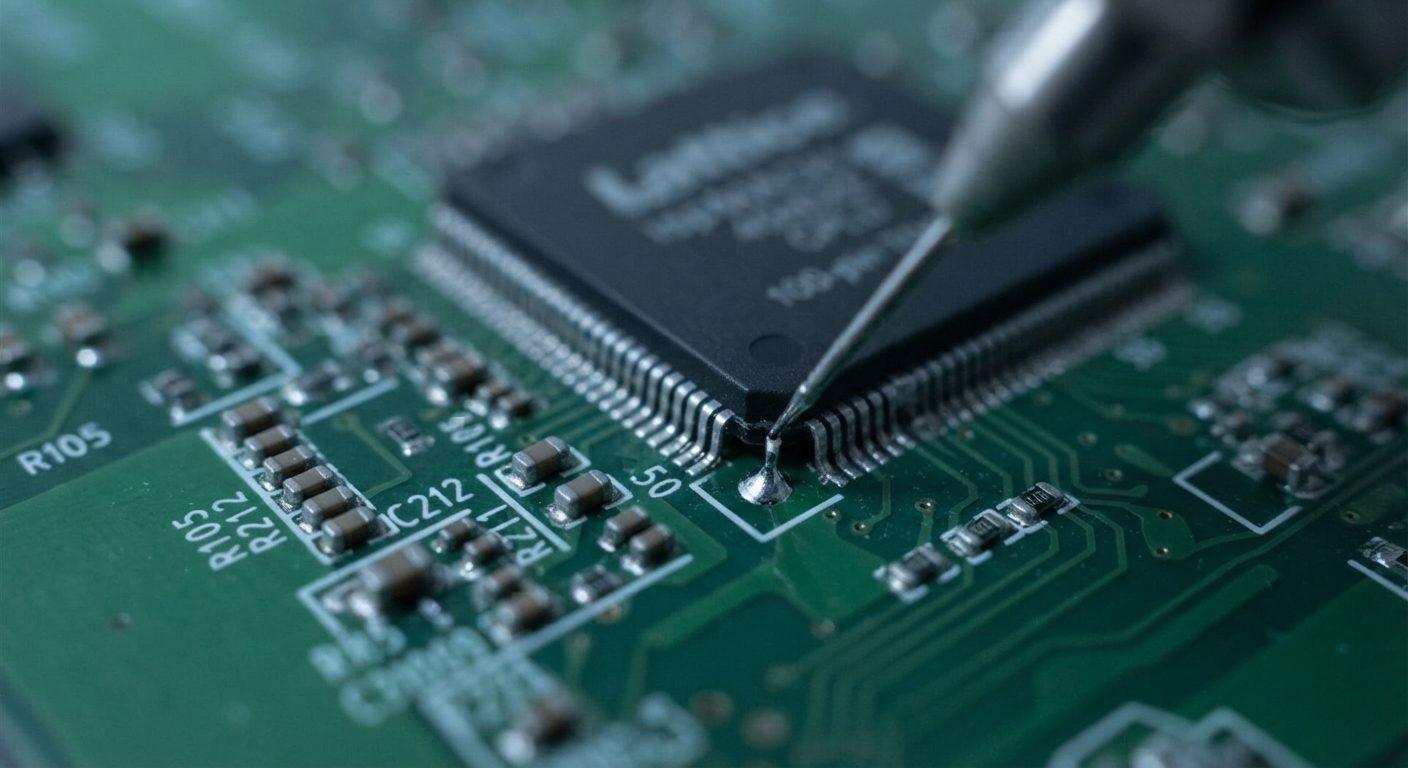
Our engineering process begins by examining the target cpld, its surrounding circuitry, available documentation, and the condition of the original hardware. The objective is to retrieve as much useful engineering information as technically feasible and transform it into practical documentation. Depending on the device family and project requirements, specialists may analyze available configuration data, programming files, binary or heximal representations, pin relationships, timing behavior, and external circuit connections. Where appropriate and authorized, advanced semiconductor analysis and carefully controlled decapsulate examination can provide additional information about internal structures.
Engineers then decode and interpret recovered information to understand implemented logic and reconstruct useful design records. Customers may describe this work using terms such as attack, break, or hack, particularly when the original device is protected, locked, secured, or subject to protective configuration. In professional engineering practice, however, the emphasis is on authorized recovery and preservation. Depending on the technology involved, the recovered result may not be literal original source code; instead, it may consist of configuration information, reconstructed logic descriptions, netlists, behavioral documentation, or other engineering file formats. These resources can subsequently support controlled clone evaluation, duplicate development, redesign, or product maintenance.
Extract Lattice CPLD Source Code from embedded memory needs to reset the status of CPLD chip from locked to open one by CPLD chip unlocking technique, the content inside the CPLD memory can be readout directly with universal programmer;
A slightly different approach is required for reverse engineering CPLDs and FPGAs. Even if the security protection is defeated and the attacker manages to extract the configuration bitstream file from the device, he will have to spend a substantial amount of time and effort to convert it into the logic equations and primitive blocks for further simulation and analysis. Meantime, there are some companies on the market, for example Bottom Line Technologies [111], which provide bitstream reverse engineering for CPLDs and FPGAs.
A major advantage of reverse engineering programmable logic is the ability to recover design knowledge even when conventional documentation is incomplete. Engineers can correlate the recovered firmware or configuration information with the physical PCB, schematic relationships, signal paths, and system behavior. Although flash, eeprom, and other memory technologies are more commonly associated with stored software, programmable-logic devices can contain their own configuration structures and therefore require a different analytical approach.
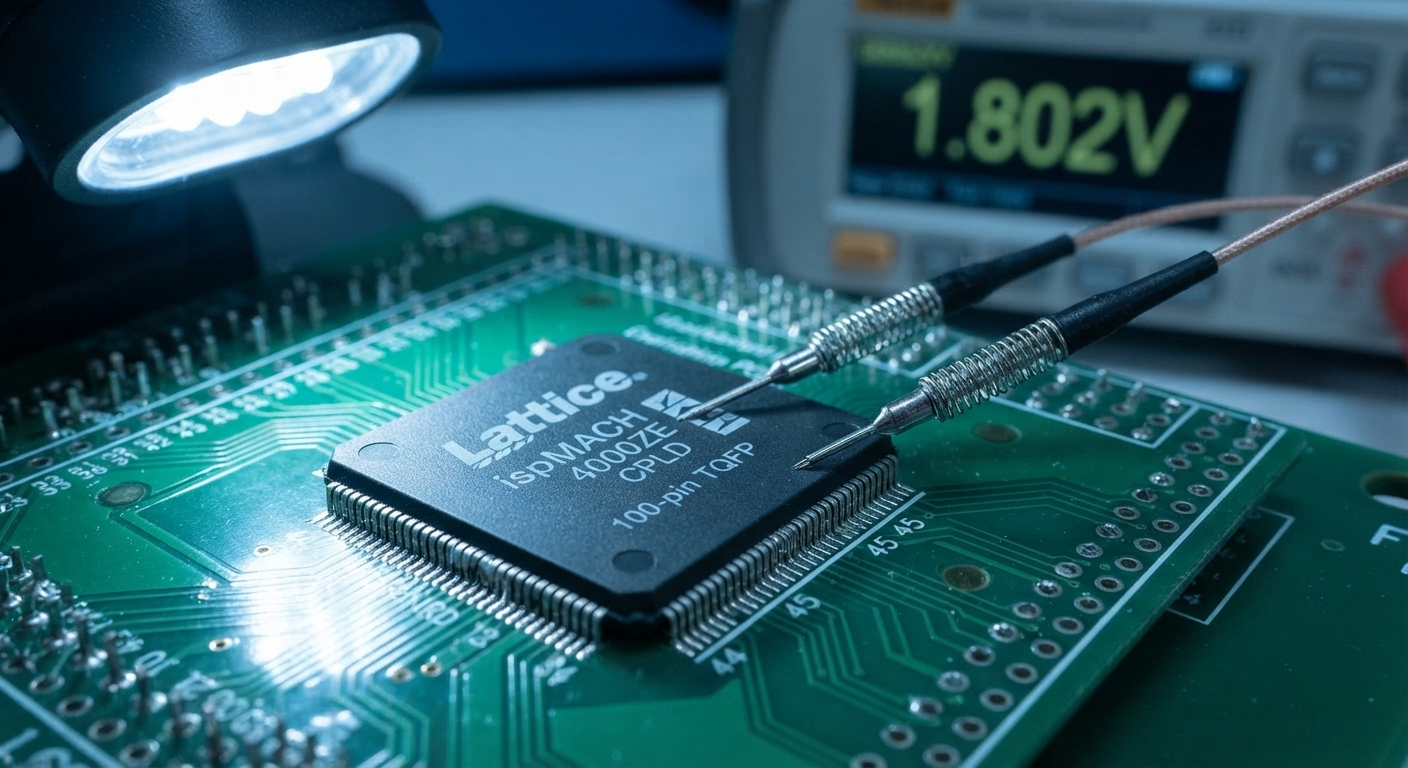
Where a design incorporates an additional microcontroller or processor, its program and firmware can also be considered as part of the overall system investigation. For encrypted, protected, or otherwise inaccessible devices, feasibility depends heavily on the exact Lattice architecture and available evidence. Our specialists therefore evaluate each project individually instead of assuming that every source code extraction will produce an identical result. The final engineering package can include recovered configuration information, reconstructed logic documentation, pin mappings, functional observations, and organized archive materials.
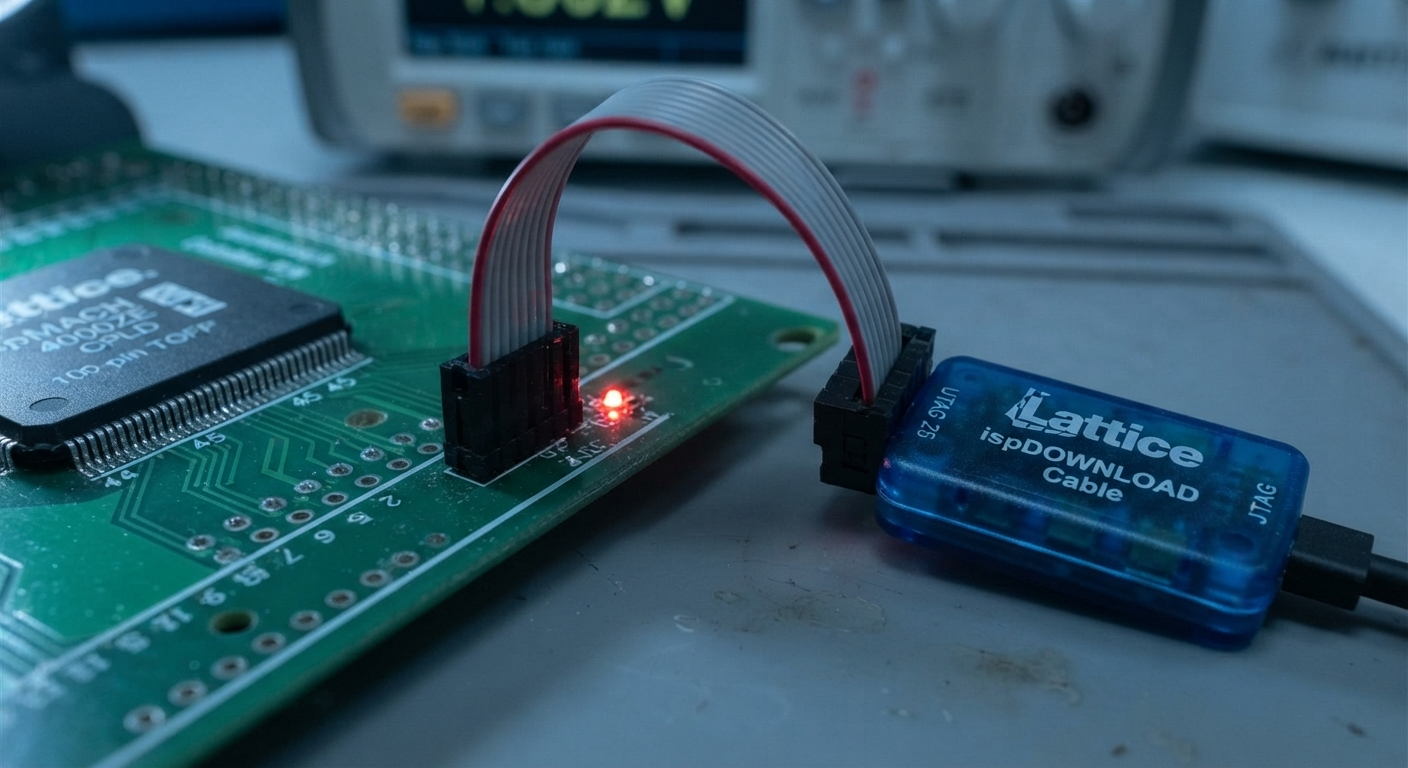
For equipment manufacturers, maintenance organizations, and engineering teams, lattice CPLD recovery can provide substantial lifecycle benefits. Recovering valuable design information can reduce the need to redesign a proven control function from the beginning, particularly when the original designer, development environment, or programming file is no longer available.
The resulting documentation can help engineers repair obsolete equipment, manufacture authorized replacement boards, migrate legacy logic to a newer cpld, verify functional compatibility, and preserve important intellectual property. It can also provide a foundation for future modifications without sacrificing the behavior of an established product. By combining programmable-logic expertise, hardware investigation, configuration-data analysis, and disciplined documentation, our service helps customers convert an existing embedded cpld implementation into practical engineering knowledge for maintenance, reproduction, modernization, and long-term product support.
 Posted in Break IC