 Break Microcontroller ATmega164PV Code
 November 24th, 2010 |
  Author:
 The ATmega164PV microcontroller has been widely adopted in long-life electronic products that require stable performance, efficient power usage, and dependable control capability. This device is commonly integrated into industrial automation equipment, smart control modules, instrumentation platforms, medical electronics, communication interfaces, environmental monitoring devices, and consumer products. Its architecture supports flexible embedded application development while storing operational firmware, configuration data, and application program functions within internal flash, eeprom, and non-volatile memory resources. In many commercial deployments, manufacturers implement protective, protected, locked, secured, or encrypted configurations to preserve proprietary design assets and reduce unauthorized duplication. As products age and original development records become unavailable, recovering historical binary, heximal, source code, or archived engineering files becomes increasingly important for maintenance and lifecycle continuity.
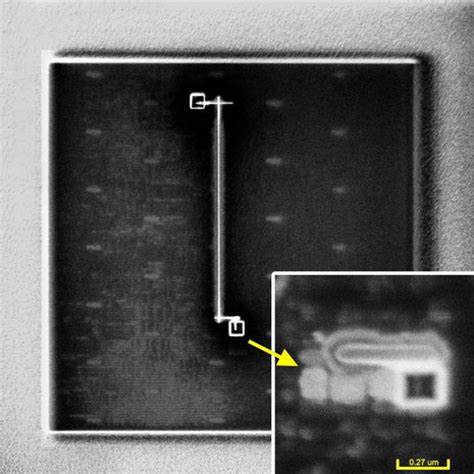
The frequency ranges are preliminary values. Actual values are TBD.
This option should not be used with crystals, only with ceramic resonators.
Our “Break Microcontroller ATmega164PV Code” service is designed for authorized recovery and reconstruction of valuable engineering assets from existing embedded hardware. The objective is not to compromise active products but to help customers retrieve historical firmware, reconstruct lost program structures, and preserve inaccessible technical documentation. Through structured laboratory workflows and device evaluation processes, our team supports projects involving memory assessment, data recovery, and high-level decode of historical firmware structures.
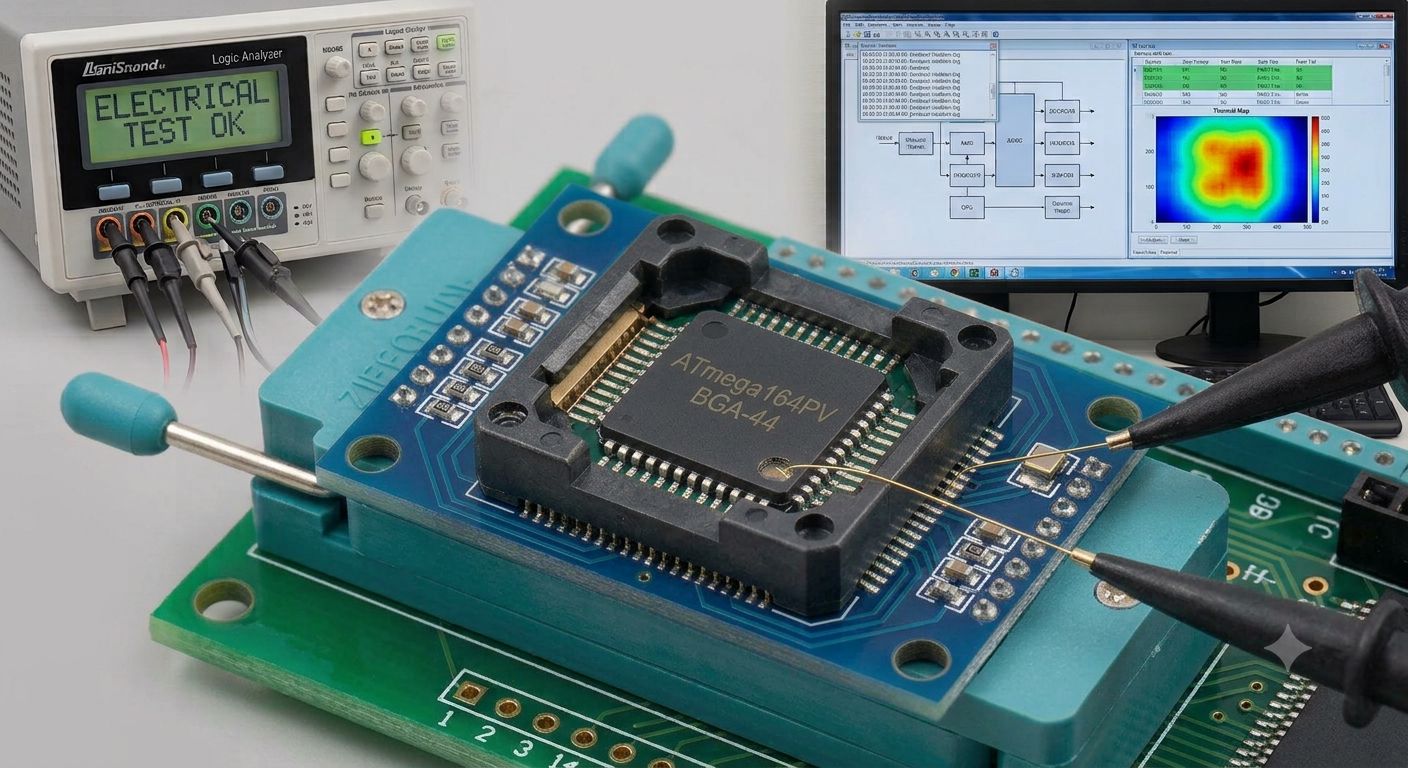
Depending on project scope and authorization, controlled inspection methods may be used to evaluate storage organization and recover available binary and heximal records from internal flash and eeprom regions. Extracted information is reorganized into engineering-ready file and archive outputs that assist customers in maintaining legacy systems, preparing controlled clone references, validating compatibility, or supporting limited duplicate production programs.
These options are intended for use with ceramic resonators and will ensure frequency stability at start-up. They can also be used with crystals when not operating close to the maximum frequency of the device, and if frequency stability at start-up is not important for the application.
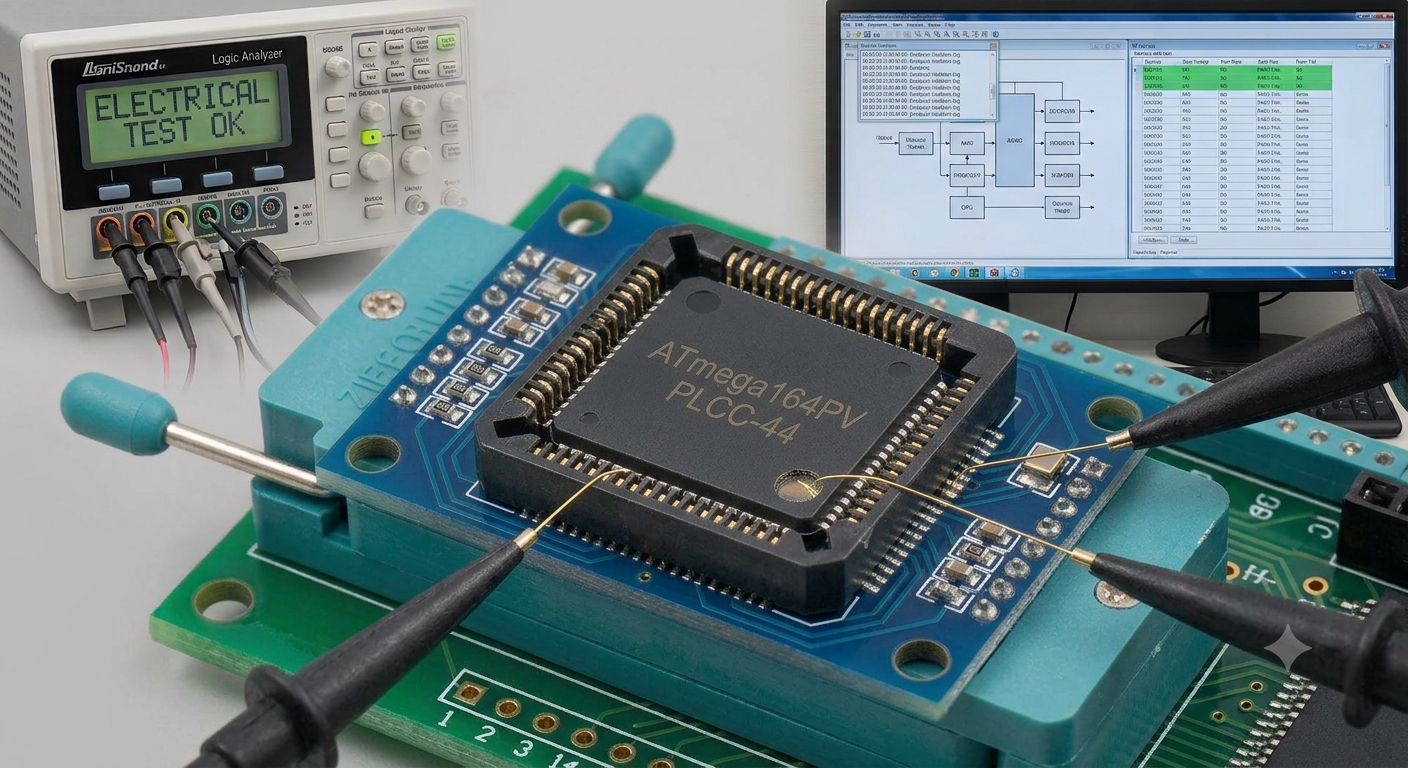
The technical workflow combines preservation methodology with disciplined engineering analysis. Device behavior is documented and internal structures are evaluated to reconstruct meaningful source code references and recover operational firmware relationships. Specialized analysis may support interpretation of archived data and reconstruction of historical program logic while preserving consistency with the original hardware environment. Where appropriate and legally authorized, controlled package examination and limited decapsulate procedures may assist interpretation of inaccessible memory structures and organization of recovered binary files. Rather than attempting to attack, break, or hack active security controls, the process prioritizes controlled recovery, validation, and documentation of engineering assets. Structured decode procedures help transform fragmented archives into usable outputs that support product continuity and long-term technical management.
This Crystal Oscillator is a full swing oscillator, with rail-to-rail swing on the XTAL2 output. This is useful for driving other clock inputs and in noisy environments. The current consumption is higher than the “Low Power Crystal Oscillator” on page 41. Note that the Full Swing Crystal Oscillator will only operate for Vcc = 2.7 – 5.5 volts.
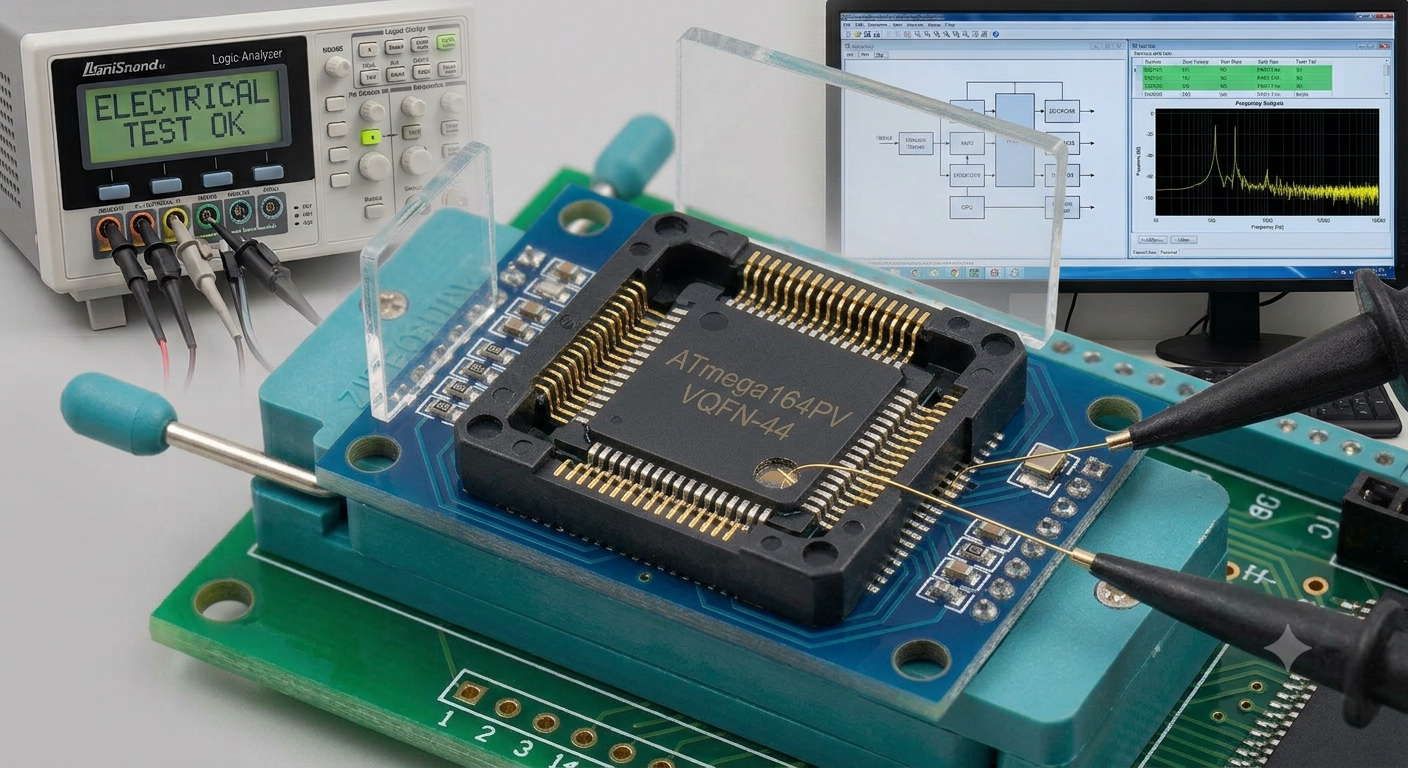
C1 and C2 should always be equal for both crystals and resonators. The optimal value of the capacitors depends on the crystal or resonator in use, the amount of stray capacitance, and the electromagnetic noise of the environment. Some initial guidelines for choosing capacitors for use with crystals are given in Table 12. For ceramic resonators, the capacitor values given by the manufacturer should be used.
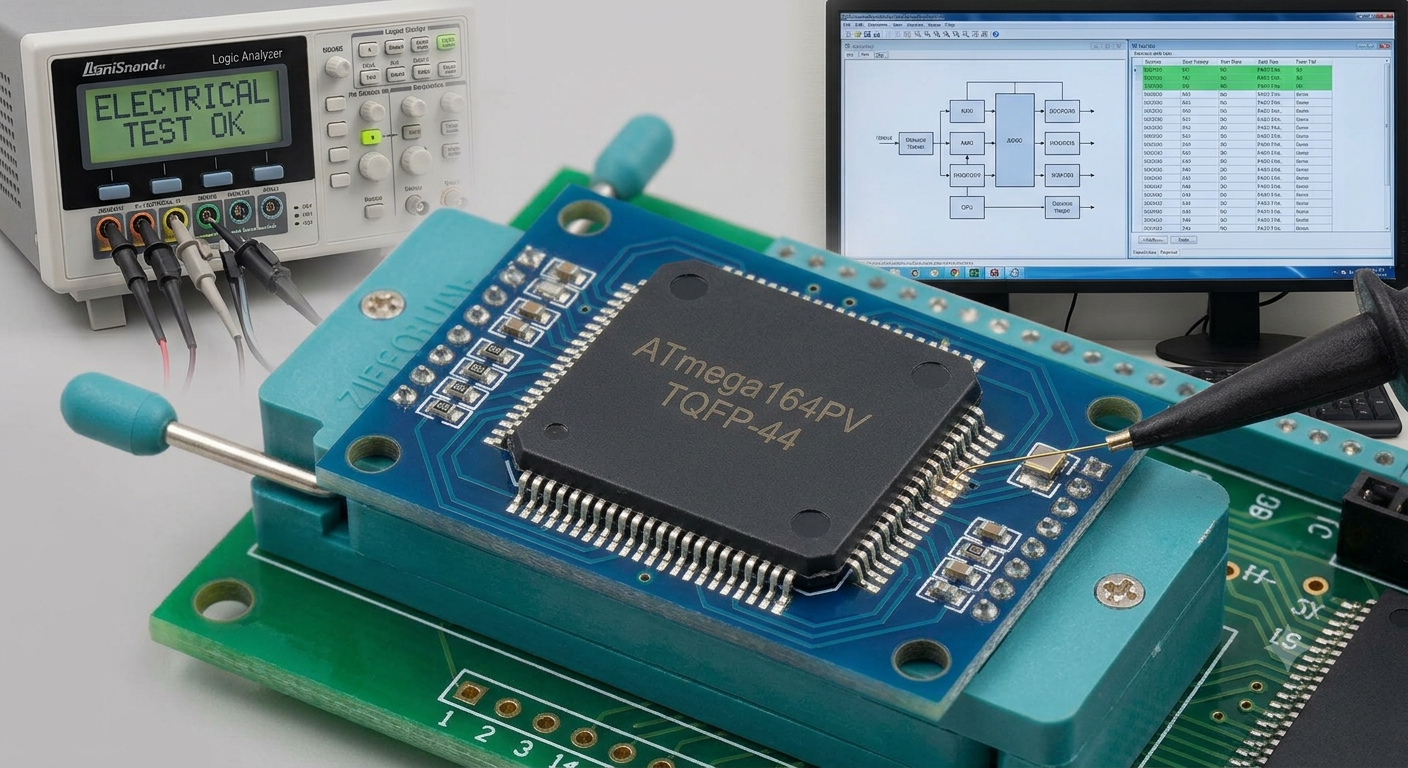
If 8 MHz frequency exceeds the specification of the device (depends on VCC), the CKDIV8 Fuse can be programmed in order to divide the internal frequency by 8. It must be ensured that the resulting divided clock meets the frequency specification of the device. These options should only be used when not operating close to the maximum frequency of the device, and only if frequency stability at start-up is not important for the application. These options are not suitable for crystals. These options are intended for use with ceramic resonators and will ensure frequency stability at start-up. They can also be used with crystals when not operating close to the maximum frequency of the device, and if frequency stability at start-up is not important for the application.
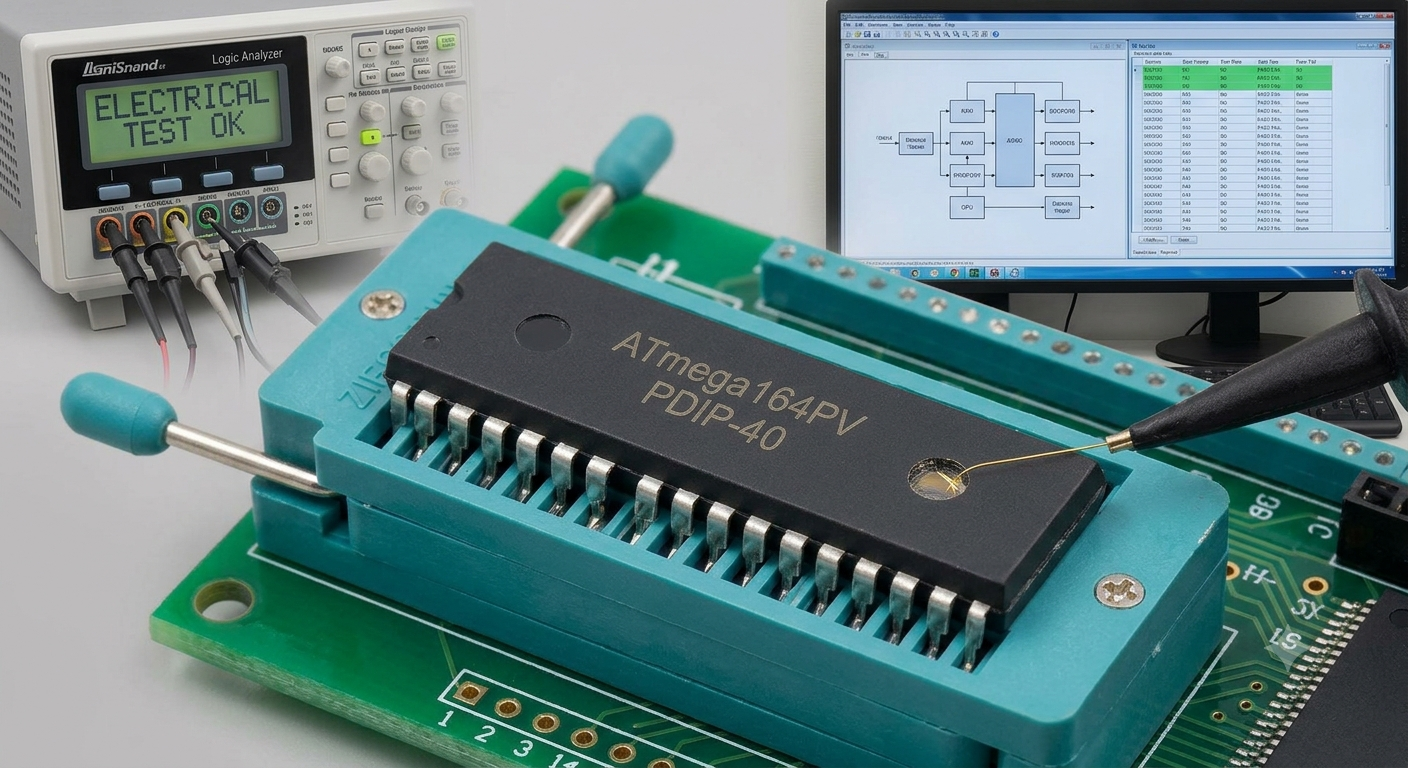
For end users, recovering ATmega164PV code can significantly reduce redevelopment effort and preserve proven designs already deployed in the field. Access to historical firmware, organized data archives, and reconstructed source code enables maintenance teams to support existing installations, modernize platforms, and extend product service life. Engineering groups can reuse validated program behavior, document historical architecture, and maintain operational compatibility without restarting development from the beginning. By combining embedded expertise with responsible recovery practices, our service helps customers transform inaccessible device content into reusable engineering knowledge and maintain continuity across critical electronic systems.
 Posted in Break IC