 Break ARM Microcontroller STM32F101RB Flash Memory
 September 16th, 2020 |
  Author:
 The STM32F101RB microcontroller represents an incredibly robust and versatile piece of silicon architecture, engineered on a 32-bit ARM Cortex-M3 processor core running up to 36 MHz. This highly reliable device is frequently integrated as the central execution engine within mission-critical utility grid systems, clinical medical apparatus, smart barcode scanners, and intricate environmental control sub-assemblies. Featuring distinct peripheral parameters like its 7-channel DMA controller, 12-bit Analog-to-Digital converters, and an array of communication interfaces such as USART, I2C, and SPI, this chip excels at processing real-time telemetry. Its embedded firmware is housed in a high-density, on-chip storage area designed to keep proprietary device logic running autonomously for decades. However, industrial businesses frequently run into immediate production roadblocks when a legacy platform must be serviced or migrated, but the initial documentation, source code files, or master engineering libraries have been completely lost to time. When critical components become obsolete or supplier access vanishes, establishing a trustworthy mechanism to read out the internal configuration becomes a major priority. Our elite laboratory specializes in precision hardware manipulation designed to break ARM Microcontroller STM32F101RB Flash Memory architectures, providing a trusted option to recover your original design assets.
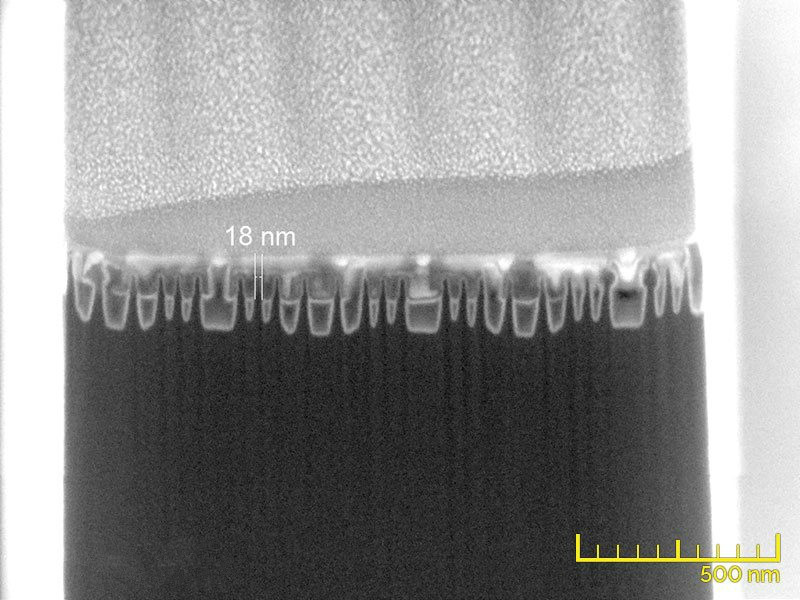
The TIM2, TIM3, TIM4 general-purpose timers can work together or with the TIM1 advanced-control timer via the Timer Link feature for synchronization or STMicro STM32F101RB MCU Cracking.
TIM2, TIM3, TIM4 all have independent DMA request generation.
These timers are capable of handling quadrature (incremental) encoder signals and the digital outputs from 1 to 3 hall-effect sensors. Their counters can be frozen in debug mode. Overcoming the high-grade internal security layout of an enterprise-level microcontroller requires navigating sophisticated hardware-level reading barriers natively deployed to shield proprietary software assets. To carefully attack, break, and decode these complex internal hardware-level locks, our engineering lab implements a rigorous, non-destructive physical and electrical procedure.
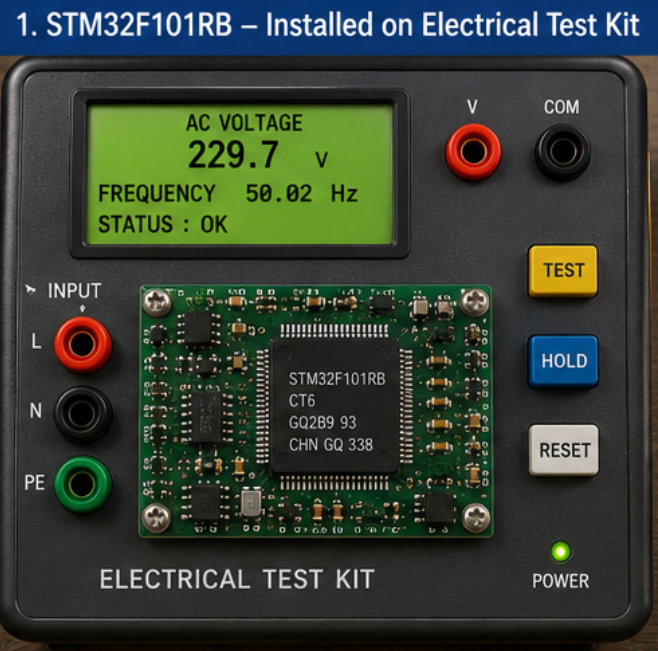
Tescilli kontrol kodunuz eski bir çevresel PLD matrisi içinde, harici bellek yongalarında veya doğrudan ARM STM32F101RB mikrodenetleyicisinin çekirdek mikro mimarisinde bulunuyor olsun, özel okuma araçlarımız operasyonel verilerin eksiksiz bir kopyasını güvenli şekilde elde edebilir.
Ekibimiz ham veri akışını başarıyla geri aldıktan sonra, mühendisler tam operasyonel parametreleri modern ve kolay temin edilebilen bir ARM STM32F101RB mikrodenetleyicisine aktarabilir. Bu kapsamlı veri çıkarma süreci, orijinal cihaz davranışının aynı şekilde yeniden oluşturulmasını sağlar.
Initially, specialized technicians decapsulate the outer epoxy molding of the integrated circuit with chemical precision, exposing the bare silicon die and its sub-micron layout underneath. Once the internal structures are fully visible under advanced microscopic imaging, we can analyze the status of the embedded protective code fuses. By utilizing deep-precision micro-probing techniques or targeted optical signal modification directly on the physical registers, our team can carefully bypass the internal security bits that restrict reading access via the JTAG or Serial Wire Debug ports. This precise intervention allows us to extract the completely untouched binary data straight from the inner flash and protected eeprom sectors without corrupting the physical substrate. The definitive deliverable from this advanced engineering operation is a completely pristine, uncorrupted heximal file that contains a flawless structural mirror of your system’s original configuration.
The TIM15, TIM16 and TIM17 timers can work together, and TIM15 can also operate with TIM1 via the Timer Link feature for synchronization or event chaining. TIM15 can be synchronized with TIM16 and TIM17.
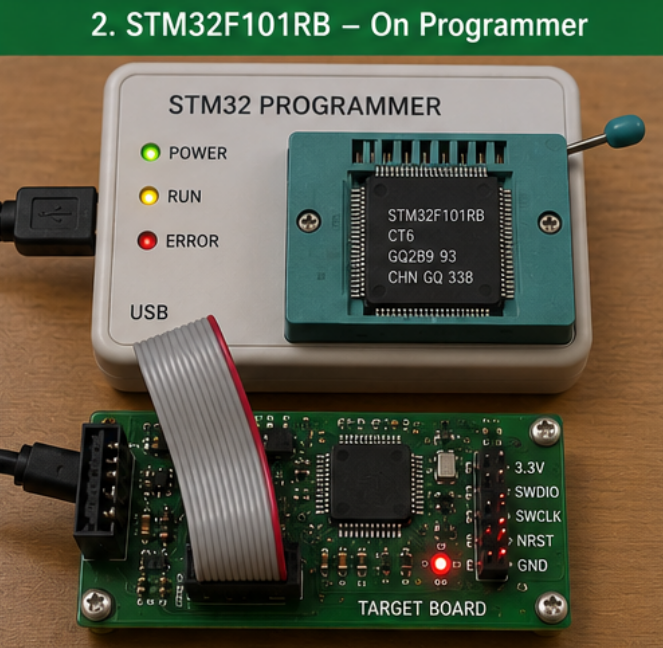
TIM15, TIM16, and TIM17 have a complementary output with dead-time generation and independent DMA request generation Their counters can be frozen in debug mode. These timers are mainly used for DAC trigger generation. They can also be used as a generic 16-bit time base. The fundamental purpose of choosing to hack, duplicate, or extract code from a heavily secured microcontroller layout is to eliminate single-point supply chain failures and secure a company’s long-term technical autonomy.
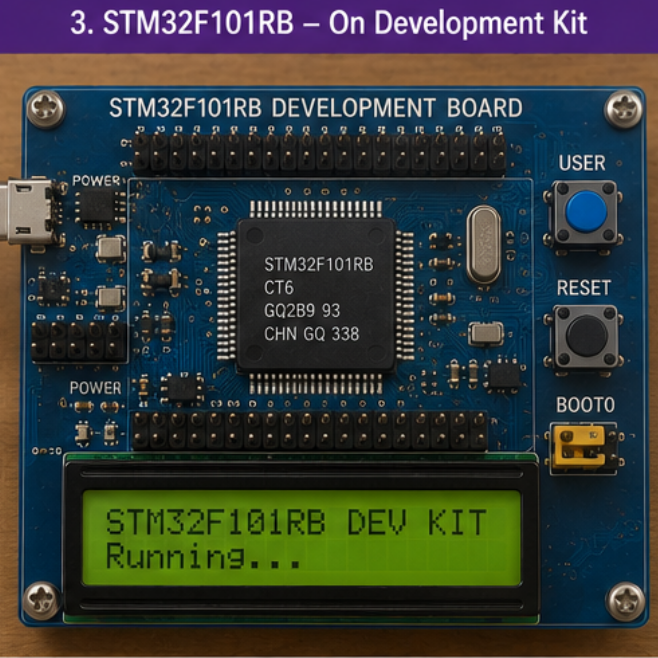
When engineering teams lose access to their original program archive, our advanced laboratory recovery techniques provide an efficient way to recover the vital machinery instructions before a full-scale, incredibly expensive system redesign is forced upon your budget. Whether your proprietary control code is isolated inside an older peripheral PLD matrix, external memory chips, or the core micro-architecture of the ARM chip itself, our custom reading tools can extract the complete operational file safely. After our team successfully retrieves the raw data stream, engineers can easily clone the full operational parameters onto a modern, readily available replacement microcontroller. This comprehensive data extraction allows you to duplicate the original device behavior exactly, giving your manufacturing team a clean, verified engineering archive to resume board production without risking a single day of system downtime.
Partnering with an experienced technical team to unlock and recover embedded system software delivers major financial, operational, and strategic benefits to project managers, maintenance engineers, and hardware developers alike. Instead of exhausting immense corporate capital and spending quarters of valuable engineering time trying to reverse-engineer and re-write complex embedded applications from scratch—a risky process that notorious introduces hidden software bugs—our advanced extraction pipeline delivers a fast, precise path to a fully verified binary file. This complete structural continuity ensures that every newly generated duplicate circuit board matches the exact performance and behavioral profile of the field-tested units your clients already trust. By utilizing our specialized microcontroller recovery solutions, your enterprise effectively mitigates the existential threats of part obsolescence, safeguards vital corporate intellectual property, and secures a fully predictable roadmap for your industrial hardware investments for many years to come.
 Posted in Break IC