Posts Tagged ‘odnaleźć mikrokontroler program’
 Recover MCU ATmega8 Flash
 July 11th, 2014 |
  Author:
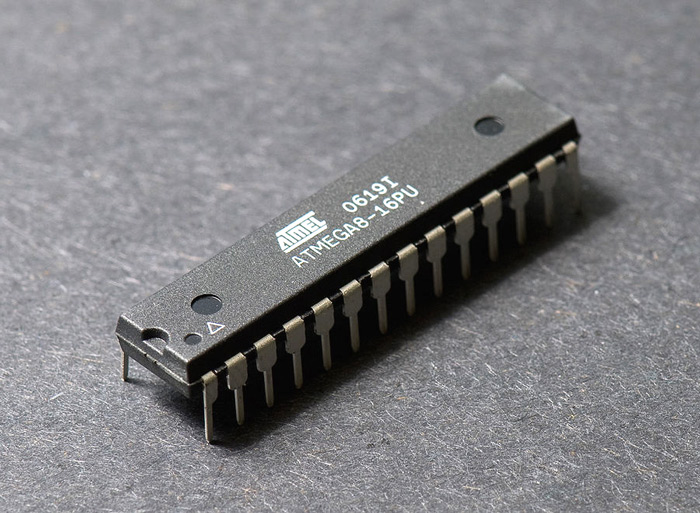
 Recover MCU ATmega8 Flash is a specialized service designed to help customers regain access to valuable embedded firmware stored inside ATmega8 microcontrollers when the original source code or programming files are no longer available. The ATmega8 is a widely used 8-bit AVR MCU known for its balanced performance, low power consumption, and flexible on-chip flash and EEPROM architecture. It has been extensively adopted in industrial controllers, consumer electronics, power tools, automotive subsystems, access control devices, and various embedded automation products. In many of these applications, the firmware is stored in a protected or locked flash memory to prevent unauthorized access, which makes long-term maintenance and product continuity a challenge once documentation or original developers are gone.
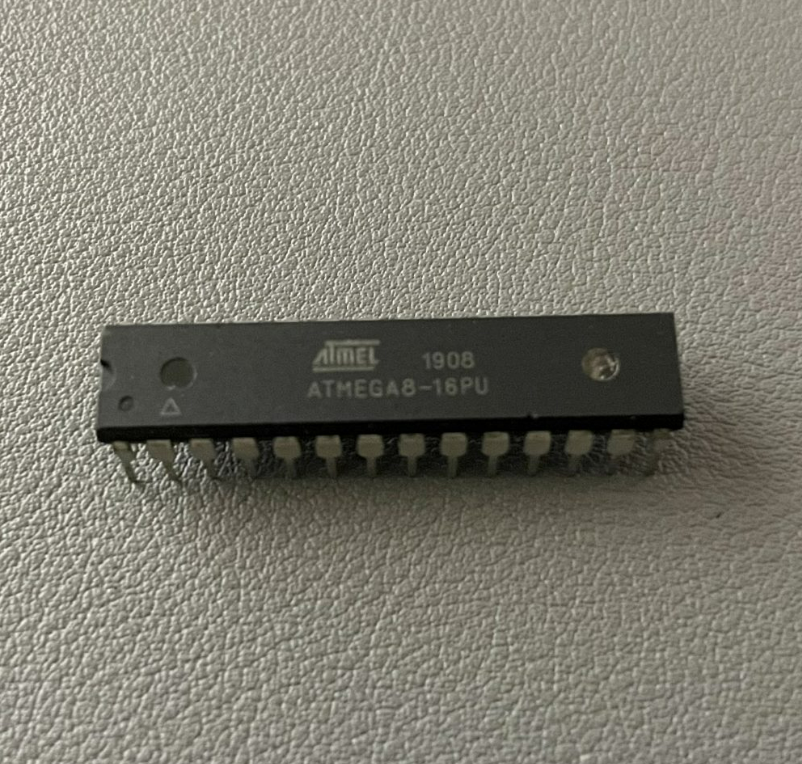
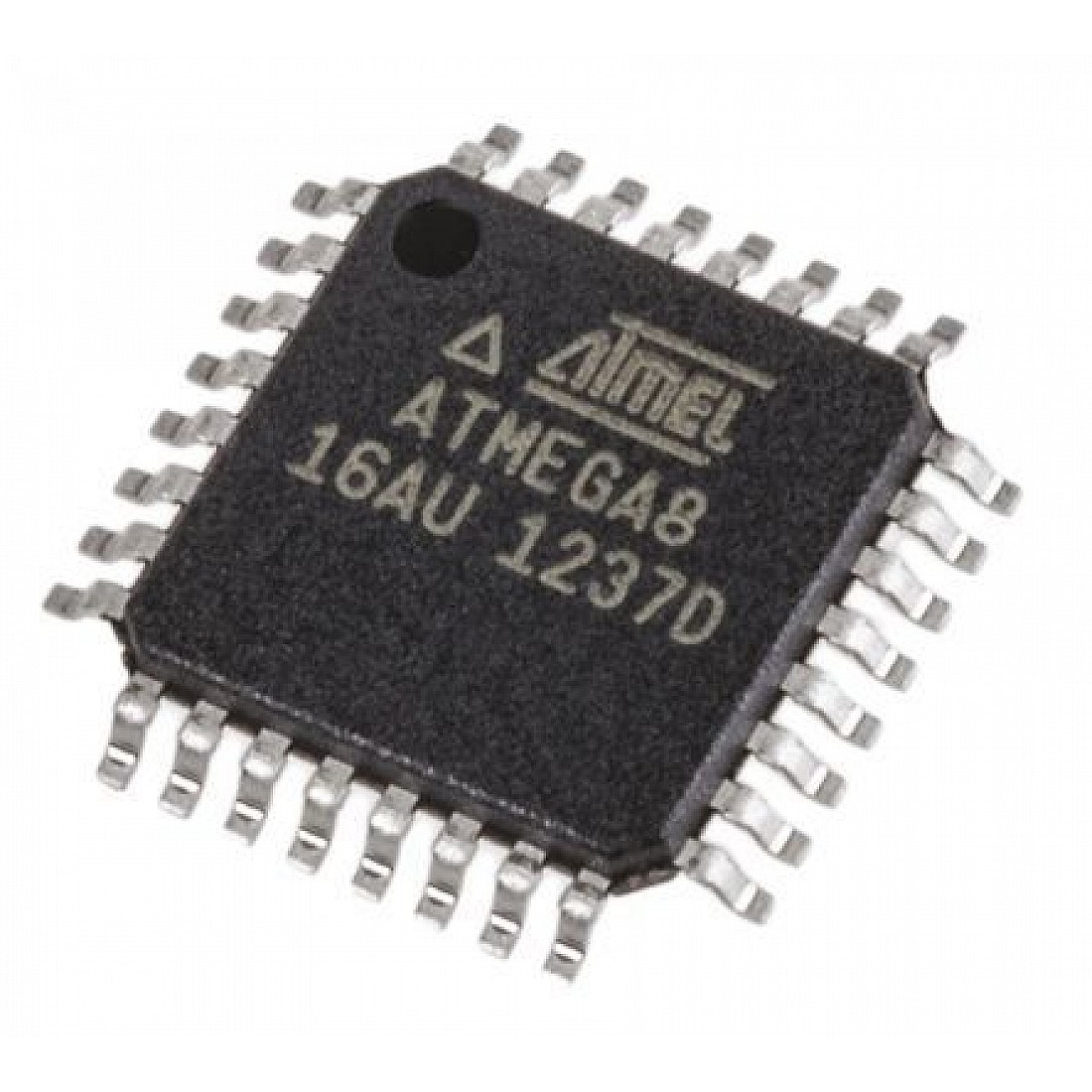
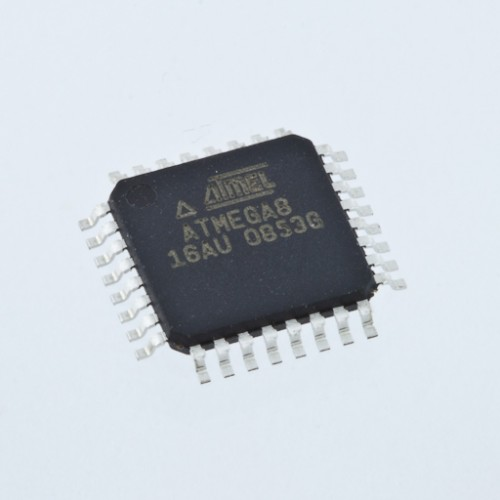
We can Recover MCU ATMEGA8 Flash, please see below MCU ATMEGA8 features for your reference:
Features
· High-performance, Low-power AVR® 8-bit Microcontroller
· Advanced RISC Architecture
– 130 Powerful Instructions – Most Single-clock Cycle Execution
– 32 x 8 General Purpose Working Registers
– Fully Static Operation
– Up to 16 MIPS Throughput at 16 MHz
– On-chip 2-cycle Multiplier
Nonvolatile Program and Data Memories
Our service focuses on professionally retrieving embedded firmware from secured ATmega8 devices while respecting practical engineering constraints. Whether the flash memory is protected, encrypted, or locked, our technical workflow is designed to attack and break access barriers in a controlled manner, enabling clients to retrieve binary, heximal, or archived program data for further use. The recovered firmware or EEPROM memory content can then be used to clone or duplicate the MCU for production continuity, analyze legacy logic, or support functional upgrades. For many customers, this recovery process is essential to avoid costly full redesigns and to extend the lifecycle of proven embedded systems.
From a technical perspective, recovering ATmega8 flash involves a combination of hardware-level access, logical analysis, and data reconstruction. Depending on the security configuration, the process may involve controlled decode operations, non-invasive extraction, or, in more complex cases, selective decapsulate procedures to access embedded memory structures. The goal is not simply to hack a device, but to reliably retrieve usable firmware data, reconstruct source code representations where possible, and verify memory integrity across flash and EEPROM regions. Each step is performed carefully to minimize risk to the MCU and maximize data accuracy.
– 8K Bytes of In-System Self-Programmable Flash
Endurance: 10,000 Write/Erase Cycles
– Optional Boot Code Section with Independent Lock Bits
In-System Programming by On-chip Boot Program
True Read-While-Write Operation
– 512 Bytes EEPROM
Endurance: 100,000 Write/Erase Cycles
– 1K Byte Internal SRAM
– Programming Lock for Software Security
Peripheral Features
– Two 8-bit Timer/Counters with Separate Prescaler, one Compare Mode
– One 16-bit Timer/Counter with Separate Prescaler, Compare Mode, and Capture
Mode
– Real Time Counter with Separate Oscillator
– Three PWM Channels
– 8-channel ADC in TQFP and QFN/MLF package
Eight Channels 10-bit Accuracy
– 6-channel ADC in PDIP package
Eight Channels 10-bit Accuracy
– Byte-oriented Two-wire Serial Interface
– Programmable Serial USART
– Master/Slave SPI Serial Interface
– Programmable Watchdog Timer with Separate On-chip Oscillator
– On-chip Analog Comparator
Special Microcontroller Features
However, this work is not without difficulty. Protective fuse settings, encrypted memory blocks, aging silicon, and unknown firmware revisions can all complicate recovery. Timing sensitivities, readout noise, and partial data corruption are common challenges when dealing with older embedded chips. Our experience allows us to manage these risks and deliver stable results that benefit end users by restoring control over their own firmware assets. With Recover MCU ATmega8 Flash services, customers gain a practical path to retrieve critical program files, secure long-term support, and preserve the value of their embedded systems without unnecessary redevelopment.
– Power-on Reset and Programmable Brown-out Detection
– Internal Calibrated RC Oscillator
– External and Internal Interrupt Sources
– Five Sleep Modes: Idle, ADC Noise Reduction, Power-save, Power-down, and Standby
I/O and Packages
– 23 Programmable I/O Lines
– 28-lead PDIP, 32-lead TQFP, and 32-pad QFN/MLF
Operating Voltages
– 2.7 – 5.5V (ATmega8L)
– 4.5 – 5.5V (ATmega8)
Speed Grades
– 0 – 8 MHz (ATmega8L)
– 0 – 16 MHz (ATmega8)
Power Consumption at 4 Mhz, 3V, 25°C
 Posted in Recover Chip |
  Tags: odnaleźć mikrokontroler bin, odnaleźć mikrokontroler code, odnaleźć mikrokontroler data, odnaleźć mikrokontroler eeprom, odnaleźć mikrokontroler file, odnaleźć mikrokontroler firmware, odnaleźć mikrokontroler flash, odnaleźć mikrokontroler hex, odnaleźć mikrokontroler memory, odnaleźć mikrokontroler program, recover mcu locked binary, recover mcu locked content, recover mcu locked data, recover mcu locked file, recover mcu locked flash, recover mcu locked heximal, recover mcu locked software |
  Comments Closed