Posts Tagged ‘папраўляцца encrypted mcu eeprom’
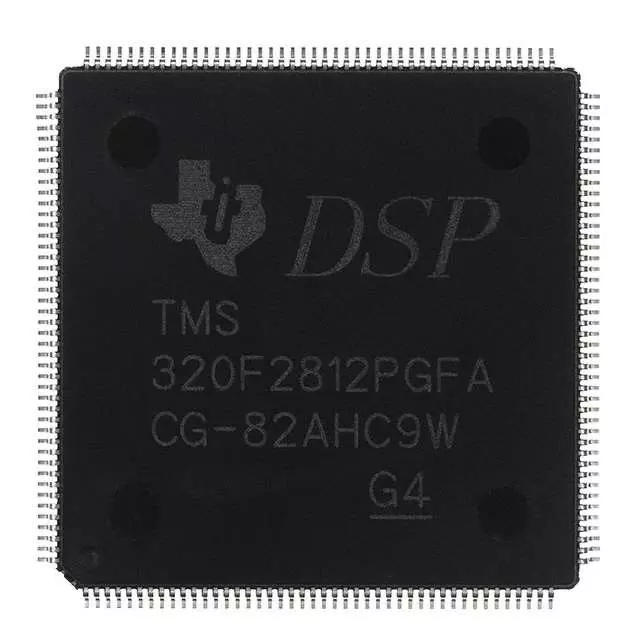
 Recover Microcontroller TMS320F2812PGFA Firmware
 May 29th, 2014 |
  Author:
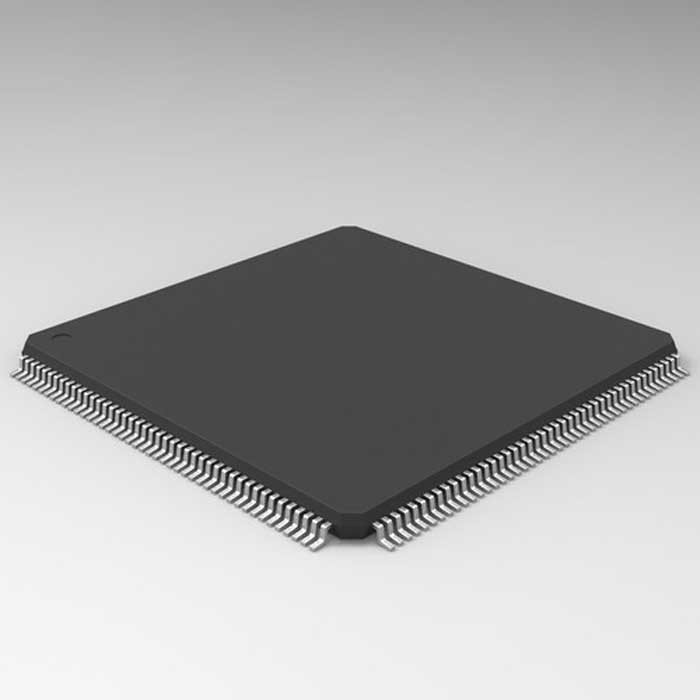
 The Texas Instruments TMS320F2812PGFA is a powerful digital signal processor (DSP) microcontroller widely used in high-performance industrial and automotive applications. Its ability to handle complex real-time control systems makes it a cornerstone in embedded designs such as motor drives, robotics, power conversion, and automotive electronics. However, with its advanced functionality comes sophisticated security mechanisms, designed to keep its firmware protected from unauthorized access. When the original source code, binary, or heximal file becomes inaccessible due to locked or encrypted flash memory, the need arises to recover microcontroller TMS320F2812PGFA firmware for further analysis, modification, or duplication.
Why Recovery Services Are Needed
There are countless situations where engineers or end users may need to restore or recover the firmware from this secured device. The original program file may be lost, corrupted, or stored in obsolete archives. In other cases, businesses may need to copy or clone the firmware from one protected chip to another for repair, testing, or mass duplication. The protective fuse bits of the TMS320F2812PGFA, once enabled, restrict normal access to the memory, making conventional readout tools ineffective. This creates a need for specialized techniques to unlock or open the device.
Unique Features of the TMS320F2812PGFA
This microcontroller offers unique advantages that make it a preferred choice across industries:
- High-Performance DSP Core: Capable of handling advanced algorithms in real-time.
- Extensive On-Chip Memory: Integrated flash and RAM for storing data, firmware, and critical program files.
- Peripheral Integration: Includes ADCs, communication interfaces, and PWM modules for motor and control systems.
- Security Features: Locking mechanisms and encryption options designed to protect sensitive firmware.
Because of these features, recovering firmware from this chip requires not just basic tools, but deep technical expertise in bypassing secured mechanisms without damaging the device.
General Steps in Breaking Protection
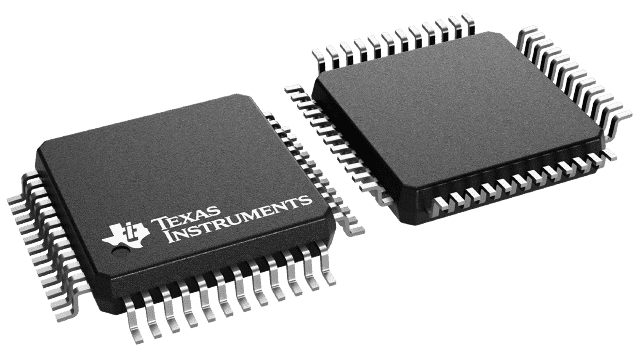
Although exact methods vary depending on chip configuration, the general process for cracking or decoding protected microcontrollers like the TMS320F2812PGFA involves several stages:
- Device Analysis – Identifying the locked memory regions, security fuse states, and encryption measures applied.
- Physical or Logical Access – Applying precision tools to interface with memory and bypass protective barriers.
- Disabling Fuse Bit Protection – Specialized methods are used to neutralize fuse-bit restrictions without corrupting stored data.
- Firmware Extraction – Once unlocked, the heximal firmware is read out from flash, EEPROM, or other memory banks.
- Conversion & Reconstruction – The extracted binary or data file is decoded into a usable format, sometimes decompiled into C/C++ source code for easier analysis.
- Verification & Duplication – The recovered firmware is validated and can be duplicated, copied, or cloned onto new devices as required.
Applications Across Industries
The TMS320F2812PGFA is commonly embedded in:
- Industrial Automation Systems – Robotics, motor drives, and process controllers.
- Automotive Electronics – Engine management, braking, and safety systems.
- Power Systems – Renewable energy inverters, UPS units, and high-efficiency converters.
- Aerospace and Defense – Rugged control systems requiring reliable real-time DSP performance.
In each of these fields, losing access to the embedded firmware could mean costly downtime or inability to restore critical equipment. That is why professional services to recover microcontroller TMS320F2812PGFA firmware are invaluable.
We can Recover Microcontroller TMS320F2812PGFA Firmware, please view below the Microcontroller TMS320F2812PGFA features for your reference:
High-Performance Static CMOS Technology
– 150 MHz (6.67-ns Cycle Time)
– Low-Power (1.8-V Core at 135 MHz, 1.9-V Core at 150 MHz, 3.3-V I/O) Design
· JTAG Boundary Scan Support (1)
· High-Performance 32-Bit CPU ( TMS320C28x™)
– 16 x 16 and 32 x 32 MAC Operations
– 16 x 16 Dual MAC
– Harvard Bus Architecture
– Atomic Operations
– Fast Interrupt Response and Processing
– Unified Memory Programming Model
– 4M Linear Program/Data Address Reach
– Code-Efficient (in C/C++ and Assembly)
– TMS320F24x/LF240x Processor Source Code Compatible to Copy microcontroller
· On-Chip Memory
– Flash Devices: Up to 128K x 16 Flash (Four 8K x 16 and Six 16K x 16 Sectors)
– ROM Devices: Up to 128K x 16 ROM
– 1K x 16 OTP ROM
– L0 and L1: 2 Blocks of 4K x 16 Each Single-Access RAM (SARAM)
– H0: 1 Block of 8K x 16 SARAM
– M0 and M1: 2 Blocks of 1K x 16 Each SARAM
· Boot ROM (4K x 16)
– With Software Boot Modes
– Standard Math Tables
· External Interface (2812)
– Over 1M x 16 Total Memory
– Programmable Wait States
– Programmable Read/Write Strobe Timing
– Three Individual Chip Selects
· Endianness: Little Endian
· Clock and System Control
– Dynamic PLL Ratio Changes Supported
– On-Chip Oscillator
– Watchdog Timer Module
· Three External Interrupts
· Peripheral Interrupt Expansion (PIE) Block That Supports 45 Peripheral Interrupts
· Three 32-Bit CPU-Timers
· 128-Bit Security Key/Lock
– Protects Flash/ROM/OTP and L0/L1 SARAM
– Prevents Firmware Reverse-Engineering
· Motor Control Peripherals
– Two Event Managers (EVA, EVB)
– Compatible to 240xA Devices
· Serial Port Peripherals
– Serial Peripheral Interface (SPI)
– Two Serial Communications Interfaces (SCIs), Standard UART
– Enhanced Controller Area Network (eCAN)
– Multichannel Buffered Serial Port (McBSP)
· 12-Bit ADC, 16 Channels
– 2 x 8 Channel Input Multiplexer
– Two Sample-and-Hold
– Single/Simultaneous Conversions
– Fast Conversion Rate: 80 ns/12.5 MSPS
· Up to 56 General-Purpose I/O (GPIO) Pins
· Advanced Emulation Features
– Analysis and Breakpoint Functions
– Real-Time Debug via Hardware
· Development Tools Include
– ANSI C/C++ Compiler/Assembler/Linker
– Code Composer Studio™ IDE
– DSP/BIOS™
– JTAG Scan Controllers(1)
· Low-Power Modes and Power Savings
– IDLE, STANDBY, HALT Modes Supported
– Disable Individual Peripheral Clocks
Recovering protected or encrypted firmware from the TMS320F2812PGFA requires advanced expertise, precise methods, and an understanding of both hardware and software security. By applying proven techniques to crack locked memory, decode binary data, and unlock encrypted program files, it becomes possible to restore the original firmware and duplicate it for practical applications. This ensures that valuable embedded systems continue to operate efficiently, while also allowing engineers to analyze and improve upon existing designs.
 Posted in
  Tags:
Tags: 