 Encrypted STM32F301K6 Microprocessor Flash Memory Breaking
 May 27th, 2021 |
 Author:
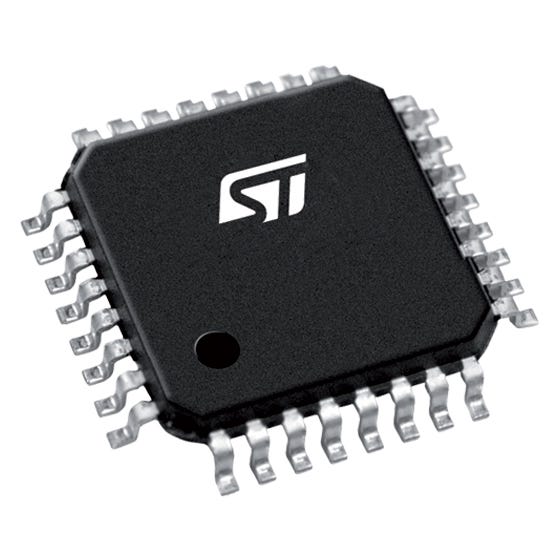
Encrypted STM32F301K6 Microprocessor Flash Memory Breaking will disable the security fuse bit of stm32f301k6 microcontroller and readout embedded heximal file from mcu stm32f301k6;
The CRC (cyclic redundancy check) calculation unit is used to get a CRC code using a configurable generator polynomial value and size.
Among other applications, CRC-based techniques are used to verify data transmission or storage integrity. In the scope of the EN/IEC 60335-1 standard, they offer a means of verifying the Flash memory integrity.
The CRC calculation unit helps compute a signature of the software during runtime by recovering stm32f301r6 microcontroller flash memory code, to be compared with a reference signature generated at linktime and stored at a given memory location.
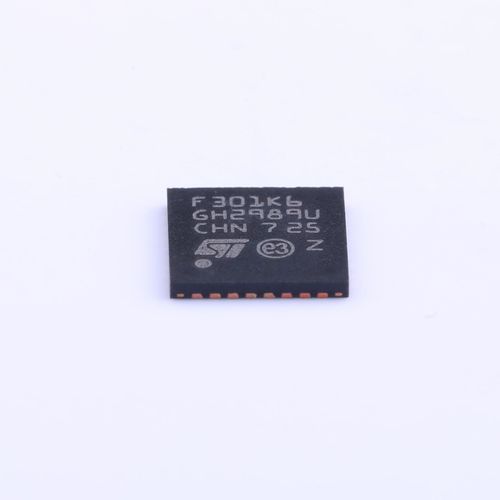
la ruptura de la memoria flash del microprocesador STM32F301K6 cifrada deshabilitará el bit de fusible de seguridad del microcontrolador stm32f301k6 y leerá el archivo hexamal incrustado del MCU STM32F301K6;
- VSS, VDD = 2.0 to 3.6 V: external power supply for I/Os and the internal regulator. It is provided externally through VDD pins.
VSSA, VDDA = 2.0 to 3.6 V: external analog power supply for ADC, DAC, comparators, operational amplifier, reset blocks, RCs and PLL. The minimum voltage to be applied to VDDA differs from one analog peripheral to another.
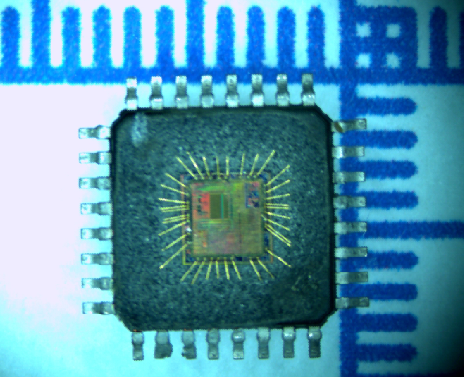
Below Table provides the summary of the VDDA ranges for analog peripherals. The VDDA voltage level must always be greater than or equal to the VDD voltage level and must be provided first.

ARM STM32F301C6 Microprocessor Embedded Firmware Decryption
ARM STM32F301C6 Microprocessor Embedded Firmware Decryption can help engineer to dump flash heximal content from stm32f301c6 mcu chip, and then copy firmware file to new microcontroller stm32f301c6 which can perform the same functions;
The Arm® Cortex®-M4 processor with FPU is the latest generation of Arm processors for embedded systems. It was developed to provide a low-cost platform that meets the needs of MCU implementation, with a reduced pin count and low-power consumption, while delivering outstanding computational performance and an advanced response to interrupts.
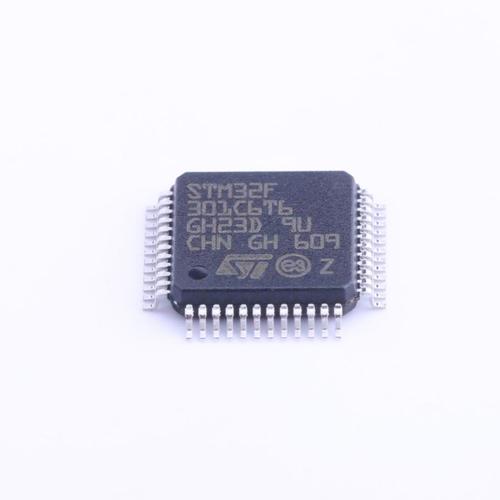
El descifrado de firmware integrado del microprocesador ARM STM32F301C6 puede ayudar al ingeniero a volcar contenido hexamal flash del chip MCU STM32F301C6 y luego copiar el archivo de firmware al nuevo microcontrolador STM32F301C6 que puede realizar las mismas funciones;
The Arm® Cortex®-M4 32-bit RISC processor with FPU features exceptional code- efficiency, delivering the high-performance expected from an Arm core in the memory size usually associated with 8- and 16-bit devices.
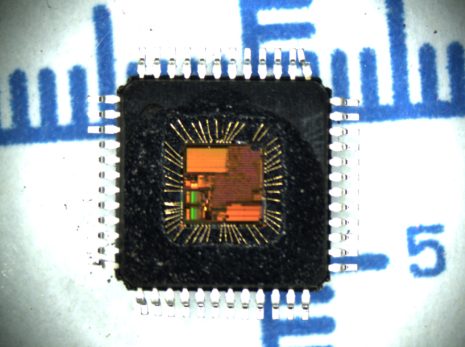
The processor supports a set of DSP instructions which allow efficient signal processing and complex algorithm execution. Its single-precision FPU speeds up software development by using metalanguage development tools while avoiding saturation which can help to recovering stm32f301r6 mcu flash code. With its embedded Arm core, the STM32F301x6/8 family is compatible with all Arm tools and software.
 Posted in Break IC |
 Tags: conteúdo da memória flash do chip de proteção STM32F301C6 decifrar, decifrar o código-fonte do microprocessador criptografado STM32F301C6, firmware incorporado MCU bloqueado decifrar STM32F301C6, programa heximal de microcontrolador seguro STM32F301C6 decifrar |
 Comments Closed
Recover STM32F301R6 MCU Flash Memory Code
Recover STM32F301R6 MCU Flash Memory Code in the format of heximal, the firmware can be rewritten to the new microcontroller stm32f301r6, status of microprocessor stm32f301r6 will be modified by cracking microcontroller;
The STM32F301x6/8 family is based on the high-performance Arm® Cortex®-M4
32-bit RISC core operating at a frequency of up to 72 MHz and embedding a floating point unit (FPU). The family incorporates high-speed embedded memories (up to 64 Kbytes of Flash memory, 16 Kbytes of SRAM), and an extensive range of enhanced I/Os and peripherals connected to two APB buses.
The devices offer a fast 12-bit ADC (5 Msps), three comparators, an operational amplifier, up to 18 capacitive sensing channels, one DAC channel, a low-power RTC, one general- purpose 32-bit timer, one timer dedicated to motor control by reverse engineering stm32f078r8 mcu flash, and up to three general-purpose 16-bit timers, and one timer to drive the DAC. They also feature standard and advanced communication interfaces: three I2Cs, up to three USARTs, up to two SPIs with multiplexed full-duplex I2S, and an infrared transmitter.
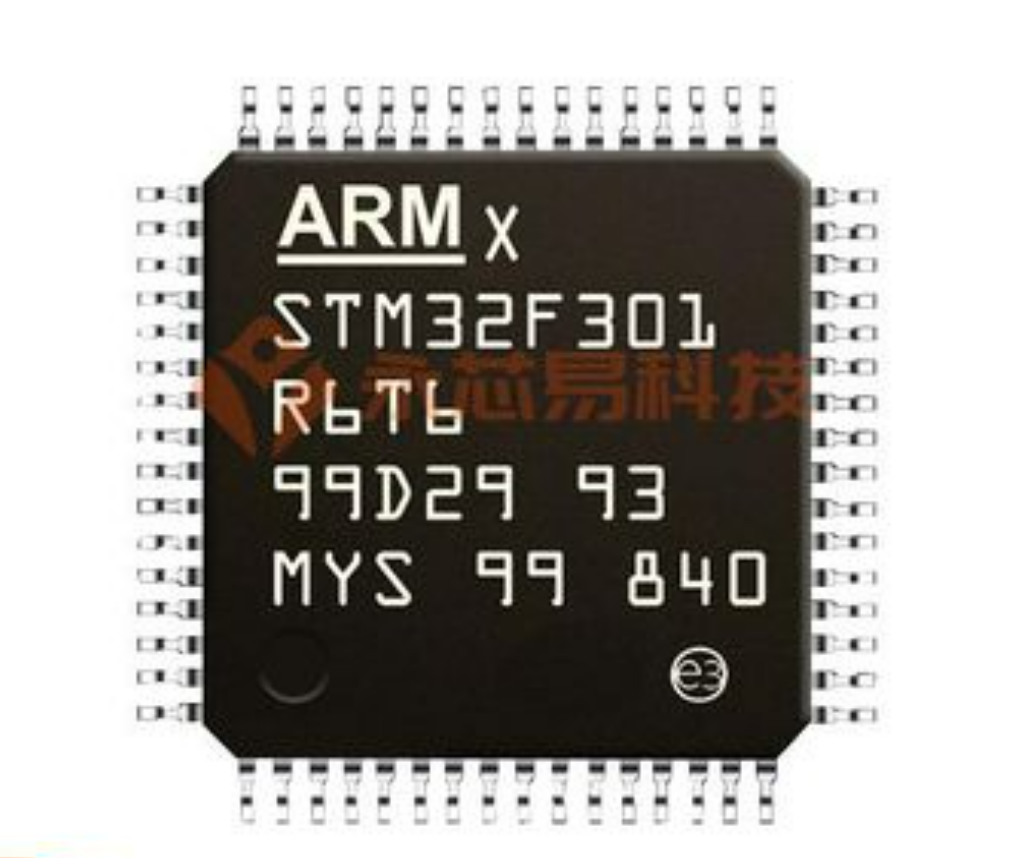
recuperar el código de memoria flash STM32F301R6 MCU en el formato de hexadecimal, el firmware se puede reescribir en el nuevo microcontrolador STM32F301R6, el estado del microprocesador STM32F301R6 se modificará al descifrar el microcontrolador
The STM32F301x6/8 family operates in the –40 to +85°C and –40 to +105°C temperature ranges from at a 2.0 to 3.6 V power supply. A comprehensive set of power-saving mode allows the design of low-power applications which is similar with the process of breaking microcontroller stm32f042g4 flash memory. The STM32F301x6/8 family offers devices in 32-, 48-, 49- and 64-pin packages. The set of included peripherals changes with the device chosen.
Posted in Break IC, Recover MCU |
Tags: recuperare il codice sorgente del chip protetto STM32F301R6, recuperare il contenuto della memoria flash MCU crittografato STM32F301R6, recuperare il firmware integrato del microcontrollore bloccato STM32F301R6, recuperare il programma esagonale del microprocessore protetto STM32F301R6 |
Comments Closed
Microcontroller STM32F048T6 Flash Heximal Cloning
Microcontroller STM32F048T6 Flash Heximal Cloning after mcu stm32f048t6 source code extracting, the status of microprocessor stm32f048t6 will be reset by decrypting;
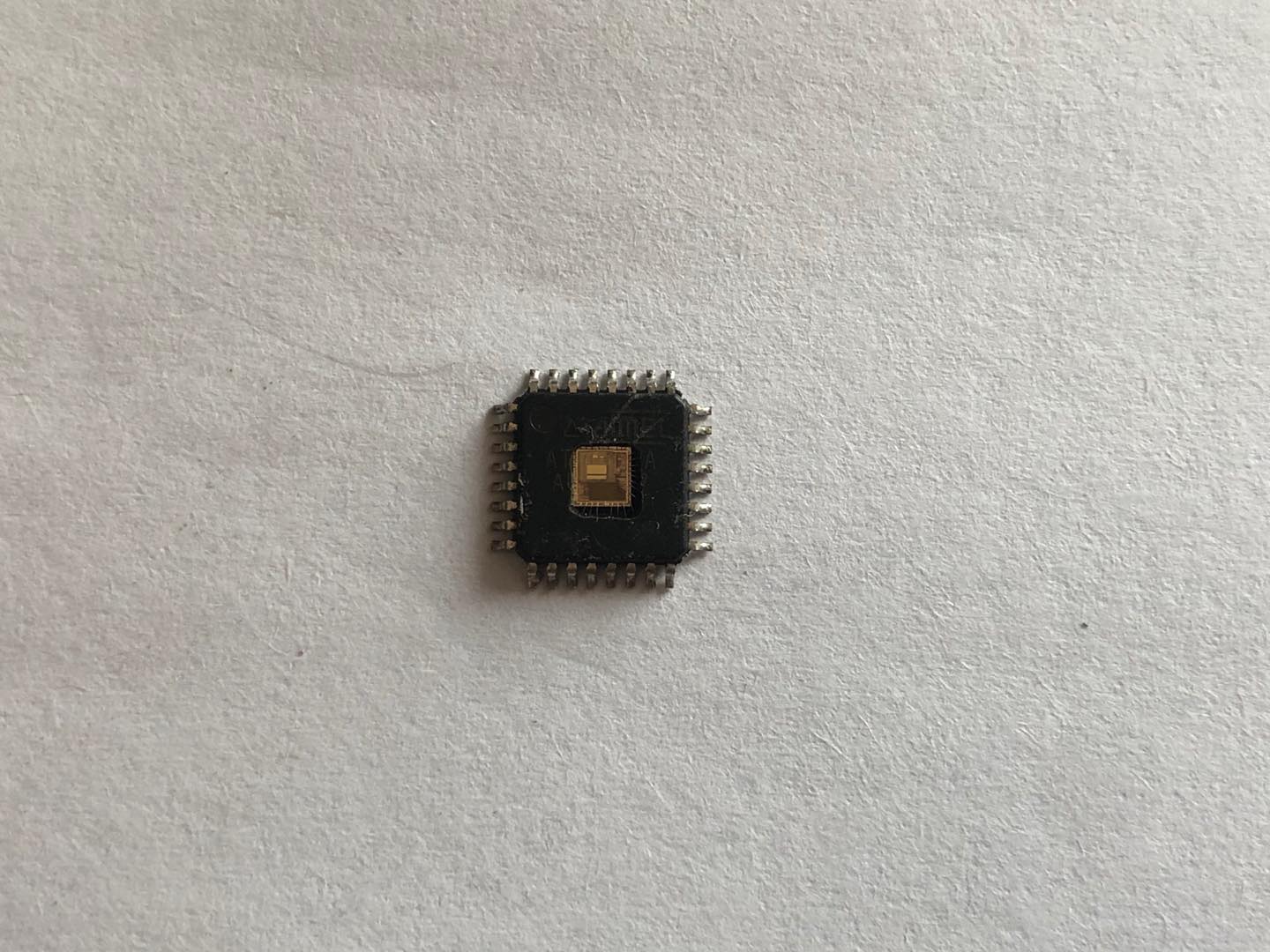
At startup, the boot pin and boot selector option bits are used to select one of the three boot options:
- boot from User Flash memory
- boot from System Memory
- boot from embedded SRAM
The boot pin is shared with the standard GPIO and can be disabled through the boot selector option bits. The boot loader is located in System Memory. It is used to reprogram the Flash memory by using USART on pins PA14/PA15 or PA9/PA10 or I2C on pins PB6/PB7 or through the USB DFU interface.
The CRC (cyclic redundancy check) calculation unit is used to get a CRC code from a 32-bit data word and a CRC-32 (Ethernet) polynomial by recovering smt32f038f6 microcontroller heximal file. Among other applications, CRC-based techniques are used to verify data transmission or storage integrity.
In the scope of the EN/IEC 60335-1 standard, they offer a means of verifying the Flash memory integrity. The CRC calculation unit helps compute a signature of the software during runtime, to be compared with a reference signature generated at link- time and stored at a given memory location.
Restoring STM32F048G6 Secured MCU Flash Program
Restoring STM32F048G6 Secured MCU Flash Program needs to unlock microprocessor stm32f048g6 locked fuse bit, and copy firmware heximal to new microcontroller stm32f048g6 for mcu cloning;
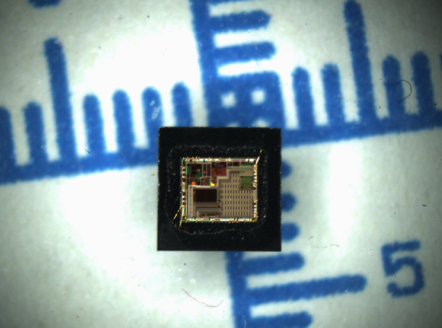
The ARM® Cortex®-M0 is a generation of ARM 32-bit RISC processors for embedded systems. It has been developed to provide a low-cost platform that meets the needs of MCU implementation, with a reduced pin count and low-power consumption, while delivering outstanding computational performance and an advanced system response to interrupts.
The ARM® Cortex®-M0 processors feature exceptional code-efficiency, delivering the high performance expected from an ARM core, with memory sizes usually associated with 8- and 16-bit devices by stm32f031c6 microprocessor flash cracking. The STM32F048x6 devices embed ARM core and are compatible with all ARM tools and software.
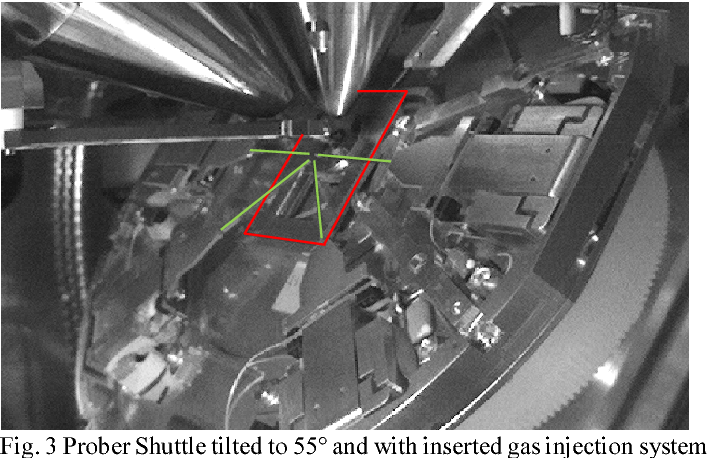
The device has the following features:
- 6 Kbytes of embedded SRAM accessed (read/write) at CPU clock speed with 0 wait states and featuring embedded parity checking with exception generation for fail-critical applications.
- The non-volatile memory is divided into two arrays:
- 32 Kbytes of embedded Flash memory for programs and data
- Option bytes
- The non-volatile memory is divided into two arrays:
The option bytes are used to write-protect the memory (with 4 KB granularity) and/or readout-protect the whole memory with the following options:
- Level 0: no readout protection
- Level 1: memory readout protection, the Flash memory cannot be read from or written to if either debug features are connected or boot in RAM is selected
- Level 2: chip readout protection, debug features (Cortex®-M0 serial wire) and boot in RAM selection disabled
Posted in Recover MCU |
Tags: вбудована прошивка, відновлювати STM32F048G6 заблокований код програмного забезпечення мікросхеми, відновлювати STM32F048G6 захищений мікроконтролер, відновлювати STM32F048G6 захищену MCU гексимальну програму, відновлювати STM32F048G6 зашифровані мікропроцесорні флеш-дані |
Comments Closed
Protective Microcontroller STM32F048C6 Flash Heximal Cracking
The STM32F048C6 is a 32-bit Arm Cortex-M0 microcontroller from STMicroelectronics, designed for low-voltage embedded applications that require compact processing, integrated connectivity, and efficient power management. It operates at up to 48 MHz and incorporates 32 KB of embedded Flash memory and 6 KB of SRAM, together with a broad selection of peripherals and communication interfaces. Depending on the application design, its resources include USB full-speed, I2C, SPI/I2S, USART, ADC, timers, PWM, DMA, touch-sensing capabilities, and serial-wire debugging. These features make the STM32F048C6 suitable for industrial control equipment, PLC-related applications, inverters, printers, scanners, alarm systems, HVAC equipment, user-interface products, A/V equipment, GPS platforms, PC peripherals, and other embedded electronic systems.

For equipment that has been operating for many years, the programmed MCU may contain software that is no longer available in the original development environment. The loss of a firmware project, source code, software archive, or engineering backup can make maintenance and reproduction considerably more difficult. A protective, secured, encrypted, or locked microcontroller may further restrict conventional access to its internal Flash memory.
In such circumstances, authorized firmware recovery can help engineers investigate legacy equipment, restore discontinued products, reproduce replacement control boards, or preserve important embedded functions before the original hardware becomes unavailable. Recovering usable code or data from an existing device can therefore provide valuable information for repair, redesign, compatibility analysis, and long-term product support.
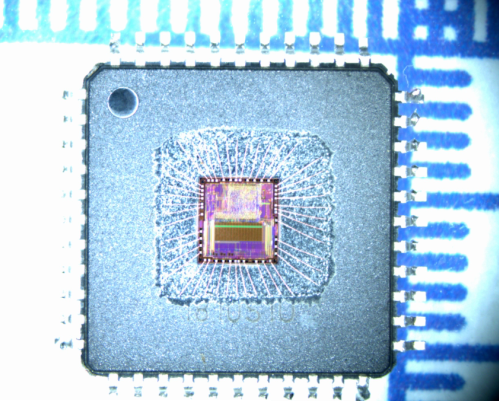
The STM32F048x6 microcontrollers incorporate the high-performance ARM® Cortex®-M0 32-bit RISC core operating at up to 48 MHz frequency, high-speed embedded memories (32 Kbytes of Flash memory and 6 Kbytes of SRAM), and an extensive range of enhanced peripherals and I/Os.
When examining a STM32F048C6 recovery case, engineers can begin by identifying the MCU condition, available interfaces, memory structure, protection configuration, and the relationship between the device and its surrounding circuit. For an authorized project involving STM32F048C6, appropriate programming, debugging, and hardware-analysis methods may be evaluated to determine whether firmware, source code, data, software, memory, archive, flash, or eeprom information can be retrieved, decoded, duplicated, or cloned.
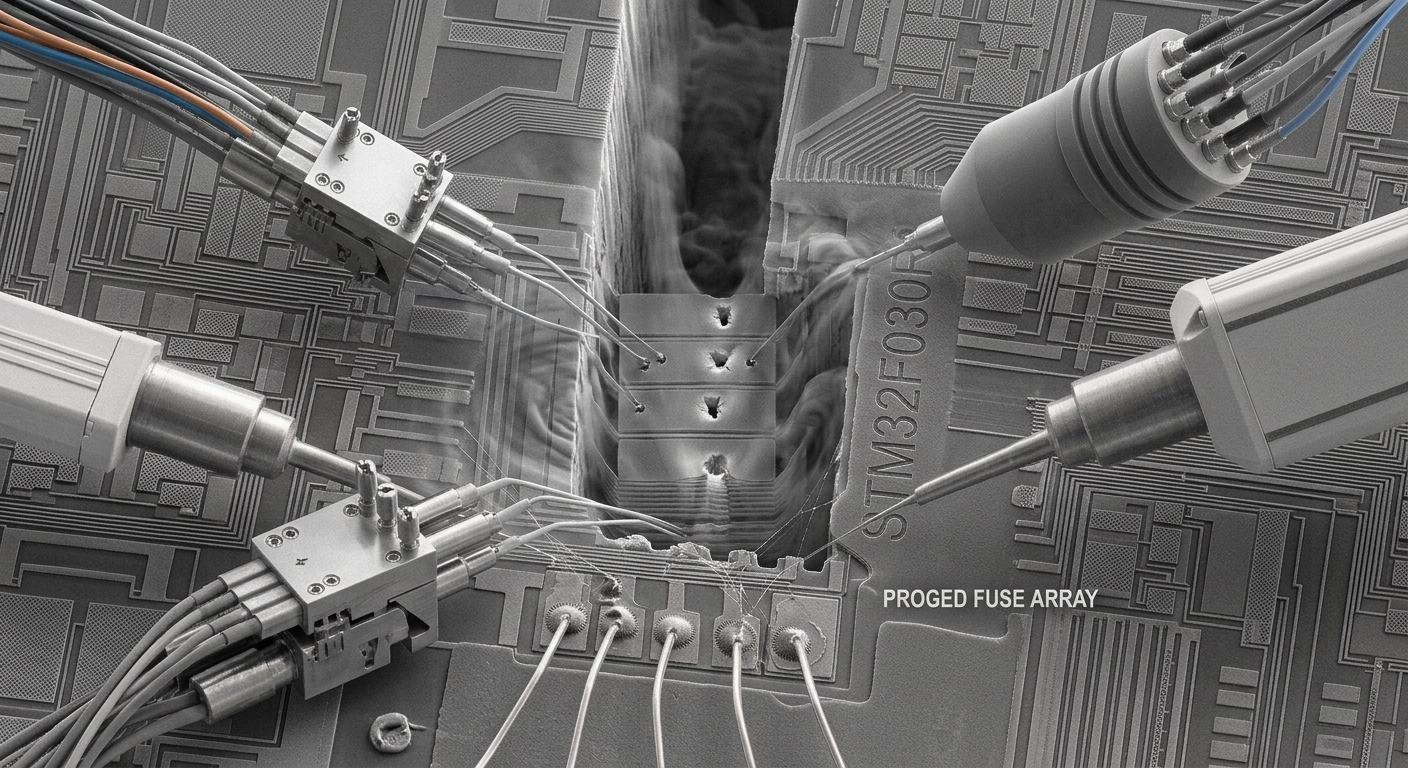
If normal access is restricted by a protective, secured, encrypted, or locked configuration, specialists may investigate legitimate technical approaches to break or attack the applicable access barrier while assessing the risk to the original device and its data. Where conventional techniques do not provide sufficient information, advanced semiconductor analysis may involve controlled decapsulation of the microcontroller, microprocessor, MCU, chip, or IC. The actual recovery possibilities depend on the protection state, physical condition, memory contents, interface availability, and the specific recovery objective, so each STM32F048C6 should be assessed individually rather than assuming that one recovery method will work for every device.
The STM32F048x6 microcontrollers operate in the -40 to +85 °C and -40 to +105 °C temperature ranges, at a 1.8 V ± 8% power supply. A comprehensive set of power-saving modes allows the design of low-power applications. The STM32F048x6 microcontrollers include devices in three different packages ranging from 36 pins to 48 pins with a die form also available upon request. Depending on the device chosen, different sets of peripherals are included.
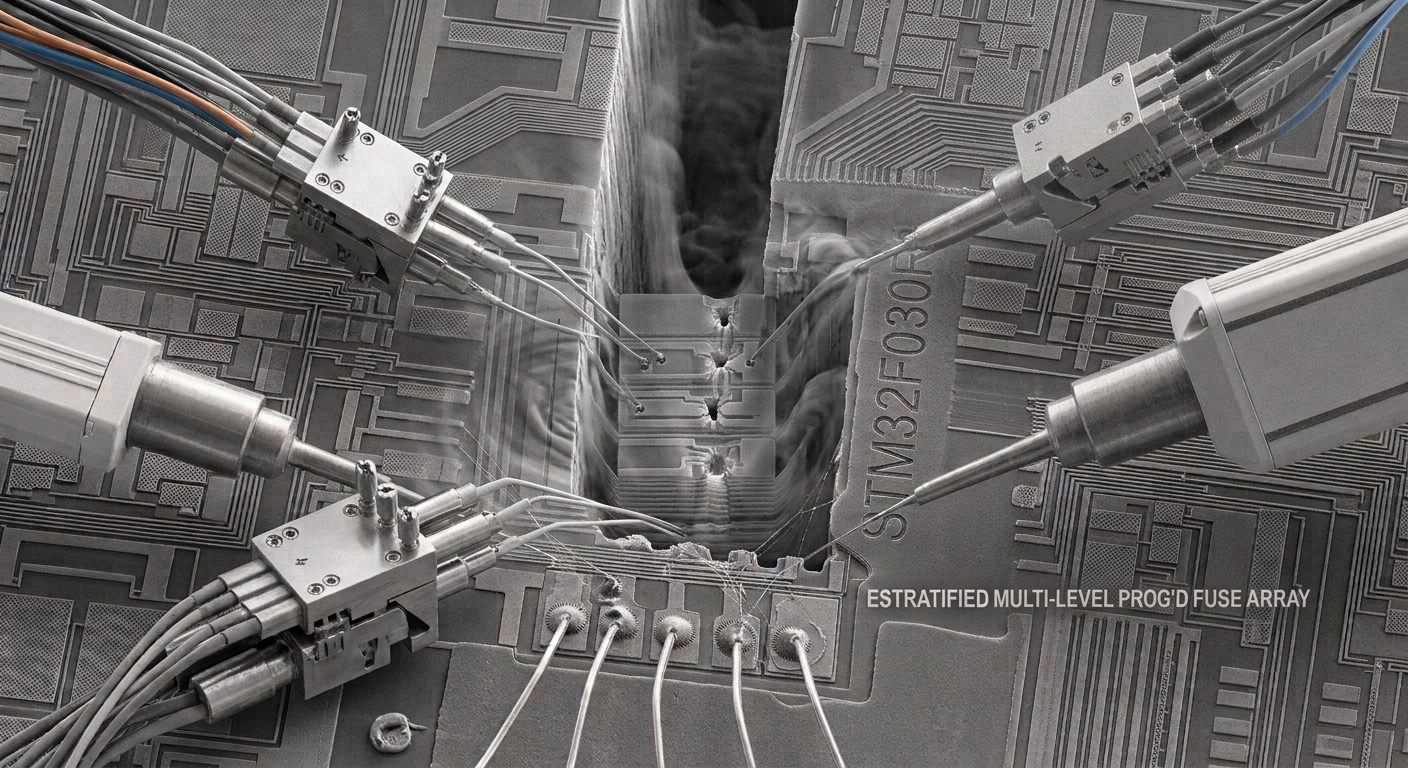
Our STM32F048C6 Flash and firmware recovery service helps authorized end users, manufacturers, repair organizations, and embedded engineering teams deal with missing or inaccessible software stored in existing electronic equipment. Our engineers can inspect the target hardware, identify the installed MCU and relevant interfaces, evaluate the memory and protection condition, and select an appropriate recovery strategy according to the device characteristics.
Where technically feasible, the service may assist in obtaining recoverable firmware images, Flash contents, configuration information, or other valuable embedded data for authorized repair, restoration, redesign, replacement production, or engineering analysis. This approach is particularly useful when an original software archive has been lost and the programmed microcontroller has become the remaining source of critical operational information. Our goal is to help customers preserve valuable embedded code and recover usable information from legacy electronic systems while maintaining a careful, device-specific engineering process.
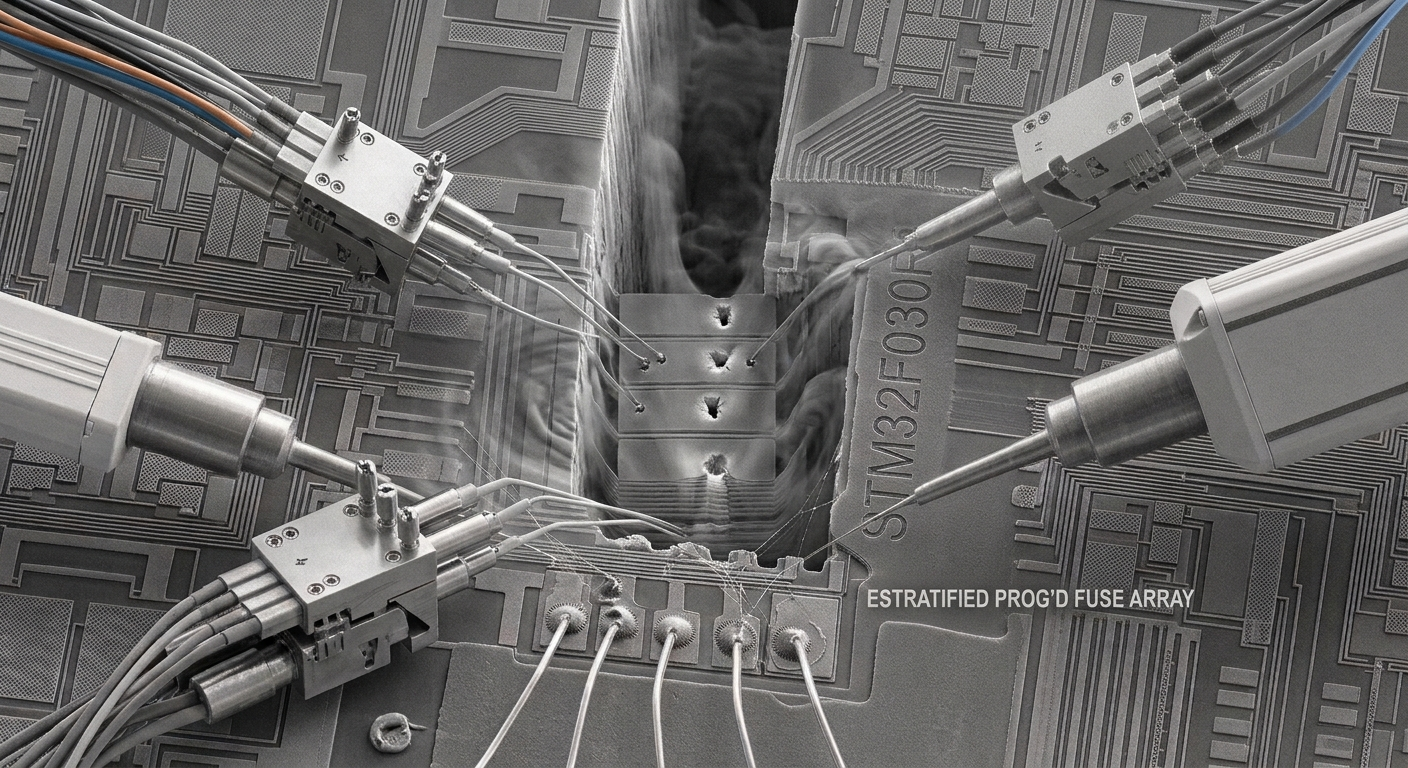
Microcontroller STM32F042K6 Flash Locked Bit Breaking
Microcontroller STM32F042K6 Flash Locked Bit Breaking means the tamper resistance system of stm32f042k6 mcu will be cracked as well as readout protection, and then copying the heximal data to new microprocessor stm32f042k6 as mcu cloning;
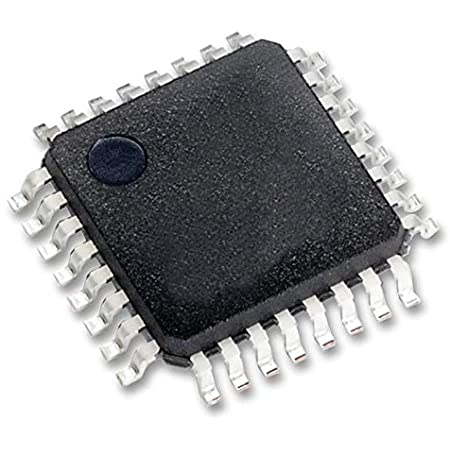
The regulator has two operating modes and it is always enabled after reset.
- Main (MR) is used in normal operating mode (Run).
- Low power (LPR) can be used in Stop mode where the power demand is reduced.
In Standby mode, it is put in power down mode. In this mode, the regulator output is in high impedance and the kernel circuitry is powered down, inducing zero consumption (but the contents of the registers and SRAM are lost).
System clock selection is performed on startup, however the internal RC 8 MHz oscillator is selected as default CPU clock on reset by recover stm32f042f4 microcontroller embedded heximal program. An external 4-32 MHz clock can be selected, in which case it is monitored for failure. If failure is detected, the system automatically switches back to the internal RC oscillator.

la rotura de bits bloqueados por flash del microcontrolador STM32F042K6 significa que el sistema de resistencia a la manipulación del MCU STM32F042K6 se romperá, así como la protección de lectura, y luego copiará los datos hexamales al nuevo microprocesador STM32F042K6 como clonación de MCU;
A software interrupt is generated if enabled. Similarly, full interrupt management of the PLL clock entry is available when necessary (for example on failure of an indirectly used external crystal, resonator or oscillator).
Secured Microprocessor STM32F042C6 Flash Code Extraction
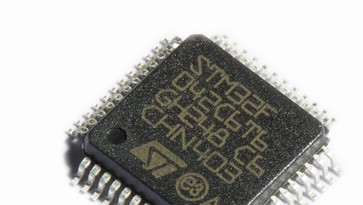
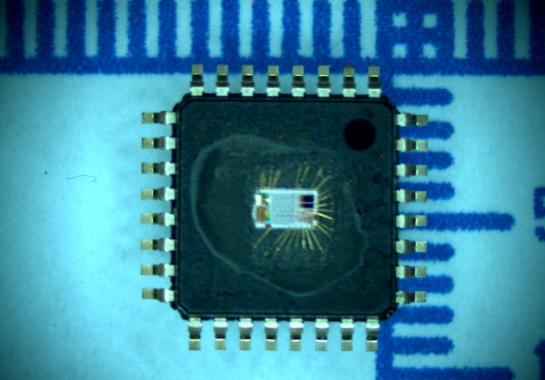
Secured Microprocessor STM32F042C6 Flash Code Extraction will needs to crack stm32f042c6 mcu security fuse bit by focus ion beam, and then dump embedded heximal file from stm32f042c6 flash memory;
The device has integrated power-on reset (POR) and power-down reset (PDR) circuits. They are always active, and ensure proper operation above a threshold of 2 V.
The device remains in reset mode when the monitored supply voltage is below a specified threshold, VPOR/PDR, without the need for an external reset circuit.
- The POR monitors only the VDD supply voltage. During the startup phase it is required that VDDA should arrive first and be greater than or equal to VDD.
- The PDR monitors both the VDD and VDDA supply voltages, however the VDDA power supply supervisor can be disabled (by programming a dedicated Option bit) to reduce the power consumption if the application design ensures that VDDA is higher than or equal to VDD.
The device features an embedded programmable voltage detector (PVD) that monitors the VDD power supply and compares it to the VPVD threshold when recovery stm32f042k4 microprocessor firmware. An interrupt can be generated when VDD drops below the VPVD threshold and/or when VDD is higher than the VPVD threshold.

защищенный микропроцессор STM32F042C6 для извлечения флэш-кода должен будет взломать предохранитель безопасности микроконтроллера STM32F042C6 с помощью фокусирующего ионного луча, а затем выгрузить встроенный шестигранный файл из флэш-памяти STM32F042C6;
The interrupt service routine can then generate a warning message and/or put the MCU into a safe state. The PVD is enabled by software.
Recover STM32F042K4 Locked Microprocessor Firmware
Recover STM32F042K4 Locked Microprocessor Firmware from its flash memory, after breaking stm32f042k4 microcontroller readout protection, and flash data can be replicated from stm32f042k4 mcu chip;
The device has the following features:
- 6 Kbytes of embedded SRAM accessed (read/write) at CPU clock speed with 0 wait states and featuring embedded parity checking with exception generation for fail-critical applications.
- The non-volatile memory is divided into two arrays:
- 16 to 32 Kbytes of embedded Flash memory for programs and data
- Option bytes
- The non-volatile memory is divided into two arrays:
The option bytes are used to write-protect the memory (with 4 KB granularity) and/or readout-protect the whole memory with the following options:
- Level 0: no readout protection
- Level 1: memory readout protection, the Flash memory cannot be read from or written to if either debug features are connected or boot in RAM is selected
- Level 2: chip readout protection, debug features (Cortex®-M0 serial wire) and boot in RAM selection disabled
At startup, the boot pin and boot selector option bits are used to select one of the three boot options:
- boot from User Flash memory
- boot from System Memory
- boot from embedded SRAM
The boot pin is shared with the standard GPIO and can be disabled through the boot selector option bits. The boot loader is located in System Memory. It is used to reprogram the Flash memory by using USART on pins PA14/PA15, or PA9/PA10 or I2C on pins PB6/PB7 or through the USB DFU interface.

восстановить заблокированную прошивку микропроцессора STM32F042K4 из его флэш-памяти после взлома защиты от считывания микроконтроллера STM32F042K4, и данные флэш-памяти могут быть реплицированы с микросхемы микроконтроллера STM32F042K4;
Microcontroller STM32F042G4 Flash Memory Breaking
Microcontroller STM32F042G4 Flash Memory Breaking will help engineer to be able to replicate microprocessor stm32f042g4 flash program, normally it is required to decode stm32f042g4 microcontroller embedded firmware into the re-programming mode;
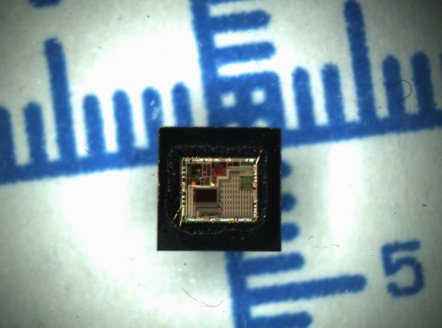
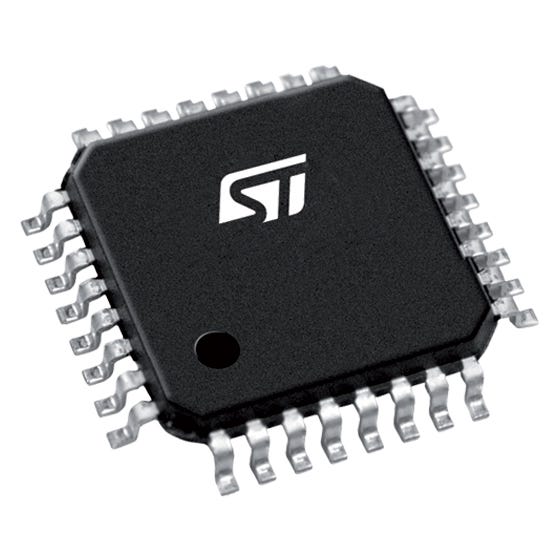
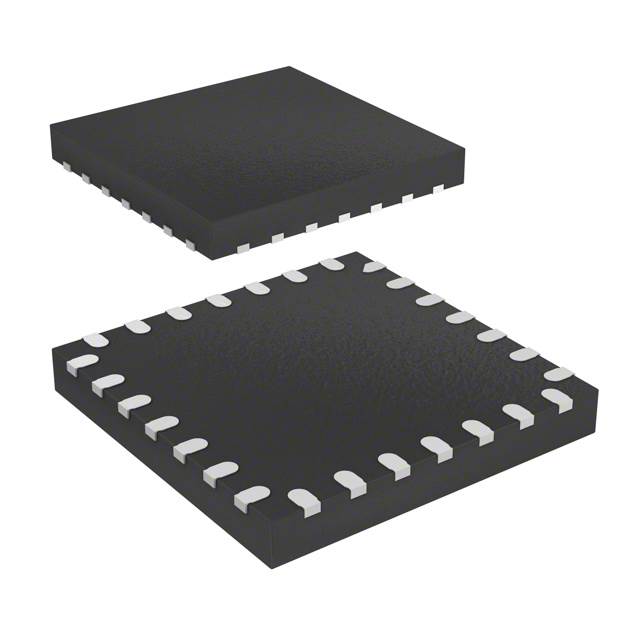
The STM32F042x4/x6 microcontrollers include devices in seven different packages ranging from 20 pins to 48 pins with a die form also available upon request. Depending on the device chosen, different sets of peripherals are included.
These features make the STM32F042x4/x6 microcontrollers suitable for a wide range of applications such as application control and user interfaces, hand-held equipment, A/V receivers and digital TV, PC peripherals, gaming and GPS platforms, industrial applications, PLCs, inverters, printers, scanners, alarm systems, video intercoms and HVACs.

взлом флэш-памяти микроконтроллера STM32F042G4 поможет инженеру реплицировать программу флэш-памяти микропроцессора STM32F042G4, обычно требуется декодировать встроенное микропрограммное обеспечение микроконтроллера STM32F042G4 в режим перепрограммирования;
The ARM® Cortex®-M0 is a generation of ARM 32-bit RISC processors for embedded systems. It has been developed to provide a low-cost platform that meets the needs of MCU implementation, with a reduced pin count and low-power consumption in the process of breaking stm32f038c6 locked mcu flash memory, while delivering outstanding computational performance and an advanced system response to interrupts.
The ARM® Cortex®-M0 processors feature exceptional code-efficiency, delivering the high performance expected from an ARM core, with memory sizes usually associated with 8- and 16-bit devices. The STM32F042x4/x6 devices embed ARM core and are compatible with all ARM tools and software.