 Copy MCU PIC18F4685 Software
 May 23rd, 2000 |
  Author:
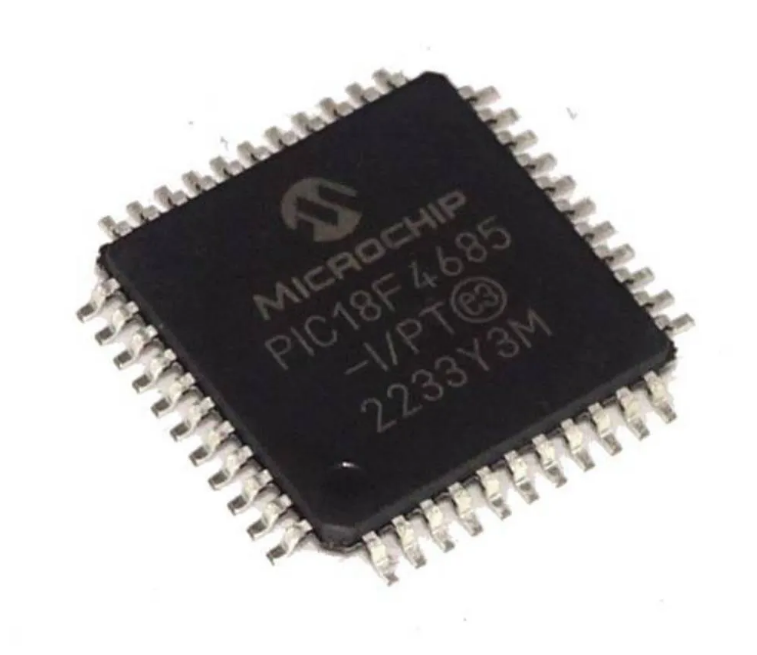
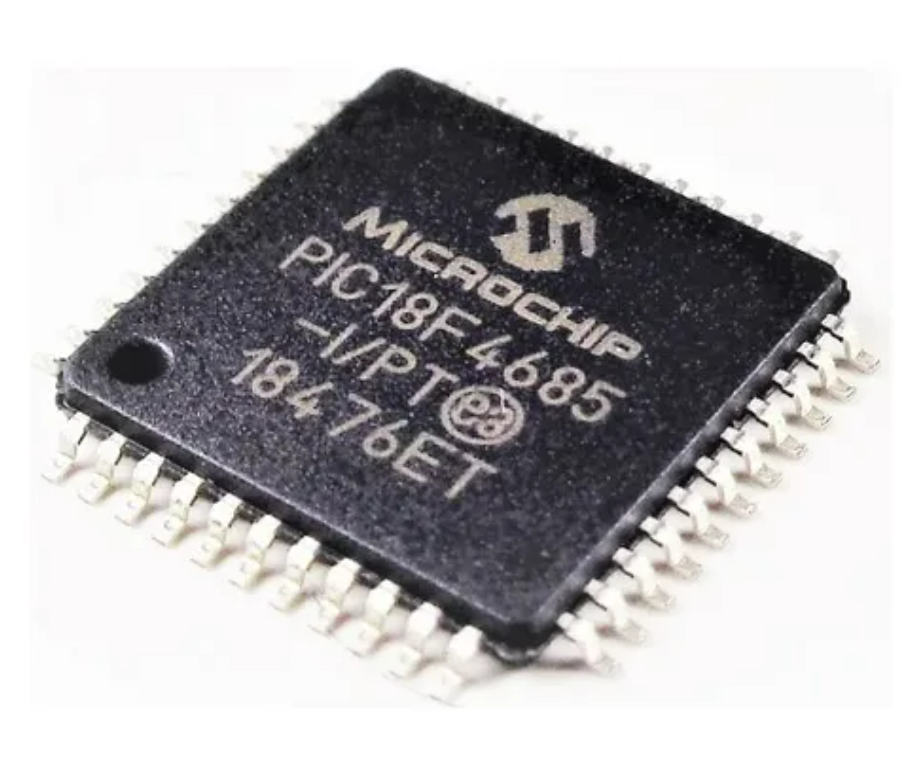
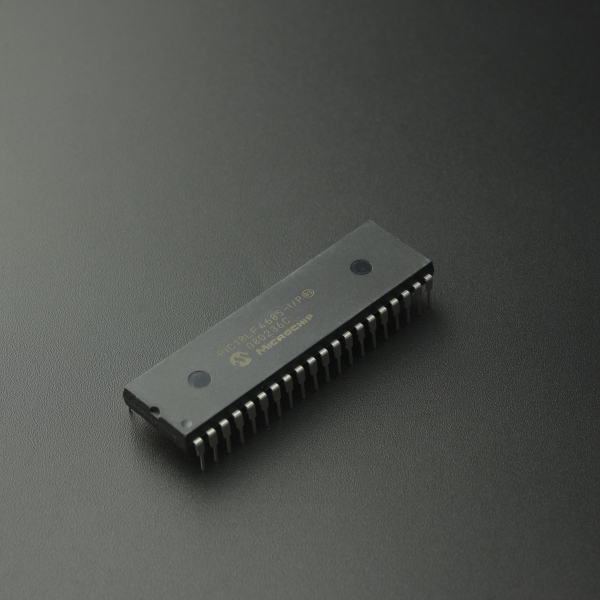
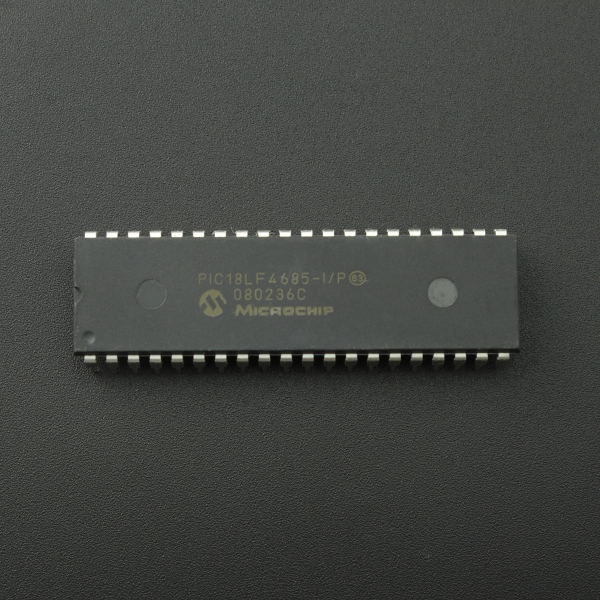
 The PIC18F4685 is a powerful 8-bit microcontroller from Microchip Technology, widely adopted in automotive electronics, industrial control systems, smart devices, and other advanced embedded applications. Designed with integrated CAN communication, extended EEPROM capabilities, and a large program flash memory, this chip is known for its high-performance, secured architecture and robust data protection mechanisms.
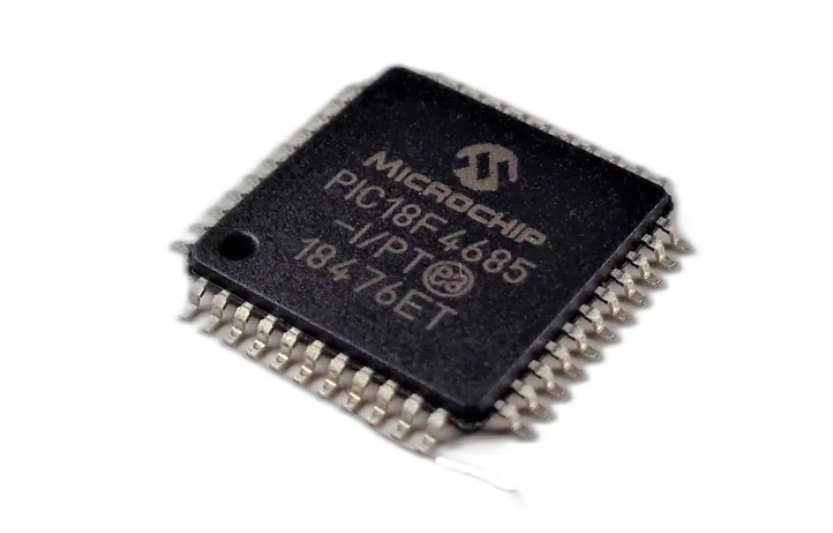
However, when the original heximal or binary files are lost or inaccessible, it can bring development or maintenance to a standstill. Whether for legacy system restoration, product optimization, or technical auditing, customers may find themselves needing to copy MCU PIC18F4685 software from a functional device. This task can be daunting due to the chip’s locked, encrypted, or code-protected memory structure.
That’s where [Your Company Name] comes in.
Specialized Service to Recover PIC18F4685 Firmware
We provide professional, confidential services to copy, clone, or duplicate the complete contents of the MCU PIC18F4685, including program flash, EEPROM, and configuration data. Whether the device is secured, obfuscated, or encrypted, our team utilizes sophisticated hardware interfaces and reverse engineering techniques to unlock, crack, or decode the protected firmware without damaging the chip.
Through a series of non-destructive probing, memory readout, and firmware extraction processes, we can help you recover the essential heximal files, source code, or data archives needed for:
- Software backup and replication
- Faulty device replacement
- Legacy product updates
- Custom modification or migration
- Vulnerability assessment and debugging
Why the PIC18F4685 Stands Out
This Microchip MCU offers advanced features that make it ideal for complex control systems:
- 96KB of Flash program memory and 1KB EEPROM, suitable for multi-function codebases
- Integrated Enhanced CAN module for robust communication in automotive or industrial networks
- 10-bit ADC, PWM modules, and multiple timers for flexible peripheral control
- Self-write programming capability, enabling field updates
- Selective code protection to prevent unauthorized access
These features make the PIC18F4685 highly reliable but also difficult to access once the firmware is locked. This level of protection is excellent for manufacturers but presents a challenge when legitimate recovery is needed.
What We Deliver
Our service doesn’t just copy or clone memory—we deliver meaningful, usable output. You receive a verified heximal firmware file, and upon request, we can assist in disassembling or partially reverse-engineering the binary to a more human-readable form, such as assembly or annotated code.
Clients trust us for our discretion, deep technical knowledge, and ethical approach. We handle each case individually, ensuring your data and objectives remain secure throughout the process.
Conclusion
If you’re in a situation where you need to restore, decrypt, or recover a protected program file from a PIC18F4685, don’t take chances with unreliable tools or guesswork. Let our experts help you copy MCU PIC18F4685 software professionally, with accuracy and respect for your IP needs. Contact us today to learn how we can support your embedded system goals.
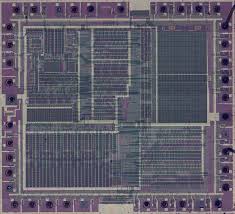
Copy MCU PIC18F4685 software inside microcontroller PIC18F4685 flash memory, decapsulate silicon package of microcontroller and get its fuse bit exposed, so MCU cracking technique will be able to reset the bit and readout the firmware from Microcontroller;
Power-Managed Modes:
Peripheral Highlights:
Run: CPU on, peripherals on
Idle: CPU off, peripherals on
Sleep: CPU off, peripherals off
Idle mode currents down to 5.8 ìA typical
Sleep mode currents down to 0.1 ìA typical
Timer1 Oscillator: 1.1 ìA, 32 kHz, 2V
Watchdog Timer: 2.1 ìA
Two-Speed Oscillator Start-up
High-Current Sink/source 25 mA/25 mA
Three External Interrupts
One Capture/Compare/PWM (CCP1) module
Enhanced Capture/Compare/PWM (ECCP1) module
(40/44-pin devices only):
– One, two or four PWM outputs
– Selectable polarity
– Programmable dead time
Flexible Oscillator Structure:
· Four Crystal modes, up to 40 MHz
· 4x Phase Lock Loop (PLL) – available for crystal and internal oscillators
· Two External RC modes, up to 4 MHz
· Two External Clock modes, up to 40 MHz
· Internal Oscillator Block:
– 8 user-selectable frequencies, from 31 kHz to 8 MHz
– Provides a complete range of clock speeds,
from 31 kHz to 32 MHz when used with PLL
– User-tunable to compensate for frequency drift
· Secondary Oscillator using Timer1 @ 32 kHz
· Fail-Safe Clock Monitor
– Allows for safe shutdown if peripheral clock stops
– Auto-shutdown and auto-restart
Master Synchronous Serial Port (MSSP) module supporting 3-Wire SPI (all 4 modes) and I2C™
Master and Slave modes
Enhanced Addressable USART module:
– Supports RS-485, RS-232 and LIN 1.3
– RS-232 operation using internal oscillator block (no external crystal required)
– Auto-wake-up on Start bit
– Auto-Baud Detect
10-Bit, up to 11-Channel Analog-to-Digital
Converter module (A/D), up to 100 ksps:
– Auto-acquisition capability
– Conversion available during Sleep
Dual Analog Comparators with Input Multiplexing
Special Microcontroller Features:
· C compiler Optimized Architecture with optional
Extended Instruction Set
· 100,000 Erase/Write Cycle Enhanced Flash
Program Memory typical
· 1,000,000 Erase/Write Cycle Data EEPROM
Memory typical
· Flash/Data EEPROM Retention: > 40 years
· Self-Programmable under Software Control
· Priority Levels for Interrupts
· 8 x 8 Single-Cycle Hardware Multiplier
· Extended Watchdog Timer (WDT):
– Programmable period from 41 ms to 131s
· Single-Supply 5V In-Circuit Serial
Programming™ (ICSP™) via two pins
· In-Circuit Debug (ICD) via two pins
· Wide operating voltage range: 2.0V to 5.5V
ECAN Module Features:
· Message bit rates up to 1 Mbps
· Conforms to CAN 2.0B ACTIVE Specification
· Fully Backward Compatible with PIC18XXX8 CAN modules
· Three Modes of Operation:
– Legacy, Enhanced Legacy, FIFO
· Three Dedicated Transmit Buffers with Prioritization
· Two Dedicated Receive Buffers
· Six Programmable Receive/Transmit Buffers
· Three Full, 29-Bit Acceptance Masks
· 16 Full, 29-Bit Acceptance Filters w/Dynamic Association
· DeviceNet™ Data Byte Filter Support
· Automatic Remote Frame Handling
· Advanced Error Management Features
 Posted in Reverse Engineer Microcontroller