 Copy AVR ATmega165A
 July 21st, 2014 |
  Author:
 Copy AVR ATmega165A is a specialized firmware recovery and duplication service created for organizations that rely on long-life embedded systems and require continued access to critical program assets. The ATmega165A is a versatile 8-bit AVR microcontroller widely used in industrial automation, smart metering, HVAC controllers, laboratory instruments, consumer electronics, and embedded communication modules. With its integrated flash memory, EEPROM, SRAM, and rich peripheral set, it offers stable performance and low-power operation for applications that demand reliability over extended product lifecycles. When original development teams move on or documentation is lost, maintaining continuity of firmware and program files becomes a strategic necessity.
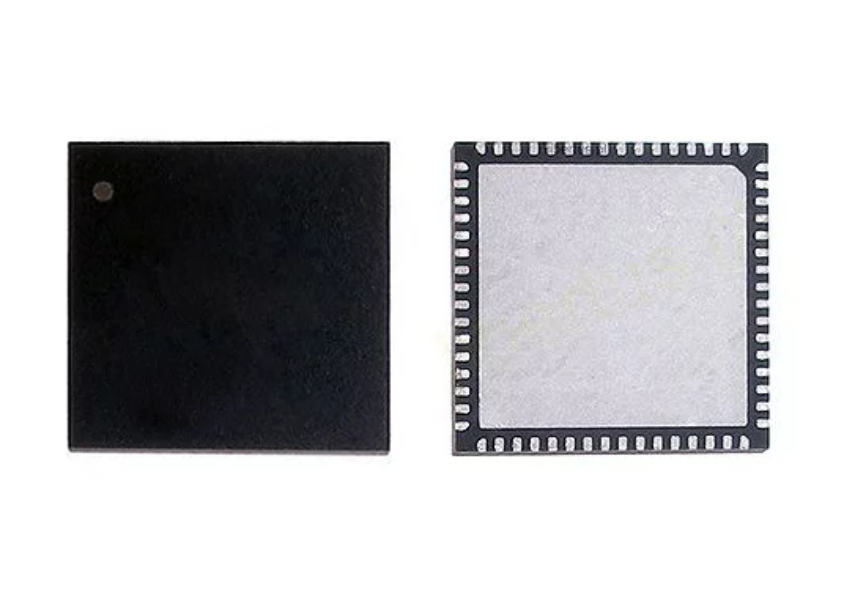
In many deployed systems, the ATmega165A is configured with protective, protected, locked, or encrypted security settings to secure firmware, binary, or heximal content stored in flash and EEPROM memory. Our Copy AVR ATmega165A service focuses on helping authorized clients attack and break these access controls in a controlled and compliant engineering environment. Through advanced analysis, we work to decode secured memory regions, retrieve embedded firmware data, and reconstruct usable program archives when source code or archived files are unavailable. In complex cases, controlled decapsulation concepts may be applied to access deeply embedded memory structures. The objective is not merely to hack a device, but to retrieve, clone, or duplicate consistent firmware, binary, and heximal outputs that can be validated and prepared for production continuity.
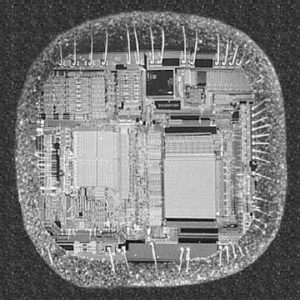
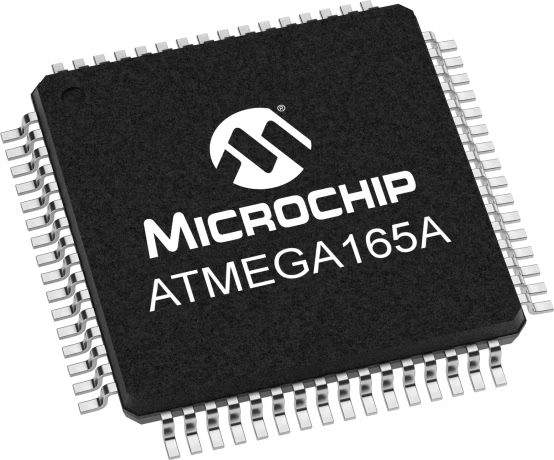
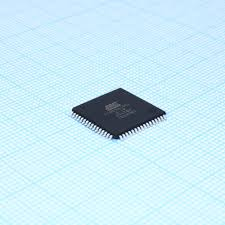
We can Copy AVR ATmega165A, please view below the feature of AVR ATmega165A for your reference:
Features
High Performance, Low Power Atmel® AVR® 8-Bit Microcontroller
Advanced RISC Architecture
– 130 Powerful Instructions – Most Single Clock Cycle Execution
– 32 x 8 General Purpose Working Registers
– Fully Static Operation
– Up to 16MIPS Throughput at 16MHz (ATmega165PA/645P)
– Up to 20MIPS Throughput at 20MHz
(ATmega165A/325A/325PA/645A/3250A/3250PA/6450A/6450P)
– On-Chip 2-cycle Multiplier
High Endurance Non-volatile Memory segments
– In-System Self-programmable Flash Program Memory
· 16KBytes (ATmega165A/ATmega165PA)
· 32KBytes (ATmega325A/ATmega325PA/ATmega3250A/ATmega3250PA)
· 64KBytes (ATmega645A/ATmega645P/ATmega6450A/ATmega6450P)
– EEPROM
· 512Bytes (ATmega165A/ATmega165PA)
· 1Kbytes (ATmega325A/ATmega325PA/ATmega3250A/ATmega3250PA)
· 2Kbytes (ATmega645A/ATmega645P/ATmega6450A/ATmega6450P)
– Internal SRAM
· 1KBytes (ATmega165A/ATmega165PA)
· 2KBytes (ATmega325A/ATmega325PA/ATmega3250A/ATmega3250PA)
· 4KBytes (ATmega645A/ATmega645P/ATmega6450A/ATmega6450P)
– Write/Erase cycles: 10,000 Flash/100,000 EEPROM
– Data retention: 20 years at 85°C/100 years at 25°C(1)
– Optional Boot Code Section with Independent Lock Bits
· In-System Programming by On-chip Boot Program
· True Read-While-Write Operation
– Programming Lock for Software Security
– Capacitive touch buttons, sliders and wheels
– Up to 64 sense channels
JTAG (IEEE std. 1149.1 compliant) Interface
– Boundary-scan Capabilities According to the JTAG Standard
– Extensive On-chip Debug Support
– Programming of Flash, EEPROM, Fuses, and Lock Bits through the JTAG Interface
Peripheral Features
– Two 8-bit Timer/Counters with Separate Prescaler and Compare Mode
– One 16-bit Timer/Counter with Separate Prescaler, Compare Mode, and Capture Mode
– Real Time Counter with Separate Oscillator
– Four PWM Channels
– 8-channel, 10-bit ADC
– Programmable Serial USART
– Master/Slave SPI Serial Interface
– Universal Serial Interface with Start Condition Detector
– Programmable Watchdog Timer with Separate On-chip Oscillator
– On-chip Analog Comparator
– Interrupt and Wake-up on Pin Change
Special Microcontroller Features
– Power-on Reset and Programmable Brown-out Detection
– Internal Calibrated Oscillator
– External and Internal Interrupt Sources
– Five Sleep Modes: Idle, ADC Noise Reduction, Power-save, Power-down, and Standby
I/O and Packages
– 54/69 Programmable I/O Lines
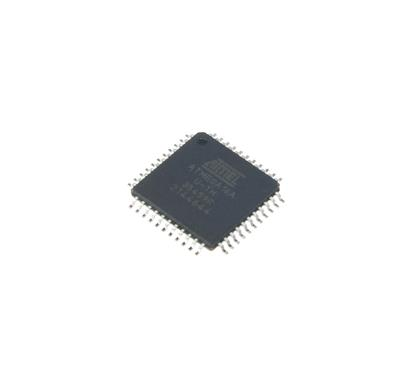
– 64/100-lead TQFP, 64-pad QFN/MLF and 64-pad DRQFN
Speed Grade:
– ATmega 165A/165PA/645A/645P: 0 – 16MHz @ 1.8 – 5.5V
– ATmega325A/325PA/3250A/3250PA/6450A/6450P: 0 – 20MHz @ 1.8 – 5.5V
Temperature range:
– -40°C to 85°C Industrial
Ultra-Low Power Consumption (picoPower devices)
– Active Mode:
· 1MHz, 1.8V: 215µA
· 32kHz, 1.8V: 8µA (including Oscillator)
– Power-down Mode: 0.1µA at 1.8V
– Power-save Mode: 0.6µA at 1.8V (Including 32kHz RTC over 20 years at 85°C or 100 years at 25°C
Once firmware and memory data are successfully retrieved, we assist in transforming raw dumps into structured program files suitable for further engineering use. This includes verifying flash integrity, analyzing EEPROM configuration data, and rebuilding firmware archives so they can be safely cloned or duplicated onto replacement devices. By decoding encrypted or secured embedded systems at a conceptual level, we enable customers to restore lost source code equivalents and recover valuable data locked inside aging hardware. This process is particularly important in regulated industries where traceability of firmware and configuration memory is essential for compliance and operational safety.
The benefits of the Copy AVR ATmega165A service are tangible and long-term. Clients can extend the lifecycle of legacy equipment, reduce downtime, and avoid the high cost of full redesign. Retrieved firmware and program data make it possible to duplicate proven embedded functionality, migrate to updated hardware platforms, or maintain spare inventory without disrupting field operations. By combining deep knowledge of AVR architecture with disciplined handling of protected and encrypted memory environments, we provide a discreet and reliable solution for organizations seeking to regain control over their embedded firmware assets while preserving business continuity and technical stability.
 Posted in Reverse Engineer Microcontroller