 Break Microcontroller PIC16F767 Firmware
 June 2nd, 2000 |
  Author:
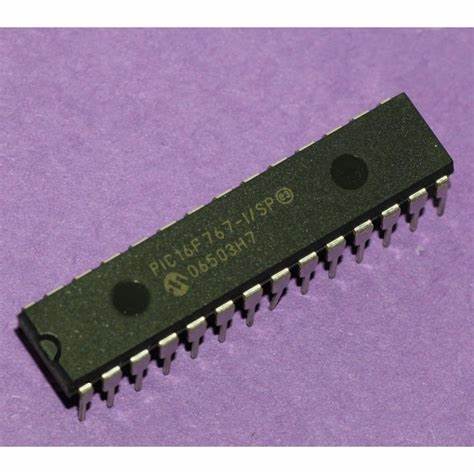
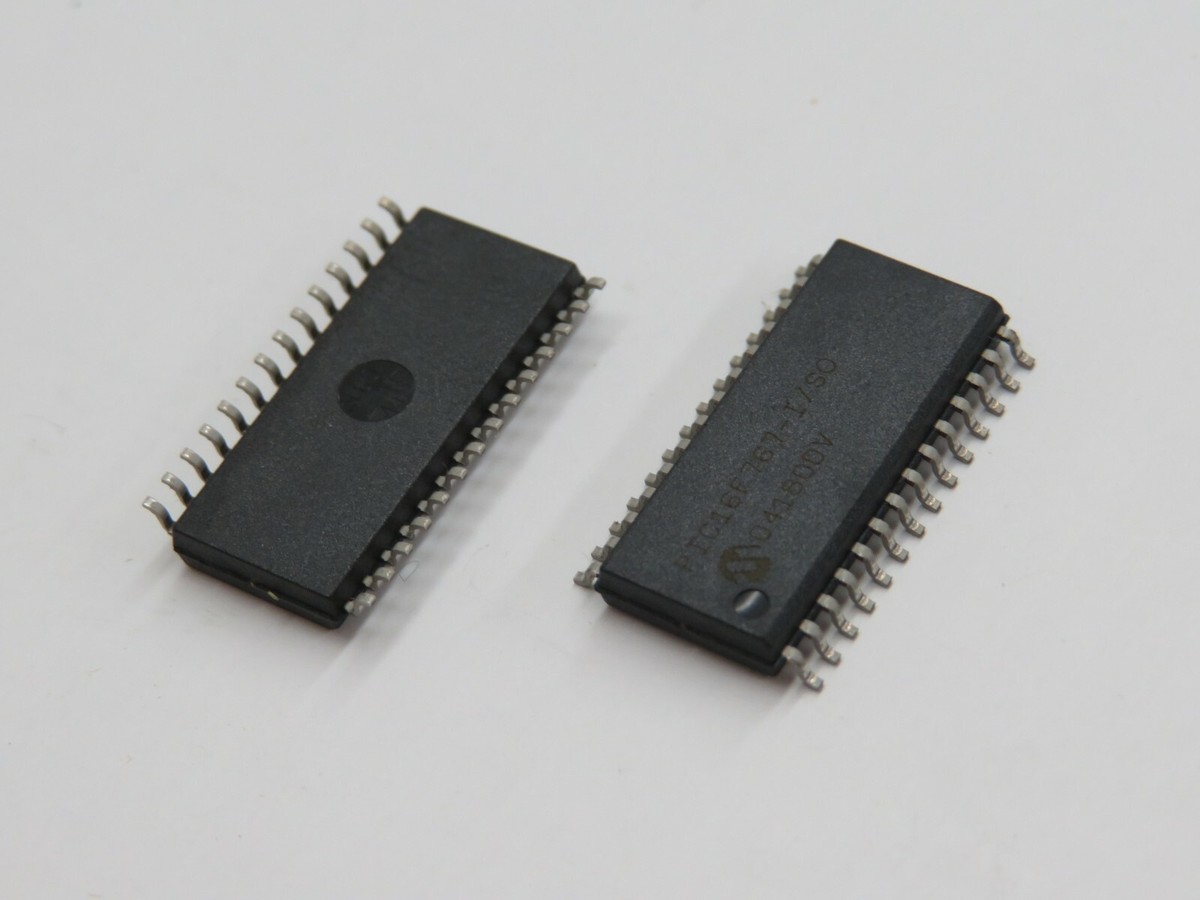
The Microchip PIC16F767 is a versatile 8-bit microcontroller (MCU) that combines analog, digital, and control features, making it an excellent choice for industrial automation, automotive electronics, consumer devices, and power management systems. With integrated EEPROM, flash memory, and multiple communication interfaces, the PIC16F767 provides a reliable platform for embedded applications. Its widespread adoption across industries makes the firmware stored inside this chip extremely valuable. However, when access to this program is lost due to security settings or damage, organizations may need to break microcontroller PIC16F767 firmware to ensure continuity of operations.
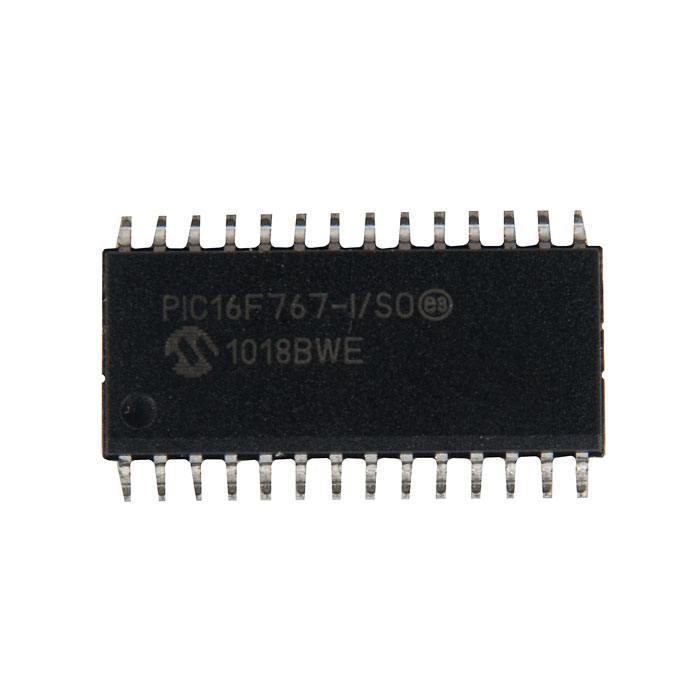
Break Microcontroller PIC16F767 protected memory include flash and eeprom area, readout embedded firmware from MCU PIC16F767 memory in the format of heximal and recover the file to blank MCU PIC16F767;
The PIC16F767 is deployed in diverse sectors thanks to its performance and cost-effectiveness:
- Industrial Control: Motor drives, PLC modules, and smart sensors often rely on the MCU for stable and efficient operation.
- Automotive Systems: Used in dashboard instruments, sensor controllers, and auxiliary power systems due to its robustness.
- Consumer Electronics: From smart appliances to portable devices, the chip manages control logic, signal processing, and user interfaces.
- Energy Management: Plays a vital role in renewable energy systems, power converters, and monitoring units.
In each of these cases, the firmware, binary files, and heximal data embedded within the flash memory of the PIC16F767 represent the heart of the system’s functionality. Losing access to this secured content can disrupt entire product lines.
Low-Power Features:
· Power-Managed modes:
– Primary Run (XT, RC oscillator, 76 µA,
1 MHz, 2V)
– RC_RUN (7 µA, 31.25 kHz, 2V)
– SEC_RUN (9 µA, 32 kHz, 2V)
– Sleep (0.1 µA, 2V)
· Timer1 Oscillator (1.8 µA, 32 kHz, 2V)
· Watchdog Timer (0.7 µA, 2V)
· Two-Speed Oscillator Start-up Oscillators:
· Three Crystal modes: – LP, XT, HS (up to 20 MHz)
· Two External RC modes
· One External Clock mode: – ECIO (up to 20 MHz)
· Internal Oscillator Block:
– 8 user-selectable frequencies (31 kHz, 125 kHz, 250 kHz, 500 kHz, 1 MHz, 2 MHz, 4 MHz, 8 MHz)
Analog Features:
· 10-bit, up to 14-channel Analog-to-Digital Converter
– Programmable Acquisition Time
– Conversion available during Sleep mode
· Dual Analog Comparators
· Programmable Low-Current Brown-out Reset (BOR) Circuitry and Programmable Low-Voltage Detect (LVD)
Peripheral Features:
· High Sink/Source Current: 25 mA
· Two 8-bit Timers with Prescaler
· Timer1/RTC module:
– 16-bit timer/counter with prescaler
– Can be incremented during Sleep via external 32 kHz watch crystal
· Master Synchronous Serial Port (MSSP) with 3-wire SPITM and I2CTM (Master and Slave) modes
· Addressable Universal Synchronous Asynchronous Receiver Transmitter (AUSART)
· Three Capture, Compare, PWM modules:
– Capture is 16-bit, max. resolution is 12.5 ns
– Compare is 16-bit, max. resolution is 200 ns
– PWM max. resolution is 10 bits
· Parallel Slave Port (PSP) – 40/44-pin devices only
Special Microcontroller Features:
· Fail-Safe Clock Monitor for protecting critical applications against crystal failure
· Two-Speed Start-up mode for immediate code execution
· Power-on Reset (POR), Power-up Timer (PWRT) and Oscillator Start-up Timer (OST)
· Programmable Code Protection
· Processor Read Access to Program Memory
· Power-Saving Sleep mode
· In-Circuit Serial Programming (ICSP) via two pins
· MPLAB® In-Circuit Debug (ICD) via two pins
· MCLR pin function replaceable with input only pin
Microchip has designed the PIC16F767 with protected memory regions and readout lock mechanisms to prevent unauthorized copying. Once enabled, these locked configurations restrict the ability to extract, dump, or readout the source code using standard tools. The main difficulties include:
- Code Protection Fuses – These permanently restrict normal access, requiring advanced techniques to unlock the data.
- Encrypted Memory Blocks – Even if partial data is obtained, it may require further processing to decrypt and decode the information.
- Tamper Resistance – Some chips can erase themselves if invasive attempts such as decapsulation or microprobing are detected.
- Data Integrity Issues – Even when recovery is possible, maintaining the original structure of the program file, EEPROM content, or firmware archive requires careful handling.
We specialize in helping clients recover and restore lost or inaccessible firmware from devices like the PIC16F767. Our expertise covers reverse engineering, controlled attack simulations, and advanced readout analysis, allowing us to extract, replicate, and duplicate essential program data without damaging the chip.
Whether your need is to copy a program, clone a working design, or retrieve critical firmware to support legacy systems, we provide a comprehensive and secure service. Our team understands the delicate nature of bypassing secured and locked MCUs and applies proven, non-destructive strategies to achieve reliable results.
Why Work With Us
- Industry-leading knowledge of Microchip PIC architecture.
- Confidential and legally compliant service for sensitive data.
- Advanced tools for safe firmware recovery and duplication.
- Proven success across automotive, industrial, and consumer applications.
When the need arises to break microcontroller PIC16F767 firmware in order to retrieve, restore, or replicate embedded files, our service offers the perfect solution. We ensure that your valuable program data can be unlocked and preserved, keeping your systems running smoothly.
 Posted in Break IC