 Break IC STM32F101C4T6TR Binary
 May 13th, 2014 |
  Author:
 The STM32F101C4T6TR is a widely-used ARM Cortex-M3 based microcontroller from STMicroelectronics, known for its low power consumption and powerful real-time performance in cost-sensitive embedded systems. Frequently integrated in industrial control units, medical instruments, automotive devices, and portable electronics, this MCU often contains crucial application-specific firmware that is locked or encrypted within its secured flash memory.
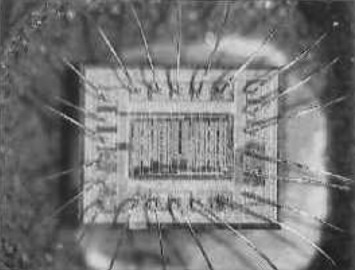
At CIRCUIT ENGINEERING CO.,LTD, we offer a highly specialized service to Break IC STM32F101C4T6TR Binary, enabling clients to gain access to protected or inaccessible firmware stored inside this chip. Whether your goal is to restore, clone, duplicate, or recover original firmware from the flash or EEPROM memory, our expert engineers are equipped with advanced tools and know-how to safely and efficiently extract the binary or heximal file.
Manufacturers often lock or encrypt the internal program memory of MCUs like the STM32F101C4T6TR to protect intellectual property or prevent unauthorized duplication. However, end-users or system integrators may require access to the original program or source code for legitimate reasons, including:
- Replacing damaged or lost firmware
- Upgrading or migrating legacy systems
- Debugging malfunctioning devices
- Performing third-party audits or system analysis
Our solution offers a reliable way to decode, decrypt, or crack these secured binaries and convert them into usable forms such as disassembled assembly listings or partial C-level reconstruction.
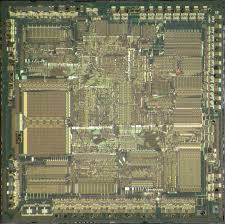
Break IC STM32F101C4T6TR memory and extract the binary or heximal out from the MCU flash and eeprom, duplicate the code to other new blank microcontroller STM32F101C4T6 which will provide the same functions;
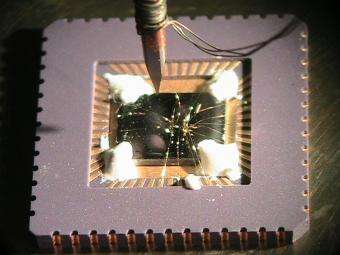
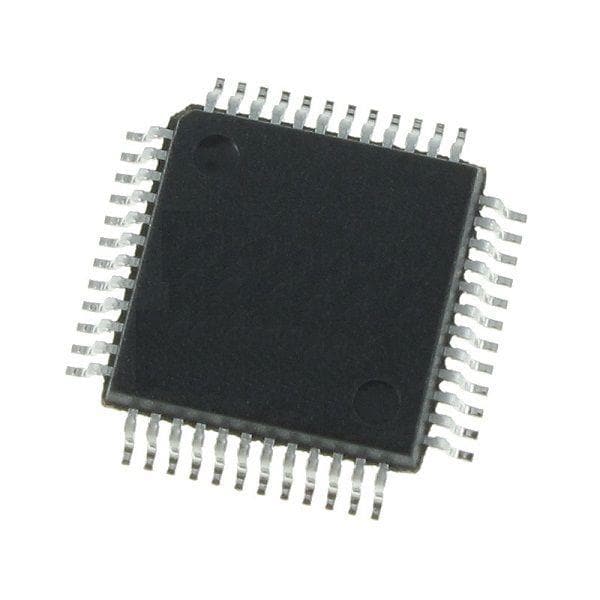
The STM32F101C4T6TR belongs to the STM32 Value Line family, offering a cost-effective solution with the following features:
- 48 MHz ARM Cortex-M3 core
- 16 KB Flash memory and 4 KB SRAM
- Multiple I/O ports, timers, USARTs, ADCs
- Power-efficient modes for battery-operated systems
- Embedded system protection features like read-out protection (ROP)
This combination makes it ideal for use in:
- Digital metering systems
- Low-power IoT sensors
- Communication gateways
- Smart controllers and industrial machinery
Unfortunately, once the read-out protection is enabled, retrieving the program from the internal flash becomes nearly impossible without expert intervention.
Features
Core: ARM 32-bit Cortex™-M3 CPU
– 36 MHz maximum frequency, 1.25 DMIPS/MHz (Dhrystone 2.1) performance at 0 wait state memory
– Single-cycle multiplication and hardware division Up to 5 timers
– Up to two16-bit timers, each with up to 4 Memories
– 16 to 32 Kbytes of Flash memory
– 4 to 6 Kbytes of SRAM Clock, reset and supply management IC/OC/PWM or pulse counter
– 2 watchdog timers (Independent and Window)
– SysTick timer: 24-bit downcounter
– 2.0 to 3.6 V application supply and I/Os
– POR, PDR and programmable voltage detector (PVD)
– 4-to-16 MHz crystal oscillator
– Internal 8 MHz factory-trimmed RC
– Internal 40 kHz RC
– PLL for CPU clock
– 32 kHz oscillator for RTC with calibration Up to 4 communication interfaces
– 1 x I2C interface (SMBus/PMBus)
– Up to 2 USARTs (ISO 7816 interface, LIN, IrDA capability, modem control)
– 1 × SPI (18 Mbit/s) CRC calculation unit, 96-bit unique ID
Device summary
– Sleep, Stop and Standby modes
– VBAT supply for RTC and backup registers
Reference
Part number
STM32F101C4, Debug mode
– Serial wire debug (SWD) and JTAG interfaces DMA
STM32F101x4
STM32F101x6
STM32F101R4,
STM32F101T4
STM32F101C6,
STM32F101R6,
STM32F101T6
– 7-channel DMA controller
– Peripherals supported: timers, ADC, SPIs, I2Cs and USARTs 1 × 12-bit, 1 µs A/D converter (up to 16 channels)
– Conversion range: 0 to 3.6 V
– Temperature sensor Up to 51 fast I/O ports
– 26/37/51 I/Os, all mappable on 16 external interrupt vectors and almost all 5 V-tolerant
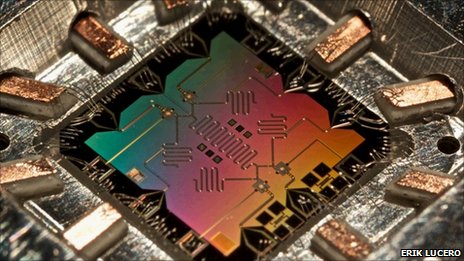
When dealing with secured, locked, or protected MCUs, our team applies a mix of hardware-based analysis, glitching techniques, and algorithmic de-obfuscation to open the firmware archive safely. We do not rely on brute force; instead, we use intelligent and precise methods to extract, copy, and analyze the content without damaging the original device.
After recovering the binary or hex file from the STM32F101C4T6TR, we can also assist with further disassembly, partial decompilation, or memory mapping to help clients understand and reuse the firmware. From EEPROM data to runtime configurations, we provide the clarity you need to replicate or restore critical system functions.
 Posted in Break IC