 Attack Microcontroller PIC16C710 Program
 July 3rd, 2014 |
  Author:
 The Microchip PIC16C710 remains widely used in industrial controllers, home appliances, automotive interfaces, low-power automation boards, and specialized embedded modules. Over time, many companies face the challenge of maintaining or replicating systems built around this MCU, only to discover that the internal program, calibration data, or configuration eeprom cannot be accessed due to protected, encrypted, or fully locked security mechanisms. Our dedicated service under the subject Attack Microcontroller PIC16C710 Program is built specifically to help legitimate device owners retrieve and secure the original firmware when conventional development files or source code are no longer available.
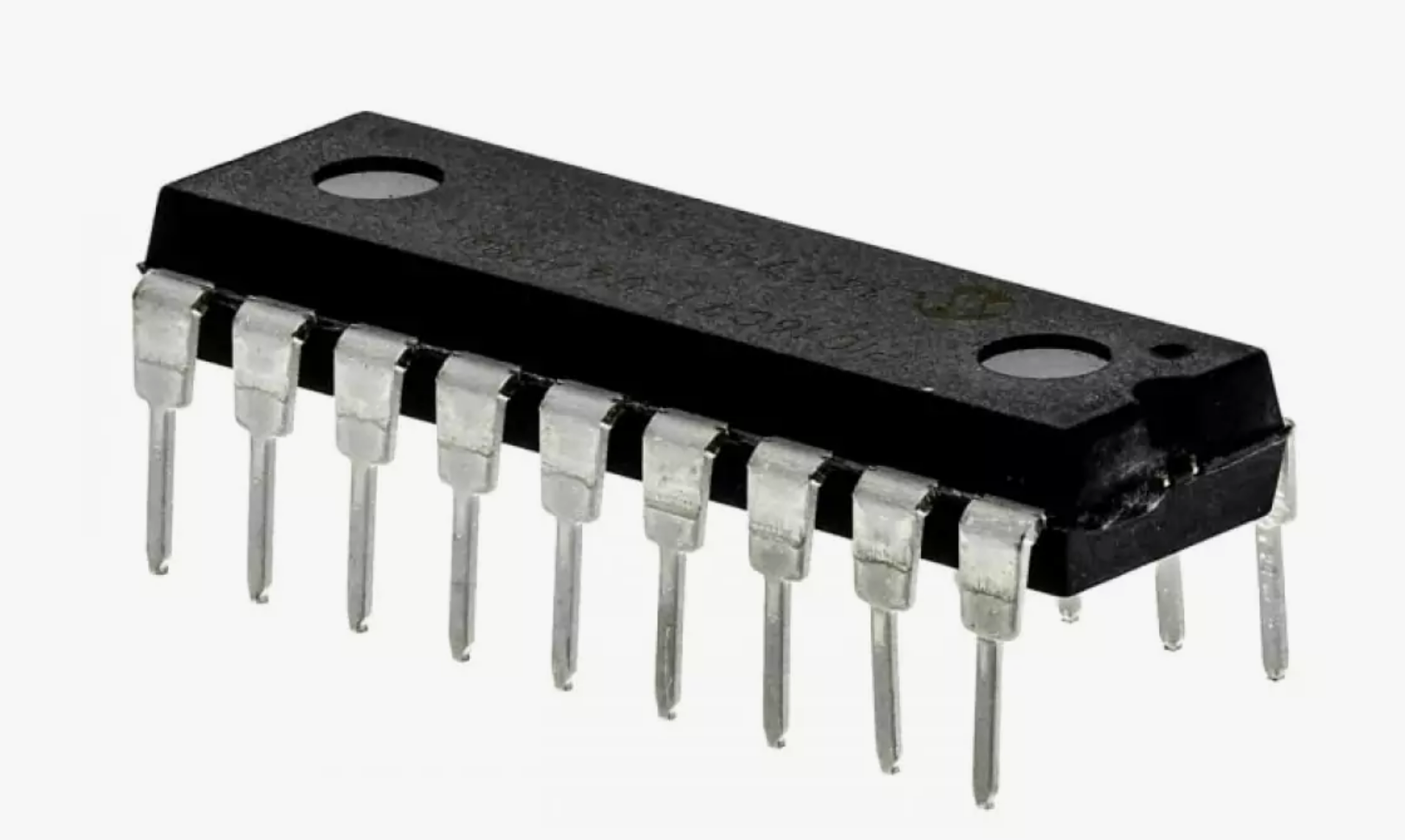
Why the PIC16C710 Is Still Important Across Industries
Although it is part of an earlier generation of Microchip devices, the PIC16C710 offers dependable performance, integrated analog functionality, compact architecture, and stable embedded flash technology. These traits make it ideal for:
- Consumer electronic modules and appliance control boards
- Analog measurement devices and sensor processing units
- Automotive accessory drivers and interface systems
- Machine automation modules and industrial control panels
- Legacy devices that rely on highly customized logic
The internal binary and heximal code inside the PIC16C710 is often the heart of the product’s functional design—meaning that losing it can completely halt production or repair capabilities.
Our Service: Controlled Recovery of Protected Firmware
We provide specialized assistance to customers who need to break the barrier of inaccessible memory and safely retrieve, clone, or duplicate the MCU’s file contents. Our service focuses on legitimate recovery—never unauthorized hacking—and is structured to help owners restore what rightfully belongs to them.
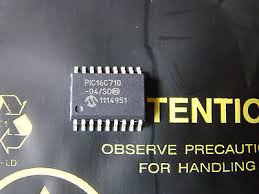
What we offer includes:
- Non-destructive analysis of the chip’s protection state
- Controlled operations that may include chip-level evaluation or optional decapsulation, depending on condition
- Secure extraction of internal program, calibration memory, or eeprom
- Delivery of clean, verified firmware images suitable for future production or redesign
All technical processes remain confidential; we do not reveal how protections are bypassed or how decoding mechanisms function. We ensure compliance, safety, and professional handling.
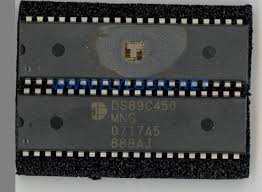
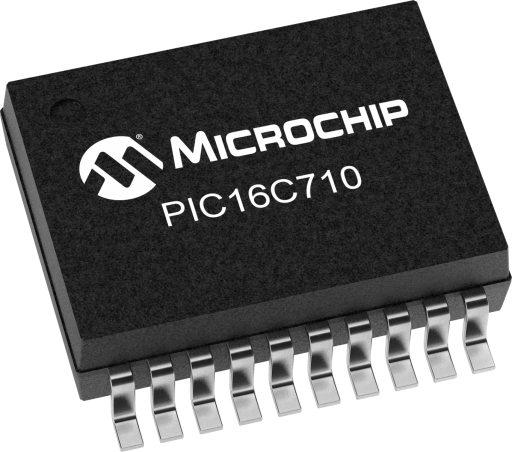
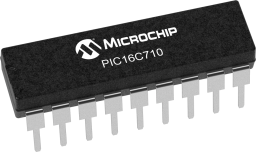
We can Attack Microcontroller PIC16C710 Program, please view the Microcontroller PIC16C710 features for your reference:
PIC16C71X Microcontroller Core Features:
· High-performance RISC CPU
· Only 35 single word instructions to learn
· All single cycle instructions except for program branches which are two cycle
· Operating speed: DC – 20 MHz clock input DC – 200 ns instruction cycle
· Up to 2K x 14 words of Program Memory, up to 128 x 8 bytes of Data Memory (RAM)
· Interrupt capability
· Eight level deep hardware stack
· Direct, indirect, and relative addressing modes
· Power-on Reset (POR)
· Power-up Timer (PWRT) and Oscillator Start-up Timer (OST)
· Watchdog Timer (WDT) with its own on-chip RC oscillator for reliable operation;
· Programmable code-protection
· Power saving SLEEP mode
· Selectable oscillator options
· Low-power, high-speed CMOS EPROM technology
· Fully static design
· Wide operating voltage range: 2.5V to 6.0V
· High Sink/Source Current 25/25 mA
· Commercial, Industrial and Extended temperature ranges
· Program Memory Parity Error Checking Circuitry
with Parity Error Reset (PER) (PIC16C715)
· Low-power consumption:
– < 2 mA @ 5V, 4 MHz
– 15 µA typical @ 3V, 32 kHz
– < 1 µA typical standby current
General Concept of the Recovery Process (High-Level Explanation Only)
Each PIC16C710 device undergoes a detailed preliminary check to determine the feasibility of recovery. Once confirmed, carefully orchestrated operations are performed to decode or access the internal archive without compromising memory integrity. The final output typically includes a binary or heximal dump that can be used to reprogram new units or verify system logic.
Why Clients Depend on This Service
Companies and engineers rely on our service to:
- Continue manufacturing products after losing original source code
- Rebuild or update legacy systems without redesigning from zero
- Reduce downtime caused by obsolete or discontinued MCUs
- Protect their technical investments and keep service departments operational
- Maintain strategic control over product functionality for the long term
Our ability to attack secured microcontrollers legally and professionally ensures business continuity and engineering independence.
Possible Challenges During Recovery
Some PIC16C710 units present more complex issues, such as degraded memory, ultra-tight secured configurations, or device aging that affects reliability. These conditions require specialized handling to guarantee a stable and complete firmware output.
 Posted in Recover MCU