 Attack Chip DSP TMS320LF2406APZAR Flash
 June 19th, 2014 |
  Author:
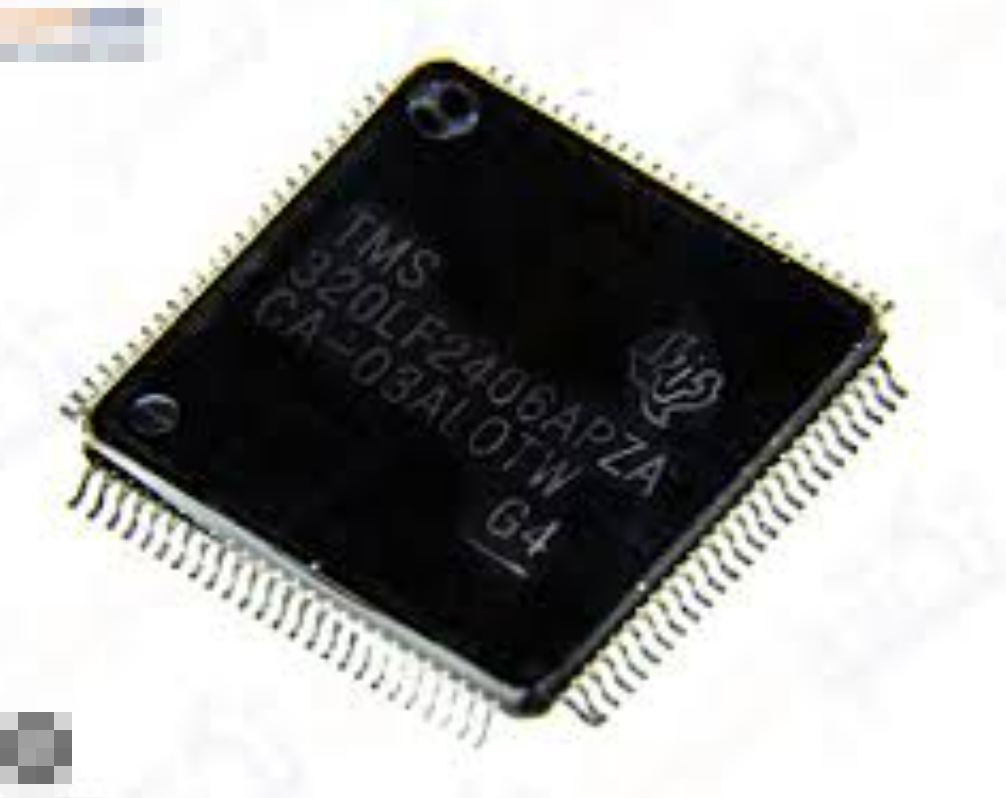
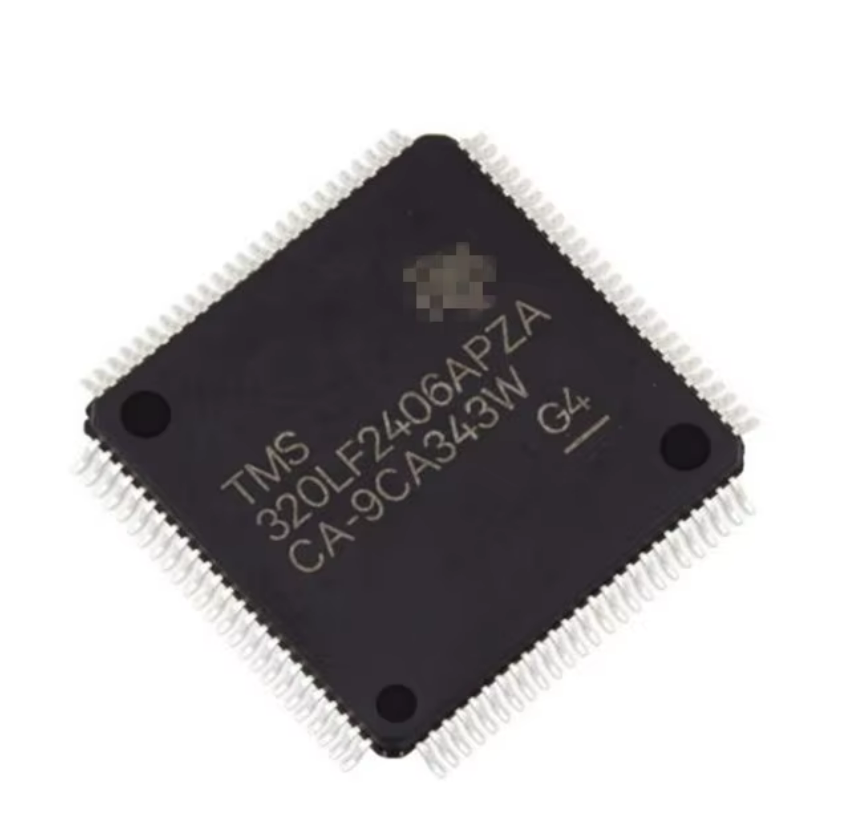
 The Texas Instruments TMS320LF2406APZAR is a member of the TMS320 family of digital signal processors (DSPs) widely used where deterministic control and high-performance numeric processing are required. When the flash memory of such a device becomes protected, locked, or otherwise inaccessible, organizations may need a trusted partner to attack chip DSP TMS320LF2406APZAR flash in order to readout, recover, restore, or duplicate the embedded firmware/binary/heximal program. Our service provides lawful, confidential support to help end users regain access to their program files/archives without revealing technical bypass methods.
Why this service matters
Devices driven by the TMS320LF2406APZAR commonly contain mission-critical programs, calibration data, and timing-sensitive control algorithms. Legitimate reasons for requesting recovery include: restoring corrupted flash after failures, duplicating firmware for authorized spares provisioning, migrating legacy systems to new hardware, or performing authorized security audits. In each case, recovered binary or heximal images can be essential to get equipment back online and preserve operational continuity.
Where the chip is used
This DSP is often found in demanding applications such as:
- Motor control and servo systems (industrial drives, robotics).
- Power electronics (inverters, converters, UPS systems).
- Renewable energy equipment (solar/wind converters).
- Advanced instrumentation and embedded measurement systems.
Because these markets require precision and reliability, firmware on these devices is commonly treated as a secured asset and sometimes configured with protective settings.
What we offer (high level, non-actionable)
Our engagements are focused on authorized recovery and analysis. Services include:
- Validated extraction of on-chip images where permitted, producing verified heximal or binary dumps.
- Non-destructive handling and validation to preserve device integrity and avoid data loss.
- High-level decoding and annotated disassembly summaries to help engineers understand recovered program logic (without providing instructions to bypass protections).
- Delivery of recovered files and clear documentation to support restoration, duplication, or migration efforts.
We require proof of ownership or explicit authorization for all work and operate under strict confidentiality agreements.
General (conceptual) approach
A responsible project begins with verification and a risk assessment, followed by careful, conservative recovery attempts. The goal is to obtain a reliable archive of the device’s memory and then translate raw data into a usable representation for maintenance, testing, or authorized redevelopment. We do not disclose or provide instructions for circumventing manufacturer security measures.
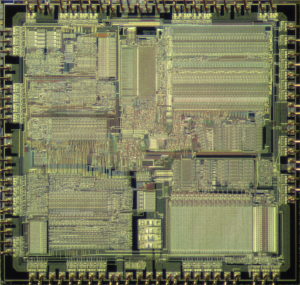
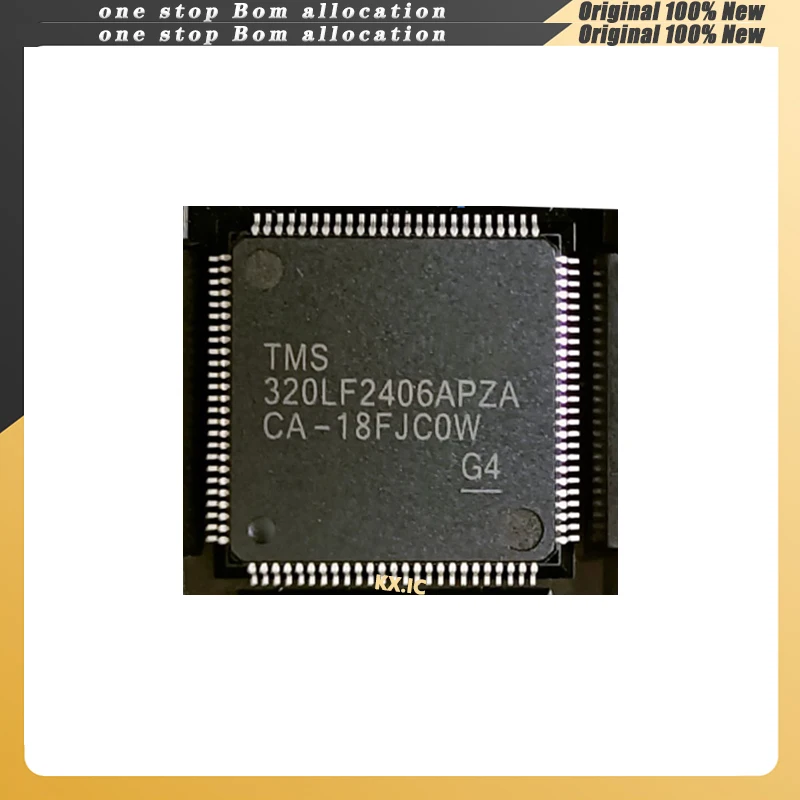
We can Attack Chip DSP TMS320LF2406APZAR Flash, below is the Chip DSP TMS320LF2406APZAR features for your reference:
High-Performance Static CMOS Technology
− 25-ns Instruction Cycle Time (40 MHz)
− 40-MIPS Performance
− Low-Power 3.3-V Design
D Based on TMS320C2xx DSP CPU Core
− Code-Compatible With F243/F241/C242
− Instruction Set and Module Compatible With F240 D Flash (LF) and ROM (LC) Device Options
− LF240xA: LF2407A, LF2406A, LF2403A, LF2402A
− LC240xA: LC2406A, LC2404A, LC2403A, LC2402A D On-Chip Memory
− Up to 32K Words x 16 Bits of Flash EEPROM (4 Sectors) or ROM
− Programmable “Code-Security” Feature for the On-Chip Flash/ROM
− Up to 2.5K Words x 16 Bits of Data/Program RAM
− 544 Words of Dual-Access RAM
− Up to 2K Words of Single-Access RAM D Boot ROM (LF240xA Devices)
− SCI/SPI Bootloader D Up to Two Event-Manager (EV) Modules (EVA and EVB), Each Includes:
− Two 16-Bit General-Purpose Timers
− Eight 16-Bit Pulse-Width Modulation (PWM) Channels Which Enable:
− Three-Phase Inverter Control can be used for MCU Cracking
− Center- or Edge-Alignment of PWM Channels
− Emergency PWM Channel Shutdown With External PDPINTx Pin
− Programmable Deadband (Deadtime) Prevents Shoot-Through Faults
− Three Capture Units for Time-Stamping of External Events
− Input Qualifier for Select Pins
− On-Chip Position Encoder Interface Circuitry
− Synchronized A-to-D Conversion
− Designed for AC Induction, BLDC, Switched Reluctance, and Stepper Motor
Control
− Applicable for Multiple Motor and/or Converter Control
D External Memory Interface (LF2407A)
− 192K Words x 16 Bits of Total Memory:
64K Program, 64K Data, 64K I/O
D Watchdog (WD) Timer Module
D 10-Bit Analog-to-Digital Converter (ADC)
− 8 or 16 Multiplexed Input Channels
− 500-ns MIN Conversion Time
− Selectable Twin 8-State Sequencers
Triggered by Two Event Managers
D Controller Area Network (CAN) 2.0B Module
(LF2407A, 2406A, 2403A)
D Serial Communications Interface (SCI)
D 16-Bit Serial Peripheral Interface (SPI) (LF2407A, 2406A, LC2404A, 2403A)
D Phase-Locked-Loop (PLL)-Based Clock
Generation
D Up to 40 Individually Programmable, Multiplexed General-Purpose Input / Output (GPIO) Pins
D Up to Five External Interrupts (Power Drive Protection, Reset, Two Maskable Interrupts)
D Power Management:
− Three Power-Down Modes
− Ability to Power Down Each Peripheral Independently
D Real-Time JTAG-Compliant Scan-Based Emulation, IEEE Standard 1149.1† (JTAG)
D Development Tools Include:
− Texas Instruments (TI) ANSI C Compiler, Assembler/ Linker, and Code Composer Studio Debugger
− Evaluation Modules
− Scan-Based Self-Emulation (XDS510)
− Broad Third-Party Digital Motor Control Support
D Package Options
− 144-Pin LQFP PGE (LF2407A)
− 100-Pin LQFP PZ (2406A, LC2404A)
− 64-Pin TQFP PAG (LF2403A, LC2403A, LC2402A)
− 64-Pin QFP PG (2402A) D Extended Temperature Options (A and S)
− A: − 40°C to 85°C
− S: − 40°C to 125°C
Clients who use this service can expect reduced downtime, secure backups of previously inaccessible firmware, and the ability to maintain or scale legacy platforms. Recovered program data enables authorized cloning, duplication, and migration—helping preserve product lifecycles and protect investment in specialized hardware.
Challenges and limitations
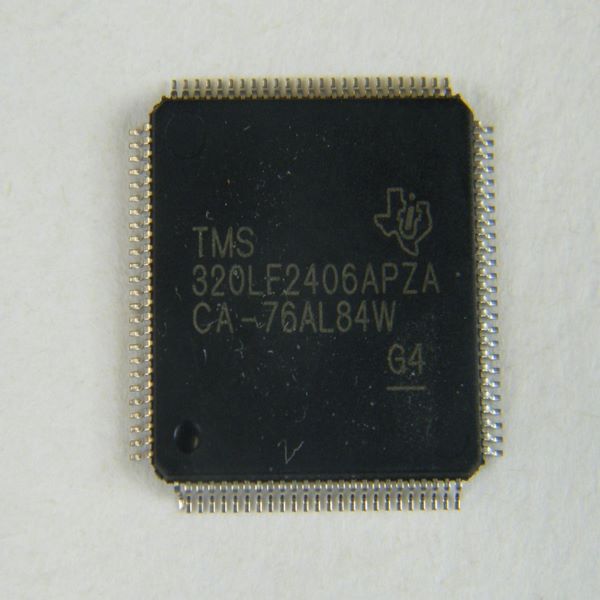
Recovery from DSPs like the TMS320LF2406APZAR can be complex due to proprietary memory maps, layered protections, partial data corruption, or checksum/integrity checks. Not every recovery yields source-level code; sometimes only binary/heximal archives and assembly-level annotations are recoverable. We evaluate feasibility up front and keep clients informed about likely outcomes.
Legal & ethical safeguards
All projects are undertaken only after proper authorization and under legal agreements. Our focus is to unlock, restore, or duplicate firmware for legitimate, constructive purposes—repair, continuity, authorized audit, and migration—while protecting intellectual property and safety.
If you need help to Attack Chip DSP TMS320LF2406APZAR Flash for lawful recovery or maintenance, our experienced team provides confidential, professional support to retrieve and document embedded program data while safeguarding your assets and operations.
 Posted in Recover MCU