 TI DSP MCU TMS320F28015 Program Recovering
 July 15th, 2020 |
 Author:
The tms320f28015 is a specialized dsp device from texas instrument developed for demanding real-time digital control applications where fast calculation, deterministic response, and reliable embedded operation are essential. Devices in this class have been used in motor-control equipment, industrial automation, digital power supplies, renewable-energy systems, robotics, instrumentation, factory machinery, and other electronic platforms requiring precise control algorithms.
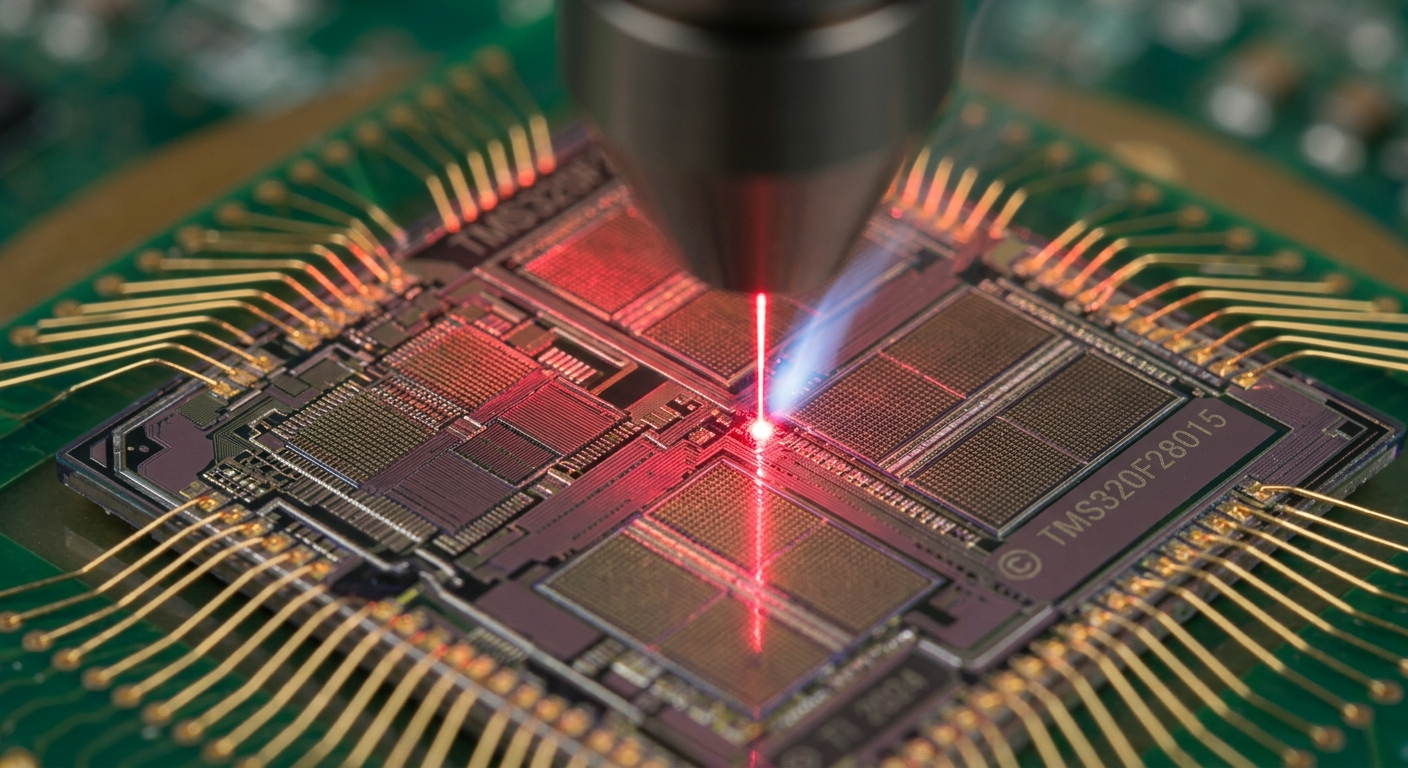
The combination of signal-processing capability and integrated peripherals makes the device particularly useful for executing complex control programs while maintaining efficient system operation. In many products, important firmware, calibration data, configuration parameters, and executable information are stored in internal flash and memory. After years of production, however, an engineering company may still have the original board while its development source code, binary, heximal, or project archive has disappeared. Our “ti dsp mcu tms320f28015 program recovering” service is designed for authorized customers facing this type of legacy-system challenge and seeking to preserve valuable embedded engineering information.
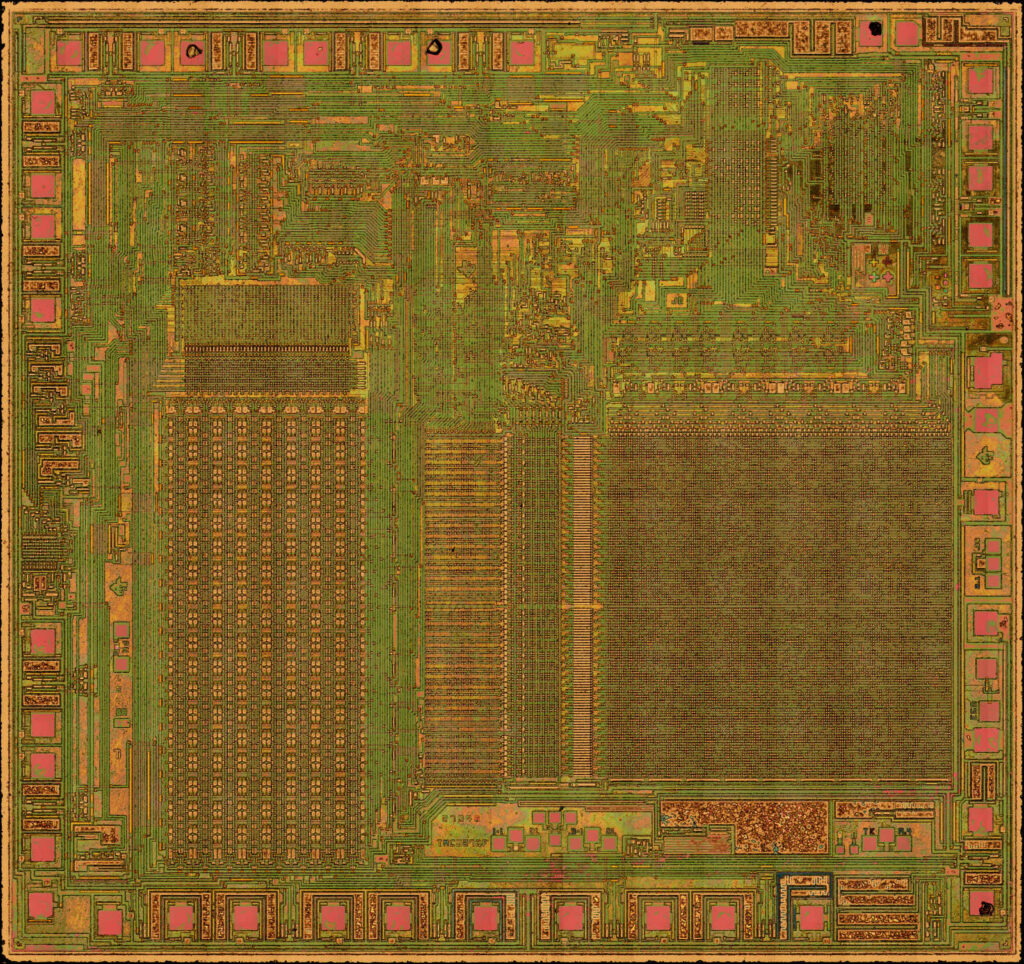
The TMS320F28015 devices include the four-pin serial peripheral interface (SPI) module. The SPI is a high-speed synchronous serial-I/O port that allows a serial bit stream of programmed length (one to eight bits) to be shifted into and out of the device at a programmable bit-transfer rate.
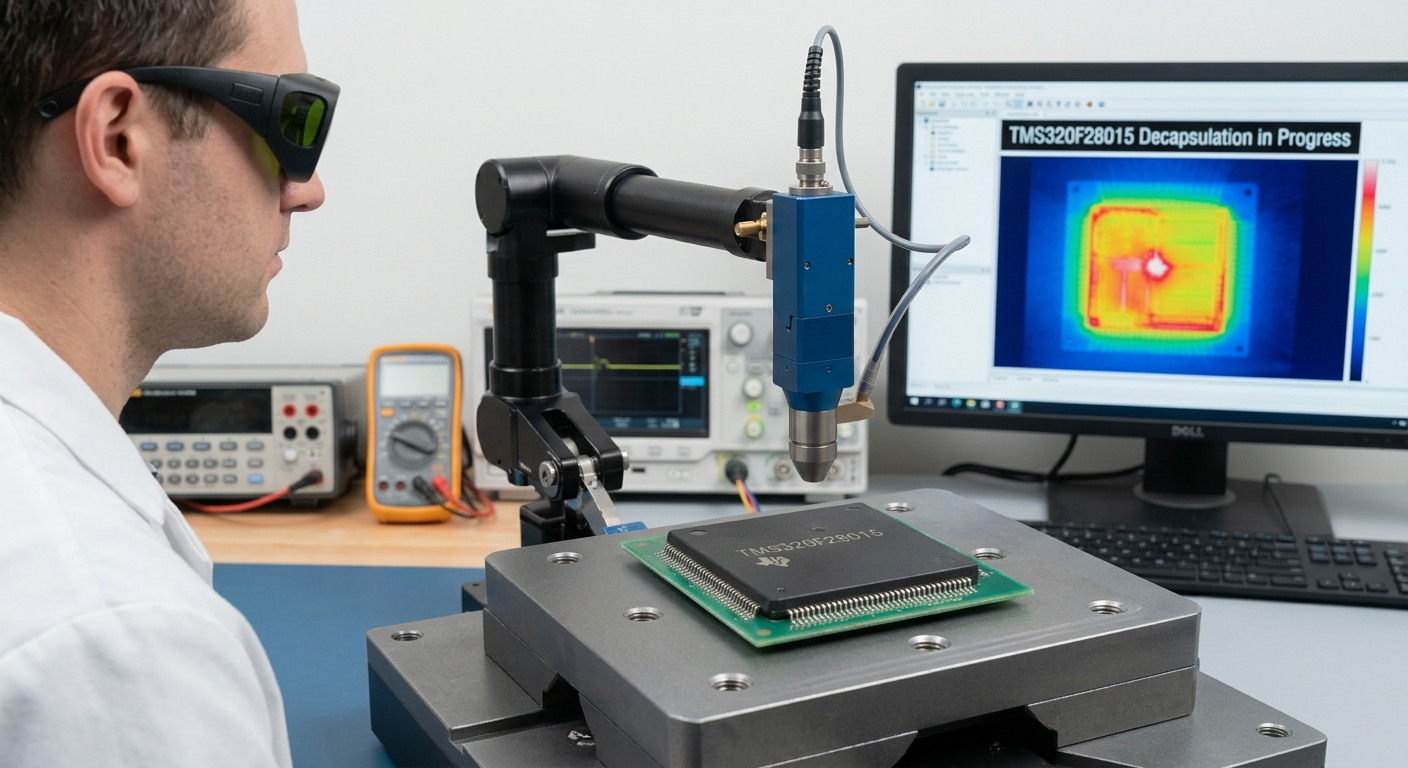
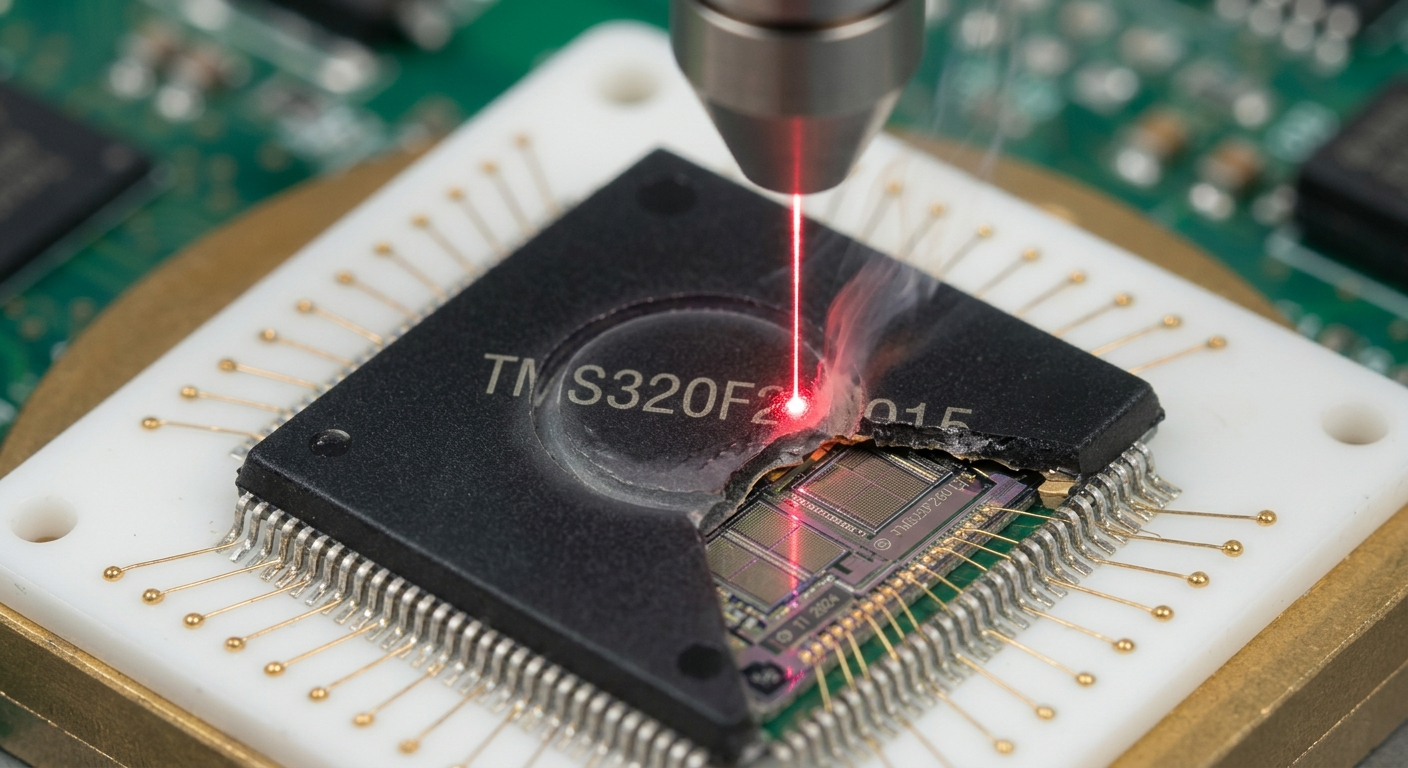
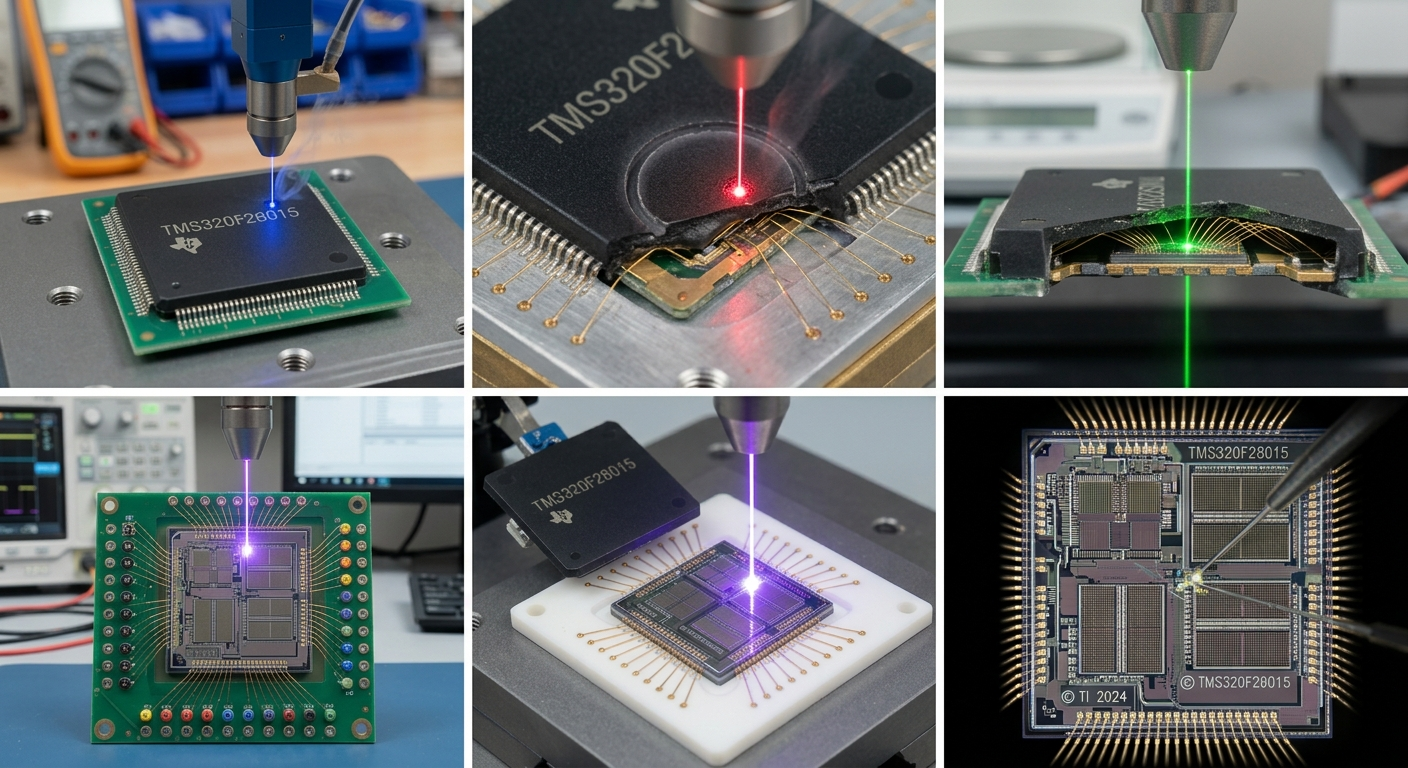
Our recovery work starts with a technical assessment of the target dsp, mcu, microcontroller, or microprocessor, including its physical condition, surrounding circuitry, storage architecture, and available documentation. Engineers determine what firmware, flash, eeprom, memory, and data resources may be available and how they relate to the original application. Depending on the condition of the texas instrument device and the scope of the project, advanced laboratory investigation may be considered, including carefully controlled decapsulate analysis where appropriate and authorized. Recovered information can be retrieved and decoded into useful binary, heximal, file, and archive resources for further engineering analysis.
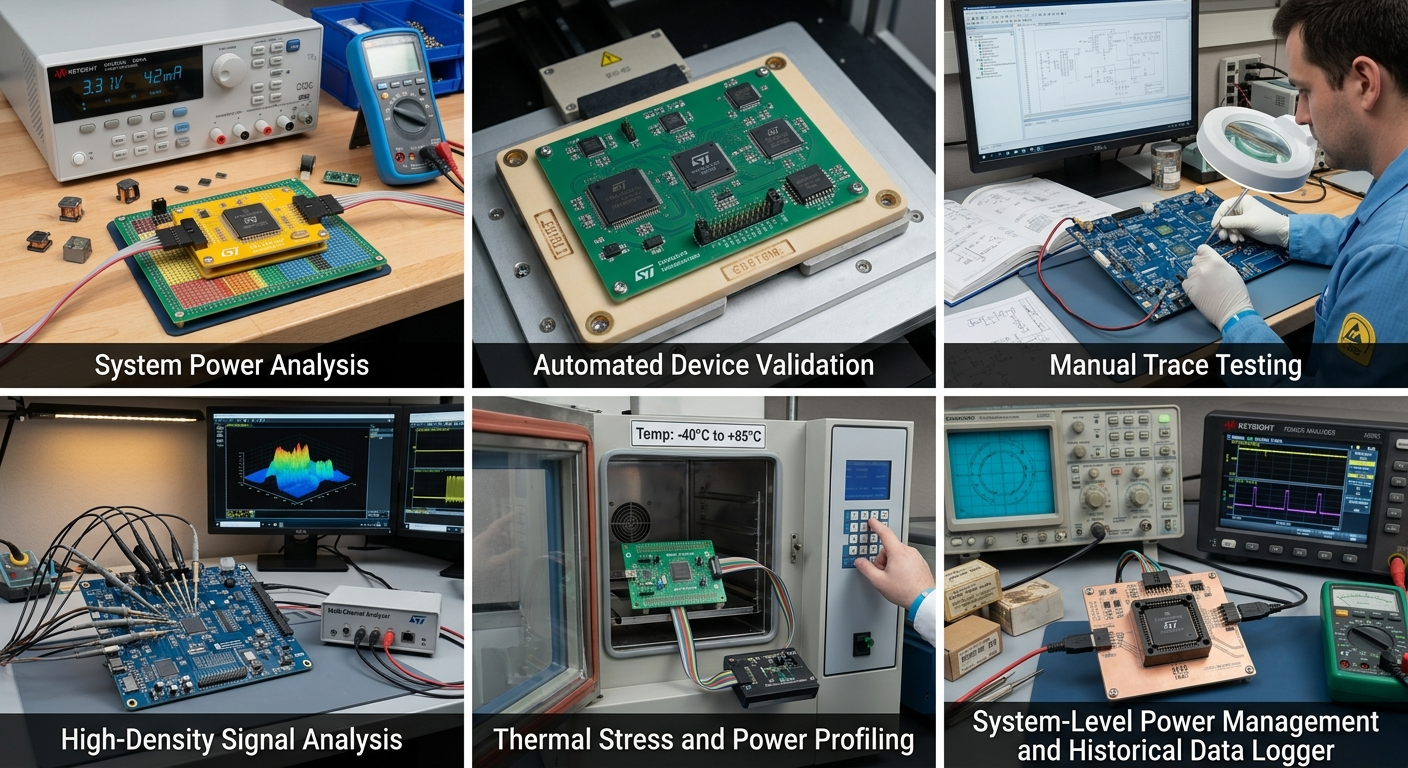
Customers sometimes use terms such as attack, break, or hack when describing difficulties associated with protective, protected, locked, encrypted, or secured firmware. Our professional approach, however, is focused on authorized recovery and preservation rather than providing instructions for defeating security mechanisms. Where technically feasible, recovered program information can support controlled clone evaluation, duplicate development, compatibility verification, repair, and product modernization. The exact achievable result depends on the device architecture, physical condition, available evidence, and protection scheme, so every project is evaluated individually.
Normally, the SPI is used for communications between the DSP controller and external peripherals or another processor. Typical applications include external I/O or peripheral expansion through devices such as shift registers, display drivers, and ADCs. Multidevice communications are supported by the master/slave operation of the SPI.
The SPI module features include the following:
Four external pins:
- SPISOMI: SPI slave-output/master-input pin, or general-purpose bidirectional I/O pin
- SPISIMO: SPI slave-input/master-output pin, or general-purpose bidirectional I/O pin
- SPISTE: SPI slave-transmit-enable pin, or general-purpose bidirectional I/O pin
- SPICLK: SPI serial-clock pin, or general-purpose bidirectional I/O pin
Two operational modes: master and slave
Baud rate: 125 different programmable rates / 2.5 Mbps at 10-MHz SYSCLK
Data word format: one to eight data bits
Four clocking schemes controlled by clock polarity and clock-phase bits include:
Falling edge without phase delay: SPICLK active high. SPI transmits data on the falling edge of the SPICLK signal and receives data on the rising edge of the SPICLK, Falling edge with phase delay: SPICLK active high. SPI transmits data one half-cycle ahead of the falling edge of the SPICLK signal and receives data on the falling edge of the SPICLK
Rising edge without phase delay: SPICLK inactive SPI transmits data on the rising edge of the SPICLK signal and receives data on the falling edge of the SPICLK signal. Rising edge with phase delay: SPICLK inactive SPI transmits data one half-cycle ahead of the falling edge of the SPICLK signal and receives data on the rising edge of the SPICLK signal. Simultaneous receive and transmit operations to facilitate the progress (transmit function can be disabled in software)
Transmitter and receiver operations are accomplished through either interrupt-driven or polled algorithms. Ten SPI module control registers: Located in control register frame beginning at address 7040h. NOTE: All registers in this module are 8-bit registers that are connected to the 16-bit peripheral bus. When a register is accessed, the register data is in the lower byte (7 – 0), and the upper byte (15 – 8) is read as zeros. Writing to the upper byte has no effect.
A key part of program recovery is distinguishing usable engineering information from a simple raw memory image. Compiled firmware generally contains machine-level binary instructions rather than the developer’s original source code, comments, and project files. Engineers therefore combine firmware analysis with examination of the original circuit’s behavior. Communication interfaces, peripheral activity, timing, control signals, and system responses can help establish relationships between recovered data and the functions implemented by the dsp. Where suitable, semiconductor-level investigation and controlled decapsulate examination can complement conventional analysis and provide additional technical evidence. The resulting engineering package may include validated firmware information, organized heximal or binary file records, program documentation, memory observations, and reconstructed archive materials. This information can be especially valuable when an established industrial product must continue operating even though its original development environment, programming files, or documentation are no longer available.
For manufacturers, maintenance providers, and engineering organizations, recovering the tms320f28015 program can deliver substantial lifecycle benefits. Historical firmware, validated binary resources, organized data, and reconstructed technical records can reduce redevelopment effort and help teams maintain proven products. Recovered information may support troubleshooting, replacement-board development, hardware migration, discontinued-product maintenance, and future redesign. Instead of rebuilding a mature control system entirely from the beginning, engineers can use the recovered resources as a technical reference for understanding established functionality. By combining expertise in texas instrument dsp devices, embedded mcu systems, firmware analysis, and semiconductor investigation, our service provides a practical route for preserving valuable engineering knowledge and extending the useful life of complex electronic equipment.
 Posted in Recover Chip