 Reverse Engineering TMS320F28016 Microprocessor Flash Code
 July 15th, 2020 |
 Author:
The TMS320F28016 is a digital signal controller from Texas Instruments’ C2000 family, developed for embedded control applications that require responsive processing and accurate real-time operation. Its architecture is designed around control-oriented computing, making it appropriate for electronic systems that need to process signals, monitor operating conditions, and execute control algorithms with consistent timing.
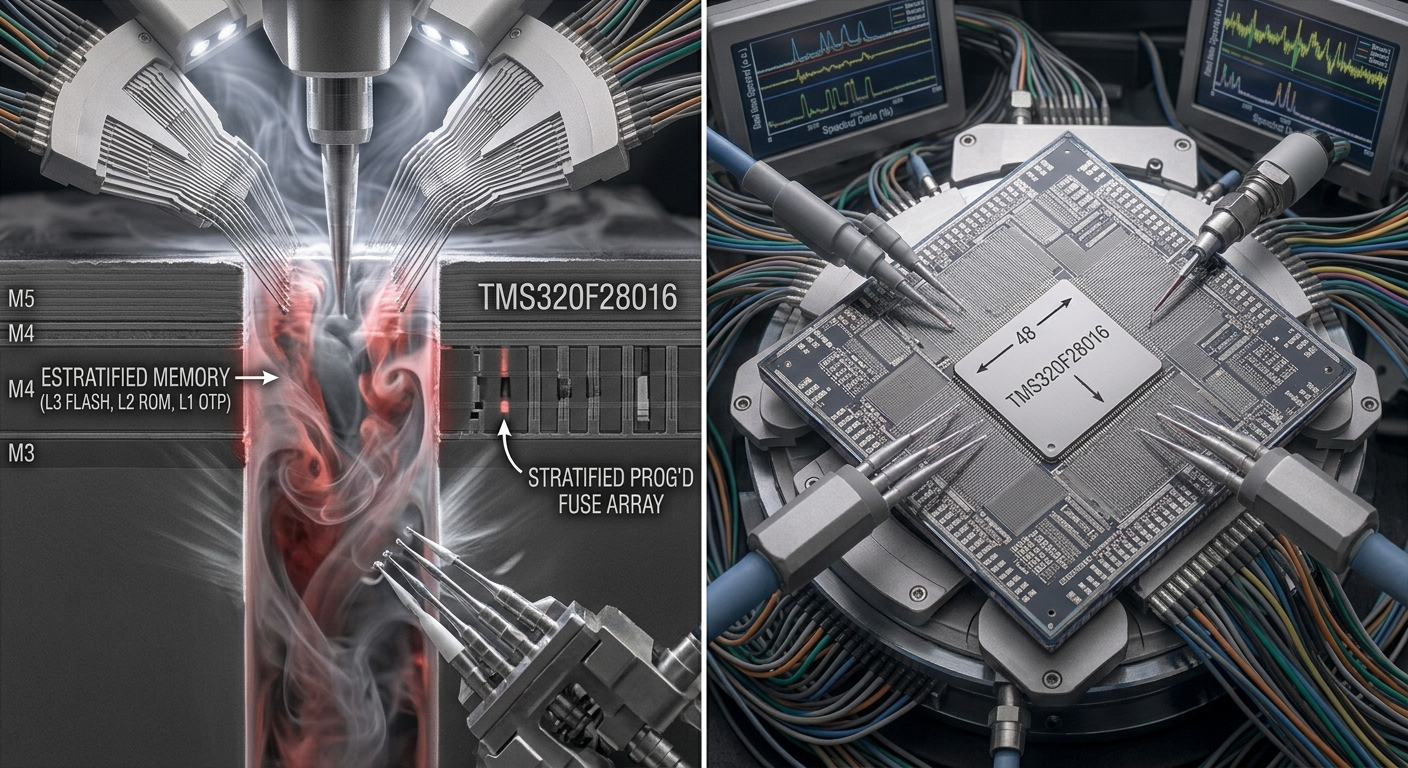
किसी TMS320F28016 रिकवरी प्रोजेक्ट में इंजीनियर उपयुक्त तकनीकी तरीका चुनने से पहले लक्ष्य बोर्ड, प्रोसेसर की स्थिति, प्रोग्रामिंग इंटरफ़ेस, मेमोरी संरचना और सुरक्षा कॉन्फ़िगरेशन की जाँच कर सकते हैं। डिवाइस की स्थिति के आधार पर यह निर्धारित करने के लिए उपयुक्त विधियों का मूल्यांकन किया जा सकता है कि अधिकृत उद्देश्य के लिए firmware, सोर्स कोड, डेटा, सॉफ़्टवेयर, मेमोरी, आर्काइव, flash या eeprom जानकारी को पुनर्प्राप्त, डिकोड, डुप्लिकेट या क्लोन किया जा सकता है या नहीं। जब सुरक्षित, संरक्षित, एन्क्रिप्टेड या लॉक की गई कॉन्फ़िगरेशन सामान्य एक्सेस को प्रतिबंधित करती है, तो विशेषज्ञ मूल डिवाइस और उसकी जानकारी को सुरक्षित रखने का प्रयास करते हुए संबंधित एक्सेस बाधा को तोड़ने या हमला करने के लिए उपयुक्त तकनीकों का अध्ययन कर सकते हैं। यदि सामान्य इंटरफ़ेस-आधारित जाँच पर्याप्त जानकारी प्रदान नहीं करती, तो उन्नत सेमीकंडक्टर विश्लेषण में माइक्रोकंट्रोलर, माइक्रोप्रोसेसर, mcu, चिप या ic का नियंत्रित डिकैप्सुलेशन शामिल हो सकता है। प्राप्त किया जा सकने वाला परिणाम सुरक्षा स्थिति, भौतिक स्थिति, मेमोरी आर्किटेक्चर, उपलब्ध इंटरफ़ेस और रिकवरी उद्देश्य पर निर्भर करता है। इसलिए प्रत्येक TMS320F28016 मामले का व्यक्तिगत तकनीकी मूल्यांकन आवश्यक है, न कि किसी सार्वभौमिक रिकवरी प्रक्रिया पर निर्भर रहना।
The device can be applied in motor-control equipment, industrial automation, power conversion systems, digital power supplies, inverters, instrumentation, and other specialized electronic controllers. By combining processing capabilities, on-chip memory, and dedicated control peripherals, the TMS320F28016 can serve as an important processing component in equipment where reliable embedded software determines the behavior of the overall system.
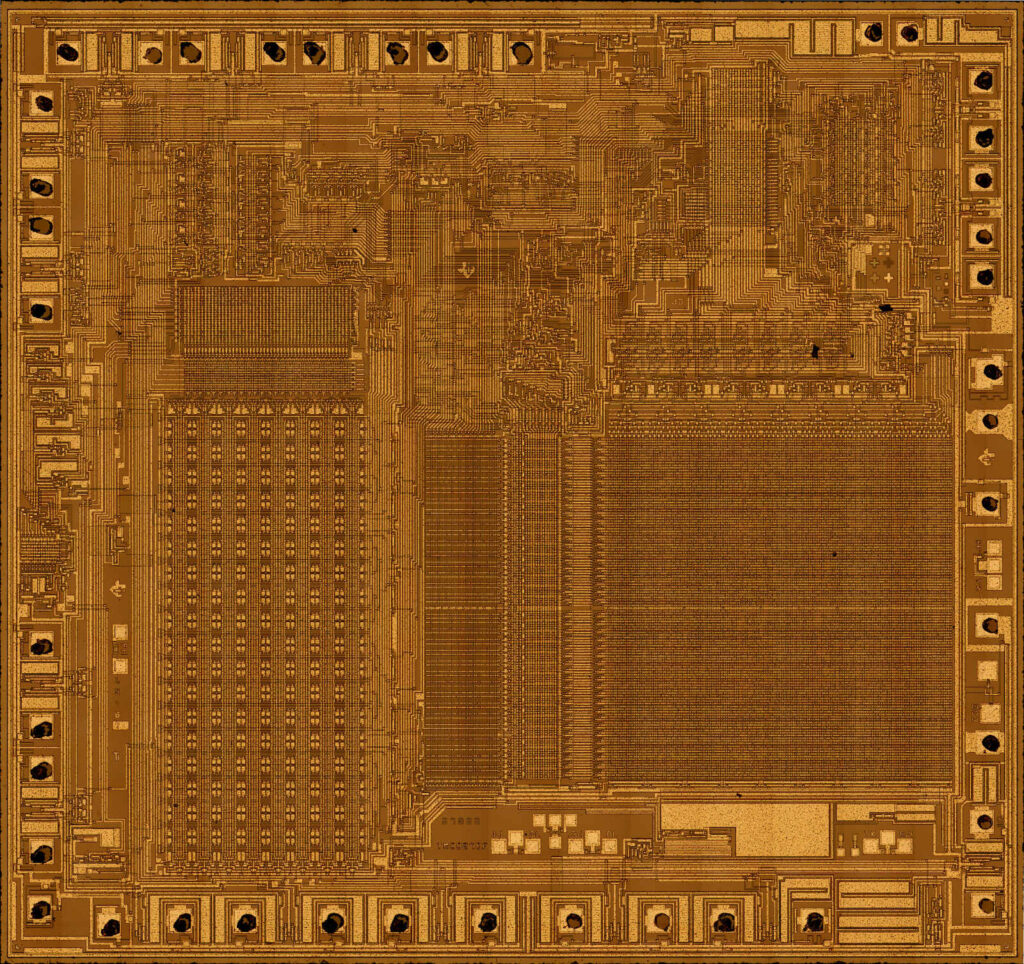
Interface to memory and I/O devices of varying speeds is accomplished by using the READY input. When transactions are made with slower devices, the TMS320F28016 processor waits until the other device completes its function and signals the processor by way of the READY input. Once a ready indication is provided from the external device, execution continues. On the ’x240 device, the READY input must be driven (active high) to complete reads or writes to internal data I/O-memory-mapped registers and all external addresses only. The bus request (BR) signal is used in conjunction with the other TMS320F28016 interface signals to arbitrate external global-memory accesses. Global memory is external data-memory space in which the BR signal is asserted at the beginning of the access.
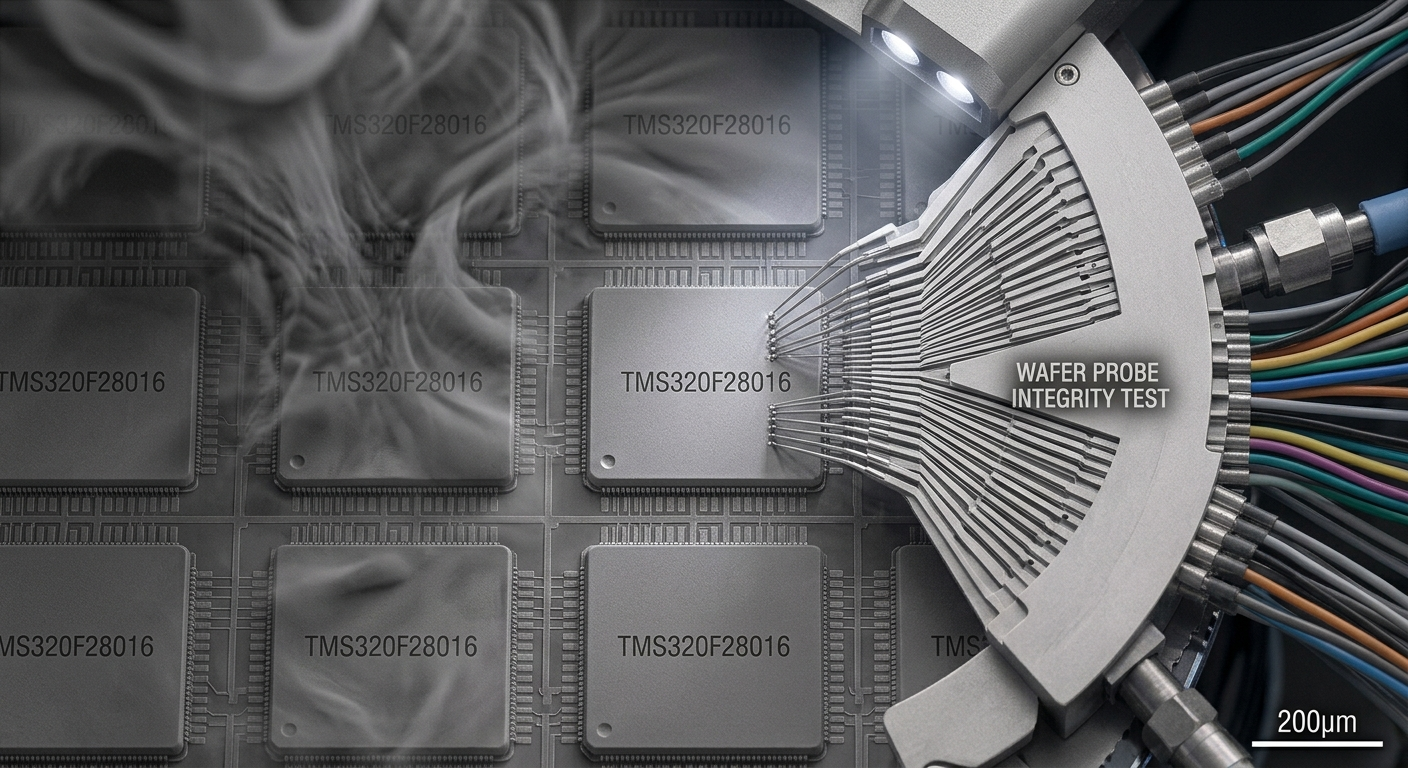
As industrial equipment becomes older, the original development environment may no longer be available, while the programmed processor continues to contain valuable operational information. Missing source code, firmware projects, software backups, engineering archives, or production documentation can create significant difficulties when a controller needs to be repaired, redesigned, or reproduced. A protective, secured, encrypted, or locked processor can make conventional memory access even more difficult. For authorized equipment owners and engineering teams, recovering available firmware or Flash information can therefore be useful for legacy-product maintenance, replacement-controller development, failure analysis, functional verification, and long-term preservation. Rather than recreating an entire control application from zero, examination of recoverable information from the existing processor may provide engineers with a valuable reference for understanding and restoring the original system.
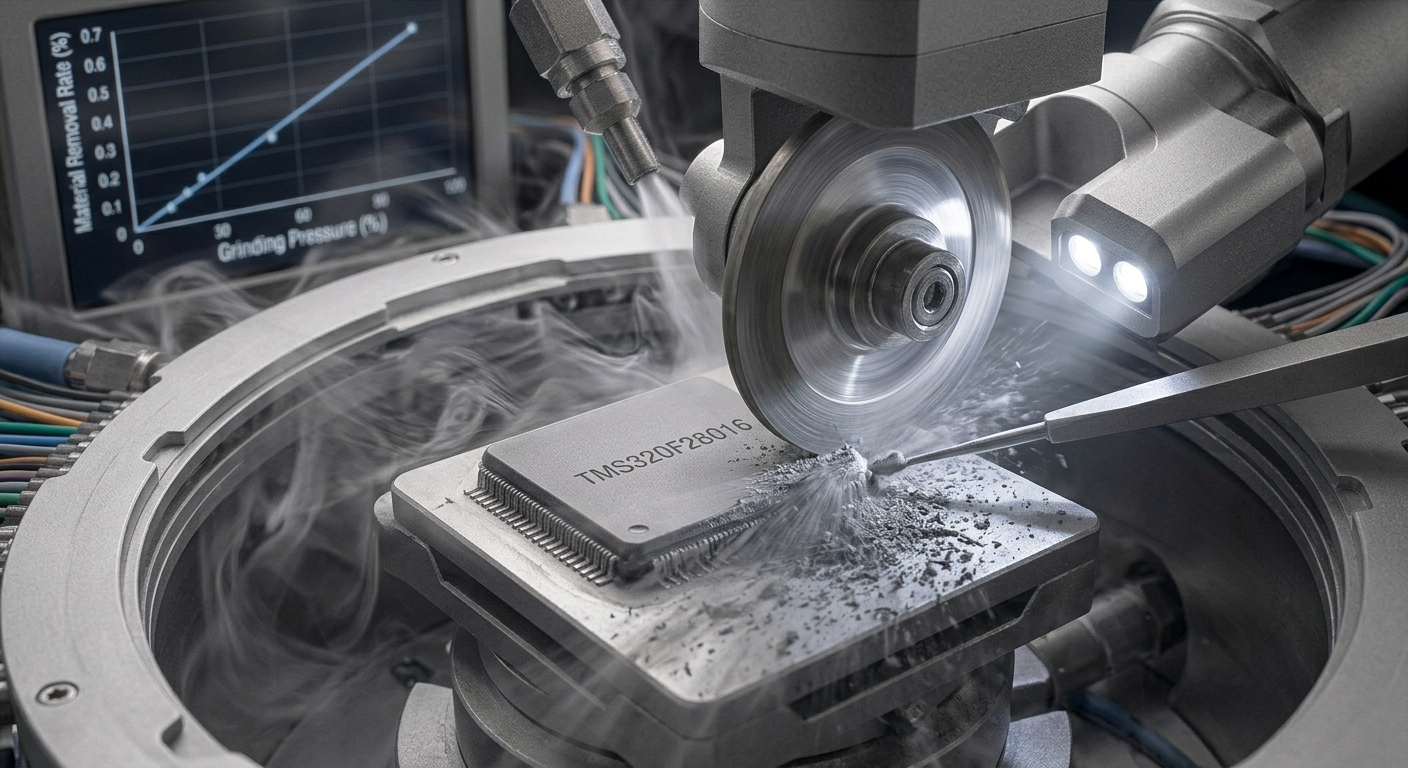
For a TMS32F28016 recovery project, engineers can first examine the target board, processor condition, programming interfaces, memory structure, and protection configuration before selecting an appropriate technical approach. Depending on the device condition, available methods may be evaluated to determine whether firmware, source code, data, software, memory, archive, flash, or eeprom information can be retrieved, decoded, duplicated, or cloned for an authorized purpose. When a protective, secured, encrypted, or locked configuration restricts conventional access, specialists may investigate suitable techniques to break or attack the applicable access barrier while attempting to preserve the original device and its information.
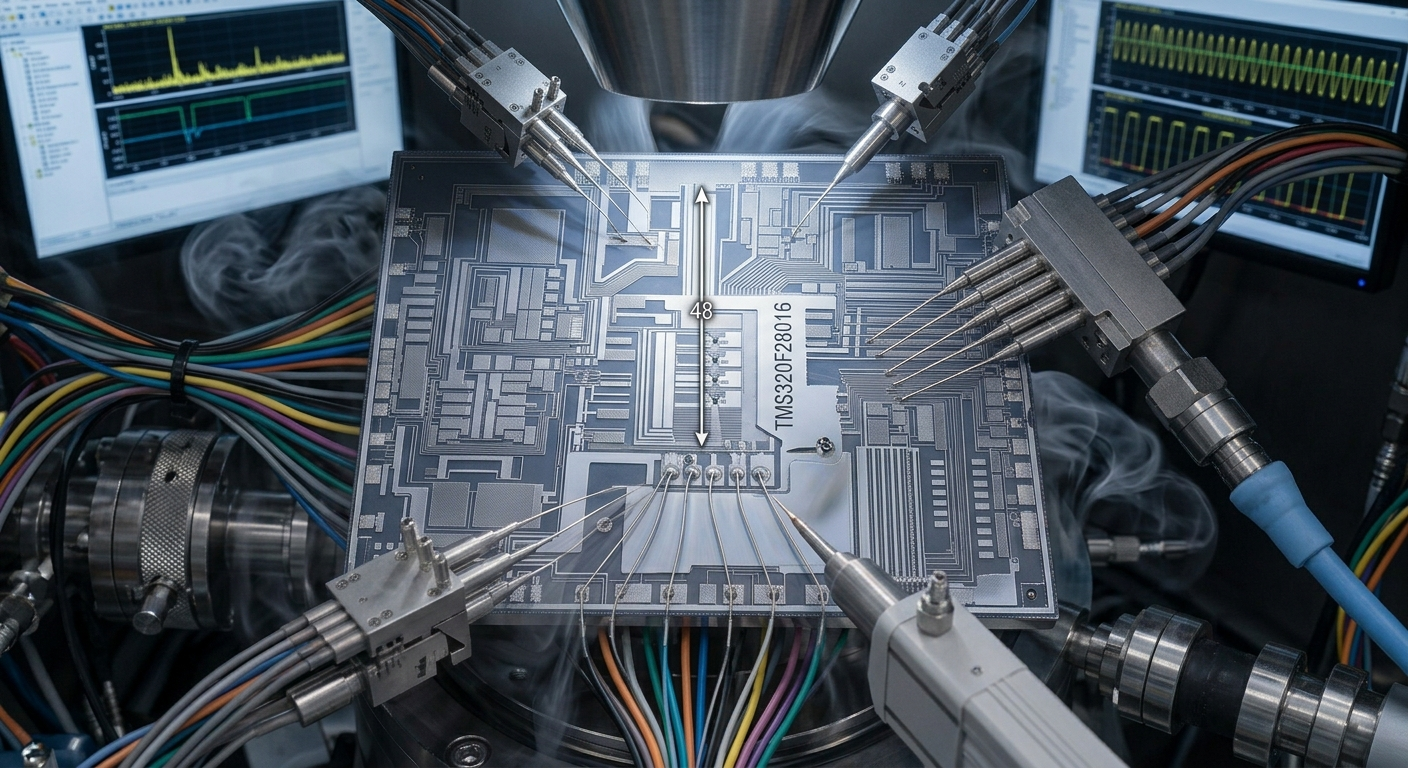
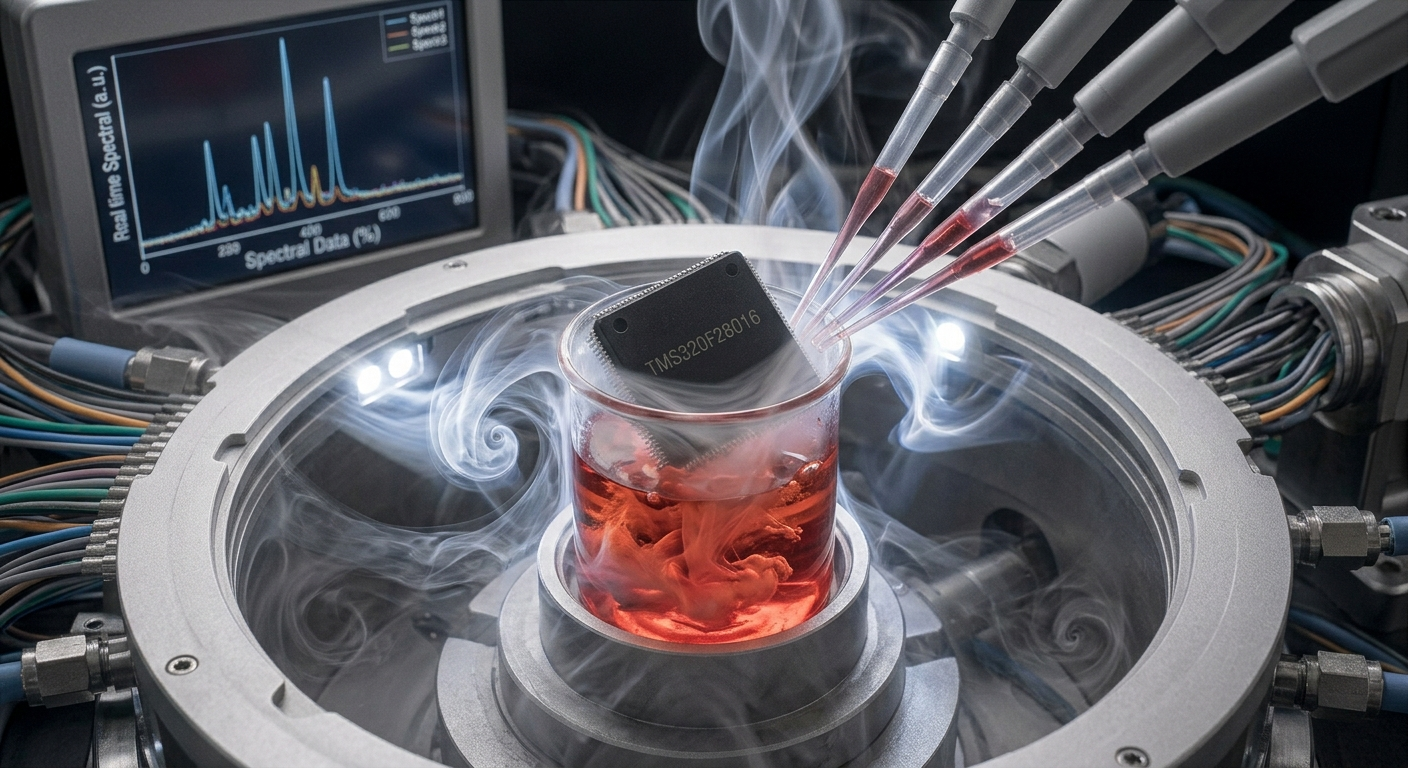
If normal interface-based investigation is insufficient, advanced semiconductor analysis may include controlled decapsulation of the microcontroller, microprocessor, MCU, chip, or IC. The achievable result depends on the protection condition, physical state, memory architecture, available interfaces, and recovery objective, so each TMS32F28016 case requires an individual technical assessment rather than relying on a universal recovery procedure.
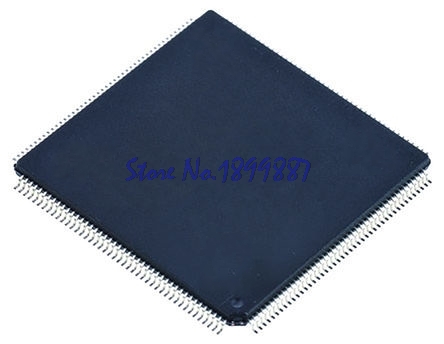
When an external global-memory device receives the bus request, it responds by asserting the ready signal after the global-memory access is arbitrated and the global access is completed.
Our TMS320F28016 Flash code and firmware recovery service provides technical assistance to authorized equipment owners, manufacturers, repair organizations, and engineering companies that need to preserve or recover embedded software from existing hardware. Our work can include inspecting the target board, identifying the processor and relevant interfaces, evaluating memory and protection conditions, and determining which recovery options are technically appropriate. Where feasible, recoverable firmware, Flash contents, configuration information, or other embedded data can be prepared for authorized repair, restoration, redesign, replacement-controller development, or further engineering analysis.
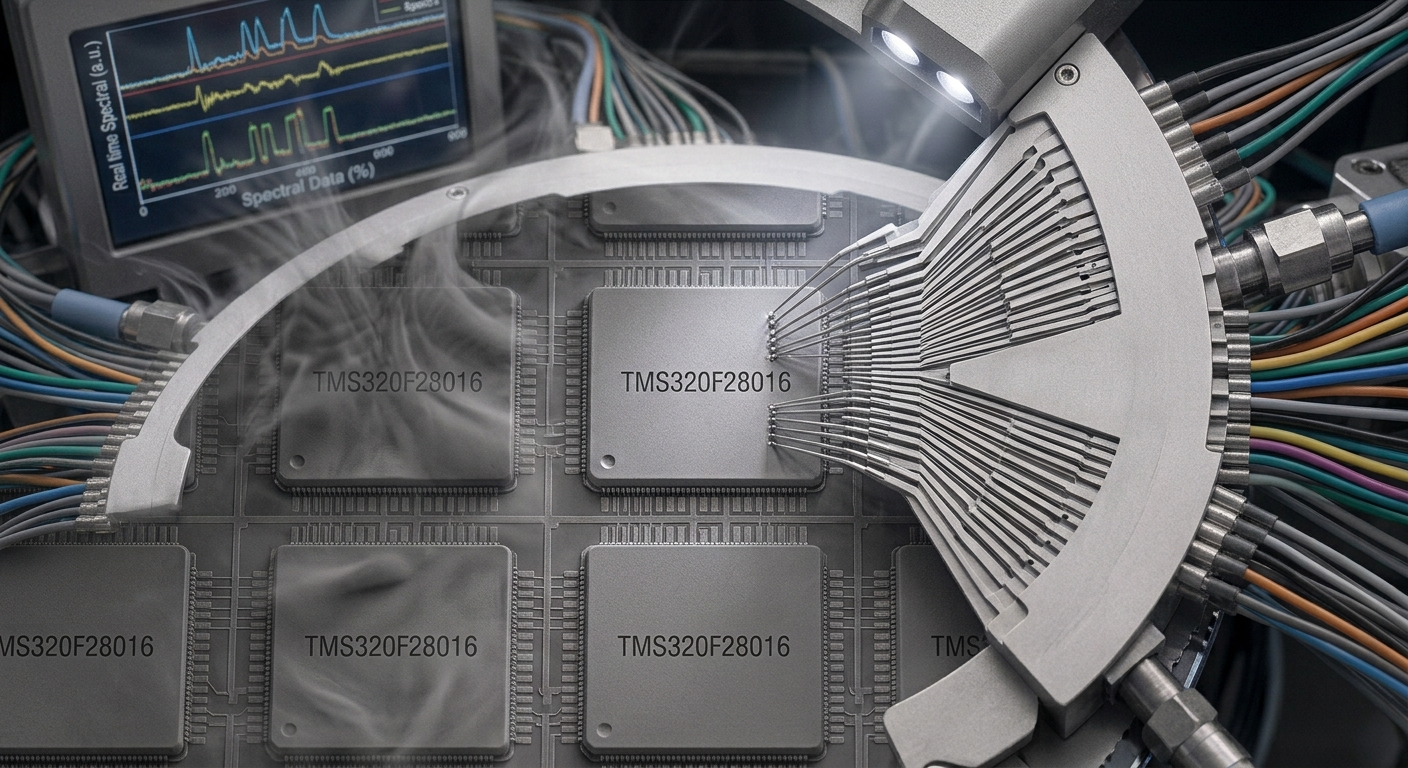
This service is especially valuable when an original software archive has been lost and the programmed processor is the remaining practical source of information about an established electronic system. Through device examination, firmware investigation, memory analysis, and specialized recovery techniques, we help customers obtain useful embedded information while supporting the continued maintenance and restoration of legacy equipment.
 Posted in Reverse Engineer Microcontroller