 Protective Microcontroller STM32F048C6 Flash Heximal Cracking
 May 17th, 2021 |
 Author:
The STM32F048C6 is a 32-bit Arm Cortex-M0 microcontroller from STMicroelectronics, designed for low-voltage embedded applications that require compact processing, integrated connectivity, and efficient power management. It operates at up to 48 MHz and incorporates 32 KB of embedded Flash memory and 6 KB of SRAM, together with a broad selection of peripherals and communication interfaces. Depending on the application design, its resources include USB full-speed, I2C, SPI/I2S, USART, ADC, timers, PWM, DMA, touch-sensing capabilities, and serial-wire debugging. These features make the STM32F048C6 suitable for industrial control equipment, PLC-related applications, inverters, printers, scanners, alarm systems, HVAC equipment, user-interface products, A/V equipment, GPS platforms, PC peripherals, and other embedded electronic systems.
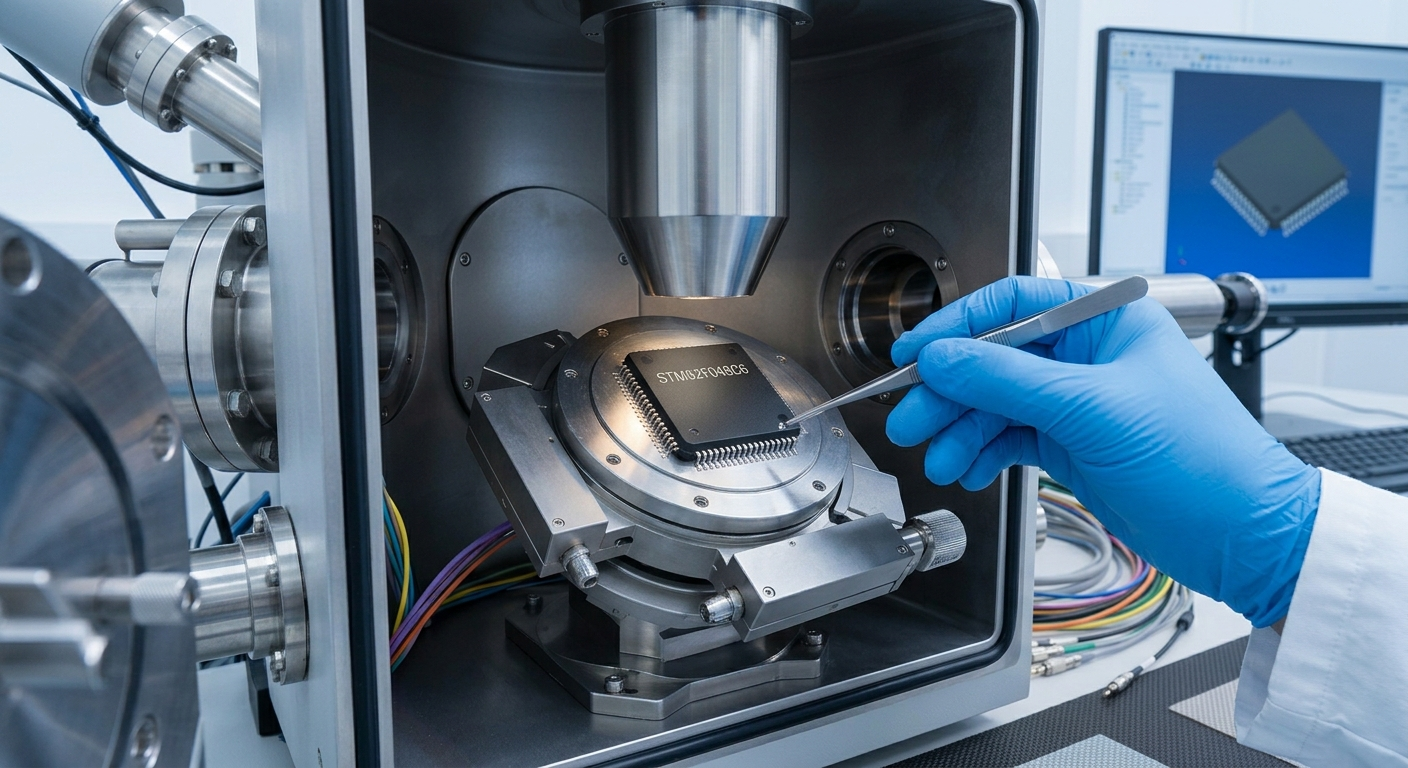
For equipment that has been operating for many years, the programmed MCU may contain software that is no longer available in the original development environment. The loss of a firmware project, source code, software archive, or engineering backup can make maintenance and reproduction considerably more difficult. A protective, secured, encrypted, or locked microcontroller may further restrict conventional access to its internal Flash memory.
In such circumstances, authorized firmware recovery can help engineers investigate legacy equipment, restore discontinued products, reproduce replacement control boards, or preserve important embedded functions before the original hardware becomes unavailable. Recovering usable code or data from an existing device can therefore provide valuable information for repair, redesign, compatibility analysis, and long-term product support.
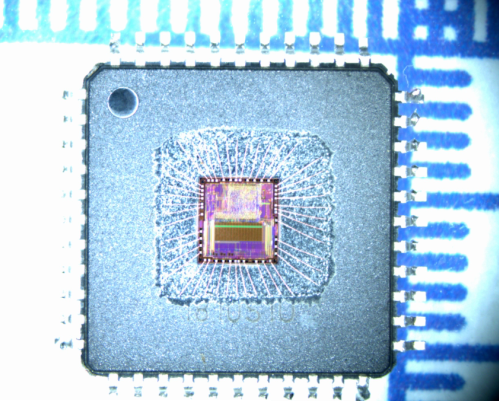
The STM32F048x6 microcontrollers incorporate the high-performance ARM® Cortex®-M0 32-bit RISC core operating at up to 48 MHz frequency, high-speed embedded memories (32 Kbytes of Flash memory and 6 Kbytes of SRAM), and an extensive range of enhanced peripherals and I/Os.
When examining a STM32F048C6 recovery case, engineers can begin by identifying the MCU condition, available interfaces, memory structure, protection configuration, and the relationship between the device and its surrounding circuit. For an authorized project involving STM32F048C6, appropriate programming, debugging, and hardware-analysis methods may be evaluated to determine whether firmware, source code, data, software, memory, archive, flash, or eeprom information can be retrieved, decoded, duplicated, or cloned.
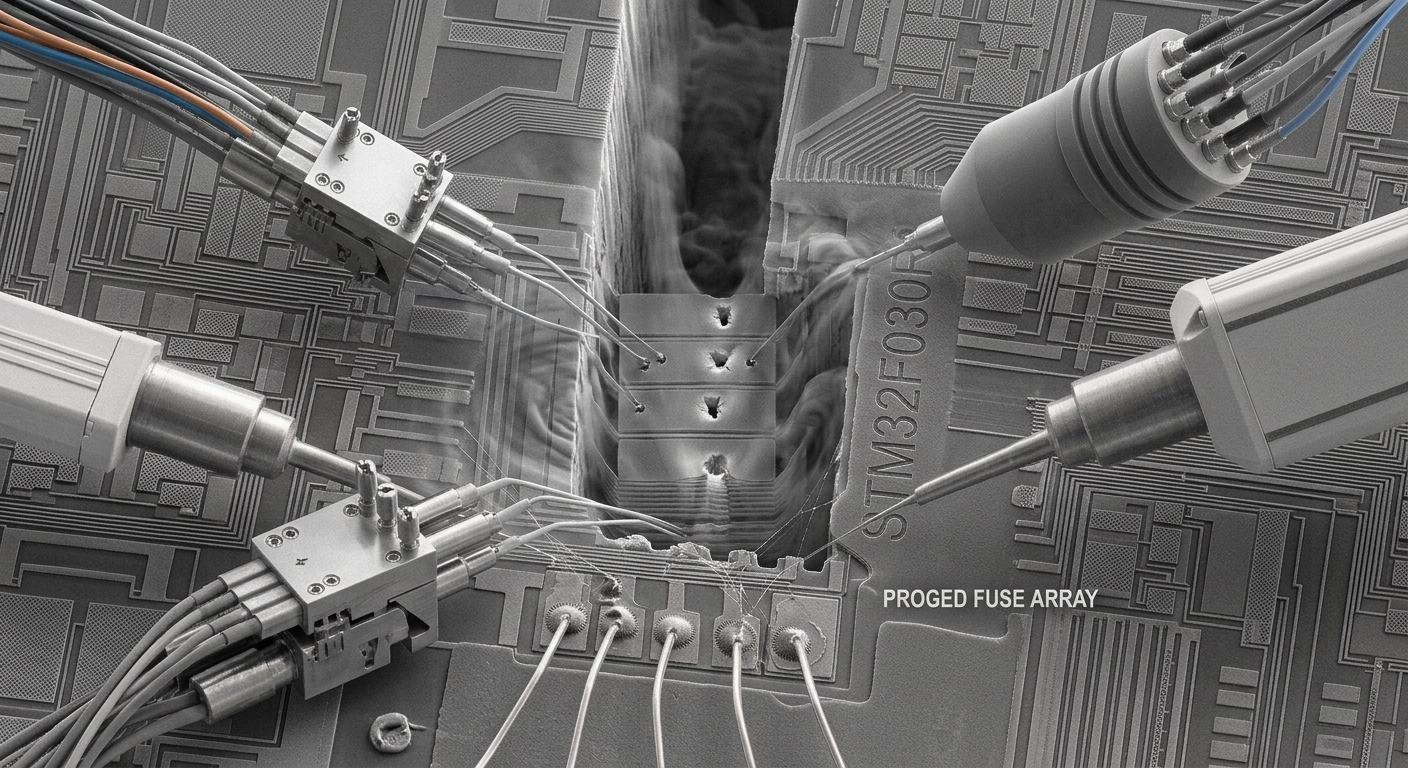
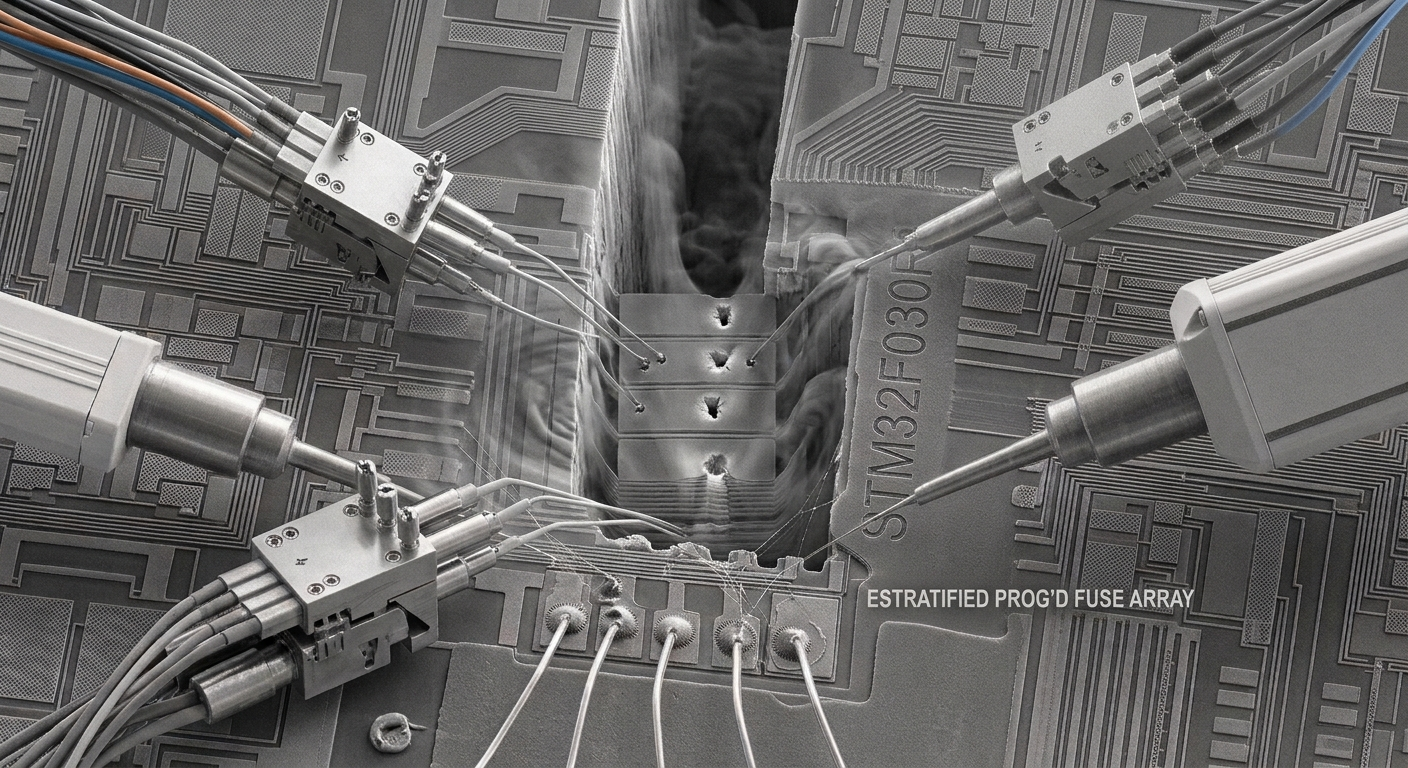
If normal access is restricted by a protective, secured, encrypted, or locked configuration, specialists may investigate legitimate technical approaches to break or attack the applicable access barrier while assessing the risk to the original device and its data. Where conventional techniques do not provide sufficient information, advanced semiconductor analysis may involve controlled decapsulation of the microcontroller, microprocessor, MCU, chip, or IC. The actual recovery possibilities depend on the protection state, physical condition, memory contents, interface availability, and the specific recovery objective, so each STM32F048C6 should be assessed individually rather than assuming that one recovery method will work for every device.
The STM32F048x6 microcontrollers operate in the -40 to +85 °C and -40 to +105 °C temperature ranges, at a 1.8 V ± 8% power supply. A comprehensive set of power-saving modes allows the design of low-power applications. The STM32F048x6 microcontrollers include devices in three different packages ranging from 36 pins to 48 pins with a die form also available upon request. Depending on the device chosen, different sets of peripherals are included.
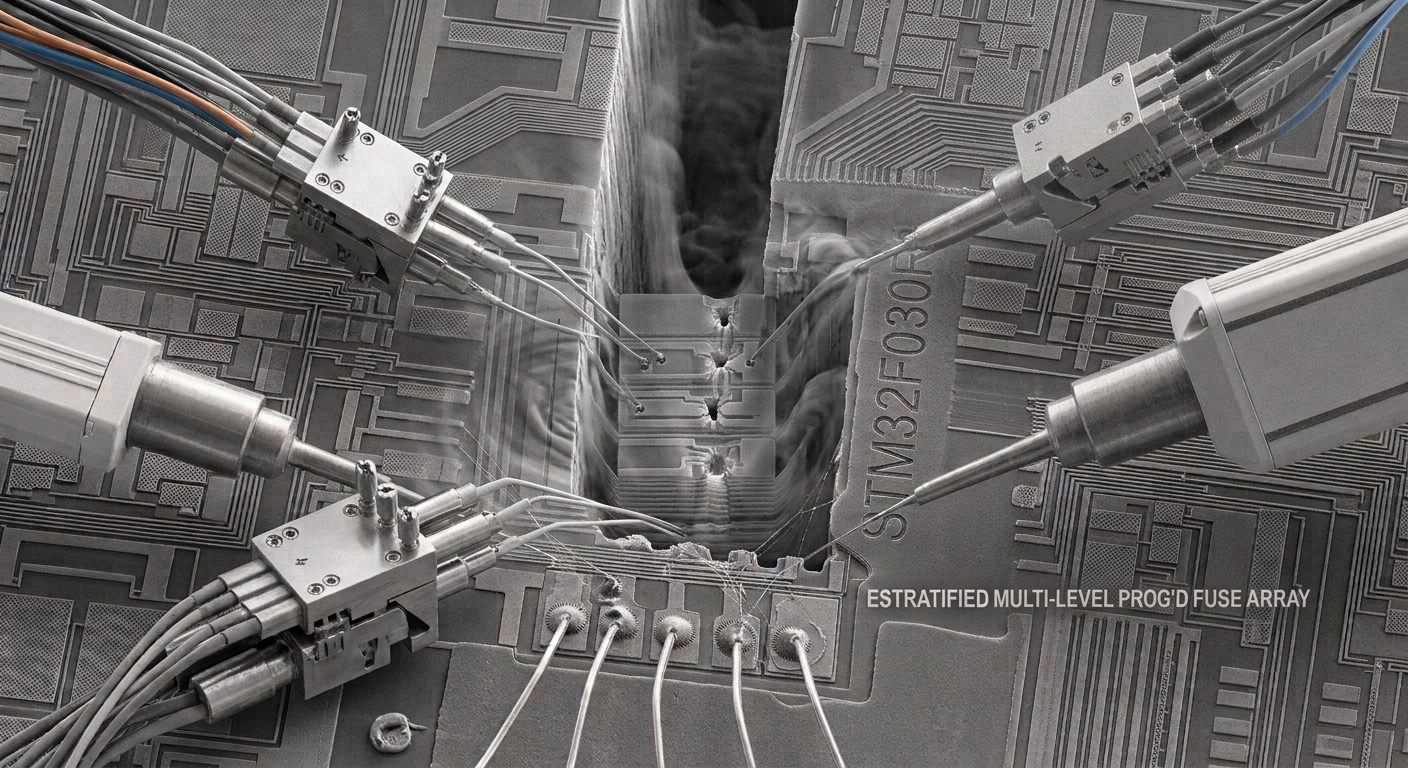
Our STM32F048C6 Flash and firmware recovery service helps authorized end users, manufacturers, repair organizations, and embedded engineering teams deal with missing or inaccessible software stored in existing electronic equipment. Our engineers can inspect the target hardware, identify the installed MCU and relevant interfaces, evaluate the memory and protection condition, and select an appropriate recovery strategy according to the device characteristics.
Where technically feasible, the service may assist in obtaining recoverable firmware images, Flash contents, configuration information, or other valuable embedded data for authorized repair, restoration, redesign, replacement production, or engineering analysis. This approach is particularly useful when an original software archive has been lost and the programmed microcontroller has become the remaining source of critical operational information. Our goal is to help customers preserve valuable embedded code and recover usable information from legacy electronic systems while maintaining a careful, device-specific engineering process.
 Posted in Break IC