 Copy MCU PIC16C554A Eeprom
 July 7th, 2014 |
  Author:
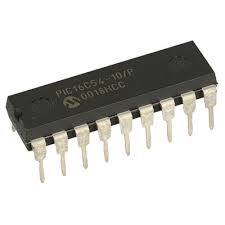
 The Microchip PIC16C554A is a classic 8-bit microcontroller that continues to operate inside many long-lifecycle products across industrial, consumer, and control-system markets. When customers search for Copy MCU PIC16C554A EEPROM, it is usually because the original firmware, source code, or internal archive has been lost, while the equipment itself remains mission-critical. In these cases, our specialized service provides a reliable path to retrieve, clone, or duplicate the original embedded program without disclosing sensitive technical methods.
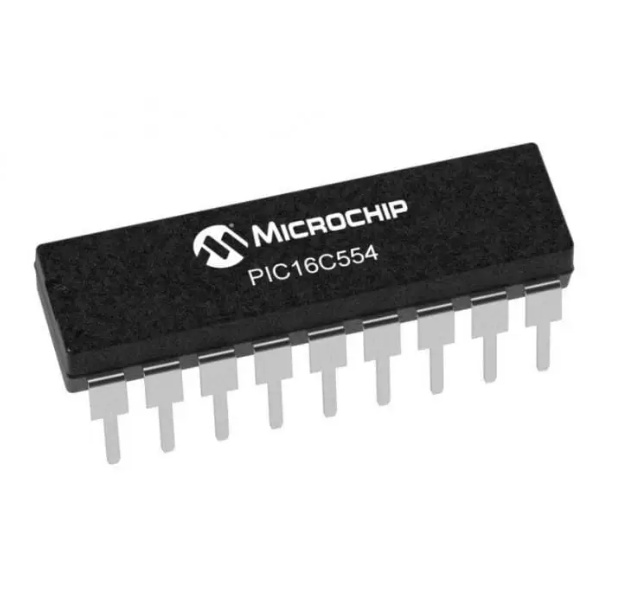
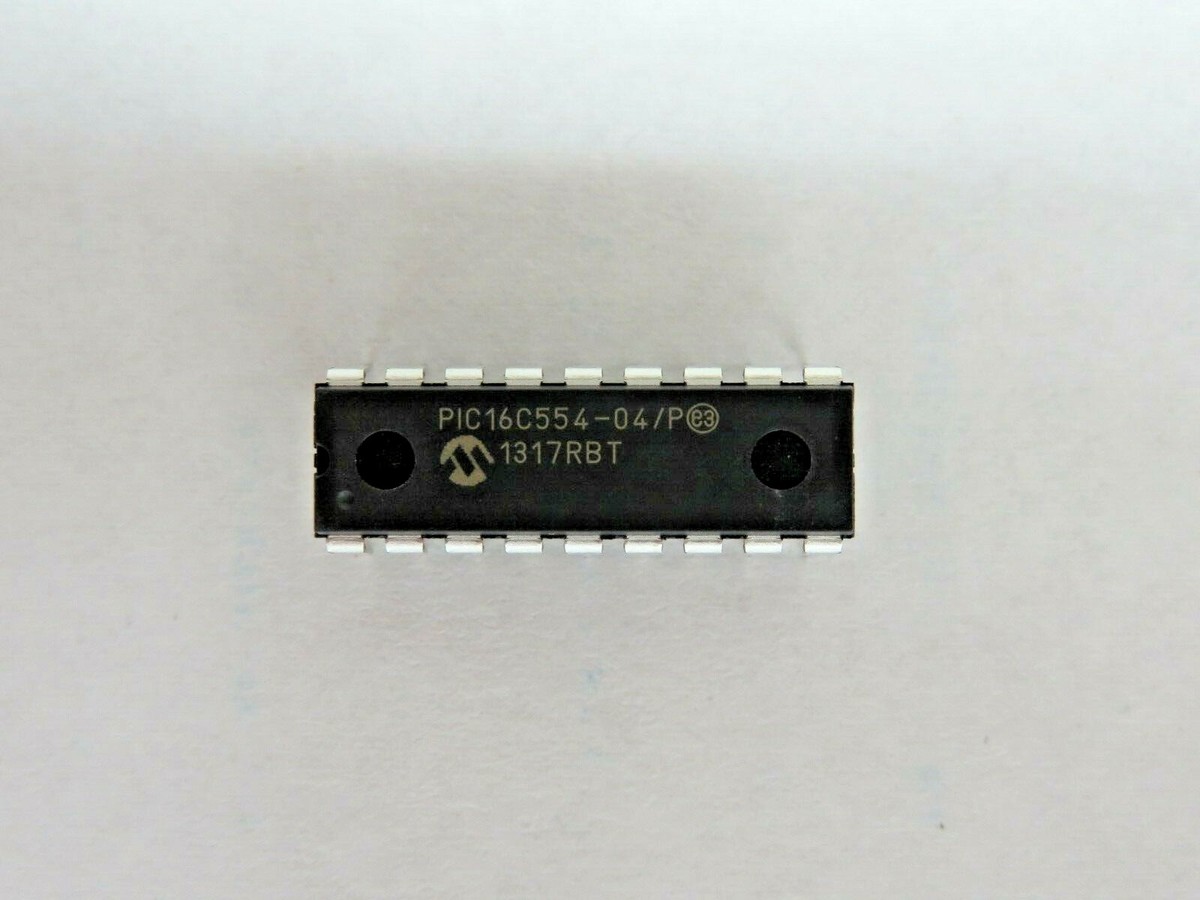
The PIC16C55X(A) are 18 and 20-Pin EPROM-based members of the versatile PIC16CXX family of low-cost, high-performance, CMOS, fully-static, 8-bit microcontrollers which is the reason for Copy MCU PIC16C554A Eeprom.
All PICmicro™ microcontrollers employ an advanced RISC architecture. The PIC16C55X(A) have enhanced core features, eight-level deep stack, and multiple internal and external interrupt sources. The separate instruction and data buses of the Harvard architecture allow a 14-bit wide instruction word with the separate 8-bit wide data.
Thanks to its simple architecture, stable timing, and low power consumption, the PIC16C554A has been widely adopted in:
- Industrial control panels and signal converters
- Consumer appliances and portable electronic products
- Automotive auxiliary electronics and monitoring units
- Security devices and access-control modules
- Educational and OEM-specific embedded systems
In many of these designs, custom logic and calibration data are stored inside EEPROM, flash, or internal memory, often protected by locked, encrypted, or secured configurations.
The two-stage instruction pipeline allows all instructions to execute in a single-cycle, except for program branches (which require two cycles). A total of 35 instructions (reduced instruction set) are available. Additionally, a large register set gives some of the architectural innovations used to achieve a very high performance.
PIC16C55X(A) microcontrollers typically achieve a 2:1 code compression and a 4:1 speed improvement over other 8-bit microcontrollers in their class.
Our service focuses on helping legitimate owners break through inaccessible protection layers in order to recover their own binary or heximal file. We support projects where standard tools cannot read the embedded firmware due to protective security settings.
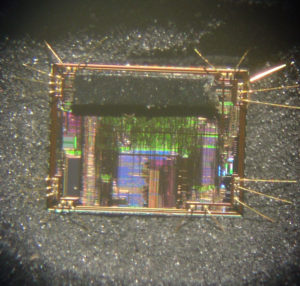
Depending on the condition of the device, recovery may involve controlled analysis, specialized evaluation, or advanced inspection such as authorized decapsulation. The goal is to safely decode and reconstruct the internal program structure while preserving data integrity. We do not provide instructions on how to hack devices; all work is performed internally under strict confidentiality.
The PIC16C554(A) and PIC16C556A have 80 bytes of RAM. The PIC16C558(A) has 128 bytes of RAM. Each device has 13 I/O pins and an 8-bit timer/counter with an 8-bit programmable prescaler.
PIC16C55X(A) devices have special features to reduce external components, thus reducing cost, enhancing system reliability and reducing power consumption in the process of Copy MCU PIC16C554A Eeprom.
There are four oscillator options, of which the single pin RC oscillator provides a low-cost solution, the LP oscillator minimizes power consumption, XT is a standard crystal, and the HS is for High Speed crystals. The SLEEP (power-down) mode offers power saving.
The user can wake up the MCU from SLEEP through several external and internal interrupts and reset.A highly reliable Watchdog Timer with its own on-MCU RC oscillator provides protection against software lock- up. A UV-erasable CERDIP-packaged version is ideal for code development while the cost-effective One-Time Programmable (OTP) version is suitable for production in any volume.
Customers rely on our PIC16C554A EEPROM recovery service to:
- Restore production when original source code is unavailable
- Avoid costly redesign of legacy products
- Build verified archives for long-term maintenance
- Enable accurate system clone or controlled duplicate manufacturing
- Protect existing engineering investment and intellectual property
Recovered firmware allows businesses to maintain continuity, extend product life cycles, and reduce operational risk.
Challenges in the Recovery Process
Typical difficulties include aged silicon, partial memory degradation, deeply protected configurations, or undocumented variations between chip revisions. These factors require experience and precision to ensure a complete and usable output.
 Posted in Reverse Engineer Microcontroller