 Copy Chip ATmega64L Eeprom
 July 9th, 2014 |
  Author:
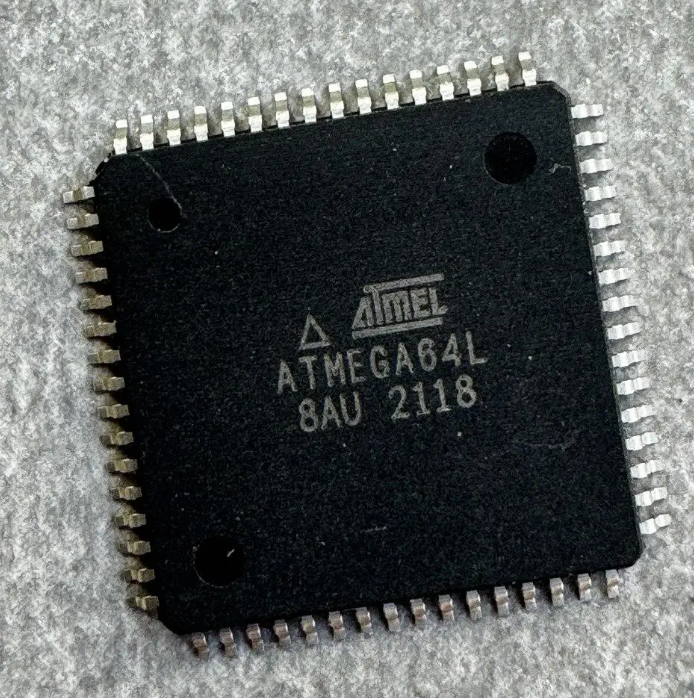
 Copy Chip ATmega64L EEPROM is a specialized professional service designed for legitimate owners who need to recover, preserve, or migrate critical embedded data from legacy or active AVR-based systems. The ATmega64L is a widely adopted 8-bit microcontroller from Atmel (Microchip) known for its low-power operation, rich peripheral set, and stable architecture, making it a long-term choice in industrial control, consumer electronics, automotive modules, medical instruments, smart meters, security devices, and various customized embedded products. In many of these applications, essential configuration data, calibration parameters, device identifiers, and control logic are stored inside EEPROM, flash memory, or protected program areas, often in a locked, encrypted, or otherwise secured state.
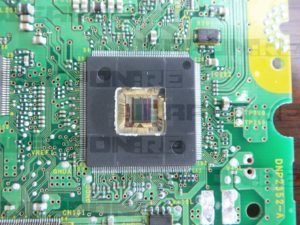
We can Copy Chip ATmega64L Eeprom, please view below chip features for your reference:
· High-performance, Low-power Atmel® CHIP® 8-bit Microcontroller
· Advanced RISC Architecture
– 130 Powerful Instructions – Most Single Clock Cycle Execution
– 32 x 8 General Purpose Working Registers + Peripheral Control Registers
– Fully Static Operation
– Up to 16 MIPS Throughput at 16 MHz
– On-chip 2-cycle Multiplier
When original firmware documentation, source code, or archived files are lost, businesses may face production stoppages, maintenance risks, or costly redesigns. Our Copy Chip ATmega64L EEPROM service helps customers legally attack these barriers at a high level, enabling them to retrieve, decode, clone, or duplicate their own embedded firmware, binary, or heximal data without revealing sensitive technical methods. The ATmega64L’s unique features—such as multiple communication interfaces, flexible memory mapping, and reliable EEPROM endurance—also introduce challenges when protection bits are enabled, as standard programmers cannot access locked memory regions. In such cases, advanced analysis may be required to break through protective mechanisms and retrieve the embedded data archive in a controlled and secure manner.
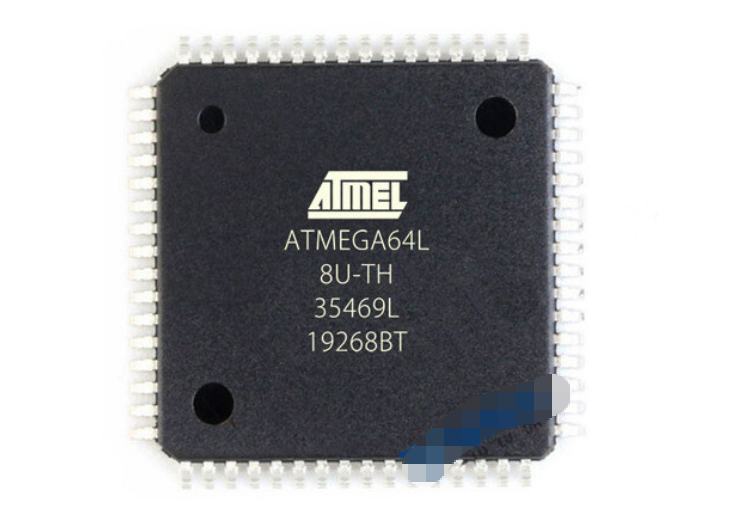
High Endurance Non-volatile Memory segments
– 64 Kbytes of In-System Reprogrammable Flash program memory
– 2 Kbytes EEPROM
– 4 Kbytes Internal SRAM
– Write/Erase Cycles: 10,000 Flash/100,000 EEPROM
– Data retention: 20 years at 85°C/100 years at 25°C(1)
– Optional Boot Code Section with Independent Lock Bits
In-System Programming by On-chip Boot Program
True Read-While-Write Operation
– Up to 64 Kbytes Optional External Memory Space
– Programming Lock for Software Security
– SPI Interface for In-System Programming
JTAG (IEEE std. 1149.1 Compliant) Interface
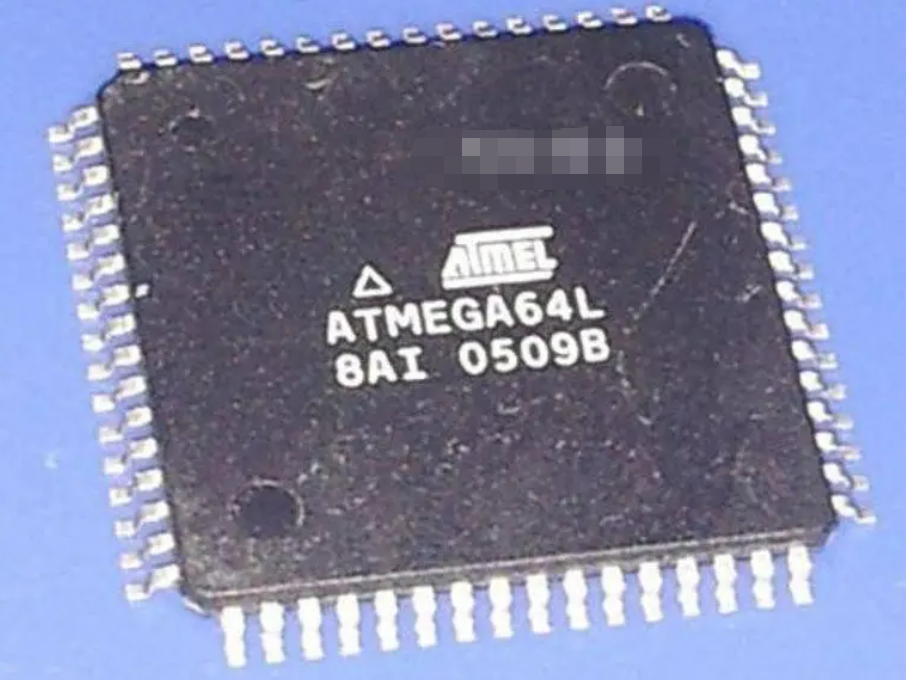
– Boundary-scan Capabilities According to the JTAG Standard
– Extensive On-chip Debug Support
– Programming of Flash, EEPROM, Fuses, and Lock Bits through the JTAG Interface
Peripheral Features
– Two 8-bit Timer/Counters with Separate Prescalers and Compare Modes
– Two Expanded 16-bit Timer/Counters with Separate Prescaler, Compare Mode, and Capture Mode
– Real Time Counter with Separate Oscillator
– Two 8-bit PWM Channels
– 6 PWM Channels with Programmable Resolution from 1 to 16 Bits
– 8-channel, 10-bit ADC
8 Single-ended Channels
7 Differential Channels
2 Differential Channels with Programmable Gain (1x, 10x, 200x)
– Byte-oriented Two-wire Serial Interface
– Dual Programmable Serial USARTs
– Master/Slave SPI Serial Interface
– Programmable Watchdog Timer with On-chip Oscillator
– On-chip Analog Comparator
Special Microcontroller Features
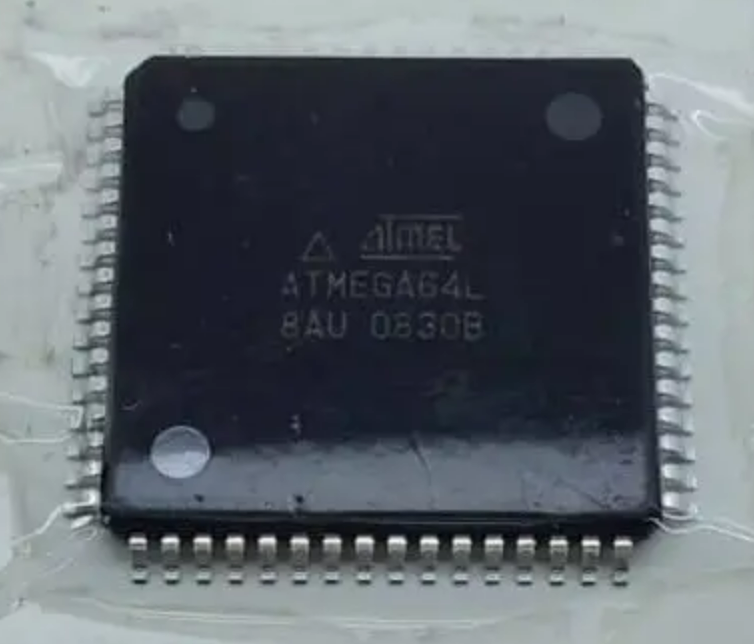
– Power-on Reset and Programmable Brown-out Detection
– Internal Calibrated RC Oscillator
– External and Internal Interrupt Sources
– Six Sleep Modes: Idle, ADC Noise Reduction, Power-save, Power-down, Standby
and Extended Standby
– Software Selectable Clock Frequency
– ATmega103 Compatibility Mode Selected by a Fuse
– Global Pull-up Disable
I/O and Packages
– 53 Programmable I/O Lines
– 64-lead TQFP and 64-pad QFN/MLF
Operating Voltages
– 2.7V – 5.5V for ATmega64L
– 4.5V – 5.5V for ATmega64
The purpose of this service is not to encourage unauthorized hack activities, but to support product lifecycle continuity, intellectual property preservation, and system recovery for authorized users. Typical use cases include restoring EEPROM data after a supplier shutdown, cloning a proven controller for small-batch manufacturing, duplicating a stable program file for backup, or migrating firmware to a newer platform while keeping original behavior intact.
During the recovery process, difficulties may arise from aging silicon, partially corrupted memory cells, undocumented firmware revisions, or deeply encrypted security configurations that require careful handling to avoid data loss. Despite these challenges, successful EEPROM and flash retrieval allows customers to rebuild their firmware archive, validate binary integrity, and securely store recovered source-level representations where applicable.
The benefits for end users include reduced downtime, lower redevelopment costs, extended product lifespan, and improved operational resilience, all while maintaining confidentiality and compliance. By delivering verified firmware, EEPROM, and memory files in usable formats, our Copy Chip ATmega64L EEPROM service provides a practical, professional solution for industries that rely on stable embedded systems and cannot afford to lose access to their secured microcontroller data.
 Posted in Reverse Engineer Microcontroller