 Break Microcontroller PIC12F629 Program
 May 15th, 2014 |
  Author:
 The PIC12F629 is a popular 8-bit Microchip microcontroller widely used in compact embedded devices due to its reliability, small footprint, and internal EEPROM and flash memory. However, when its firmware is locked, encrypted, or otherwise protected, accessing its program becomes a complex technical task. That’s where our specialized service comes in.
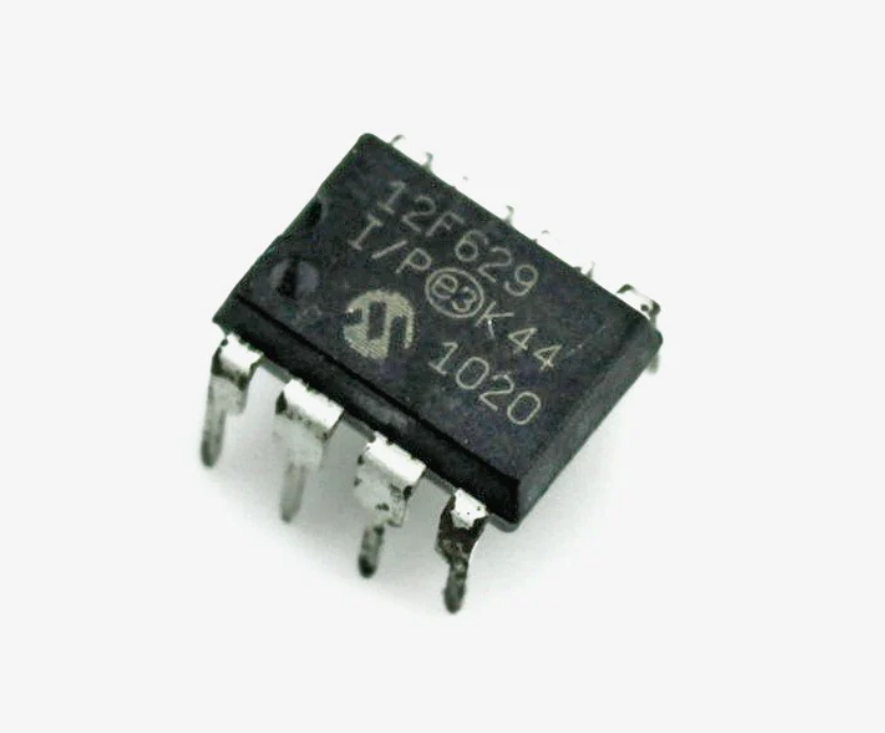
At [Your Company Name], we offer expert solutions to break Microcontroller PIC12F629 program, enabling you to restore, crack, copy, or clone the internal contents of the chip—including its binary, heximal, or source code. Whether your goal is data recovery, device duplication, or in-depth reverse engineering, we help you retrieve valuable program files, EEPROM, and flash archives locked within the device.
This microcontroller is a trusted component in a wide range of embedded systems, including:
- Remote controls
- Home automation devices
- Industrial sensor modules
- Simple logic control circuits
- Low-power portable electronics
Its built-in features like an internal oscillator, low-voltage programming, 1K word flash memory, and 128 bytes of EEPROM make it ideal for applications requiring minimal external components. However, these same benefits often make it a challenge when the device becomes secured or inaccessible.
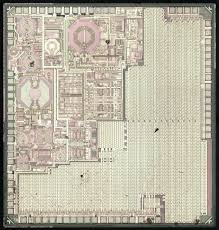
Break Microcontroller PIC12F629 locked memory and recover Program in the format of heximal from MCU by cracking MCU tamper resistance system and copy the code to blank MCU;
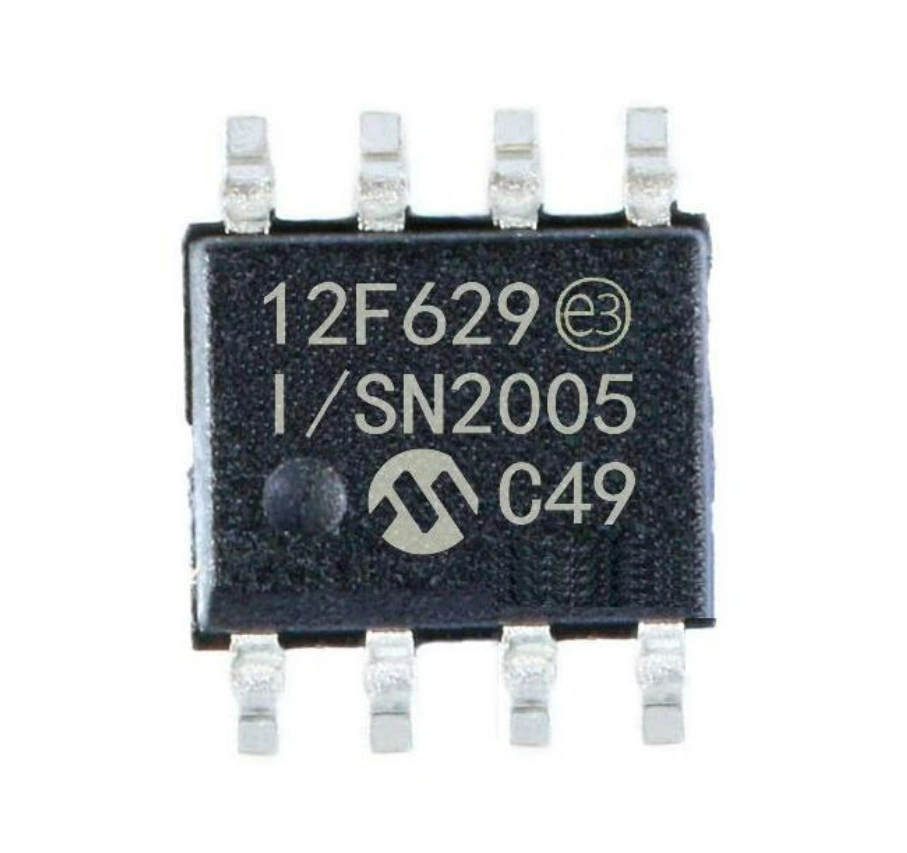
High-Performance RISC CPU:
· Only 35 Instructions to Learn
– All single-cycle instructions except branches
· Operating Speed:
– DC – 20 MHz oscillator/clock input when Break Microcontroller
– DC – 200 ns instruction cycle
· Interrupt Capability
· 8-Level Deep Hardware Stack
· Direct, Indirect, and Relative Addressing modes
Special Microcontroller Features:
· Internal and External Oscillator Options
– Precision Internal 4 MHz oscillator factory calibrated to ±1%
– External Oscillator support for crystals and resonators
– 5 ms wake-up from Sleep, 3.0V, typical
· Power-Saving Sleep mode
· Wide Operating Voltage Range – 2.0V to 5.5V
· Industrial and Extended Temperature Range
· Low-Power Power-on Reset (POR)
· Power-up Timer (PWRT) and Oscillator Start-up Timer (OST)
· Brown-out Detect (BOD)
· Watchdog Timer (WDT) with Independent Oscillator for Reliable Operation
· Multiplexed MCLR/Input Pin
· Interrupt-on-Pin Change
· Individual Programmable Weak Pull-ups
· Programmable Code Protection
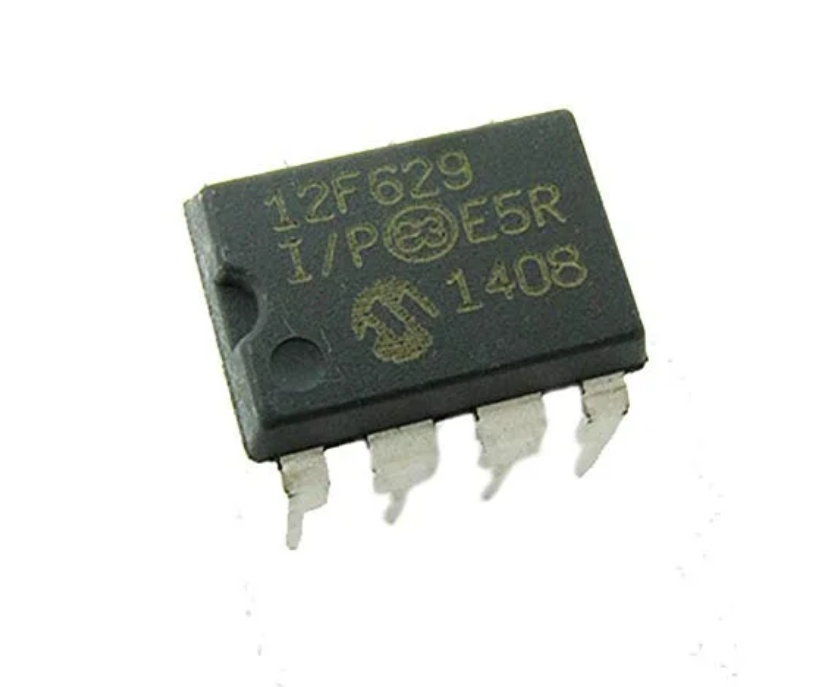
· High Endurance Flash/EEPROM Cell
– 100,000 write Flash endurance
– 1,000,000 write EEPROM endurance
– Flash/Data EEPROM Retention: > 40 years
Low-Power Features:
· Standby Current:
– 1 nA @ 2.0V, typical
· Operating Current:
– 8.5 mA @ 32 kHz, 2.0V, typical
– 100 mA @ 1 MHz, 2.0V, typical
· Watchdog Timer Current
– 300 nA @ 2.0V, typical
· Timer1 Oscillator Current:
– 4 mA @ 32 kHz, 2.0V, typical
Peripheral Features:
· 6 I/O Pins with Individual Direction Control
· High Current Sink/Source for Direct LED Drive
· Analog Comparator module with:
– One analog comparator
– Programmable on-chip comparator voltage reference (CVREF) module
– Programmable input multiplexing from device inputs
– Comparator output is externally accessible
· Analog-to-Digital Converter module (PIC12F675):
– 10-bit resolution
– Programmable 4-channel input
– Voltage reference input
· Timer0: 8-Bit Timer/Counter with 8-Bit Programmable Prescaler
· Enhanced Timer1:
– 16-bit timer/counter with prescaler
– External Gate Input mode
– Option to use OSC1 and OSC2 in LP mode as Timer1 oscillator, if INTOSC mode selected
· In-Circuit Serial ProgrammingTM (ICSPTM) via two pins
Many manufacturers implement code protection bits on the PIC12F629 to prevent unauthorized access. Once enabled, these protections block conventional reading or copying methods. If the chip becomes corrupted, or you’ve lost the original firmware, regaining access to your system’s logic can seem impossible.
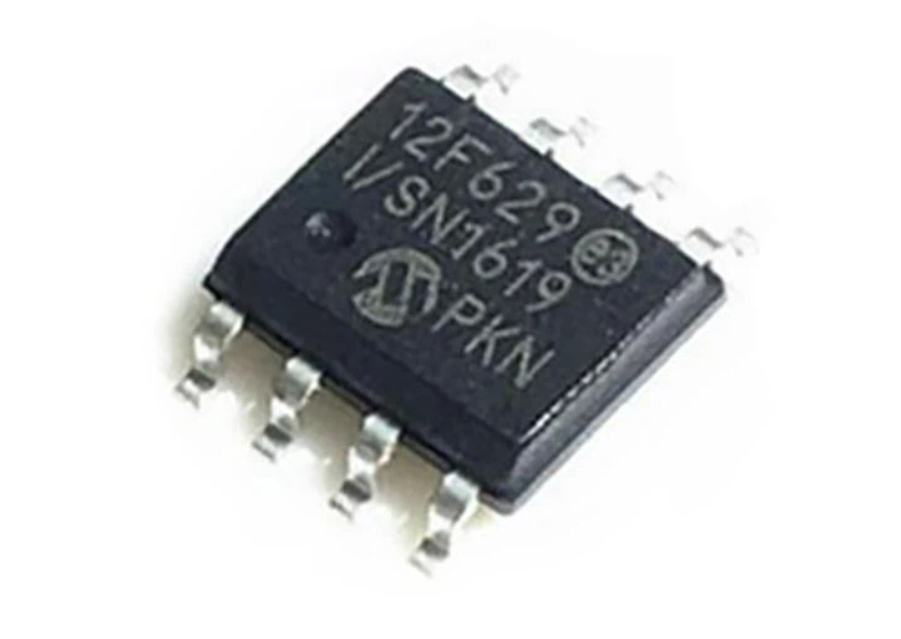
That’s where our hack, decode, and decrypt service shines. We use specialized hardware techniques and custom tools to bypass these protections and open the memory contents of the chip. Our team can extract and reconstruct a clean, usable heximal file, ready for analysis, backup, or duplication.
Our Services Include:
- Dumping and recovering protected flash and EEPROM
- Disassembling and decoding obfuscated or encrypted firmware
- Reconstructing source code or binary files from extracted program archives
- Cloning the chip’s logic into new devices for manufacturing or system restoration
- Secure and confidential handling of client devices and data
We approach each project with precision, ensuring successful retrieval of critical information without damaging your hardware. Whether your device is part of a legacy product line or a recently developed system, we adapt our methods accordingly.
 Posted in Break IC